
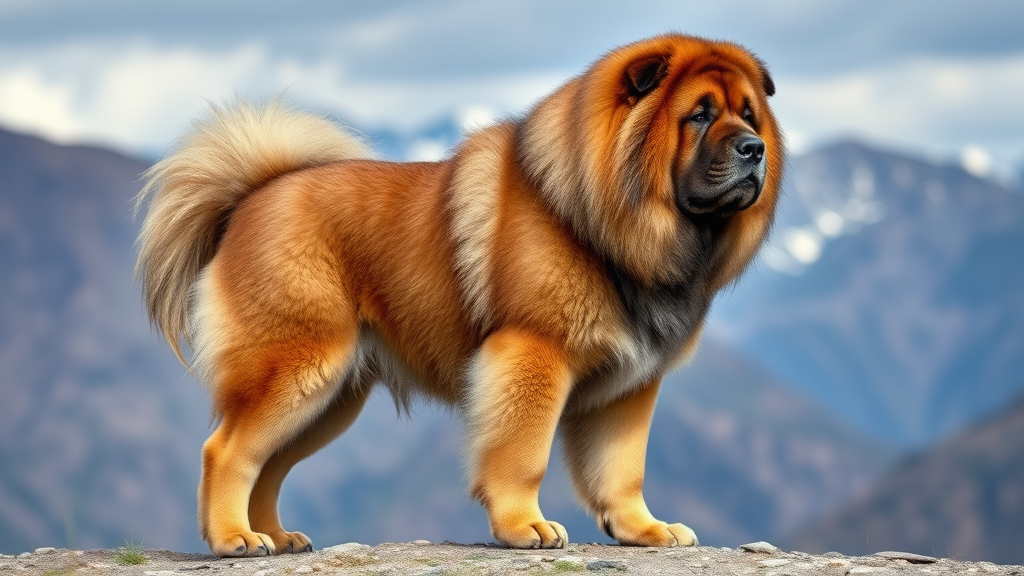
The Do Khyi, also known as the Tibetan Mastiff, stands as one of the most magnificent and ancient dog breeds in the world. These gentle giants have captured hearts across the globe with their impressive stature, loyal nature, and distinctive lion-like appearance. Originally bred to guard monasteries and nomadic camps in the harsh Tibetan highlands, the Do Khyi has evolved into a beloved companion breed that brings both majesty and devotion to modern households.
Living with a Do Khyi is an extraordinary experience that requires understanding, patience, and dedication. These remarkable dogs combine the protective instincts of their guardian heritage with a surprisingly gentle and affectionate temperament toward their families. While their imposing size and thick double coat make them unmistakable, it’s their deep intelligence and unwavering loyalty that truly sets them apart as exceptional canine companions.
Understanding the Do Khyi Breed
The Do Khyi dog represents thousands of years of selective breeding in one of the world’s most challenging environments. These magnificent dogs were developed by Tibetan nomads and monks who needed reliable guardians capable of protecting livestock, monasteries, and families from predators including wolves, leopards, and bears. The breed’s name literally translates to “tied dog” in Tibetan, referring to their traditional role as tethered guardians during the day who were released at night to patrol their territory.
Standing 24-30 inches tall and weighing between 70-150 pounds, Do Khyis possess a commanding presence that reflects their working heritage. Their most distinctive feature is their dense double coat, which protected them from the extreme temperatures of the Tibetan plateau. This coat comes in various colors including black, brown, blue-gray, and gold, often with tan markings. Their broad skull, deep-set eyes, and pendant ears give them an expression that balances alertness with dignity.
According to the American Kennel Club, the Do Khyi is classified as a working breed, though they’ve transitioned from their original guardian roles to become cherished family companions. Their genetic makeup reveals fascinating connections to ancient wolf populations, making them one of the most primitive dog breeds still in existence today.
Temperament and Personality Traits
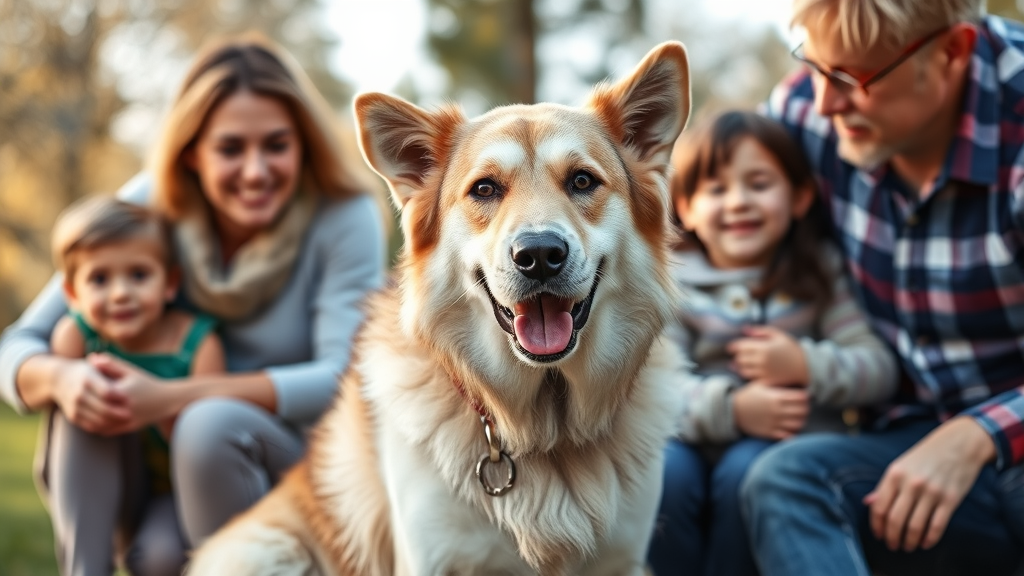
The Do Khyi’s temperament is a fascinating blend of independence, loyalty, and gentle affection. These dogs are naturally reserved with strangers, a trait that stems from their guardian heritage, but they form incredibly strong bonds with their family members. Unlike many large breeds that are exuberantly friendly with everyone, Do Khyis are selective in their affections, making their love feel particularly special and earned.
Their intelligence is both a blessing and a challenge for owners. Do Khyis are independent thinkers who were bred to make decisions without human guidance while protecting their charges. This means they may not always follow commands immediately, preferring to assess situations before acting. They’re naturally nocturnal, often becoming more active and alert during evening hours, which reflects their ancestral role as nighttime guardians.
With children, properly socialized Do Khyis can be wonderfully gentle and protective. They seem to understand their size and strength, moving carefully around smaller family members. However, their protective instincts mean they may be wary of children’s friends or become concerned during rough play. Early socialization is crucial to help them distinguish between normal childhood activities and genuine threats.
Daily Care Requirements
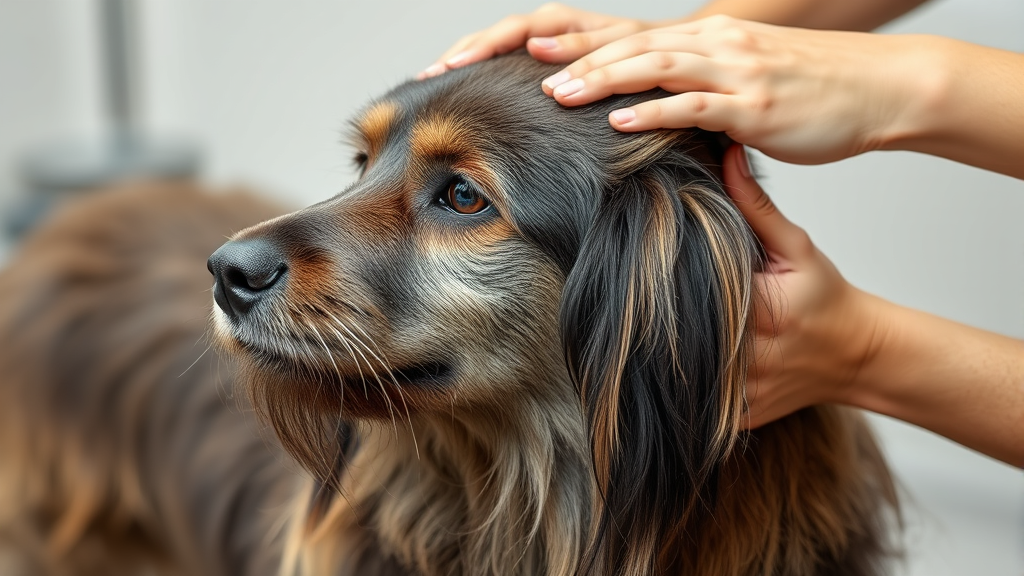
Caring for a Do Khyi involves understanding their unique needs as a large, double-coated breed with specific exercise and grooming requirements. Their thick coat requires regular brushing at least three times per week, with daily brushing during shedding seasons. These dogs experience dramatic seasonal shedding, particularly in spring, when they can literally shed enough fur to stuff a pillow.
Exercise needs for Do Khyis are moderate but consistent. Unlike high-energy breeds that require intense daily workouts, these gentle giants benefit from steady, purposeful exercise such as long walks, hiking, or supervised free play in a securely fenced area. They typically need 45-60 minutes of exercise daily, but this should be adjusted based on age, health status, and individual energy levels.
Temperature regulation is crucial for Do Khyi care. Their heavy coats make them susceptible to overheating in warm weather, so exercise should be scheduled during cooler parts of the day. Providing access to air conditioning, plenty of fresh water, and shaded areas is essential during summer months. Conversely, they thrive in cooler climates and often prefer outdoor activities in winter weather.
Training and Socialization
Training a Do Khyi requires patience, consistency, and an understanding of their independent nature. These dogs respond best to positive reinforcement techniques that respect their intelligence and dignity. Harsh training methods or excessive repetition can cause them to shut down or become stubborn, as they prefer to think through commands rather than blindly obey.
Early socialization is absolutely critical for Do Khyis. Their natural wariness of strangers can develop into problematic fear or aggression without proper exposure to various people, animals, and situations during their critical socialization period (3-14 weeks of age). Puppy socialization classes, controlled meet-and-greets with friendly dogs, and positive experiences with different types of people help create well-adjusted adults.
Basic obedience training should focus on essential commands like “come,” “stay,” “down,” and “leave it.” Given their size and strength, teaching loose-leash walking is particularly important. Many Do Khyi owners find success with clicker training, as these dogs appreciate the clear communication and mental stimulation it provides. Remember that training sessions should be kept relatively short (10-15 minutes) to maintain their interest and prevent boredom.
Health and Wellness Considerations
Do Khyis are generally healthy dogs with lifespans of 10-14 years, but like all large breeds, they’re predisposed to certain health conditions. Hip and elbow dysplasia are common concerns, making it essential to work with reputable breeders who perform health screenings on breeding dogs. Regular veterinary checkups and maintaining a healthy weight can help minimize the risk of joint problems.
Bloat (gastric dilatation-volvulus) is a serious emergency condition that affects deep-chested large breeds like the Do Khyi. This life-threatening condition involves the stomach twisting and cutting off blood flow. Preventive measures include feeding smaller, more frequent meals, avoiding exercise immediately after eating, and using elevated food bowls. Some owners opt for prophylactic gastropexy surgery to reduce bloat risk.
Eye conditions such as progressive retinal atrophy and entropion can occur in the breed. Annual eye examinations by a veterinary ophthalmologist can help detect and manage these conditions early. Additionally, hypothyroidism is relatively common in Do Khyis and can affect their metabolism, coat quality, and overall health. Regular blood work can monitor thyroid function and guide treatment if necessary.
For general health concerns, it’s important to know when medications might be needed. Understanding how much benadryl can i give my dog can be helpful for managing allergic reactions, though always consult your veterinarian before administering any medications.
Creating the Ideal Living Environment
The ideal living environment for a Do Khyi balances space, security, and comfort. While these dogs can adapt to various living situations, they thrive best with access to a securely fenced yard where they can patrol and exercise naturally. Apartment living is possible but challenging, as these dogs benefit from having territory to guard and space to move freely.
Fencing is crucial not just for exercise but for the Do Khyi’s peace of mind. These natural guardians feel most comfortable when they can survey their domain and know its boundaries. A minimum fence height of six feet is recommended, as these powerful dogs can jump surprisingly high when motivated. The fencing should also be secure at ground level, as some Do Khyis may attempt to dig under barriers.
Indoor comfort considerations include providing adequate space for a large dog to move around freely, along with a comfortable sleeping area that accommodates their size. Orthopedic beds can help support their joints, particularly as they age. Climate control is essential due to their thick coats, and many owners find that tile or hardwood floors help these dogs stay cooler than carpeted surfaces.
Mental stimulation is as important as physical space for Do Khyis. Puzzle toys, treat-dispensing devices, and rotation of toys help prevent boredom and destructive behaviors. These intelligent dogs enjoy having “jobs” to do, whether it’s carrying a backpack on walks, learning new tricks, or participating in dog sports suitable for large breeds.
Nutrition and Feeding Guidelines
Proper nutrition is fundamental to maintaining a Do Khyi’s health throughout their life. These large dogs require high-quality protein sources to support their muscle mass and development, particularly during their extended puppyhood that can last up to 18-24 months. Adult Do Khyis typically consume 4-6 cups of premium dry food daily, divided into two meals to reduce bloat risk.
The nutritional needs of Do Khyis vary significantly based on life stage, activity level, and individual metabolism. Puppies require specially formulated large-breed puppy food that supports controlled growth and proper joint development. Senior dogs may benefit from diets with joint-supporting supplements like glucosamine and chondroitin, along with easily digestible proteins.
When considering supplemental foods and treats, many owners wonder about safe options. Can dogs eat rice is a common question, and rice can indeed be a beneficial carbohydrate source for Do Khyis, particularly when dealing with digestive upset. Similarly, are carrots good for dogs reveals that these vegetables make excellent low-calorie treats that also support dental health.
Other safe vegetable options include understanding whether can dogs eat broccoli, which can provide valuable nutrients when given in moderation. However, some foods require more caution – while can dogs eat cheese in small amounts, the high fat content makes it unsuitable for regular feeding, especially in large breeds prone to pancreatitis.
The American Veterinary Medical Association emphasizes the importance of maintaining proper body weight in large breeds to prevent joint stress and other health issues. Regular weight monitoring and dietary adjustments help ensure optimal health throughout the Do Khyi’s life.
Frequently Asked Questions
Are Do Khyis good family dogs despite their large size?
Yes, Do Khyis can make excellent family dogs when properly socialized and trained. They are naturally gentle with family members and particularly patient with children. However, their large size requires supervision around small children, and their protective nature means they need early socialization to distinguish between normal family activities and potential threats. They form strong bonds with their families and are known for their loyalty and devotion.
How much grooming does a Do Khyi require?
Do Khyis require significant grooming commitment due to their thick double coat. Regular brushing 3-4 times per week is necessary, with daily brushing during shedding seasons (typically spring and fall). They experience dramatic seasonal shedding where they can lose massive amounts of undercoat. Professional grooming every 6-8 weeks can help manage their coat, and many owners learn to do basic trimming at home. Bathing should be done as needed, typically every 6-8 weeks unless they get particularly dirty.
Can Do Khyis live in hot climates?
Do Khyis can adapt to warmer climates with proper care, but they are naturally better suited to cooler environments due to their thick coats. In hot climates, owners must provide air conditioning, ensure exercise occurs during cooler parts of the day, maintain constant access to fresh water, and watch for signs of overheating. Some owners in very hot climates opt for professional grooming to thin the undercoat during summer months, though the coat should never be shaved completely as it also provides insulation against heat.
What are the exercise requirements for a Do Khyi?
Do Khyis have moderate exercise requirements, needing about 45-60 minutes of daily activity. Unlike high-energy breeds, they prefer steady, purposeful exercise such as long walks, hiking, or supervised play in a fenced yard. They are naturally more active during evening and nighttime hours, reflecting their guardian heritage. Mental stimulation is equally important, and they enjoy having jobs to do or puzzles to solve. Over-exercising young Do Khyis can damage developing joints, so exercise should be age-appropriate.
Are Do Khyis difficult to train?
Do Khyis can be challenging to train due to their independent, thinking nature, but they are not impossible to train with the right approach. They were bred to make independent decisions, so they may not immediately obey commands like some other breeds. Positive reinforcement methods work best, and training sessions should be kept short and interesting. Early socialization and consistent, patient training from puppyhood are essential. They respond well to owners who respect their intelligence and work with their natural instincts rather than against them.
What health issues should I watch for in a Do Khyi?
Common health concerns in Do Khyis include hip and elbow dysplasia, bloat (gastric dilatation-volvulus), eye conditions like progressive retinal atrophy, and hypothyroidism. Due to their deep chest, bloat is a particular concern that requires immediate veterinary attention. Regular health screenings, maintaining proper weight, and working with reputable breeders who health test their breeding dogs can help minimize risks. Annual veterinary checkups and being aware of breed-specific symptoms help ensure early detection and treatment of any issues.
How do Do Khyis interact with other pets?
Do Khyis can coexist peacefully with other pets when properly socialized from a young age. They may be naturally dominant with other dogs, particularly those of the same sex, so careful introductions and ongoing supervision are important. Their prey drive can be moderate to high, so small pets like cats, rabbits, or birds may trigger their hunting instincts. Early socialization, consistent training, and gradual introductions in controlled environments help ensure successful multi-pet households. Many Do Khyis do well with pets they’ve grown up with but may be less accepting of new animals introduced later in life.





