

As a responsible dog owner, you’re always wondering about the safety of different foods for your furry companion. With cauliflower becoming increasingly popular in human diets, many pet parents are curious: can dogs eat cauliflower? The good news is that cauliflower can be a healthy and safe treat for dogs when prepared and served properly.
This cruciferous vegetable offers numerous nutritional benefits and can be an excellent low-calorie snack for your canine friend. However, like any human food, there are important considerations to keep in mind before adding cauliflower to your dog’s diet. Understanding the proper preparation methods, serving sizes, and potential risks will help you make informed decisions about sharing this nutritious vegetable with your pet.
Nutritional Benefits of Cauliflower for Dogs
Cauliflower is packed with essential nutrients that can benefit your dog’s overall health. This low-calorie vegetable contains high levels of vitamin C, which supports immune system function and helps with collagen production. Additionally, cauliflower provides vitamin K, which is crucial for proper blood clotting and bone health.
The vegetable is also rich in folate, a B-vitamin that aids in DNA synthesis and red blood cell formation. Cauliflower contains significant amounts of fiber, which can help maintain healthy digestion and promote regular bowel movements. The antioxidants present in cauliflower, including beta-carotene and quercetin, help fight free radicals and may reduce inflammation in your dog’s body.
One of the most appealing aspects of cauliflower for dogs is its low caloric content. A cup of raw cauliflower contains only about 25 calories, making it an excellent treat option for overweight dogs or those on restricted diets. The vegetable also provides small amounts of potassium, manganese, and choline, all of which contribute to various bodily functions including nerve transmission and metabolism.
How to Safely Prepare Cauliflower for Your Dog
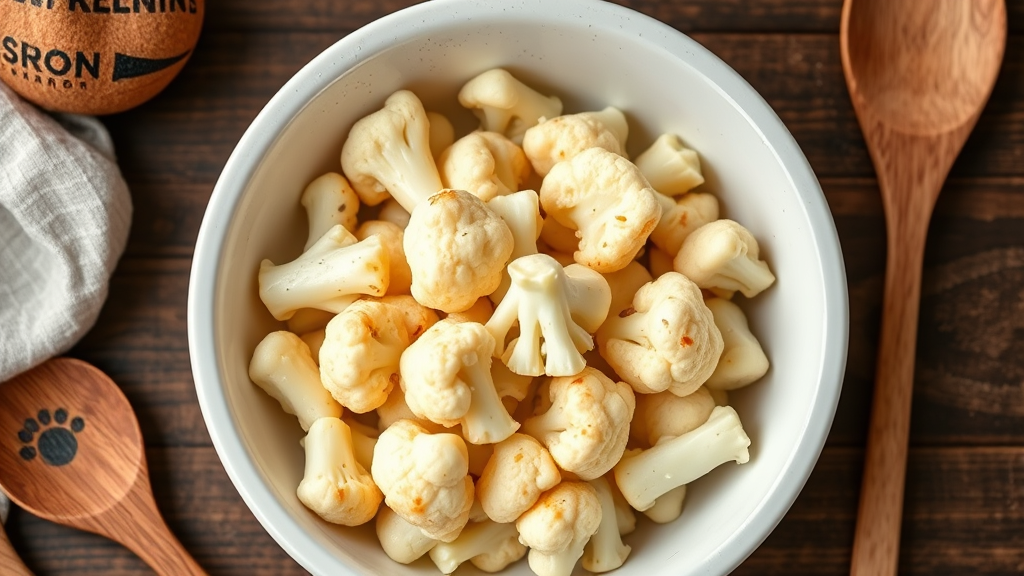
Proper preparation is essential when serving cauliflower to your dog. Always start by thoroughly washing the cauliflower head under cold running water to remove any dirt, pesticides, or bacteria. Remove the leaves and cut away the tough stem, as these parts can be difficult for dogs to digest and may pose a choking hazard.
Cut the cauliflower into small, bite-sized pieces appropriate for your dog’s size. Large pieces can become choking hazards, especially for smaller breeds. Never season the cauliflower with salt, garlic, onions, or other spices that can be toxic to dogs. Plain, unseasoned cauliflower is the safest option for your pet.
According to the American Kennel Club, cooking cauliflower before serving it to your dog can make it easier to digest and reduce the risk of gastrointestinal upset. Raw cauliflower is safe for dogs but may be harder on their digestive system, particularly for dogs with sensitive stomachs.
Serving Size Guidelines and Frequency
When introducing cauliflower to your dog’s diet, start with small amounts to gauge their reaction. For small dogs (under 20 pounds), offer 1-2 small florets. Medium dogs (20-50 pounds) can have 2-4 florets, while large dogs (over 50 pounds) can safely consume 4-6 florets at a time.
Cauliflower should only make up about 10% of your dog’s daily caloric intake, following the general rule for treats and snacks. This means cauliflower should be given as an occasional treat rather than a regular part of their diet. Too much cauliflower can lead to digestive issues and may interfere with the nutritional balance of your dog’s regular food.
The frequency of serving cauliflower should be limited to 2-3 times per week at most. This allows your dog to enjoy the benefits without overwhelming their digestive system. Always monitor your dog after introducing any new food, including cauliflower, and watch for signs of digestive upset or allergic reactions.
Potential Risks and Side Effects
While cauliflower is generally safe for dogs, there are some potential risks to be aware of. The most common side effect is gastrointestinal upset, which can manifest as gas, bloating, diarrhea, or stomach discomfort. This is particularly true if your dog consumes too much cauliflower or if they have a sensitive digestive system.
Cauliflower belongs to the cruciferous vegetable family, which can cause increased gas production due to their high fiber content and certain compounds called raffinoses. Some dogs may be more sensitive to these effects than others. If your dog experiences excessive gas or digestive discomfort after eating cauliflower, it’s best to discontinue feeding it to them.
Dogs with certain health conditions should avoid cauliflower or consume it only under veterinary supervision. Those with kidney problems may need to limit their intake due to the vegetable’s oxalate content. Additionally, dogs taking blood-thinning medications should be monitored closely due to cauliflower’s vitamin K content, which can affect blood clotting.
The ASPCA Animal Poison Control Center notes that while cauliflower itself is not toxic to dogs, improper preparation or seasoning can make it dangerous. Always serve plain, unseasoned cauliflower to ensure your dog’s safety.

Best Cooking Methods for Dogs
Steaming is considered the best cooking method for preparing cauliflower for dogs. This gentle cooking process preserves most of the vegetable’s nutrients while making it easier to digest. Steam the cauliflower florets for 5-8 minutes until they’re tender but not mushy. Allow them to cool completely before serving to your dog.
Boiling is another safe option, though it may result in some nutrient loss. If you choose to boil cauliflower, use minimal water and cook for just 3-5 minutes. Avoid adding any salt or seasonings to the water. Some pet owners prefer to save the cooking water (once cooled) to add moisture to their dog’s dry kibble, as it contains some of the leached nutrients.
Roasting cauliflower can be done safely for dogs, but avoid using oils, butter, or seasonings. Simply place the florets on a baking sheet and roast at 400°F for 15-20 minutes until tender. This method can make the cauliflower more appealing to some dogs due to the slightly caramelized flavor that develops during roasting.
Avoid frying, sautéing with oils, or using any cooking methods that involve added fats or seasonings. These preparation methods can upset your dog’s stomach and add unnecessary calories to their diet.
Healthy Vegetable Alternatives
If your dog doesn’t tolerate cauliflower well or you’re looking for variety in their vegetable treats, there are several healthy alternatives to consider. Broccoli is closely related to cauliflower and offers similar nutritional benefits, though it should also be given in moderation due to its potential to cause gas.
Carrots are an excellent low-calorie option that many dogs enjoy. They’re rich in beta-carotene and can help maintain dental health when given raw. Cucumbers provide hydration and are extremely low in calories, making them perfect for overweight dogs.
Green beans are another fantastic vegetable option that’s high in fiber and low in calories. They can be served raw, steamed, or boiled without any seasonings. Sweet potatoes, when cooked and served plain, provide vitamins A and C along with beneficial fiber.
For dogs who enjoy grains, rice can be a gentle, easily digestible option. However, always research before introducing new foods, as some items like mushrooms can be problematic, and others like corn may cause digestive issues in some dogs.
According to veterinary nutritionists, variety in treats can help ensure your dog receives different nutrients while keeping them interested in healthy options.
Frequently Asked Questions
Can puppies eat cauliflower?
Puppies can eat small amounts of cooked cauliflower after they’re weaned and eating solid food, typically around 8-12 weeks old. However, their digestive systems are more sensitive than adult dogs, so introduce cauliflower very gradually and in tiny amounts. Always consult with your veterinarian before adding new foods to a puppy’s diet, as their nutritional needs are specific during this crucial growth period.
Is raw cauliflower better than cooked for dogs?
Cooked cauliflower is generally better for dogs because it’s easier to digest and less likely to cause gastrointestinal upset. While raw cauliflower retains more nutrients, the cooking process breaks down the tough fibers, making it gentler on your dog’s digestive system. If you choose to serve raw cauliflower, cut it into very small pieces and start with tiny amounts.
How much cauliflower can I give my dog daily?
Cauliflower should make up no more than 10% of your dog’s daily caloric intake. For most dogs, this translates to 1-6 florets depending on their size, and it should only be given 2-3 times per week maximum. Small dogs should get 1-2 florets, medium dogs 2-4 florets, and large dogs can have 4-6 florets per serving.
What should I do if my dog ate too much cauliflower?
If your dog consumed excessive amounts of cauliflower, monitor them closely for signs of digestive upset such as vomiting, diarrhea, excessive gas, or stomach discomfort. Provide fresh water and withhold food for 12-24 hours to allow their digestive system to settle. If symptoms persist or worsen, contact your veterinarian immediately.
Can dogs with sensitive stomachs eat cauliflower?
Dogs with sensitive stomachs should approach cauliflower with extra caution. Start with very small amounts of well-cooked cauliflower and monitor for any adverse reactions. If your dog has a history of digestive issues, consult with your veterinarian before introducing cauliflower or any new food to their diet.
Are cauliflower leaves and stems safe for dogs?
Cauliflower leaves and stems should be avoided as they are tougher to digest and can pose choking hazards. The stems are particularly hard and fibrous, which can cause intestinal blockage in smaller dogs. Stick to the florets only, and always remove all leaves and tough stem portions before serving.
Can cauliflower replace regular dog treats?
While cauliflower can be a healthy occasional treat, it shouldn’t completely replace regular dog treats or their balanced diet. Commercial dog treats are formulated to meet specific nutritional needs, and cauliflower alone doesn’t provide the complete nutrition dogs require. Use cauliflower as a low-calorie supplement to, not a replacement for, a well-balanced canine diet approved by FDA guidelines.





