
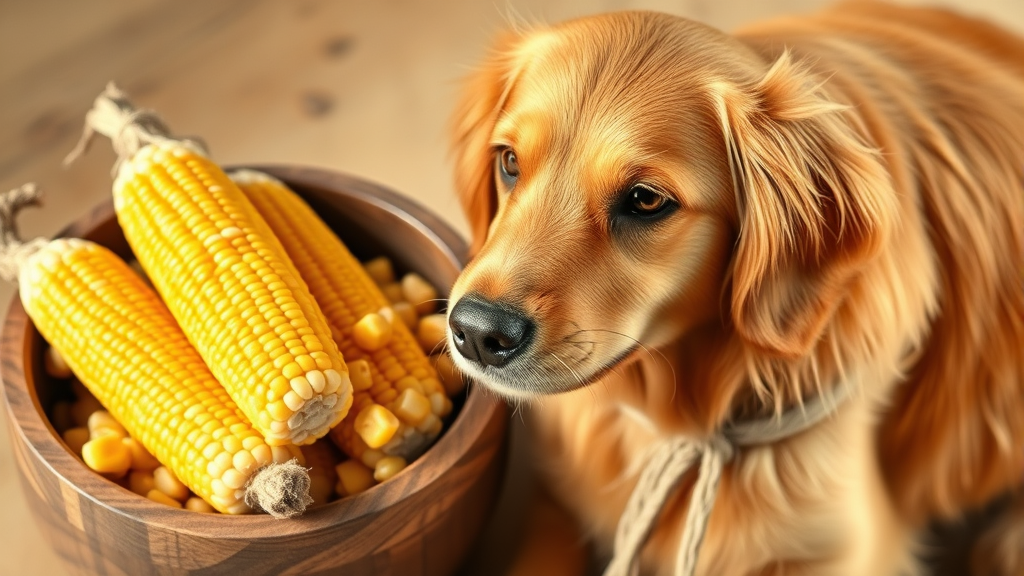
As a dog owner, you’ve probably found yourself wondering about the safety of various human foods for your furry companion. One common question that arises, especially during summer barbecues and family dinners, is whether dogs can safely eat corn. This golden grain is a staple in many households, appearing on dinner plates in various forms from corn on the cob to kernels mixed into salads.
The good news is that corn can be a safe and even beneficial treat for most dogs when prepared and served properly. However, like many human foods, there are important considerations and potential risks that every dog owner should understand before sharing this popular grain with their pet. Understanding the nutritional value, proper preparation methods, and potential hazards will help you make informed decisions about including corn in your dog’s diet.
Nutritional Benefits of Corn for Dogs
Corn offers several nutritional benefits that can complement your dog’s regular diet when served appropriately. This whole grain is rich in carbohydrates, providing a good source of energy for active dogs. It contains essential vitamins including vitamin C, which supports immune function, and B vitamins that aid in metabolism and nervous system health.
The grain also provides dietary fiber, which can support healthy digestion in dogs. Fiber helps maintain regular bowel movements and can contribute to feelings of fullness, making it potentially beneficial for dogs that need weight management. Additionally, corn contains antioxidants like beta-carotene and lutein, which support eye health and may help protect against cellular damage.
Corn is naturally low in fat and contains some protein, though it shouldn’t be considered a primary protein source for dogs. The American Kennel Club notes that while corn isn’t toxic to dogs, it should only be given as an occasional treat rather than a dietary staple. Many commercial dog foods actually include corn as an ingredient, demonstrating its general safety for canine consumption.
Safety Considerations and Preparation
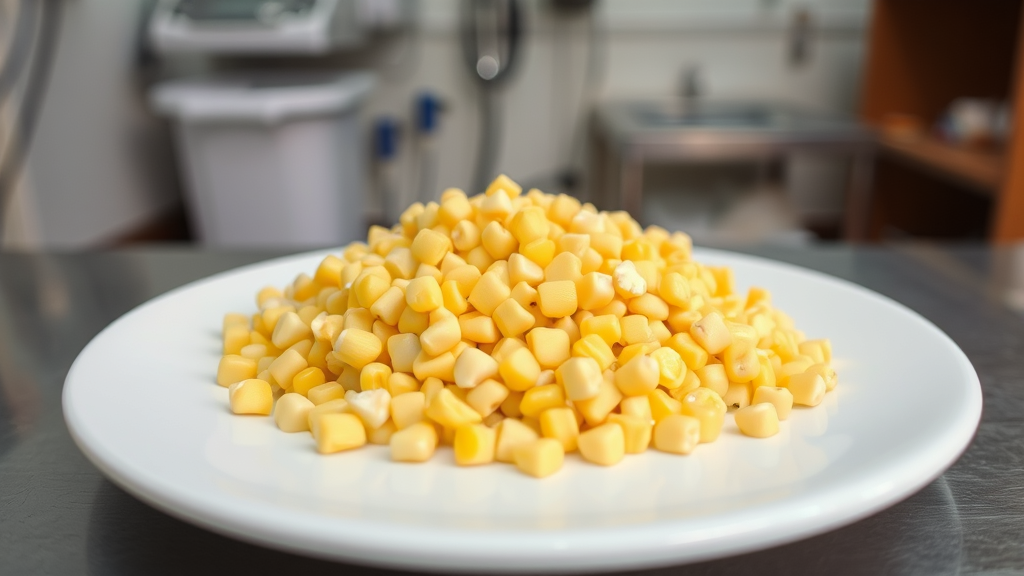
When considering can dogs eat corn, proper preparation is crucial for your pet’s safety. The most important rule is to only serve corn kernels that have been completely removed from the cob. Corn on the cob poses a significant choking hazard and can cause intestinal blockage if swallowed, making it one of the most dangerous ways to serve corn to dogs.
Fresh corn should be cooked without any seasonings, butter, salt, or other additives that could be harmful to dogs. Plain steamed or boiled corn kernels are the safest preparation method. Avoid canned corn that contains added salt or preservatives, as these can be problematic for dogs with sensitive digestive systems or those on restricted diets.
Always allow cooked corn to cool completely before offering it to your dog. Hot food can burn your pet’s mouth and throat, causing unnecessary pain and potential injury. Start with small amounts to gauge your dog’s tolerance, as some dogs may have sensitive stomachs or allergies to corn.
Potential Risks and Hazards
While corn itself is generally safe for dogs, there are several risks and hazards that pet owners must be aware of. The corn cob represents the most significant danger, as it can cause choking, dental damage, or serious intestinal blockage requiring emergency surgery. Even small pieces of cob should never be given to dogs of any size.
Some dogs may experience digestive upset when eating corn, particularly if they consume large quantities or have sensitive stomachs. Symptoms can include diarrhea, vomiting, or gas. Dogs with known food allergies or grain sensitivities should avoid corn entirely, as it can trigger allergic reactions ranging from skin irritation to more severe symptoms.
Corn kernels can also pose a choking risk for very small dogs or puppies, so supervision during feeding is essential. Additionally, the high carbohydrate content in corn means it should be limited for overweight dogs or those with diabetes, as it can contribute to weight gain and blood sugar spikes.
Proper Serving Guidelines
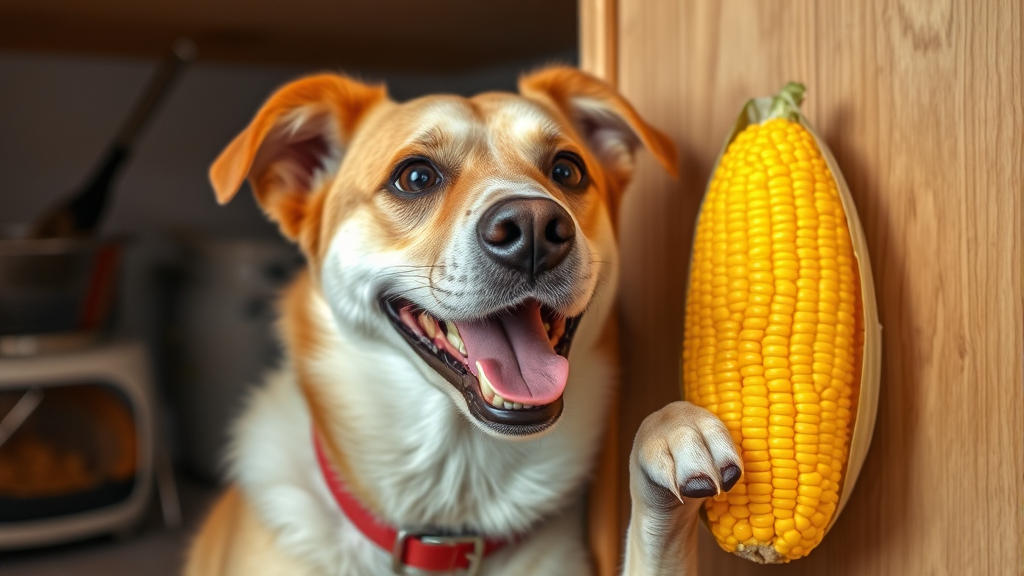
When introducing corn to your dog’s diet, moderation is key. Treats, including corn, should never exceed 10% of your dog’s daily caloric intake. For most dogs, this means just a few kernels or a small spoonful of corn is sufficient as an occasional treat.
The serving size should be adjusted based on your dog’s size, with larger dogs able to handle slightly more corn than smaller breeds. A good rule of thumb is to start with just a few kernels for small dogs (under 20 pounds) and up to a tablespoon for larger dogs (over 50 pounds). Always monitor your dog after introducing any new food to watch for adverse reactions.
Frequency is equally important – corn should be offered no more than once or twice per week as a special treat. Regular feeding of corn or any human food can lead to nutritional imbalances and may cause your dog to become picky about their regular, nutritionally complete dog food. The American Veterinary Medical Association emphasizes the importance of maintaining a balanced diet primarily composed of high-quality commercial dog food.
Healthy Alternatives to Corn
If you’re looking for healthy vegetable alternatives to corn that are safe for dogs, there are several excellent options to consider. Are carrots good for dogs is a common question, and the answer is yes – carrots are an excellent low-calorie treat that provides beta-carotene and fiber while helping clean teeth.
Can dogs eat broccoli is another frequently asked question. Broccoli florets can be a nutritious treat when served in small quantities, providing vitamins C and K along with fiber. Similarly, can dogs eat cauliflower has a positive answer – this cruciferous vegetable is safe and nutritious for dogs when cooked and served plain.
For dogs who enjoy grains, can dogs eat rice is an excellent alternative. Plain cooked rice is easily digestible and often recommended by veterinarians for dogs with upset stomachs. Green beans, sweet potatoes, and pumpkin are other safe, nutritious alternatives that many dogs enjoy.
It’s important to note that not all human foods are safe for dogs. Can dogs eat onions has a definitive no answer, as onions are toxic to dogs and can cause serious health problems including anemia.
When to Avoid Giving Corn to Dogs
There are specific situations when corn should be completely avoided for your dog’s safety and health. Dogs with known grain allergies or corn sensitivities should never be given corn in any form. Signs of food allergies in dogs can include itching, skin rashes, ear infections, digestive upset, or changes in behavior.
Diabetic dogs should avoid corn due to its high carbohydrate content, which can cause dangerous spikes in blood sugar levels. Similarly, overweight dogs should have corn limited or eliminated from their diet as part of a weight management program, as the extra calories can hinder weight loss efforts.
Puppies under four months old should not be given corn, as their digestive systems are still developing and may not handle new foods well. Senior dogs with compromised digestive systems may also need to avoid corn if it causes gastrointestinal upset.
According to the FDA’s Center for Veterinary Medicine, any dog with a history of pancreatitis, inflammatory bowel disease, or other digestive disorders should have dietary changes approved by a veterinarian before introducing new foods like corn.
Frequently Asked Questions
Can dogs eat corn on the cob?
No, dogs should never eat corn on the cob. The cob poses serious risks including choking, dental damage, and intestinal blockage that may require emergency surgery. Always remove all kernels from the cob before offering corn to your dog, and dispose of cobs where your pet cannot access them.
How much corn can I give my dog?
Corn should only be given as an occasional treat, comprising no more than 10% of your dog’s daily caloric intake. For small dogs, this means just a few kernels, while larger dogs can have up to a tablespoon. Start with smaller amounts to test your dog’s tolerance and never make corn a regular part of their diet.
Is canned corn safe for dogs?
Plain canned corn without added salt, preservatives, or seasonings can be safe for dogs in small quantities. However, many canned corn products contain high levels of sodium and other additives that aren’t healthy for dogs. Fresh corn that you cook yourself is always the safer option.
Can corn cause allergies in dogs?
Yes, some dogs can develop allergies to corn, though it’s less common than allergies to proteins like beef or chicken. Signs of corn allergy may include itching, skin irritation, digestive upset, ear infections, or respiratory symptoms. If you suspect your dog has a corn allergy, consult with your veterinarian.
What should I do if my dog ate corn on the cob?
If your dog has eaten corn on the cob, contact your veterinarian immediately or call an emergency animal hospital. Watch for signs of distress including vomiting, loss of appetite, lethargy, difficulty defecating, or abdominal pain. Corn cob ingestion often requires immediate medical intervention to prevent serious complications.
Is corn in commercial dog food safe?
Yes, corn that appears in high-quality commercial dog foods is generally safe and properly processed for canine consumption. Pet food manufacturers use corn as a carbohydrate source and have tested it extensively for safety. However, dogs with corn allergies should choose grain-free formulas recommended by their veterinarian.
Can puppies eat corn?
Puppies under four months old should not eat corn, as their digestive systems are still developing. Older puppies can have small amounts of properly prepared corn kernels as an occasional treat, but their primary nutrition should come from puppy-specific food. Always consult your veterinarian before introducing new foods to puppies.





