

As a dog owner, you’ve probably wondered whether it’s safe to share a splash of milk with your furry companion. The question “can dogs have milk” is one of the most common dietary concerns among pet parents. While the image of a happy dog lapping up a bowl of milk might seem heartwarming, the reality is more complex than you might expect.
The relationship between dogs and dairy products is nuanced, involving factors like lactose tolerance, individual sensitivities, and potential health implications. Understanding these factors is crucial for making informed decisions about your dog’s diet and ensuring their long-term health and wellbeing.
Understanding Lactose Intolerance in Dogs
Most adult dogs are lactose intolerant, meaning they lack sufficient amounts of the enzyme lactase needed to properly digest lactose, the primary sugar found in milk. This condition develops naturally as dogs mature, since lactase production typically decreases after weaning. Unlike humans, who may retain lactase production into adulthood, dogs generally lose this ability as part of their normal developmental process.
Lactose intolerance in dogs occurs because undigested lactose passes through the small intestine into the colon, where it ferments and draws water into the intestinal tract. This process can lead to various digestive issues and discomfort. The severity of lactose intolerance varies among individual dogs, with some showing mild symptoms while others experience more severe reactions.
Puppies, on the other hand, are born with higher levels of lactase to digest their mother’s milk. However, as they transition to solid food, their lactase production naturally declines. This evolutionary adaptation makes sense, as wild canines would not typically consume milk after weaning.
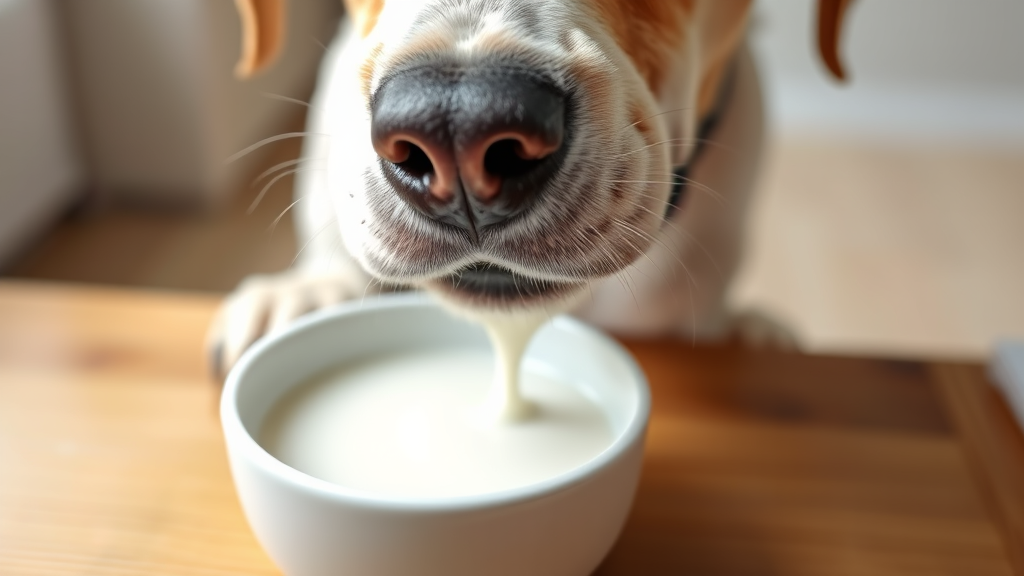
Different Types of Milk and Their Effects
Not all milk products are created equal when it comes to dogs. Cow’s milk, the most common type found in households, contains the highest levels of lactose and is most likely to cause digestive upset. Goat’s milk, while still containing lactose, has a different protein structure and may be slightly easier for some dogs to digest, though it’s not necessarily safe for all dogs.
Plant-based milk alternatives like almond, soy, or oat milk present their own concerns. While they don’t contain lactose, they often include additives, sweeteners, or ingredients that could be harmful to dogs. For instance, some almond milk contains xylitol, an artificial sweetener that is toxic to dogs. Similarly, coconut milk, while lactose-free, is high in fat and could potentially cause pancreatitis in sensitive dogs.
Raw milk, sometimes touted as a healthier alternative, poses additional risks including bacterial contamination with pathogens like Salmonella or E. coli. The FDA warns against raw milk consumption for both humans and pets due to these safety concerns.
Signs Your Dog Can’t Tolerate Milk
Recognizing the symptoms of lactose intolerance in dogs is essential for pet owners who may have given their dogs milk. The most common signs include diarrhea, which can range from mild to severe, and may occur within a few hours of milk consumption. Vomiting is another frequent symptom, often accompanied by obvious discomfort.
Additional symptoms include excessive gas, bloating, and abdominal pain, which may manifest as restlessness or reluctance to move. Some dogs may also experience loss of appetite or show signs of dehydration if diarrhea is severe. In rare cases, dogs might develop more serious complications requiring immediate veterinary attention.
The timeline for symptom onset can vary, with some dogs showing immediate reactions while others may not display symptoms for several hours. The severity of symptoms often correlates with the amount of milk consumed and the individual dog’s level of lactose intolerance.
Safe Dairy Alternatives for Dogs
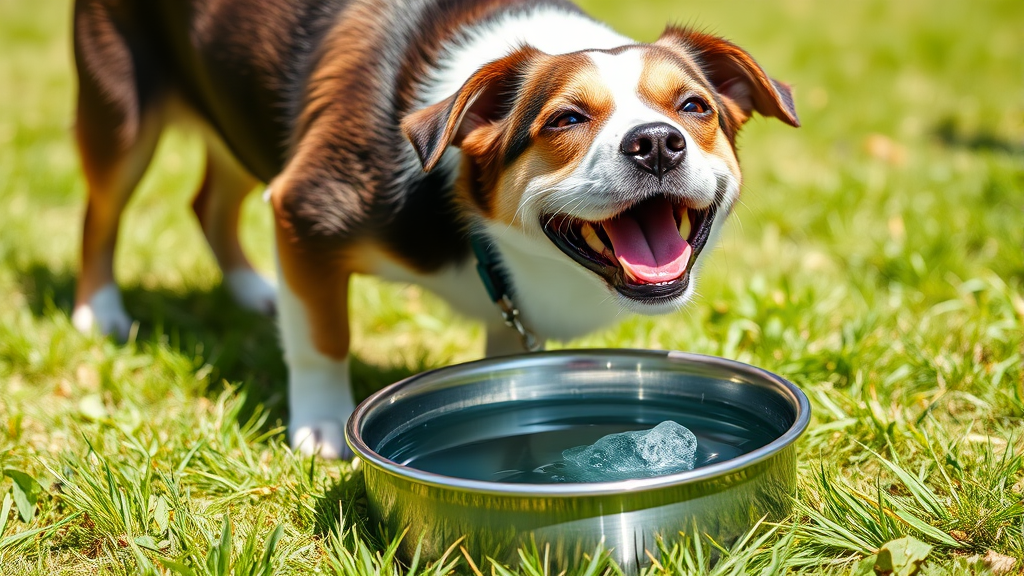
If you want to give your dog a special treat that resembles milk, several safer alternatives exist. Plain water should always be the primary beverage for dogs, but occasional treats can include small amounts of lactose-free milk specifically designed for pets. These products are available at many pet stores and are formulated to be safe for dogs.
Bone broth, when made without harmful seasonings like onion or garlic, can provide a flavorful liquid treat that many dogs enjoy. Ensure any bone broth is low in sodium and free from artificial additives. Fresh, clean water with a small amount of low-sodium chicken broth can also create an appealing drink for special occasions.
For dogs who enjoy dairy-like treats, consider cheese in very small quantities, as aged cheeses typically contain less lactose than milk. However, cheese should only be given sparingly due to its high fat and sodium content. Always choose plain varieties without added herbs, spices, or artificial ingredients.
When Small Amounts Might Be Okay
While most dogs should avoid milk, some individual dogs may tolerate very small amounts without experiencing adverse effects. This tolerance varies significantly among dogs and can depend on factors such as size, age, overall health, and individual digestive sensitivity. However, even if your dog seems to tolerate small amounts of milk, it’s important to understand that this doesn’t make it a healthy or necessary addition to their diet.
If you choose to offer milk as an occasional treat, start with just a small teaspoon and monitor your dog carefully for any signs of digestive upset over the next 24 hours. Never make milk a regular part of your dog’s diet, as it provides no essential nutrients that aren’t better obtained from high-quality dog food and fresh water.
Remember that dogs have different dietary needs than humans, and their digestive systems are optimized for processing meat-based proteins rather than dairy products. Rice and other easily digestible carbohydrates are much better options for dogs with sensitive stomachs than dairy products.
Consulting Your Veterinarian
Before introducing any new food or beverage to your dog’s diet, including milk, it’s always wise to consult with your veterinarian. They can provide personalized advice based on your dog’s specific health status, age, breed, and any existing medical conditions. Some dogs with certain health issues, such as pancreatitis or inflammatory bowel disease, should strictly avoid dairy products.
Your veterinarian can also help you understand the signs of food intolerance versus food allergies, which present differently and require different management approaches. They may recommend specific dietary modifications or suggest safer treat alternatives that align with your dog’s nutritional needs.
The American Veterinary Medical Association emphasizes the importance of maintaining a balanced diet for dogs, with treats comprising no more than 10% of their daily caloric intake. This guideline applies to all treats, including any dairy products you might consider offering.
Frequently Asked Questions
Can puppies drink milk?
Puppies should only drink their mother’s milk or specially formulated puppy milk replacer. Cow’s milk is not appropriate for puppies and can cause digestive upset. If you need to bottle-feed a puppy, use commercial puppy milk replacer available at pet stores, never cow’s milk or other dairy products.
What should I do if my dog accidentally drinks a lot of milk?
If your dog consumes a large amount of milk, monitor them closely for signs of digestive upset including diarrhea, vomiting, or excessive gas. Ensure they have access to fresh water to prevent dehydration. If symptoms are severe or persist for more than 24 hours, contact your veterinarian immediately.
Are there any dogs that can safely drink milk regularly?
While some individual dogs may show better tolerance to small amounts of milk, no dogs should drink milk regularly as part of their diet. Even dogs that don’t show immediate symptoms may experience long-term digestive issues or nutritional imbalances from regular milk consumption.
Is goat milk better for dogs than cow milk?
Goat milk may be slightly easier for some dogs to digest due to its different protein structure, but it still contains lactose and can cause similar digestive issues. It’s not necessarily safer than cow’s milk and should still be avoided or given only in very small amounts if at all.
Can lactose-free milk be given to dogs?
Lactose-free milk eliminates the lactose intolerance issue but may still contain other ingredients that aren’t ideal for dogs, such as added sugars or preservatives. While less likely to cause immediate digestive upset, it’s still not a necessary or particularly beneficial addition to a dog’s diet.
What are the best liquid treats for dogs?
The best liquid treats for dogs include fresh water, low-sodium bone broth (without onion or garlic), and specially formulated pet milk products. These options provide hydration and flavor without the digestive risks associated with regular dairy milk.
How can I tell if my dog is lactose intolerant?
Signs of lactose intolerance in dogs include diarrhea, vomiting, excessive gas, bloating, and abdominal discomfort occurring within hours of consuming dairy products. If you notice these symptoms after your dog has consumed milk or other dairy products, they are likely lactose intolerant and should avoid dairy in the future.





