
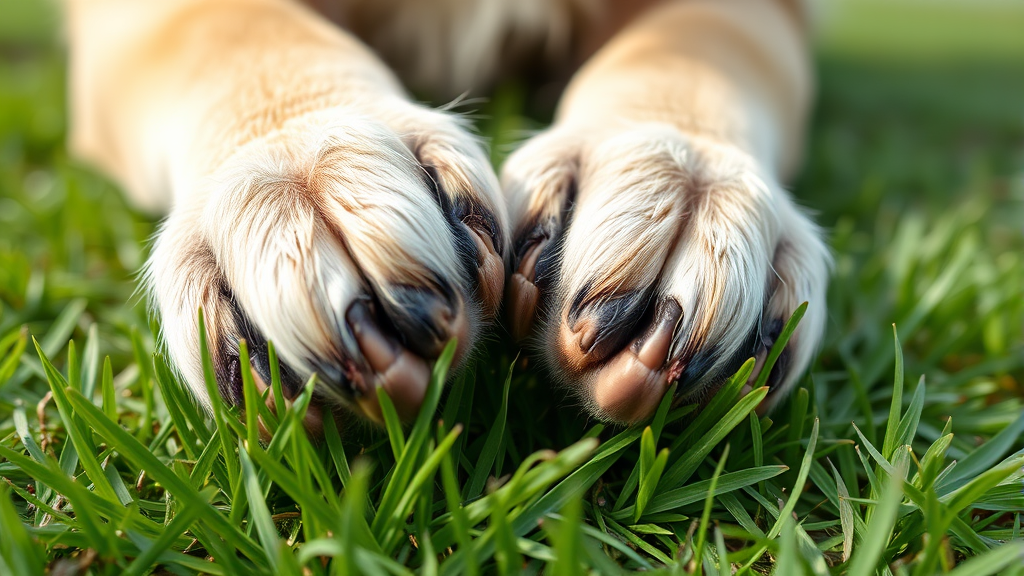
If you’ve noticed your furry companion frequently licking their paws, you’re not alone in wondering about this common canine behavior. Paw licking is one of the most frequent concerns dog owners bring to veterinarians, and while occasional grooming is perfectly normal, excessive paw licking can indicate underlying issues that need attention.
Understanding the reasons behind this behavior is crucial for maintaining your dog’s health and comfort. From simple grooming habits to more complex medical conditions, paw licking can stem from various causes ranging from allergies and infections to anxiety and boredom. By learning to identify the signs and implement appropriate solutions, you can help your four-legged friend find relief and prevent potential complications.
Normal vs. Excessive Paw Licking
Dogs naturally groom themselves, including licking their paws as part of their daily hygiene routine. This normal behavior typically occurs briefly after walks, meals, or before settling down for rest. However, it becomes concerning when the licking is persistent, focused on specific areas, or accompanied by other symptoms.
Excessive paw licking is characterized by continuous attention to one or more paws, often resulting in visible changes to the skin or fur. You might notice red, irritated skin, hair loss, swelling, or even open wounds. The behavior may also be accompanied by whining, limping, or reluctance to walk on certain surfaces.
Pay attention to the frequency and duration of the licking sessions. If your dog spends more than a few minutes at a time licking their paws, or if the behavior occurs multiple times throughout the day, it’s time to investigate the underlying cause.
Common Causes of Paw Licking
Several factors can trigger excessive paw licking in dogs, and identifying the root cause is essential for effective treatment. The most common culprits include allergies, which can be environmental (like pollen, dust mites, or grass) or food-related. These allergic reactions often cause itching and irritation that dogs attempt to relieve through licking.
Injuries are another frequent cause, ranging from minor cuts and scrapes to embedded foreign objects like thorns, splinters, or small stones. Even something as simple as a broken nail or a small cut from rough terrain can trigger persistent licking as your dog tries to clean and soothe the area.
Parasites such as fleas, ticks, or mites can also cause intense itching that leads to excessive paw licking. These tiny invaders can be difficult to spot but cause significant discomfort for your pet. Additionally, bacterial or fungal infections, particularly yeast infections between the toes, create an environment that encourages continued licking and can worsen the condition.
Medical Conditions That Cause Paw Licking
Various medical conditions can manifest as excessive paw licking, making professional diagnosis important for proper treatment. Dermatitis, or skin inflammation, can result from contact with irritants like certain cleaning products, salt used for de-icing roads, or specific plants. This condition causes redness, swelling, and discomfort that dogs instinctively try to alleviate through licking.
Autoimmune disorders, though less common, can also affect paw health. Conditions like pemphigus or lupus can cause blistering, sores, or chronic inflammation of the paw pads and surrounding skin. These conditions require specialized veterinary care and often long-term management strategies.
Arthritis and joint pain in older dogs may also contribute to paw licking behavior. When dogs experience discomfort in their joints, they may lick the affected area in an attempt to self-soothe. This is particularly common in senior dogs or breeds predisposed to joint issues. Similarly to how some dogs may exhibit unusual behaviors like why do dogs eat poop, paw licking can sometimes be a response to physical discomfort or underlying health issues.
Environmental and Behavioral Factors
Environmental factors play a significant role in paw licking behavior. Seasonal changes can trigger allergic reactions to pollens, molds, or other airborne allergens. Winter conditions present their own challenges, as road salt, ice melt chemicals, and cold temperatures can irritate sensitive paw pads, leading to excessive licking.
Behavioral causes shouldn’t be overlooked, as anxiety, stress, and boredom can manifest as compulsive paw licking. Dogs experiencing separation anxiety, changes in routine, or lack of mental stimulation may develop this behavior as a coping mechanism. Just as stress can cause other behavioral changes like why is my dog shaking, anxiety can also trigger repetitive behaviors like paw licking.
The type of surfaces your dog walks on regularly can also contribute to paw irritation. Hot pavement, rough concrete, or chemically treated lawns can cause minor injuries or irritation that leads to licking. Even indoor factors like certain carpet cleaners or floor treatments can trigger allergic reactions in sensitive dogs.
When to See a Veterinarian
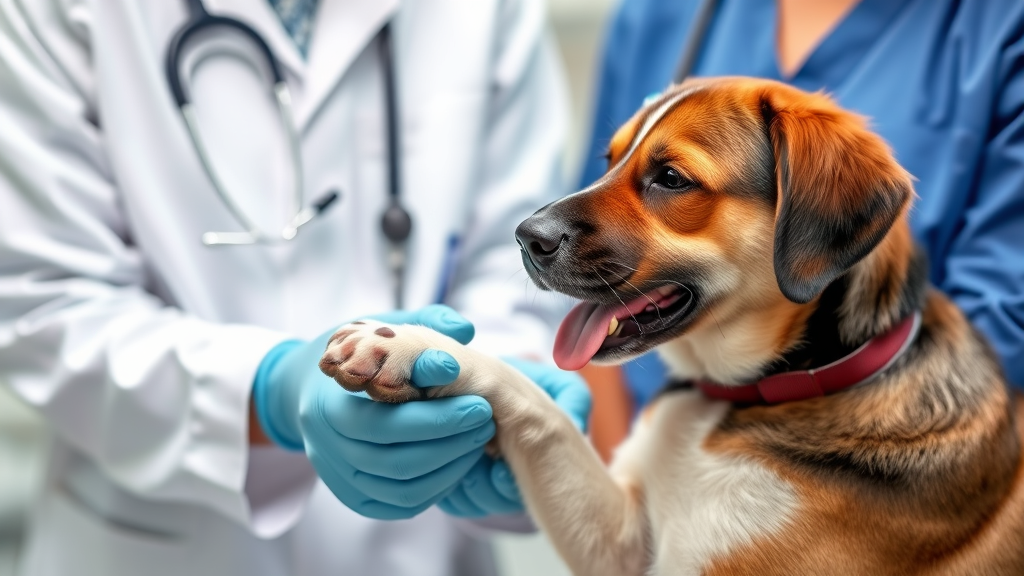
Knowing when to seek professional help is crucial for your dog’s health and comfort. Schedule a veterinary appointment if the paw licking persists for more than a few days, especially if you notice any visible changes to the paws such as redness, swelling, discharge, or open wounds.
Immediate veterinary attention is necessary if your dog shows signs of pain, limps significantly, or if you suspect a foreign object is embedded in the paw. Other red flags include foul odors coming from the paws, excessive swelling, or if your dog becomes aggressive or overly protective of their paws when you try to examine them.
The American Veterinary Medical Association emphasizes the importance of regular paw examinations as part of routine pet care. If the licking behavior is accompanied by other symptoms like changes in appetite, lethargy, or other unusual behaviors, these could indicate a more serious underlying condition requiring professional evaluation.
Home Remedies and Prevention
While professional veterinary care is essential for serious conditions, several home remedies and preventive measures can help manage mild paw licking and maintain paw health. Regular paw cleaning after walks, especially during winter months when salt and chemicals are present on roads, can prevent irritation and infection.
Gentle cleaning with warm water and mild soap can remove allergens and irritants. For dogs with environmental allergies, wiping paws with unscented baby wipes or a damp cloth after outdoor activities can significantly reduce exposure to triggering substances.
Keeping your dog’s nails trimmed and paw hair neat can prevent trapped debris and reduce moisture retention between toes, which can lead to bacterial or fungal growth. However, be cautious with home treatments, and just as you would research how much benadryl can i give my dog before administering medication, always consult with your veterinarian before trying new remedies.
Providing adequate mental and physical stimulation can help address behavioral causes of paw licking. Interactive toys, puzzle feeders, and regular exercise can reduce boredom and anxiety that may contribute to compulsive behaviors. Creating a consistent routine and maintaining a calm environment can also help anxious dogs.
Professional Treatment Options
Veterinary treatment for excessive paw licking varies depending on the underlying cause. For allergic reactions, your veterinarian may prescribe antihistamines, corticosteroids, or recommend allergy testing to identify specific triggers. In cases of environmental allergies, immunotherapy or hypoallergenic diets might be suggested.
Bacterial or fungal infections typically require prescription medications, including topical or oral antibiotics or antifungal treatments. Your veterinarian may also recommend medicated shampoos or soaks to help manage the condition and prevent recurrence.
For behavioral causes, treatment may involve behavior modification techniques, environmental enrichment, or in severe cases, anti-anxiety medications. Working with a certified animal behaviorist can be beneficial for dogs with compulsive licking disorders.
The American Kennel Club notes that treatment success often depends on identifying and addressing the root cause rather than just treating the symptoms. This may require patience and multiple approaches, particularly for complex cases involving multiple contributing factors.
Frequently Asked Questions
How can I tell if my dog’s paw licking is normal or excessive?
Normal paw licking is brief and occasional, typically lasting just a few minutes as part of regular grooming. Excessive licking is persistent, focused on specific areas, and may result in visible changes like redness, hair loss, or wounds. If your dog licks their paws multiple times daily or for extended periods, it’s likely excessive and warrants investigation.
Can diet affect my dog’s paw licking behavior?
Yes, food allergies can definitely contribute to paw licking. Common allergens include beef, chicken, dairy, wheat, and soy. If you suspect food allergies, work with your veterinarian to conduct an elimination diet or allergy testing. Additionally, be cautious about what your dog might encounter outdoors, such as can dogs eat mushrooms they find while exploring, as some environmental factors can trigger allergic reactions.
Are certain dog breeds more prone to paw licking?
Some breeds are more susceptible to conditions that cause paw licking, including Golden Retrievers, Labrador Retrievers, Bulldogs, and breeds with allergies or skin sensitivities. Dogs with webbed feet or thick coat between their toes may also be more prone to moisture-related issues that can trigger licking behavior.
What should I do if I find a foreign object in my dog’s paw?
If you can see a small object like a thorn or splinter and it’s not deeply embedded, you may carefully remove it with clean tweezers. However, for deeply embedded objects, glass, or if you’re unsure, seek immediate veterinary care. Never attempt to remove objects that could cause more damage or push deeper into the paw.
Can I use human medications to treat my dog’s paw irritation?
Never use human medications without veterinary approval, as many are toxic to dogs. Some human products like certain antihistamines may be safe in specific doses, but always consult your veterinarian first. Stick to dog-specific products or those explicitly approved by your vet for your pet’s safety.
How long does it typically take for paw licking to resolve with treatment?
Resolution time varies greatly depending on the underlying cause. Simple irritations may resolve within a few days to a week with proper care, while allergies or infections may take several weeks of treatment. Behavioral causes often require longer-term management and may take months to fully address with consistent training and environmental modifications.
Should I use an Elizabethan collar to stop my dog from licking?
E-collars can be helpful as a temporary measure to prevent further damage while treating the underlying cause, but they shouldn’t be the only solution. According to the Humane Society, addressing the root cause is essential for long-term success. Use protective measures in conjunction with appropriate treatment, and ensure your dog can still eat, drink, and rest comfortably while wearing any protective device.





