

As autumn arrives and pumpkins become a staple in our seasonal decorations and recipes, many dog owners find themselves wondering about sharing these nutritious orange gourds with their furry companions. While pumpkin flesh is well-known for its digestive benefits for dogs, the seeds often get overlooked or thrown away. However, these small, crunchy morsels pack a powerful nutritional punch that can benefit your pup in numerous ways.
Pumpkin seeds, also known as pepitas, are not only safe for dogs to consume but can actually provide significant health benefits when prepared and served correctly. From supporting urinary tract health to providing essential nutrients, these humble seeds deserve a place in your dog’s balanced diet. Understanding how to properly prepare and serve pumpkin seeds to your canine companion will help you unlock their full potential as a healthy, natural treat.
Nutritional Benefits of Pumpkin Seeds for Dogs
Pumpkin seeds are nutritional powerhouses that offer dogs a wide array of essential vitamins, minerals, and beneficial compounds. These small seeds contain high levels of zinc, which plays a crucial role in immune system function, skin health, and wound healing. Additionally, they’re rich in magnesium, supporting bone health and muscle function, making them particularly beneficial for active dogs or senior pets experiencing joint issues.
The seeds also provide substantial amounts of iron, supporting healthy blood circulation and preventing anemia, along with phosphorus for strong bones and teeth. Healthy fats, including omega-3 and omega-6 fatty acids, contribute to a shiny coat and healthy skin while supporting brain function and reducing inflammation throughout the body.
Protein content in pumpkin seeds makes them an excellent supplementary protein source, containing all essential amino acids dogs need for muscle maintenance and growth. The fiber content aids in digestive health, promoting regular bowel movements and supporting beneficial gut bacteria, similar to how carrots benefit dogs with their digestive properties.

Health Advantages and Medical Benefits
One of the most significant health benefits of pumpkin seeds for dogs is their positive impact on urinary tract health. The seeds contain compounds that may help prevent urinary tract infections and support overall bladder health. This is particularly beneficial for dogs prone to UTIs or those with a history of urinary issues.
The anti-inflammatory properties found in pumpkin seeds can help reduce inflammation throughout your dog’s body, potentially alleviating symptoms of arthritis and other inflammatory conditions. The antioxidants present in these seeds, including vitamin E and carotenoids, help combat free radicals and support overall cellular health, contributing to longevity and disease prevention.
Pumpkin seeds may also support heart health through their healthy fat content and potassium levels, which help regulate blood pressure and support cardiovascular function. Some studies suggest that the compounds in pumpkin seeds might have natural deworming properties, though this should never replace veterinary-prescribed deworming treatments.
The seeds’ natural anti-parasitic properties have been recognized in traditional medicine, and while more research is needed specifically for dogs, the American Veterinary Medical Association acknowledges the importance of proper nutrition in maintaining overall pet health.
Safe Preparation Methods
Proper preparation of pumpkin seeds is crucial for ensuring they’re safe and beneficial for your dog. Always start with fresh pumpkin seeds from a real pumpkin rather than store-bought seasoned varieties, which often contain salt, spices, and other additives that can be harmful to dogs. Remove all pulp and strings from the seeds, then rinse them thoroughly under cold water.
The most important step is removing the hard outer shell, as it can pose a choking hazard or cause digestive blockages. You can accomplish this by soaking the seeds overnight to soften them, then gently cracking the shells and removing the inner seed. Alternatively, you can grind the entire seed, shell and all, into a fine powder that’s easier for dogs to digest.
Roasting pumpkin seeds can make them more palatable and easier to digest, but avoid adding any seasonings, oils, or salt. Simply spread the cleaned seeds on a baking sheet and roast at 300°F for about 20 minutes, stirring occasionally. Allow them to cool completely before serving to your dog.
Raw pumpkin seeds are also safe for dogs and retain more of their nutritional value, but they must be properly cleaned and the shells removed. Some dogs may find raw seeds harder to digest, so start with small amounts to gauge your pet’s tolerance.
Serving Size Guidelines and Recommendations
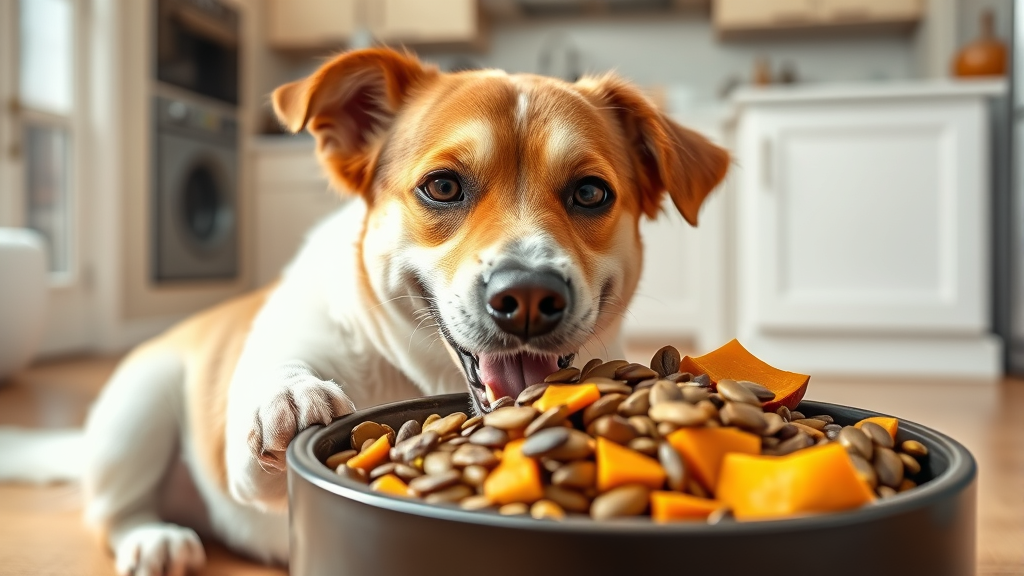
Portion control is essential when feeding pumpkin seeds to dogs, as these nutrient-dense seeds are high in calories and fat. For small dogs weighing under 20 pounds, limit servings to 1-2 seeds per day. Medium dogs between 20-50 pounds can safely consume 2-4 seeds daily, while large dogs over 50 pounds can have up to 6-8 seeds per day.
When introducing pumpkin seeds to your dog’s diet, start with even smaller amounts to monitor for any adverse reactions. Begin with half the recommended serving size and gradually increase over several days if your dog tolerates them well. This approach helps prevent digestive upset and allows you to identify any potential allergies or sensitivities.
Consider pumpkin seeds as treats rather than meal replacements, ensuring they don’t exceed 10% of your dog’s daily caloric intake. This guideline applies to all treats and supplements, similar to recommendations for other dog-safe foods like rice for dogs when used as a dietary addition.
Frequency matters as much as quantity – offering pumpkin seeds 2-3 times per week rather than daily helps prevent overconsumption while still providing health benefits. Monitor your dog’s weight and adjust portions accordingly, especially for less active or senior dogs who may be more prone to weight gain.
Potential Risks and Precautions
While pumpkin seeds are generally safe for dogs, several risks require careful consideration. The high fat content can potentially trigger pancreatitis in susceptible dogs, particularly those with a history of the condition or breeds prone to pancreatic issues. Signs of pancreatitis include vomiting, diarrhea, lethargy, and abdominal pain.
Choking hazards present another concern, especially for smaller dogs or those who tend to gulp their food quickly. Always ensure seeds are properly prepared – either shelled, ground, or adequately sized for your dog’s breed. The hard shells can also cause dental damage or digestive blockages if not removed properly.
Some dogs may experience digestive upset when first introduced to pumpkin seeds, including loose stools or mild stomach discomfort. This is typically temporary and resolves as the dog’s system adjusts, but discontinue feeding if symptoms persist. Unlike some other foods that dogs might react to, such as when considering whether dogs can eat marshmallows, pumpkin seeds rarely cause severe allergic reactions.
Dogs with existing kidney or bladder stones should avoid pumpkin seeds without veterinary approval, as the seeds’ mineral content might exacerbate these conditions. Always consult with your veterinarian before adding new foods to your dog’s diet, especially if your pet has underlying health conditions or takes medications.
Creative Ways to Serve Pumpkin Seeds
Transform pumpkin seeds into exciting treats that your dog will eagerly anticipate. Create a nutritious powder by grinding roasted, unseasoned pumpkin seeds in a food processor, then sprinkle this powder over your dog’s regular meals for added nutrition and flavor. This method works particularly well for picky eaters or dogs who might otherwise ignore the seeds.
Mix ground pumpkin seeds into homemade dog treats by combining them with dog-safe ingredients like plain yogurt, sweet potato, or oatmeal. Bake these mixtures into small, bite-sized treats that provide concentrated nutrition in an appealing format. You can also create frozen treats by mixing ground pumpkin seeds with plain Greek yogurt and freezing the mixture in ice cube trays.
For dogs who enjoy interactive feeding, hide whole prepared pumpkin seeds in puzzle toys or scatter them during supervised outdoor time for a natural foraging experience. This approach combines mental stimulation with nutritional benefits, appealing to dogs’ natural hunting instincts.
Consider rotating pumpkin seeds with other healthy treats like blackberries or coconut to provide variety in your dog’s diet while maintaining nutritional balance. This rotation prevents boredom and ensures your dog receives a wide range of nutrients from different sources.
Comparing Pumpkin Seeds to Other Dog-Safe Foods
When evaluating pumpkin seeds against other healthy dog treats, they stand out for their unique combination of nutrients and health benefits. Unlike many commercial treats that provide empty calories, pumpkin seeds offer substantial nutritional value in small servings. Compared to nuts like cashews for dogs, pumpkin seeds are generally safer and less likely to cause allergic reactions.
The protein content in pumpkin seeds rivals that of many meat-based treats, but with added benefits of fiber, healthy fats, and essential minerals. Unlike processed treats that may contain preservatives and artificial ingredients, properly prepared pumpkin seeds are completely natural and free from harmful additives.
Compared to other seeds and nuts, pumpkin seeds have a more favorable fat profile for dogs, with better omega fatty acid ratios that support coat health and reduce inflammation. The American Kennel Club emphasizes the importance of choosing natural, minimally processed treats for optimal canine health.
Cost-effectiveness makes pumpkin seeds particularly attractive, as they’re essentially a byproduct of pumpkin consumption that would otherwise be discarded. This sustainability aspect appeals to environmentally conscious pet owners while providing excellent nutritional value at minimal cost.
Frequently Asked Questions
Can dogs eat pumpkin seeds with the shell on?
Dogs should not eat pumpkin seeds with the hard outer shell intact, as these shells can pose choking hazards and cause digestive blockages. Always remove the shells before serving, or grind the entire seed into a fine powder that eliminates the choking risk while maintaining nutritional benefits.
How many pumpkin seeds can I give my dog daily?
The appropriate serving size depends on your dog’s size: small dogs under 20 pounds should receive 1-2 seeds daily, medium dogs (20-50 pounds) can have 2-4 seeds, and large dogs over 50 pounds can safely consume up to 6-8 seeds per day. Always start with smaller amounts when introducing new foods.
Are raw or roasted pumpkin seeds better for dogs?
Both raw and roasted pumpkin seeds are safe for dogs when properly prepared, but each has advantages. Raw seeds retain more nutritional value, while roasted seeds are often more digestible and palatable. Roast without any seasonings, oils, or salt, and ensure seeds are completely cooled before serving.
Can pumpkin seeds help with my dog’s digestive issues?
Pumpkin seeds can support digestive health through their fiber content and beneficial nutrients, potentially helping with regularity and gut health. However, they should not be used as a primary treatment for digestive problems. Consult your veterinarian for persistent digestive issues, as recommended by the FDA’s animal health guidelines.
Do pumpkin seeds have natural deworming properties for dogs?
While pumpkin seeds have been traditionally used for their potential anti-parasitic properties, there’s limited scientific evidence supporting their effectiveness as a deworming treatment for dogs. Never rely solely on pumpkin seeds for parasite control – always follow your veterinarian’s prescribed deworming protocols.
Can puppies eat pumpkin seeds?
Puppies can eat properly prepared pumpkin seeds in very small quantities, but their developing digestive systems may be more sensitive. Start with tiny amounts (less than half an adult serving) and monitor closely for any adverse reactions. Consult your veterinarian before introducing new foods to puppies under six months old.
What should I do if my dog ate too many pumpkin seeds?
If your dog consumed excessive pumpkin seeds, monitor for signs of digestive upset including vomiting, diarrhea, or lethargy. Provide plenty of fresh water and withhold food for 12 hours if mild symptoms occur. Contact your veterinarian immediately if symptoms are severe or persist, as overconsumption of high-fat foods can potentially trigger pancreatitis.





