
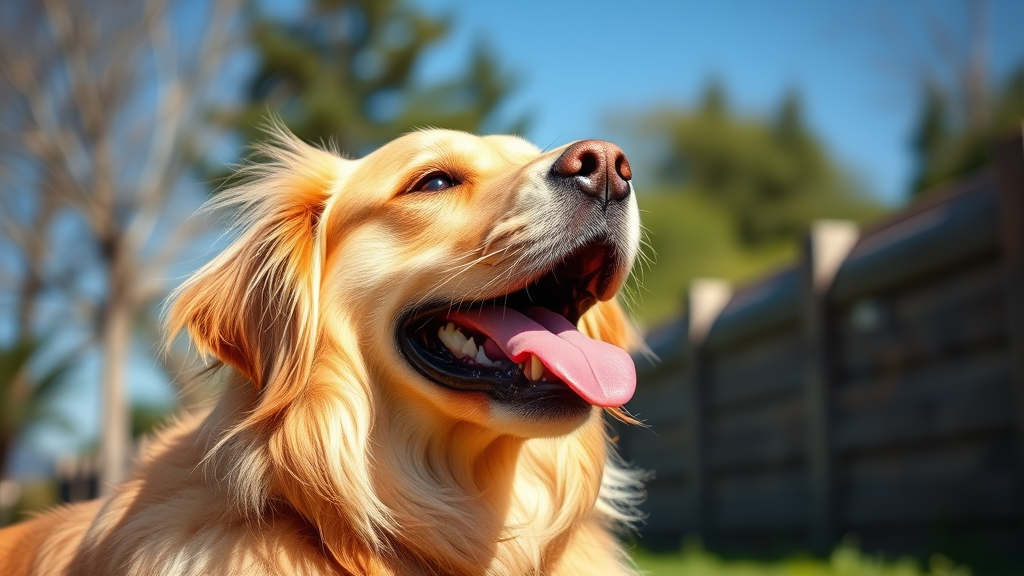
When summer heat strikes, you might notice your furry companion panting heavily and wonder: do dogs sweat like humans do? The answer might surprise you. While dogs do have some capacity for sweating, their primary cooling mechanisms are vastly different from ours, involving fascinating biological adaptations that have evolved over thousands of years.
Understanding how dogs regulate their body temperature is crucial for every pet owner, especially during hot weather when heatstroke becomes a serious concern. The truth about canine thermoregulation goes beyond simple panting and reveals an intricate system of cooling strategies that most dog owners never fully appreciate.
Do Dogs Actually Sweat?
The short answer is yes, dogs do sweat, but not in the way you might expect. Unlike humans who have sweat glands distributed across their entire body, dogs have a very limited sweating capacity. Dogs possess two types of sweat glands: eccrine and apocrine glands, but their distribution and function differ significantly from human sweat glands.
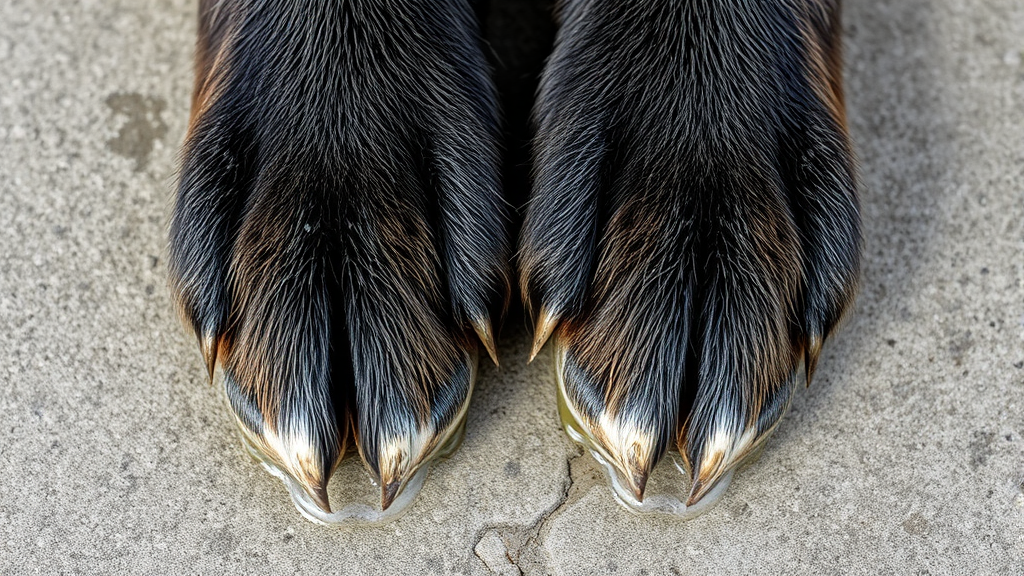
Eccrine glands in dogs are primarily located on their paw pads and nose. These glands produce a watery secretion that can help with minor temperature regulation, but they contribute minimally to overall cooling. You might notice wet paw prints on hot days – this is your dog’s limited sweating in action. However, this small amount of moisture evaporation is insufficient for effective body temperature control.
Apocrine glands, found in hair follicles throughout a dog’s body, don’t actually contribute to cooling. Instead, these glands produce pheromones and other chemical signals used for communication with other dogs. This is why understanding why do dogs lick their paws can sometimes relate to these scent glands and grooming behaviors.
The limited sweating capacity means dogs must rely on other, more efficient cooling methods to maintain their body temperature within safe ranges.
Primary Cooling Mechanisms in Dogs
Since sweating plays such a minor role in canine cooling, dogs have developed several other highly effective thermoregulation strategies. The most prominent and efficient method is evaporative cooling through their respiratory system, primarily through panting.
Dogs also utilize conductive cooling by seeking out cool surfaces to lie on. This direct heat transfer from their body to cooler materials like tile floors, concrete, or even cool grass helps lower their core temperature. Many dog owners notice their pets gravitating toward bathroom tiles or basement floors during hot weather – this is instinctive temperature regulation at work.
Convective cooling occurs when air moves across a dog’s body, carrying away heat. This is why fans can be helpful for dogs, and why many dogs enjoy car rides with windows down. The moving air helps facilitate heat loss from their body surface.
Radiation cooling happens when dogs position themselves away from heat sources and toward cooler areas. Dogs naturally seek shade and avoid direct sunlight when they’re warm, demonstrating their innate understanding of radiant heat transfer.
The Science Behind Panting
Panting is a dog’s primary cooling mechanism, functioning as an highly efficient evaporative cooling system. When dogs pant, they rapidly move air across the moist surfaces of their tongue, mouth, and upper respiratory tract. As this moisture evaporates, it removes significant amounts of heat energy from their body.
The process is remarkably sophisticated. Dogs can increase their breathing rate from a normal 15-35 breaths per minute to over 400 breaths per minute when panting. This rapid, shallow breathing specifically targets the upper respiratory tract rather than deep lung ventilation, maximizing cooling while minimizing energy expenditure.
The anatomy of a dog’s mouth and tongue is perfectly designed for this cooling method. Their long tongues provide extensive surface area for moisture evaporation, and the rich blood supply in the tongue allows for efficient heat exchange. According to the American Veterinary Medical Association, this system can be incredibly effective when ambient humidity isn’t too high.
However, panting becomes less effective in humid conditions because the air cannot absorb as much moisture. This is why dogs struggle more in humid heat compared to dry heat, even at similar temperatures.
Behavioral Cooling Strategies
Beyond physiological cooling mechanisms, dogs exhibit numerous behavioral strategies to regulate their temperature. These instinctive behaviors demonstrate their natural intelligence about thermoregulation and often mirror strategies used by their wild ancestors.
Seeking shade is perhaps the most obvious behavioral cooling strategy. Dogs instinctively understand that direct sunlight increases their heat load, so they naturally gravitate toward shaded areas during hot weather. This behavior is so ingrained that even indoor dogs will seek out cooler, darker areas of the house.
Digging is another cooling behavior, particularly common in breeds with strong digging instincts. Dogs will create shallow depressions in cool earth or sand to lie in, taking advantage of the cooler temperatures just below the surface. This behavior is especially prominent in breeds like terriers and Nordic breeds.
Water-seeking behavior increases dramatically when dogs are warm. Beyond drinking for internal cooling, many dogs will wade in water, lie in kiddie pools, or even position themselves under sprinklers. This demonstrates their understanding of water’s cooling properties through both conduction and evaporation.
Reduced activity levels during peak heat hours show dogs’ natural circadian awareness of temperature patterns. Many dogs become less active during the hottest parts of the day and more energetic during cooler morning and evening hours, similar to many wild animals.
How Different Breeds Handle Heat
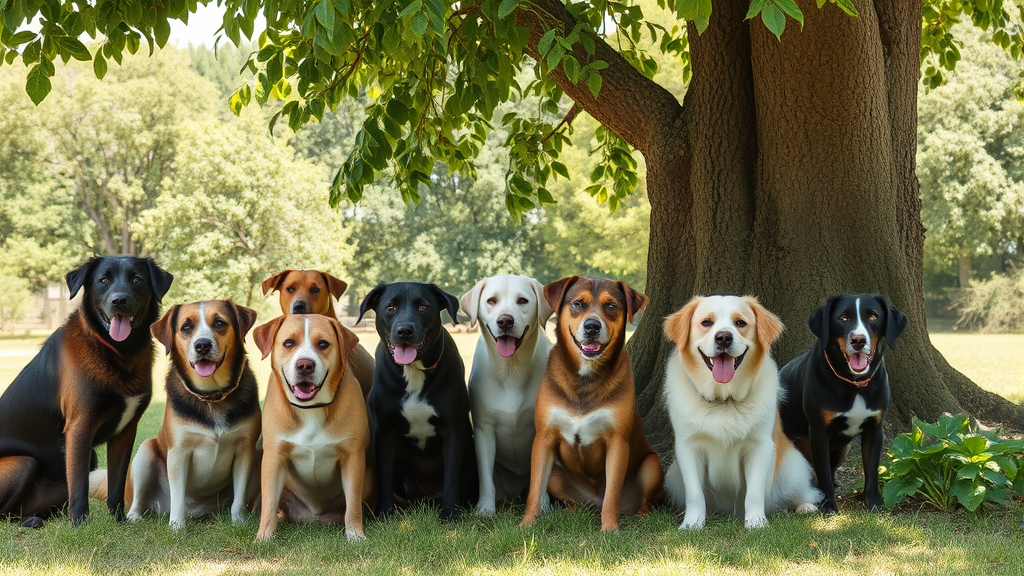
Not all dogs are created equal when it comes to heat tolerance. Breed characteristics significantly impact how well dogs can regulate their temperature, with some breeds being naturally better adapted to warm climates while others struggle in even moderate heat.
Brachycephalic breeds (those with flat faces) like Bulldogs, Pugs, and Boston Terriers face particular challenges with heat regulation. Their shortened airways make panting less efficient, and their compressed nasal passages reduce the surface area available for evaporative cooling. These breeds are at much higher risk for heat-related problems and require extra attention during warm weather.
Northern breeds like Huskies, Malamutes, and Samoyeds have thick double coats designed for cold weather protection. While their coats provide some insulation against heat, these breeds generally have lower heat tolerance and may struggle more in warm climates. Interestingly, completely shaving these breeds can actually make heat regulation worse by removing their natural insulation system.
Desert-adapted breeds like Greyhounds, Whippets, and other sighthounds typically have better heat tolerance due to their lean body structure, large surface area relative to body mass, and efficient cardiovascular systems. Their thin coats and streamlined bodies facilitate better heat dissipation.
Size also matters significantly. Larger dogs generally have more difficulty regulating temperature because they have a smaller surface area to body mass ratio, making heat dissipation less efficient. Small dogs can cool more effectively but may also be more susceptible to rapid temperature changes.
Recognizing Signs of Overheating
Understanding the signs of overheating in dogs is crucial for preventing heat-related emergencies. Early recognition and intervention can prevent progression to dangerous heatstroke, which can be fatal if not treated promptly.
Excessive panting is often the first sign, but it’s important to distinguish between normal panting after exercise and distressed panting from overheating. Overheating panting is typically more rapid, shallow, and persistent, continuing even when the dog is at rest in a cool environment.
Drooling increases significantly when dogs are overheated, often becoming thick and ropey rather than the normal thin saliva. This excessive drooling may be accompanied by foaming at the mouth in severe cases.
Behavioral changes include lethargy, reluctance to move, seeking cool surfaces obsessively, and restlessness. Some dogs may also exhibit shaking or trembling as their body struggles to regulate temperature.
Physical signs of serious overheating include bright red or blue gums and tongue, vomiting, diarrhea, and loss of coordination. These symptoms indicate potential heatstroke and require immediate veterinary attention. According to the Centers for Disease Control and Prevention, heatstroke in dogs can progress rapidly and become life-threatening.
How to Help Your Dog Stay Cool
Proactive cooling strategies are far more effective than reactive treatment of overheating. Understanding how to help your dog maintain comfortable body temperature can prevent heat-related health issues and improve their comfort during warm weather.
Providing constant access to fresh, cool water is fundamental. Dogs need to increase their water intake when temperatures rise, both for internal cooling and to replace fluids lost through panting. Some dogs prefer running water from fountains or faucets, which may encourage better hydration.
Creating cool environments involves more than just air conditioning. Cooling mats, elevated beds that allow air circulation, and fans positioned to create air movement can all help. Tile or concrete floors provide natural cooling surfaces that many dogs instinctively seek.
Timing outdoor activities appropriately means avoiding peak heat hours (typically 10 AM to 4 PM) and opting for early morning or evening exercise when temperatures are cooler. Pavement temperature is particularly important – if it’s too hot for your bare hand, it’s too hot for your dog’s paw pads.
Grooming considerations vary by breed, but regular brushing to remove loose undercoat can help some dogs stay cooler. However, never shave double-coated breeds completely, as their coat system is designed to provide insulation against both heat and cold.
Water play opportunities like kiddie pools, sprinklers, or even wet towels can provide excellent cooling relief. Many dogs enjoy these activities, making cooling both effective and enjoyable. Just ensure any water source is clean and safe, as you wouldn’t want issues like those discussed regarding what dogs can safely drink.
Frequently Asked Questions
Do dogs sweat through their paws?
Yes, dogs do sweat through their paw pads, which contain eccrine sweat glands. However, this sweating is minimal and contributes very little to overall temperature regulation. You might notice wet paw prints on hot days, but this small amount of sweating is insufficient for effective cooling compared to panting.
Why don’t dogs sweat like humans?
Dogs evolved different cooling mechanisms because their thick fur coat would make human-style sweating ineffective. Sweat would get trapped in their fur rather than evaporating efficiently. Instead, dogs developed highly effective panting systems that work better with their anatomy and coat structure.
Is panting always a sign that my dog is hot?
Not necessarily. While panting is primarily a cooling mechanism, dogs also pant when excited, anxious, stressed, or after exercise. However, excessive panting at rest in cool conditions, or panting that seems labored or doesn’t stop when the dog cools down, may indicate health issues requiring veterinary attention.
Can I help my dog cool down by wetting their fur?
Yes, wetting your dog’s fur can help with cooling, especially on their belly, inner thighs, and paw pads where fur is thinner. However, be cautious with thick-coated breeds, as trapped water in dense fur can sometimes create insulation that makes cooling less effective. Focus on areas where skin is more accessible.
Are certain dog breeds better at staying cool?
Yes, breed characteristics significantly impact heat tolerance. Breeds with longer snouts, thinner coats, leaner builds, and larger surface area to body mass ratios generally handle heat better. Conversely, brachycephalic (flat-faced) breeds, thick-coated northern breeds, and very large dogs typically struggle more with heat regulation.
How can I tell if my dog is too hot versus just normally warm?
Normal warmth involves moderate panting that decreases when the dog rests in cool conditions. Signs of overheating include excessive, persistent panting even at rest, thick drooling, bright red gums, lethargy, vomiting, or loss of coordination. Understanding your dog’s normal behaviors helps you recognize when something is wrong.
Should I be concerned about my dog’s dental health affecting their cooling?
Yes, dental health can impact cooling efficiency since panting relies on the mouth and tongue. Poor dental health, missing teeth, or oral pain might affect a dog’s ability to pant effectively. This is why maintaining good oral hygiene, including understanding your dog’s dental structure, is important for overall health including temperature regulation. Regular dental care as recommended by the American Veterinary Medical Association supports both oral health and effective cooling mechanisms.





