

As loving pet parents, we often find ourselves wondering about the safety of various human foods for our canine companions. One question that frequently arises is whether dogs can safely consume dates – those sweet, chewy fruits that are packed with natural sugars and nutrients. While dates are generally considered a healthy snack for humans, the answer for dogs is more nuanced and requires careful consideration.
Understanding what foods are safe for dogs is crucial for maintaining their health and preventing potential complications. Dates fall into a category where moderation is key, and several factors must be considered before offering them to your furry friend. This comprehensive guide will explore everything you need to know about feeding dates to dogs, including their nutritional value, potential benefits, risks, and safe serving practices.
Nutritional Profile of Dates
Dates are nutrient-dense fruits that contain a variety of vitamins, minerals, and beneficial compounds. A typical Medjool date contains approximately 20 calories and is rich in natural sugars, primarily glucose, fructose, and sucrose. These fruits are excellent sources of potassium, copper, manganese, and vitamin B6, while also providing dietary fiber and antioxidants.
The high sugar content in dates – roughly 16 grams per date – makes them naturally sweet and energy-dense. They also contain small amounts of protein and virtually no fat. Additionally, dates provide phenolic compounds and flavonoids, which act as antioxidants and may offer various health benefits. However, this nutritional profile presents both opportunities and challenges when considering dates for canine consumption.
Understanding the nutritional needs of dogs is essential when evaluating any human food. Dogs require a balanced diet that’s primarily protein-based, with carbohydrates playing a secondary role. The concentrated sugars in dates can provide quick energy but may also pose risks if consumed in excess.
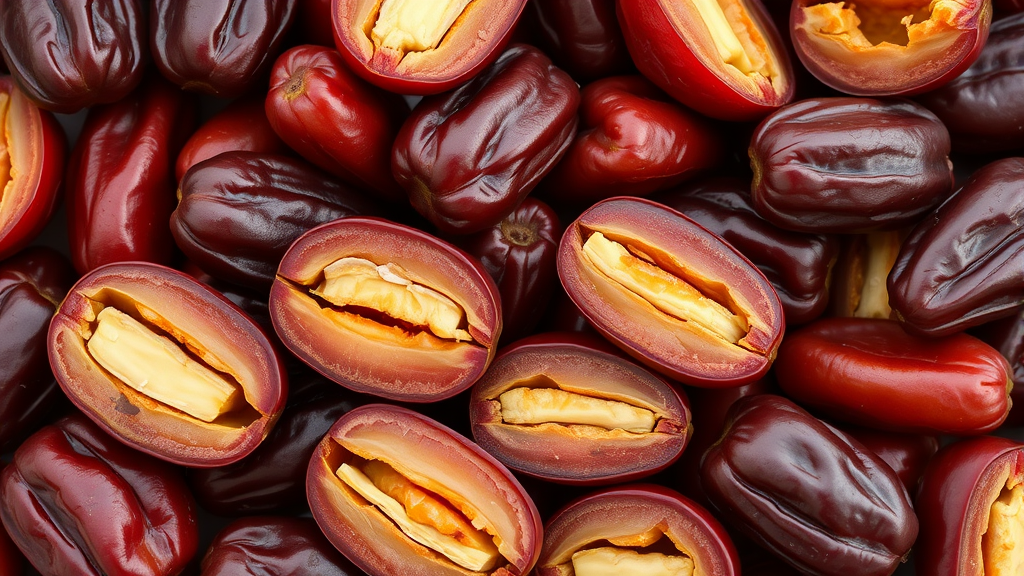
Can Dogs Eat Dates Safely?
The short answer is yes, dogs can eat dates, but only in very small quantities and with important precautions. Unlike some fruits that are toxic to dogs, dates are not inherently poisonous. However, their high sugar content and potential for digestive upset make them a treat that should be offered sparingly and with careful consideration of your dog’s individual health status.
Before offering dates to your dog, it’s crucial to remove the pit completely, as date pits pose a significant choking hazard and can cause intestinal blockages. The pit is hard and indigestible, making it dangerous for dogs of all sizes. Always inspect dates thoroughly and consider cutting them into smaller pieces for smaller dogs.
The frequency and amount of dates you can safely give your dog depends on several factors, including their size, weight, activity level, and overall health. Dogs with diabetes, obesity, or digestive sensitivities should avoid dates entirely due to their high sugar content. Even healthy dogs should only receive dates as an occasional treat, not as a regular part of their diet.
Potential Health Benefits for Dogs
When given in appropriate amounts, dates can offer some nutritional benefits to dogs. The potassium content in dates supports proper muscle and nerve function, while the fiber can aid in digestive health. The antioxidants present in dates may help combat free radicals and support overall immune system function.
Dates also contain small amounts of iron, which is important for healthy blood formation, and copper, which aids in the absorption of iron and supports connective tissue health. The natural sugars in dates can provide a quick energy boost, which might be beneficial for active dogs during intense exercise or training sessions.
However, it’s important to note that dogs can obtain all these nutrients from their regular, well-balanced dog food. The American Veterinary Medical Association emphasizes that treats should never make up more than 10% of a dog’s daily caloric intake, and the benefits of dates don’t outweigh the potential risks for most dogs.
Risks and Health Concerns
The primary concern with feeding dates to dogs is their extremely high sugar content. This can lead to several health issues, particularly with regular consumption. The most immediate risk is gastrointestinal upset, including diarrhea, vomiting, and abdominal discomfort. Dogs’ digestive systems are not designed to process large amounts of concentrated sugars efficiently.
Long-term risks include weight gain and obesity, which can lead to numerous secondary health problems such as diabetes, joint issues, and cardiovascular disease. Dogs that are already overweight or have metabolic conditions should never be given dates. The high caloric density means even small amounts can contribute significantly to daily calorie intake.
Another serious concern is the risk of choking or intestinal blockage from date pits. Even if you think you’ve removed all pits, small fragments can remain and pose dangers. Additionally, some dogs may experience allergic reactions to dates, though this is relatively uncommon. Signs of allergic reactions include itching, swelling, difficulty breathing, or severe gastrointestinal distress.

Safe Serving Guidelines
If you decide to offer dates to your dog, strict portion control is essential. For small dogs under 20 pounds, no more than a quarter of a single date should be given, and only occasionally. Medium dogs between 20-50 pounds can have up to half a date, while large dogs over 50 pounds might safely consume one small date as an infrequent treat.
Always start with even smaller amounts to test your dog’s tolerance, and never give dates more than once or twice per week at most. Remove all pits and stems completely, and consider mashing or chopping the date into smaller pieces to prevent choking. Fresh dates are preferable to dried ones, which are even more concentrated in sugars.
Monitor your dog closely after giving them dates for the first time. Watch for any signs of digestive upset, changes in behavior, or allergic reactions. If your dog shows any adverse symptoms, discontinue giving dates immediately and consult your veterinarian if symptoms persist or worsen.
Healthier Fruit Alternatives
Given the potential risks associated with dates, many safer fruit alternatives can provide similar nutritional benefits without the high sugar content. Blackberries are an excellent choice, offering antioxidants and fiber with much lower sugar content. Similarly, peaches (without pits) can provide vitamins and natural sweetness in more appropriate portions.
Cantaloupe is another fantastic option, providing vitamins A and C while being relatively low in calories. Cranberries offer urinary tract health benefits, though they should also be given in moderation. For dogs who enjoy tropical flavors, coconut in small amounts can be a safer alternative to dates.
Apples (without seeds), blueberries, and watermelon are also excellent choices that provide nutrients without the excessive sugar concentration found in dates. These alternatives allow you to offer your dog variety and treats while maintaining better control over their sugar and calorie intake.
Warning Signs to Monitor
After giving your dog dates, it’s crucial to monitor them for any adverse reactions. Immediate signs to watch for include vomiting, diarrhea, excessive drooling, lethargy, or signs of abdominal discomfort such as whining or restlessness. These symptoms typically appear within a few hours of consumption.
More serious warning signs that require immediate veterinary attention include difficulty breathing, severe vomiting or diarrhea, signs of choking or gagging, extreme lethargy, or any indication of intestinal blockage such as inability to defecate, severe abdominal pain, or repeated unsuccessful attempts to vomit.
Long-term signs to monitor include weight gain, increased thirst and urination (which could indicate developing diabetes), changes in appetite, or recurring digestive issues. Keep a food diary to track what treats you give your dog and any subsequent reactions, as this information can be valuable for your veterinarian.
Remember that some dogs are more sensitive than others, and what might be tolerated by one dog could cause problems for another. Always err on the side of caution and consult with your veterinarian if you have any concerns about your dog’s reaction to dates or any new food.
It’s worth noting that unlike marshmallows, which offer no nutritional value and pose significant risks, dates at least provide some beneficial nutrients. However, this doesn’t make them a necessary or recommended addition to your dog’s diet. The FDA’s Center for Veterinary Medicine recommends sticking to foods specifically formulated for dogs to ensure optimal nutrition and safety.
Frequently Asked Questions
Can puppies eat dates?
Puppies should not be given dates due to their developing digestive systems and higher sensitivity to sugar. Their smaller size also means even tiny amounts could cause significant digestive upset or contribute to unhealthy weight gain during crucial development periods.
Are dried dates worse than fresh dates for dogs?
Yes, dried dates are more concentrated in sugars and calories than fresh dates, making them riskier for dogs. The dehydration process removes water while concentrating the natural sugars, making dried dates even more likely to cause digestive upset or contribute to weight gain.
What should I do if my dog ate a date pit?
If your dog swallowed a date pit, contact your veterinarian immediately. Date pits can cause choking or intestinal blockage, which are serious medical emergencies. Monitor your dog for signs of distress, difficulty breathing, vomiting, or inability to defecate while seeking professional help.
Can diabetic dogs have dates?
No, diabetic dogs should never be given dates due to their extremely high natural sugar content. The concentrated sugars can cause dangerous spikes in blood glucose levels, potentially leading to diabetic complications or ketoacidosis, which can be life-threatening.
How often can I give my dog dates?
Dates should only be given as an occasional treat, no more than once or twice per week at most, and only in very small quantities. Many veterinarians recommend avoiding dates altogether due to their high sugar content and the availability of safer, more appropriate treat options.
Are there any dogs that should never eat dates?
Yes, dogs with diabetes, obesity, pancreatitis, or digestive sensitivities should never be given dates. Additionally, very small dogs, puppies, and senior dogs with compromised health should avoid dates due to their increased sensitivity to dietary changes and sugar content.
Can dates cause diarrhea in dogs?
Yes, dates can definitely cause diarrhea in dogs, especially if given in quantities that are too large for the individual dog or if the dog has a sensitive digestive system. The high sugar content and fiber can overwhelm their digestive system, leading to loose stools or diarrhea within hours of consumption.





