
If your dog’s breath could knock you over from three feet away, you’re not alone. Bad breath in dogs is one of the most common complaints I hear in the clinic, and honestly? It’s usually fixable. The thing is, that stink coming from your pup’s mouth isn’t just unpleasant—it’s often a sign that something needs attention. Sometimes it’s simple. Sometimes it’s serious. Let’s figure out which one you’re dealing with.
What Actually Causes Bad Breath in Dogs
Let me be straight with you: bad breath in dogs is rarely just “dog breath.” Sure, dogs don’t brush their teeth, but a healthy dog’s mouth shouldn’t smell like a landfill. The odor comes from bacteria. Lots of them. And when you’ve got that many bacteria throwing a party in your dog’s mouth, something’s usually wrong.
The most common sources are:
- Plaque and tartar buildup on teeth
- Gum disease and tooth decay
- Food stuck between teeth or under the gum line
- Oral infections or abscesses
- Systemic health issues (kidney disease, diabetes, etc.)
- Digestive problems
- Poor diet quality
Think of your dog’s mouth like a mini ecosystem. When it’s balanced, things are fine. When bacteria take over, that’s when the stink starts. And here’s the kicker: if you’re smelling it, the problem has usually been brewing for a while.
Dental Disease: The #1 Culprit Behind Bad Breath in Dogs
I’m going to level with you: dental disease is the reason your dog’s breath smells like a garbage disposal. It’s the number one cause of bad breath in dogs, and it affects about 80% of dogs over the age of three. That’s not a small number.
Here’s how it works. Bacteria in the mouth form plaque. If that plaque isn’t removed, it hardens into tartar. Tartar is basically a fortress for bacteria. It sits on the teeth, under the gum line, and creates the perfect environment for more bacteria to multiply. As the infection progresses, you get gum disease, tooth decay, and eventually tooth loss if nothing is done.
The smell? That’s the byproduct of bacterial metabolism. It’s sulfur-based compounds that make your dog’s breath smell like rotten eggs mixed with old gym socks. Not pleasant.
According to the American Kennel Club (AKC), regular dental care is essential for preventing bad breath in dogs and maintaining overall health. Dental disease doesn’t just affect the mouth—it can lead to serious infections that spread to the heart, kidneys, and liver.
The scary part? Most dog owners don’t realize their dog has dental disease until it’s advanced. You might not see visible signs until the damage is significant. That’s why regular vet checkups are so important. We can catch it early before your dog loses teeth or develops serious infections.
Diet Factors That Contribute to Bad Breath in Dogs
What you feed your dog matters. A lot. And not just for their waistline—it directly impacts their breath.
Low-quality dog foods often contain fillers, by-products, and low-grade proteins that are harder to digest. This means more fermentation happening in the digestive tract, which can lead to bad breath emanating from the gut rather than the mouth itself. Some of that stink literally comes from your dog’s stomach.
Additionally, soft or wet foods tend to stick to teeth more than kibble. Kibble has a slight abrasive action that can help remove some plaque buildup naturally. When you feed primarily soft food, you’re missing out on that mechanical cleaning action.
If you’re wondering about specific brands, check out our guides on whether Blue Buffalo is good for dogs and if Purina One is a good dog food. Diet quality varies significantly, and premium foods with real meat proteins and fewer fillers tend to result in better breath and overall health.
Some foods are specifically formulated to support dental health. These typically have a texture that encourages chewing and may contain enzymes or ingredients that help reduce plaque formation. Ask your vet if a dental-specific diet might help your dog.
Here’s a pro tip: if your dog has bad breath and you recently switched to a softer food, that could be part of the problem. Consider mixing in some high-quality kibble or adding dental chews to the routine.
Other Health Conditions Causing Bad Breath in Dogs
Sometimes bad breath in dogs is a symptom of something bigger. This is where it gets important to pay attention.
Kidney Disease: Dogs with kidney problems often have breath that smells like ammonia or urine. This is because their kidneys aren’t filtering waste properly, and that waste is being expelled through the breath. If your senior dog suddenly has this type of bad breath, get them to a vet immediately.
Diabetes: Diabetic dogs can have fruity-smelling breath. This is actually a sign of ketoacidosis, which is a medical emergency. If your dog’s breath smells sweet or fruity, that’s not cute—that’s a red flag.
Digestive Issues: Dogs that lick their paws excessively sometimes have underlying digestive issues that can contribute to bad breath. Gut health and mouth health are more connected than you might think.
Oral Infections: Abscessed teeth, infected gums, or oral tumors all cause bad breath in dogs. These are serious and require professional treatment.
Respiratory Issues: Sometimes the smell is coming from the lungs or sinuses, not the mouth. If your dog has chronic bad breath despite good dental care, there might be a respiratory component.
According to PetMD, bad breath in dogs can indicate systemic disease, so it’s important to rule out underlying health conditions with your veterinarian.
The bottom line: if your dog’s bad breath is sudden, severe, or accompanied by other symptoms (lethargy, loss of appetite, excessive drooling), get them checked out. Don’t assume it’s just “dog breath.”
At-Home Solutions for Bad Breath in Dogs
Okay, so you’ve ruled out serious disease and your vet says your dog’s bad breath is primarily due to dental buildup or diet. Here’s what you can actually do at home that makes a real difference.
Dental Chews and Treats: Not all dental chews are created equal, but the good ones actually work. Look for products that have the VOHC (Veterinary Oral Health Council) seal of approval. These are scientifically proven to reduce plaque and tartar. Brands like Greenies, Virbac, and Healthymouth have solid research behind them. Give them daily for best results.
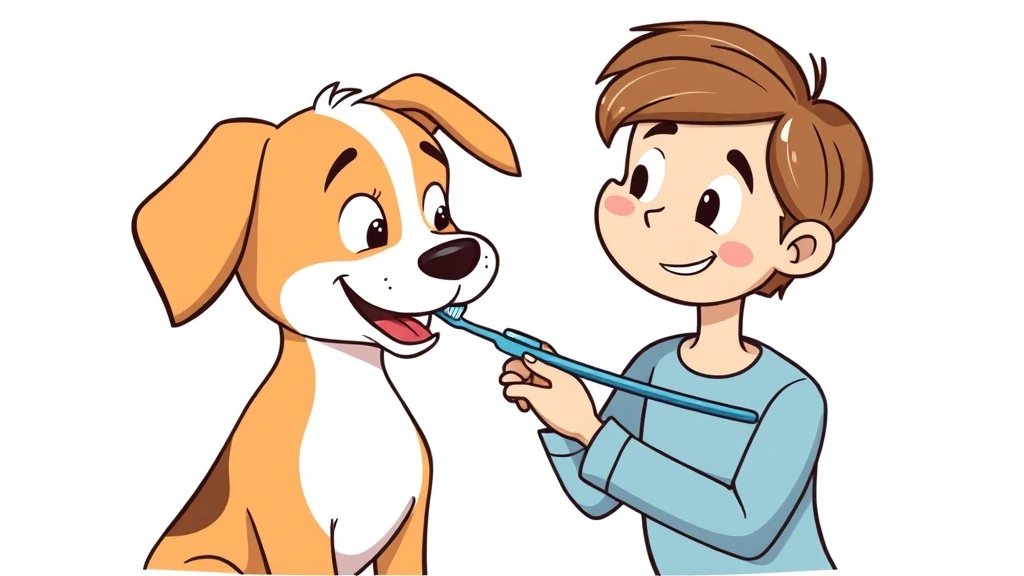
Brushing: I know, I know. Brushing your dog’s teeth sounds annoying. But if you can manage it even 3-4 times a week, you’ll see real improvement. Use a dog-specific toothpaste (never human toothpaste—the fluoride can be problematic). Most dogs will tolerate it better if you start slowly and make it positive. Get them used to having your fingers in their mouth first, then introduce the brush.
Water Additives: Oral water additives designed for dogs can help reduce bacteria in the mouth. These are easy—just add them to your dog’s water bowl. They won’t replace brushing or professional cleaning, but they can be a helpful addition to your routine.
Diet Adjustments: Switch to a higher-quality food with real meat as the first ingredient. If your dog eats primarily soft food, try mixing in some kibble or adding raw carrots (which have a natural cleaning action). Avoid sugary treats and foods with lots of fillers.
Probiotics: Oral probiotics designed for dogs can help balance the bacteria in the mouth and digestive tract. Some research suggests they can help with bad breath in dogs, especially when combined with other interventions.
Pro Tip: Start with dental chews if brushing feels overwhelming. They’re easier to stick with long-term, and they do make a measurable difference. Even one daily chew can reduce tartar buildup significantly over time.
Professional Treatment Options for Bad Breath in Dogs
Sometimes at-home care isn’t enough. If your dog has moderate to severe dental disease, professional treatment is necessary.
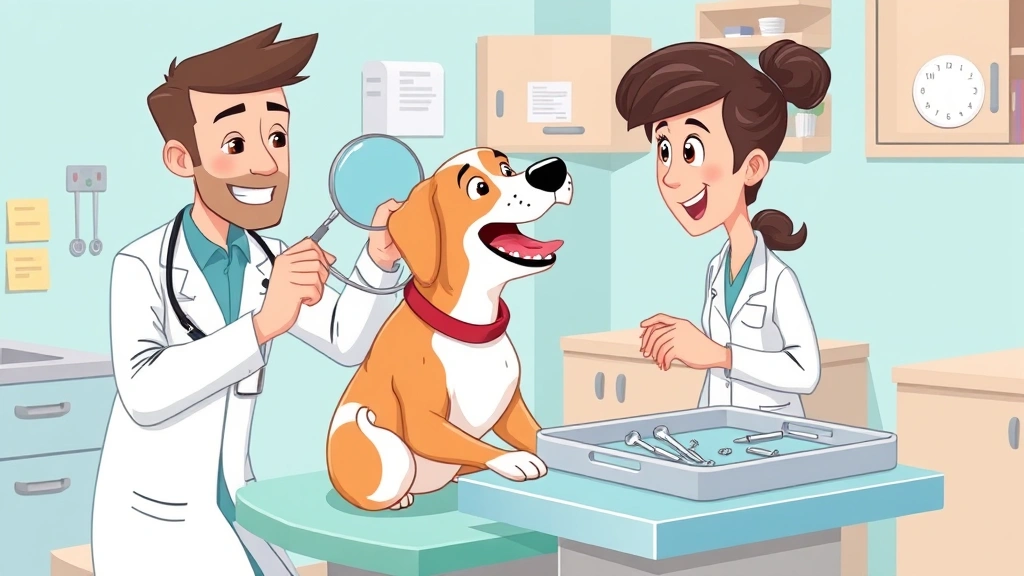
Professional Cleaning: This is the gold standard for treating bad breath in dogs caused by dental disease. Your vet will put your dog under anesthesia (yes, it’s necessary—you can’t clean properly with an awake, wiggling dog) and use ultrasonic scalers to remove plaque and tartar from above and below the gum line. They’ll also polish the teeth. It’s like a human dental cleaning, but more thorough.
This procedure usually costs between $300-$1,500 depending on how much work is needed and where you live. Yeah, it’s expensive. But it’s also one of the most effective ways to address bad breath in dogs caused by dental disease. And it can prevent serious health complications down the road.
Tooth Extractions: If a tooth is severely decayed or infected, it needs to come out. I know that sounds drastic, but dogs do surprisingly well with missing teeth. They can still eat, play, and live normal lives. A severely infected tooth is way worse for your dog than losing it.
Antibiotics: If there’s an active infection, your vet might prescribe antibiotics to clear it up. This is especially important if the infection has spread or if your dog is showing signs of systemic illness.
Follow-up Care: After professional cleaning, your vet will recommend a maintenance plan. This usually involves regular brushing, dental chews, and potentially annual cleanings depending on your dog’s individual risk factors.
The key thing to understand: professional cleaning is not a one-time fix. It’s a reset button. After that, you need to maintain it with at-home care, or the plaque and tartar will build back up.
Prevention: Keeping Bad Breath in Dogs at Bay
The best treatment is prevention. Here’s how to keep bad breath in dogs from becoming a problem in the first place.
Start Early: Begin dental care when your dog is young. Get them used to having their mouth handled. Start brushing when they’re puppies if possible. It’s way easier to maintain healthy teeth than to treat dental disease.
Regular Vet Checkups: Your vet should examine your dog’s teeth at every annual visit. If they notice early signs of plaque buildup or gum disease, you can address it before it becomes a major problem.
Quality Diet: Feed a high-quality dog food. This isn’t just about preventing bad breath in dogs—it’s about overall health. Better nutrition means better immune function, which means your dog’s body can fight off oral bacteria more effectively.
Consistent Dental Routine: Pick one or two at-home interventions and stick with them. Whether it’s daily brushing, daily dental chews, or weekly water additives, consistency matters more than perfection. Something done regularly beats something done occasionally.
Limit Treats: Sugary or starchy treats feed the bacteria in your dog’s mouth. Stick to healthy options like carrots, apples (in moderation), or meat-based treats.
Hydration: Make sure your dog is drinking enough water. Saliva helps naturally cleanse the mouth. Dehydrated dogs have drier mouths and more bacterial growth. If your dog isn’t drinking much, talk to your vet about why.
Monitor for Changes: If your dog’s breath suddenly gets worse or changes character, that’s a sign something’s happening. Don’t ignore it. Sudden changes in breath often indicate a new problem that needs attention.
Safety Warning: Never use human toothpaste on your dog. The fluoride and xylitol (in some formulas) can be toxic. Always use dog-specific toothpaste, and if you’re unsure, ask your vet for a recommendation.
When to Worry About Your Dog’s Bad Breath in Dogs
Not all bad breath in dogs is created equal. Here’s when you should definitely call your vet.
Sudden Onset: If your dog’s breath suddenly smells terrible when it didn’t before, something changed. This could be a new infection, a broken tooth, or a systemic health issue. Don’t wait.
Accompanied by Other Symptoms: If bad breath in dogs comes with drooling, difficulty eating, swollen face, lethargy, or loss of appetite, these are signs of a more serious problem. Get your dog to the vet.
Ammonia or Fruity Smell: These specific odors suggest kidney disease or diabetes respectively. These are serious conditions that need immediate veterinary attention.
Visible Swelling or Discharge: If you see swelling around the mouth, discharge from the nose or mouth, or visible abscesses, your dog needs professional help. These indicate active infection.
Behavioral Changes: If your dog is pawing at their mouth, dropping food, or acting in pain, there’s likely a dental problem that needs treatment. Dogs that chatter their teeth sometimes have underlying mouth pain or neurological issues.
Age and Risk Factors: Older dogs, small breed dogs, and dogs with poor dental care are at higher risk for serious dental disease. If your dog falls into these categories and has bad breath in dogs, prioritize a vet visit.
The general rule: if you’re wondering whether you should call the vet, you probably should. Dental issues don’t get better on their own. They get worse. Early intervention is always better than waiting.
Frequently Asked Questions
Is bad breath in dogs normal?
– Normal dog breath might not smell great, but it shouldn’t be offensive. If you can smell your dog’s breath from more than a few inches away, that’s a sign something needs attention. Bad breath in dogs is common, but it’s not normal or healthy.
Can I fix my dog’s bad breath without a vet visit?
– It depends on the cause. If it’s diet-related or early plaque buildup, at-home interventions like dental chews, brushing, and diet changes can help. But if there’s underlying dental disease or a health condition, you need professional help. Start with a vet visit to figure out what you’re dealing with.
How much does a professional dog teeth cleaning cost?
– Professional cleaning typically runs $300-$1,500 depending on your location, your vet clinic, and how much work is needed. It’s expensive, but it’s an investment in your dog’s health. Many vets offer payment plans if cost is a concern.
How often should I brush my dog’s teeth?
– Ideally, daily. But realistically, 3-4 times a week makes a real difference. Even once a week is better than nothing. The more often you brush, the better the results, but consistency matters more than frequency.
What’s the best dental chew for dogs with bad breath?
– Look for products with the VOHC seal of approval. Greenies, Virbac, and Healthymouth are all solid options with research backing them. Every dog is different, so you might need to try a couple to see what works best. Always supervise your dog with chews.
Can bad breath in dogs be a sign of something serious?
– Yes. While dental disease is the most common cause, bad breath in dogs can indicate kidney disease, diabetes, or other systemic health issues. Sudden changes in breath or breath accompanied by other symptoms warrant a vet visit.
Do dental treats actually work?
– Yes, but only the good ones. Products with VOHC approval have been scientifically tested and proven to reduce plaque and tartar. Cheap dental treats might not do much. Quality matters.
My dog won’t let me brush their teeth. What can I do?
– Start slowly. Let them lick dog toothpaste off your finger first. Then progress to a soft brush. Make it positive and never force it. If brushing is impossible, rely on dental chews, diet changes, and water additives. Something is better than nothing.
Will my dog’s bad breath go away after a professional cleaning?
– Usually yes, at least temporarily. But it will come back if you don’t maintain it. Professional cleaning is a reset. After that, you need at-home care to prevent buildup from happening again. Think of it like getting your car detailed—it looks great afterward, but you still need to wash it regularly.
Is anesthesia safe for dental cleanings?
– Modern anesthesia is very safe, especially for healthy dogs. Your vet will run bloodwork first to make sure your dog can handle it. The risk of anesthesia is far outweighed by the risk of leaving severe dental disease untreated. Ask your vet about pre-anesthetic bloodwork if you’re concerned.
Last updated: 2024. Always consult with your veterinarian before starting new treatments or making dietary changes for your dog. This article is informational and not a substitute for professional veterinary advice.





