

Your dog stares at you from the couch with those eyes. You know the look—pure, unadulterated boredom mixed with a hint of “Mom, I’m going crazy in here.” A dog run might be exactly what you both need. Whether you’re new to off-leash parks or a seasoned regular, understanding how to make the most of a dog run can transform your pup’s exercise routine and social life. Let’s talk about what a dog run really is, how to find one near you, and most importantly, how to keep your furry friend safe and happy while they’re burning off that endless puppy energy.
What Is a Dog Run?
A dog run—sometimes called a dog park, off-leash area, or dog play area—is a designated space where dogs can run around without a leash and socialize with other dogs. Think of it as a playground, but for your four-legged friend. Most dog runs are fenced-in areas maintained by municipalities, private organizations, or community groups. They range from small neighborhood patches to sprawling multi-acre parks with water features, agility equipment, and separate sections for small and large dogs.
The core idea is simple: give your dog freedom to move, sniff, play, and burn energy in a controlled environment. Unlike a regular walk where you’re setting the pace and direction, a dog run lets your pup dictate their own adventure. Some dogs sprint in circles like their tail is on fire. Others spend 20 minutes investigating every blade of grass and every other dog’s rear end (hey, that’s how they say hello).
The best dog runs have clear boundaries, good maintenance, water stations, and ideally, separate areas for small dogs and large dogs. Some are free and open to the public; others require memberships or permits. A few fancy ones even offer additional amenities like shade structures, benches for humans, and waste disposal stations—because let’s be honest, cleaning up after your dog is part of the deal.
Benefits of Regular Dog Run Visits
There’s a reason veterinarians and dog trainers consistently recommend dog runs. The benefits go way beyond just “my dog ran around for 30 minutes.”
Physical Exercise: A dog run provides off-leash, high-intensity exercise that’s tough to replicate on a regular walk. Your dog can sprint, jump, and play at their own pace without the constraints of a leash. This is especially important for high-energy breeds like Border Collies, Australian Shepherds, and Labrador Retrievers. A solid 20-30 minute dog run session can tire out a dog far more effectively than an hour-long leashed walk.
Mental Stimulation: Beyond physical exertion, dog runs engage your pup’s brain. New scents, new dogs, new environments—it’s sensory overload in the best way. A mentally stimulated dog is a less destructive dog. If your pup comes home from a dog run and actually rests instead of destroying your baseboards, you’ve found gold.
Socialization: Regular dog run visits expose your dog to different breeds, sizes, temperaments, and play styles. According to the American Kennel Club, proper socialization during a dog’s formative months is critical, but ongoing exposure to other dogs throughout their life helps maintain social skills and confidence. A well-socialized dog is generally calmer, more adaptable, and less likely to develop fear-based aggression.
Behavioral Benefits: Many dogs with mild anxiety or excess energy show significant behavioral improvement with regular dog run access. A tired dog is a good dog—that’s not just a saying, it’s backed by behavior science. Dogs with an outlet for their energy are less likely to engage in destructive behaviors like excessive barking, chewing, or digging at home.
Owner Community: You’ll meet other dog lovers. Some of my best dog-owning friendships started at the local dog run. It’s nice to talk to someone who actually understands why you’re excited your pup finally made a friend or why you’re worried about that weird limp you noticed yesterday.
How to Find a Dog Run Near You
Not all neighborhoods have dog runs, but if you live in or near an urban or suburban area, there’s a decent chance one exists nearby.
City Parks & Recreation: Start with your city or county parks department website. Most municipalities list dog parks and off-leash areas with hours, rules, and amenities. Search “dog park [your city]” or check the parks section of your local government website.
Google Maps: Open Google Maps, search “dog park near me,” and you’ll get a list with reviews, photos, and user feedback. Real reviews from actual dog owners are gold—they’ll tell you if the park is well-maintained, if there are aggressive dogs, and what time of day is least crowded.
DogPile & Similar Apps: Apps like DogPile and BringFido let you search for dog-friendly locations, including dog parks. You can filter by amenities, read reviews, and even see photos other owners have posted.
Local Facebook Groups: Join neighborhood or local dog owner Facebook groups. Ask where people take their dogs. You’ll get honest feedback about which parks are actually worth visiting and which ones to avoid.
Word of Mouth: Talk to your veterinarian, groomer, or neighbors with dogs. They’ll have real-world intel on the best (and worst) dog runs in your area.
Once you’ve identified a few options, visit during off-peak hours first. Scout it out without your dog. Check the fence condition, look for shade, assess the crowd, and get a feel for the vibe. A chaotic, poorly-maintained park where aggressive dogs roam free isn’t worth the risk, no matter how convenient.
Safety Tips Before You Go
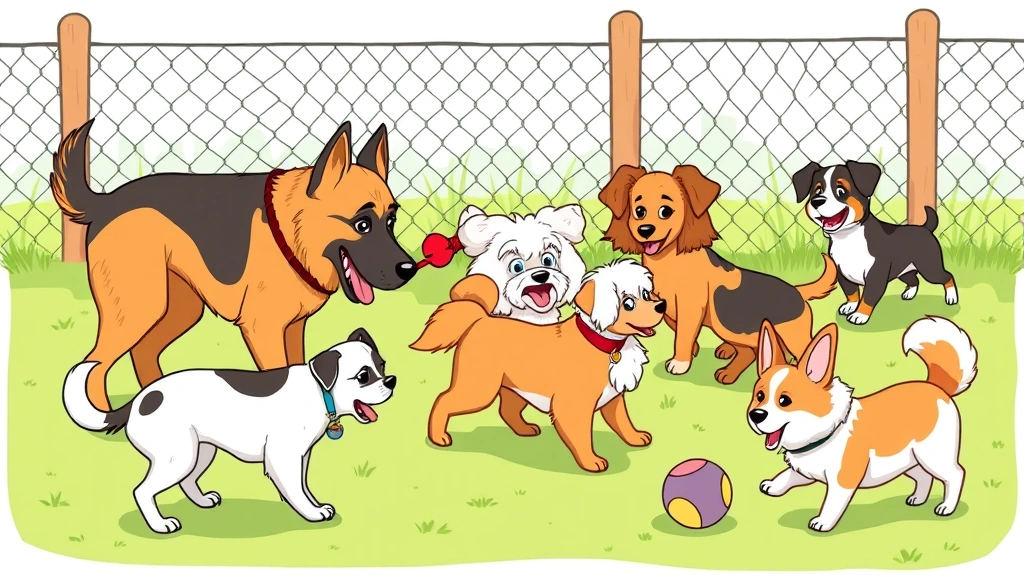
A dog run should be a safe space for your pup, but that responsibility falls largely on you as the owner.
Vaccination & Health Status: Before your dog sets paw in a dog run, ensure they’re up-to-date on vaccines, especially rabies, DHPP (distemper/parvovirus), and bordetella (kennel cough). Many dog runs require proof of vaccination. Even if they don’t, it’s your responsibility to protect your dog and others. If your dog is sick, showing signs of illness, or recovering from surgery, skip the dog run. Period. No exceptions.
Parasite Prevention: Use year-round flea, tick, and heartworm prevention. Dog runs are hotspots for parasites. A single tick or flea exposure can lead to weeks of treatment and discomfort. Talk to your vet about the best prevention options for your dog.
Collar & ID: Your dog should wear a collar with ID tags at all times in the dog run. Accidents happen. Gates get left open. A dog without ID is a lost dog. Consider a microchip as a backup—it’s permanent and can’t fall off like a tag.
Know Your Dog’s Limits: Not every dog is cut out for dog run life. If your dog is elderly, has joint issues, or shows signs of stress in group settings, a dog run might not be appropriate. If your dog is shaking or showing other anxiety signs, that’s a red flag. Some dogs do better with one-on-one playdates than chaotic park environments.
Watch for Signs of Overheating: Dogs don’t cool down as efficiently as humans. Heavy panting, excessive drooling, lethargy, or difficulty walking are signs of heat stress. Bring water, take breaks in the shade, and limit time in the dog run on hot days. Early morning or evening visits are safer during summer months.
Pro Tip: Bring a collapsible water bowl and fresh water. Don’t rely on communal water bowls—they’re breeding grounds for bacteria and parasites. Your dog’s hydration is your responsibility.
Stay Alert & Supervise: This is critical. You need to watch your dog at all times. Not just glancing over while scrolling your phone—actually watching. You should know what your dog is doing, who they’re playing with, and if any concerning interactions are developing. If you see a dog displaying aggressive behavior, remove your dog immediately.
Dog Run Etiquette & Unwritten Rules
Dog runs work best when everyone follows basic courtesy. Think of it like a community garden—it only thrives if everyone pulls their weight.
Clean Up After Your Dog: This isn’t optional. Bring poop bags. Use them. Dispose of waste properly. Nothing ruins a dog run faster than owners who leave waste scattered around. It’s unsanitary, it’s disrespectful, and frankly, it’s gross.
Don’t Bring Toys From Home: Shared toys are a nightmare. Dogs get possessive, fights break out, and toys get destroyed. Many dog runs prohibit outside toys for this exact reason. Let your dog play with other dogs—that’s the point. If your dog needs a toy to be happy, they’re not ready for the dog run environment.
Respect Small Dog Areas: If your dog is large, keep them in the large dog section. Small dog areas exist because tiny dogs can get seriously injured by well-meaning large dogs during play. It’s not personal; it’s physics.
Know When to Intervene: Play can look rough. Dogs growl, chase, and tackle each other. That’s normal. But you should step in if one dog is clearly being bullied, if play is escalating toward aggression, or if your dog is showing signs of stress. A good rule: if you’re uncomfortable, your dog probably is too.
Don’t Let Your Dog Chase Other Dogs’ Owners: Your dog might think chasing humans is hilarious. Other owners don’t. Keep your dog focused on other dogs and the environment, not on herding or chasing the humans.
Keep Treats to Yourself: If you bring treats to reward your dog, don’t hand them out to other dogs. You don’t know about allergies, dietary restrictions, or if an owner is working on training. A well-meaning treat can undo weeks of behavioral work.
Socialization & Behavior at Dog Runs
Dog runs are fantastic for socialization, but they’re not a magic fix for behavioral problems. Understanding the difference is important.
Socialization vs. Training: Socialization is exposure to different people, dogs, and environments. Training is teaching your dog how to behave in those situations. A dog run provides socialization, but it doesn’t train your dog to be well-behaved. If your dog doesn’t know how to sit, come, or drop a toy on command, a dog run can actually reinforce bad habits. Your dog learns that chaos is fun and that they don’t need to listen to you.
Before hitting the dog run, your dog should have a basic foundation of obedience. They should know their name, respond to recall (come when called), and understand basic commands. This makes the dog run experience safer and more enjoyable for everyone.
Reading Dog Body Language: Understanding what your dog is communicating is crucial. A wagging tail doesn’t always mean happiness—tail position, ear position, and overall body posture matter. A dog with a stiff body, raised hackles, and direct stare is not having fun. A dog with a play bow, loose wagging tail, and bouncy movements is in a good headspace. Learn to read these signals so you know when to let your dog play and when to intervene.
Play Styles Vary: Some dogs are gentle players. Others are rough-and-tumble wrestlers. Some dogs want constant interaction; others prefer parallel play (playing near dogs without direct engagement). There’s no “wrong” play style, but your dog needs to find compatible playmates. If your dog is a gentle player and keeps getting knocked over by a rambunctious Golden Retriever, they might not enjoy the dog run. That’s okay. Not every dog is a dog run dog.
Avoid Peak Hours if Your Dog is Shy: If your dog is timid or anxious, visit the dog run during quieter times. Early morning or late afternoon often has fewer dogs and a calmer vibe. This lets your dog build confidence without being overwhelmed by chaos.
Health Considerations & When to Skip
A dog run is awesome, but it’s not appropriate for every dog or every situation.
Puppies: Puppies under 16 weeks shouldn’t visit dog runs. Their immune systems aren’t fully developed, and the risk of infectious disease is high. Additionally, large adult dogs can accidentally injure puppies during play. Once your puppy is fully vaccinated and past 16 weeks, you can start introducing them to dog runs, but do it gradually and during quieter times.
Senior Dogs: Older dogs often don’t have the stamina or joint health for intense dog run play. A senior dog with arthritis or heart issues could be seriously stressed by the activity level. That said, some seniors enjoy gentle socialization in a calm dog run environment. Know your individual dog’s capabilities and limitations.
Dogs with Illness or Injury: If your dog is recovering from surgery, dealing with an infection, or managing a chronic illness, the dog run is off-limits until your vet gives the all-clear. A dog run is stressful and physically demanding. An unwell dog needs rest, not chaos.
Dogs with Behavioral Issues: A dog with a history of aggression, resource guarding, or fear-based reactivity should not be in a dog run without professional guidance. These dogs need controlled socialization with a trainer, not the free-for-all of a public dog park. If you’re considering a dog and worried about behavioral fit, talk to a trainer before committing.
Unspayed/Unneutered Dogs: Most dog runs require dogs to be spayed or neutered. There are practical reasons: intact dogs can be more aggressive, and you definitely don’t want accidental litters happening at the park. Check your local dog run rules, but this is pretty standard.
Pregnant Dogs or Recent Mothers: A pregnant or nursing dog should not be in a dog run. She needs rest and protection, not the physical demands of play.
Dogs on Certain Medications: If your dog is on medications that affect behavior, energy, or immune function, check with your vet before dog run visits. Some medications make dogs more susceptible to infection or less able to regulate their behavior.
Safety Warning: If your dog shows signs of illness after a dog run visit—vomiting, diarrhea, lethargy, coughing—contact your vet. Dog runs can expose your dog to contagious diseases like kennel cough, giardia, and other parasites. Early detection and treatment matter.
According to PetMD, kennel cough is one of the most common illnesses spread in group dog settings. It’s usually not serious, but it’s annoying and contagious. Your vet can advise on the bordetella vaccine, which provides some protection.
Frequently Asked Questions
How often should my dog go to a dog run?
– It depends on your dog’s age, energy level, and health. Most healthy adult dogs benefit from 2-4 dog run visits per week. Puppies and senior dogs might do better with 1-2 visits per week. Some dogs are fine with weekly visits; others need daily access. Watch your dog’s behavior at home. If they’re destructive or anxious, they might need more frequent visits. If they seem content and well-exercised, your current frequency is probably fine. Talk to your vet if you’re unsure.
What should I bring to the dog run?
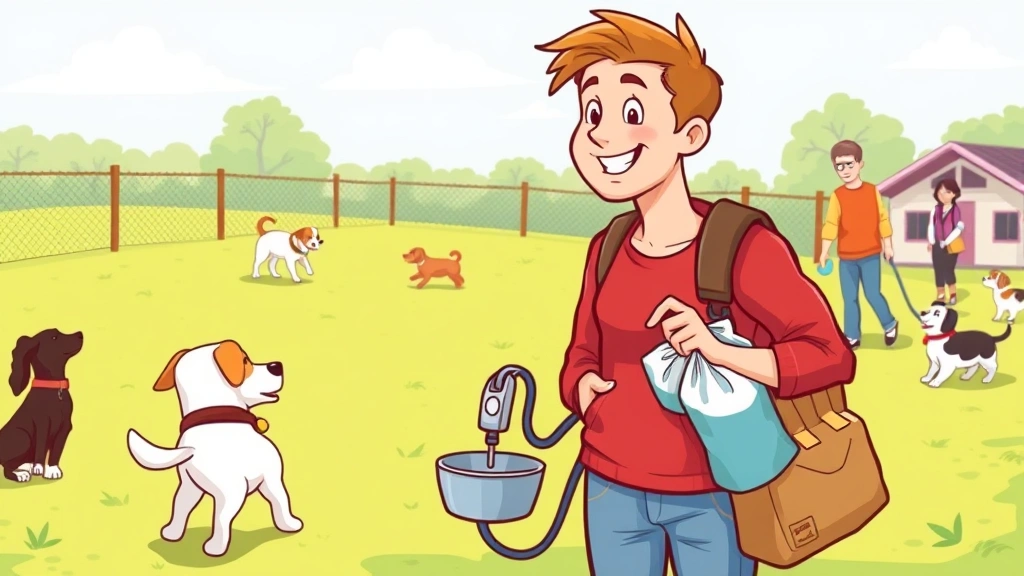
– Bring water and a collapsible bowl, poop bags (bring more than you think you’ll need), a collar and leash (for entering and exiting), and maybe a towel if your dog gets muddy. Leave toys, treats, and anything else at home. Dress for the weather yourself—you’ll be standing around outside. Bring sunscreen and a hat if it’s sunny. Some people bring a chair or blanket, but honestly, you should be watching your dog, not sitting down.
Can I let my dog off-leash anywhere besides a dog run?
– No. Off-leash is only appropriate in designated off-leash areas. Everywhere else, your dog should be leashed. Even if your dog has perfect recall, leashes are a legal requirement in most places, and they protect your dog from traffic, other animals, and people who are afraid of dogs. Just because your dog can control their body doesn’t mean they should be loose in public.
What do I do if my dog gets bitten or injured at a dog run?
– First, remove your dog from the situation immediately. Clean the wound with soap and water. If it’s a puncture wound or deep bite, contact your vet right away—puncture wounds are prone to infection. Document the incident, get the other dog owner’s information, and consider reporting it to the park management. If your dog is limping, bleeding heavily, or showing signs of shock, go to the emergency vet. Don’t delay.
Is my dog too old for a dog run?
– Not necessarily, but it depends on your individual dog. Some senior dogs still enjoy gentle dog run time. Others are better off with quiet walks and home play. If your dog has arthritis, heart issues, or other age-related conditions, ask your vet. If your senior dog is dealing with digestive issues, stress from a dog run might make things worse. Know your dog’s limits and respect them.
What’s the best time of day to visit a dog run?
– Early morning (before 9 AM) and early evening (after 5 PM) tend to be quieter. Midday and weekend afternoons are usually packed. If your dog is shy, anxious, or just not into chaos, visit during quiet times. If your dog loves a crowd and thrives on stimulation, any time works. In summer, avoid midday heat. Visit early morning or evening when it’s cooler.
Can my dog catch something at a dog run?
– Yes. Dog runs are communal spaces, and illness spreads. Kennel cough, giardia, roundworms, and other parasites are common. This is why parasite prevention and vaccines are non-negotiable. If your dog’s immune system is compromised or they’re very young or very old, talk to your vet about the risk-benefit of dog run visits. For most healthy dogs, the benefits outweigh the risks—but you need to be proactive about prevention.
What if another dog is being aggressive toward mine?
– Remove your dog immediately. Don’t try to break up a fight—you’ll get bitten. Use a loud noise or spray bottle to interrupt if needed, but prioritize getting your dog out of the situation. Report the aggressive dog to park management. If there’s a pattern of aggression, that dog shouldn’t be in the park. Your dog’s safety is your responsibility. If you’re uncomfortable, leave.
Does my dog need any special training before visiting a dog run?
– At minimum, your dog should know basic commands like sit, come, and leave it. They should be able to walk on a leash without pulling. They should respond to their name. These skills make the dog run experience safer and more enjoyable. If your dog doesn’t have these basics, work with a trainer before visiting. A dog run is not a place to learn obedience.
Are dog runs worth the hassle?
– For most dog owners and healthy adult dogs, absolutely. A good dog run provides exercise, socialization, and mental stimulation that’s hard to replicate elsewhere. Your dog will be happier, more tired, and better-behaved at home. The hassle of cleaning up poop and dealing with other dogs is minimal compared to the benefits. That said, if your dog has behavioral or health issues, or if your local dog run is poorly maintained and full of problem dogs, it might not be worth it. Choose based on your individual dog’s needs.





