

When your dog starts throwing up yellow, it’s unsettling. That bright yellow or greenish vomit isn’t normal kibble coming back up—it’s bile, and it tells you something’s going on in your dog’s digestive system. I’ve seen countless worried owners in the exam room, and the first thing they ask is: “Is this an emergency?” The answer depends on context, but here’s what you need to know right now: yellow vomit usually means your dog’s stomach is empty or irritated, bile is backing up, or there’s an underlying issue worth investigating.
As a veterinary technician with years of hands-on experience, I can tell you that dog throwing up yellow is one of those symptoms that sounds scarier than it often is—but that doesn’t mean you should ignore it. Sometimes it’s a simple fix. Sometimes it’s not. Let me walk you through what’s actually happening, when to worry, and what to do about it.
What Yellow Vomit Actually Means
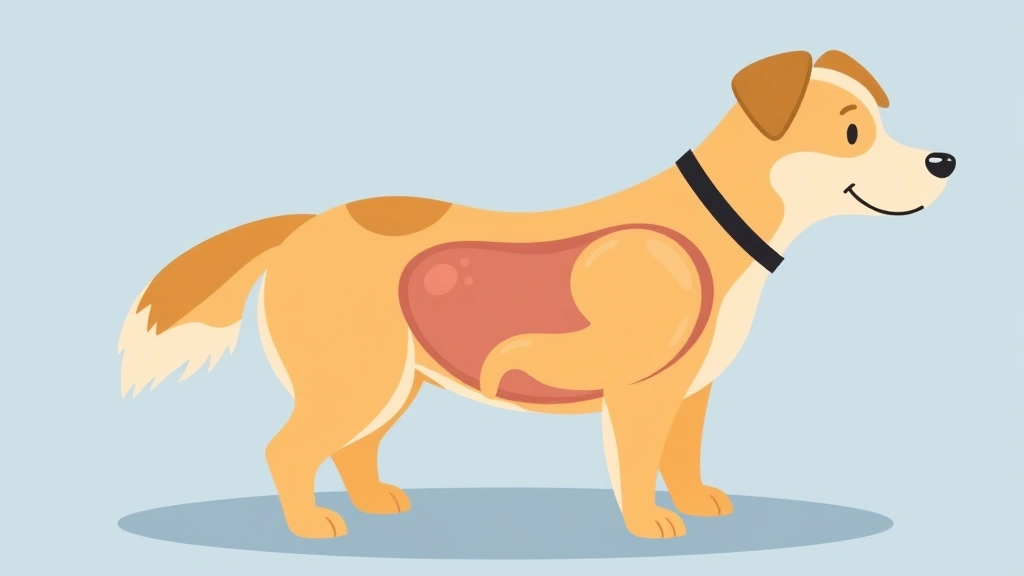
Let’s start with the biology. Yellow or greenish vomit in dogs is almost always bile. Your dog’s liver produces bile to help digest fats. It sits in the gallbladder until food enters the small intestine, then it releases into the digestive tract. When your dog vomits on an empty stomach, or when the stomach lining is irritated, bile can reflux back up into the stomach and come out as that distinctive yellow liquid.
Think of it like this: bile is supposed to move in one direction only, like a one-way valve. When that valve gets confused or the stomach is empty, bile goes the wrong way. That’s what you’re seeing.
The color matters. Bright yellow usually means fresh bile. Greenish-yellow might indicate the vomit has been sitting in the stomach longer. Clear or white vomit mixed with yellow? That’s often stomach acid and bile together. All of these are variations on the same basic problem: your dog’s digestive system is out of sync.
Common Causes of Yellow Vomit in Dogs
Not all dog throwing up yellow cases are the same. Here are the most common culprits I see:
Empty Stomach (Bilious Vomiting Syndrome)
This is probably the most common reason. Your dog goes too long without food, and bile irritates an empty stomach. It happens a lot in dogs fed once a day or those who skip meals. The fix? Feed them more frequently or add a small snack before bed. I’ve seen this resolve in 48 hours with a simple feeding schedule change.
Eating Something They Shouldn’t Have
Garbage, fatty table scraps, spoiled food, or even non-food items can trigger vomiting. The stomach tries to reject it, and up comes the yellow bile. This is super common after dogs raid the trash or sneak food at a party.
Gastritis or Stomach Inflammation
When the stomach lining gets inflamed—from food sensitivities, stress, or infections—it produces extra mucus and irritation. Yellow vomit often follows. This can last days or weeks depending on the cause.
Pancreatitis
This is more serious. The pancreas gets inflamed, usually triggered by fatty foods or certain breeds predisposed to it. Pancreatitis causes yellow vomiting, lethargy, and abdominal pain. It needs veterinary attention.
Intestinal Blockage
If your dog swallowed something that’s stuck, yellow vomit is a red flag. You might also see lethargy, loss of appetite, and abdominal pain. This is a potential emergency.
Liver or Gallbladder Issues
Bile duct obstruction, cholecystitis (gallbladder inflammation), or liver disease can cause bile to back up into the stomach. These are less common but serious.
Dietary Sensitivities or Allergies
Some dogs react to specific ingredients with chronic vomiting. The yellow vomit might come and go depending on what they eat.
Medication Side Effects
Certain medications can irritate the stomach or affect bile production. If your dog started a new med and then started vomiting yellow, mention it to your vet.
When to Call Your Vet (And When It’s Urgent)
Here’s the real talk: not every episode of yellow vomit requires an emergency vet visit. But some do. Let me break down the decision tree.
Call Your Vet Today (Non-Emergency)
- Yellow vomiting happening for the first time but your dog seems otherwise normal
- It’s been 24 hours of occasional yellow vomiting with normal appetite returning
- Your dog has a sensitive stomach history and this fits the pattern
- You recently changed their food
- They ate something questionable but seem fine otherwise
Get to the Vet Within a Few Hours
- Yellow vomiting plus lethargy or loss of appetite lasting more than 12 hours
- Repeated vomiting (more than 3-4 times in a few hours)
- Abdominal pain or tenderness
- Your dog is a breed prone to pancreatitis (Miniature Schnauzer, Cocker Spaniel, etc.) and showing yellow vomit
- Yellow vomiting with diarrhea lasting more than a day
Go to Emergency Vet Now
- Constant vomiting that won’t stop
- Severe lethargy or unresponsiveness
- Signs of shock (pale gums, rapid heart rate, weakness)
- Severe abdominal pain or distension
- You know your dog swallowed something that shouldn’t be there
- Yellow vomiting with inability to keep down water
- Signs of bleeding in vomit (red streaks or coffee-ground appearance)
According to the American Kennel Club’s guidance on emergency vomiting, persistent vomiting combined with other symptoms warrants immediate professional evaluation.
Pro Tip: Take a photo of the vomit if you can stomach it (I know, gross). Show it to your vet. The color, consistency, and contents help them narrow down the cause faster than your description alone.
Home Care Steps You Can Take Today
If your vet says it’s safe to manage at home, here’s what actually works:
Step 1: The Fasting Period
Give your dog’s stomach a break. No food for 6-8 hours after the last vomiting episode. I know it feels wrong to withhold food when they’re sick, but an empty stomach can’t vomit. This gives the irritation time to settle. Water is fine—offer small amounts frequently rather than a full bowl.
Step 2: Introduce Bland Food Slowly
After the fasting period, offer a small amount of bland food. Plain boiled chicken (no skin or bones), plain white rice, or plain pumpkin puree are classic choices. Start with about 1/4 of their normal meal amount. Wait 2-3 hours. If it stays down, you can offer more.
For reference, check out what you can give a dog for upset stomach for more detailed options.
Step 3: Gradual Return to Normal Diet
Over 3-5 days, slowly mix more of their regular food back in. Day 1 might be 75% bland, 25% regular. Day 2, 50/50. By day 5, you’re back to normal—but only if the vomiting has stopped.
Step 4: Frequent, Smaller Meals
Instead of one or two large meals, feed 3-4 smaller portions throughout the day. This keeps the stomach from getting empty and irritated. According to how long it takes a dog to digest food, spacing meals helps maintain digestive rhythm.
Step 5: Hydration Management
Don’t let your dog guzzle water all at once. Offer small amounts—maybe 1/4 cup—every 15-20 minutes. A huge water intake can trigger more vomiting. If your dog won’t stop drinking, limit access slightly and offer ice cubes instead.
Step 6: Rest and Stress Reduction
Keep activity low for 24-48 hours. No intense play, running, or jumping. A calm environment helps the digestive system recover. Stress can actually trigger vomiting in some dogs.
Safety Warning: If your dog vomits even once after starting food again, stop and wait another few hours before trying again. Don’t push the recovery timeline.
Diet and Recovery Timeline
Here’s what a realistic recovery looks like:
Hours 0-8: Fasting period. Water only.
Hours 8-24: First bland meal attempts. Small portions, 2-3 hours apart.
Day 2: If no vomiting, continue bland diet. Increase portion size slightly.
Days 3-5: Gradual transition back to normal food. Mix regular diet in slowly.
Day 6+: Normal diet resumed (assuming no vomiting).
Most cases of simple gastritis or empty-stomach vomiting resolve within 3-5 days. If it’s still happening after a week, your dog needs veterinary evaluation.
For dogs with recurring issues, understanding what safe bland foods like mashed potatoes can do helps you manage flare-ups at home.
Prevention Strategies That Actually Work
Once your dog recovers, let’s keep it from happening again.
Establish a Consistent Feeding Schedule
Feed your dog at the same times every day. If they’re prone to empty-stomach vomiting, split their daily food into 3-4 meals instead of 1-2. This prevents long stretches without food.
Avoid Table Scraps and Garbage
This is huge. Keep trash secured, don’t leave food on counters, and resist those puppy-dog eyes at dinner. Fatty human food is a major trigger for vomiting and pancreatitis.
Monitor Treat Intake
Treats should be no more than 10% of daily calories. Too many treats, especially fatty ones, can upset the stomach.
Choose High-Quality Dog Food
Lower-quality foods with fillers and artificial ingredients are harder to digest. A good food makes a real difference. Ask your vet for recommendations based on your dog’s age and health.
Keep Inedible Objects Out of Reach
Toys, socks, plastic bags, bones—anything that could cause a blockage. Dogs are curious and sometimes eat stupid things. Your job is to remove temptation.
Manage Stress
Anxiety and stress can trigger vomiting. If your dog vomits during thunderstorms or when you leave, stress might be the culprit. Work with your vet on anxiety management.
Regular Vet Checkups
Underlying conditions like pancreatitis, food allergies, or liver issues often show up as yellow vomiting. Annual exams catch problems early.
Medical Treatments Your Vet Might Recommend
If home care isn’t cutting it, your vet has tools in the toolkit.
Anti-Nausea Medications
Drugs like maropitant (Cerenia) or ondansetron (Zofran) stop the vomiting reflex. These work best when combined with dietary changes and addressing the underlying cause. They’re not a cure—they’re a bridge to recovery.
Stomach Protectants
Medications like famotidine reduce stomach acid and protect the lining. If gastritis is the issue, these help.
Probiotics
Healthy gut bacteria support digestion. Some vets recommend probiotics during recovery, though the evidence is mixed. They don’t hurt, and some dogs seem to benefit.
Prescription Diets
If food sensitivity is the cause, your vet might recommend a limited-ingredient or hydrolyzed protein diet. These are specifically formulated to be gentle on sensitive stomachs.
Diagnostic Testing
If vomiting persists, your vet might recommend bloodwork, ultrasound, or X-rays to rule out serious conditions like pancreatitis, blockage, or liver disease. This isn’t optional if symptoms don’t improve in a week.
According to PetMD’s comprehensive resource on dog vomiting, diagnostic imaging is often necessary when yellow vomiting becomes chronic.
Real Talk: Diagnostic testing isn’t cheap. An ultrasound runs $300-800 depending on your area. But it’s worth it to rule out serious stuff. I’ve seen owners delay testing, only to discover their dog had a blockage that required emergency surgery—which cost $3,000+. Get it done sooner rather than later.
Frequently Asked Questions
Is yellow vomit in dogs always serious?
– No. Most cases of dog throwing up yellow are caused by an empty stomach or mild gastritis and resolve with home care. However, if it’s happening repeatedly, combined with other symptoms, or won’t stop, it needs veterinary attention. Think of it like a check-engine light—not always catastrophic, but don’t ignore it.
Can I give my dog Pepto-Bismol or other over-the-counter medications?
– Avoid it. Pepto-Bismol contains bismuth salicylate, which can be problematic in dogs, especially if they have certain conditions or are on other meds. Imodium can mask serious problems. Talk to your vet before giving any medication. What works for humans often doesn’t work for dogs.
How long should I wait before taking my dog to the vet?
– If it’s a single episode and your dog seems fine, wait 24 hours and monitor. If it happens again, call your vet the same day. If it’s continuous or combined with lethargy, don’t wait—go now. When in doubt, call your vet. They can guide you based on your specific dog.
Can stress cause yellow vomiting?
– Yes. Stress, anxiety, and major life changes can trigger vomiting in sensitive dogs. If your dog vomits after stressful events (vet visits, moving, new pets), stress is likely involved. Calming supplements, consistent routine, and sometimes anti-anxiety medication help.
Is yellow vomit different from white or clear vomit?
– Yes, it indicates different things. Yellow is bile. White or foamy vomit is usually stomach acid and mucus. Clear vomit is mostly water or saliva. Each color tells your vet something different about what’s happening. Document the color when you call.
What if my dog keeps throwing up yellow after 3 days of home care?
– It’s time for a vet visit. If home care worked, you’d see improvement by day 3. Persistent vomiting suggests something more than simple gastritis—maybe pancreatitis, an obstruction, or a food allergy. Get diagnostics done.
Can I prevent yellow vomiting entirely?
– You can reduce the risk significantly with consistent feeding schedules, quality food, no table scraps, and stress management. But some dogs are just prone to it due to breed predisposition or underlying conditions. Talk to your vet about individual prevention strategies for your dog.
Is my dog dying if they throw up yellow?
– Probably not. A single episode of yellow vomit doesn’t mean your dog is dying. However, if yellow vomiting is combined with severe lethargy, inability to stand, pale gums, or other serious signs, get emergency care immediately. For more on recognizing serious illness, check out how to tell if your dog is dying.
Why does my dog throw up yellow first thing in the morning?
– Classic empty-stomach vomiting. Your dog’s been fasting overnight, bile irritates the empty stomach, and up it comes. Solution: feed a small snack before bed or first thing in the morning. This usually stops it immediately.
Should I be worried if the yellow vomit has a strong smell?
– A strong, foul smell might indicate bile has been sitting in the stomach longer or there’s a secondary issue. It’s worth mentioning to your vet, but it’s not necessarily an emergency on its own. Take a photo or note the smell when you call.
Last updated: 2024. This article is for informational purposes and should not replace professional veterinary advice. Always consult your veterinarian for diagnosis and treatment of your dog’s health concerns.





