
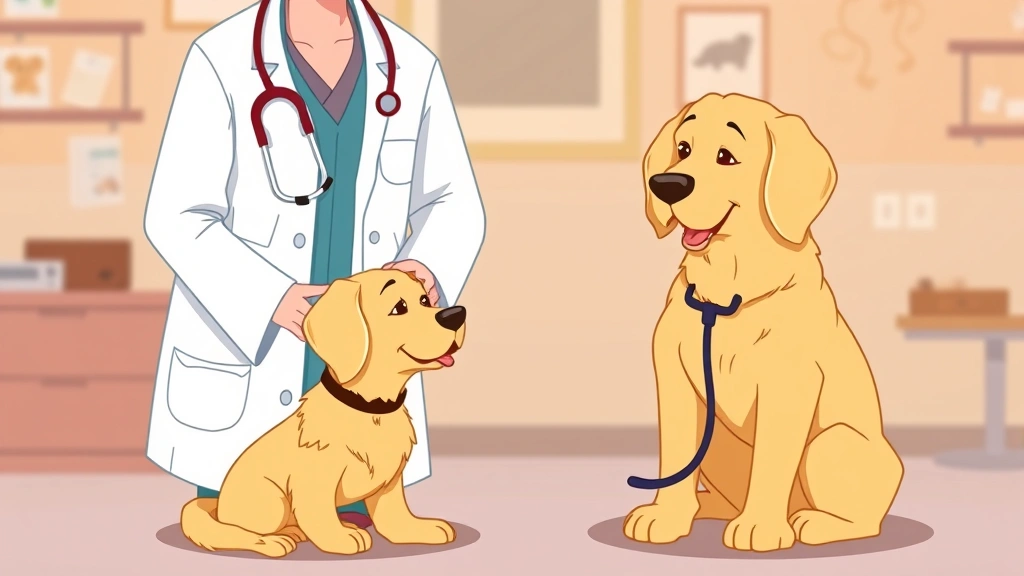
Your vet just said the words every dog parent dreads: “Your dog has a heart murmur.” Your stomach drops. You start Googling at midnight. Is this a death sentence? Will your pup be okay? Can you still play fetch?
Here’s the real talk: a heart murmur in dogs isn’t always a catastrophe. Many dogs live long, happy lives with a murmur—but you need to understand what it actually means, what your vet is hearing, and what you should do next. That’s what this guide covers.
A heart murmur in dogs is an abnormal sound the heart makes during the heartbeat cycle. Your vet detects it with a stethoscope during a routine exam. Some murmurs are innocent and resolve on their own. Others signal an underlying heart condition that needs monitoring or treatment. The key is knowing which category your dog falls into and what steps to take.
What Is a Heart Murmur in Dogs?
Think of your dog’s heart like a four-chambered pump with one-way doors (valves) that keep blood flowing in the right direction. When everything works perfectly, blood moves smoothly and quietly. A heart murmur is an extra sound—a whooshing or swishing noise—that happens when blood doesn’t flow smoothly through the heart chambers or valves.
Your vet hears this noise through a stethoscope during a physical exam. It’s like listening to water running through a pipe versus water hitting an obstacle and splashing around. The abnormal sound means something is disrupting the normal flow.
Here’s what matters: not all murmurs are created equal. Some are “innocent” or “functional” murmurs—they’re harmless and often disappear on their own, especially in puppies. Others indicate a real structural or functional problem with the heart that requires attention.
The tricky part? Your vet can’t always tell the difference just by listening. That’s why they might recommend additional testing to figure out what’s actually going on inside your dog’s chest.
Pro Tip: Don’t panic if your vet mentions a murmur at your dog’s annual exam. Ask them to grade it (we’ll explain this below) and whether they recommend follow-up testing. A single murmur finding isn’t a diagnosis—it’s a clue that needs investigation.
Types and Causes of Heart Murmurs
Heart murmurs in dogs fall into two main buckets: congenital (present from birth) and acquired (developed over time).
Congenital Murmurs
These are structural defects your dog is born with. Common congenital heart problems include:
- Patent Ductus Arteriosus (PDA): A blood vessel that should close after birth stays open, allowing blood to bypass the lungs.
- Ventricular Septal Defect (VSD): A hole in the wall between the heart’s lower chambers.
- Atrial Septal Defect (ASD): A hole between the upper chambers.
- Pulmonary Stenosis: Narrowing of the valve leading to the lungs.
Some congenital murmurs are innocent and pose no real threat. Others can cause problems as your dog ages. Certain breeds are predisposed to specific defects—for example, Cavalier King Charles Spaniels have a higher risk of mitral valve disease.
Acquired Murmurs
These develop as your dog gets older, usually due to wear and tear on the heart valves. The most common cause in older dogs is mitral valve disease (also called degenerative mitral valve disease or DMVD). It’s like the valve gradually weakens and doesn’t seal properly anymore, allowing blood to leak backward.
Other acquired causes include:
- Endocarditis (infection of the heart lining)
- Heart disease secondary to other conditions (kidney disease, hyperthyroidism)
- Cardiomyopathy (weakening of the heart muscle)
- Heartworm disease (if your dog wasn’t on prevention)
Age, breed, and genetics all play a role. Large breeds like German Shepherds and Boxers have higher rates of dilated cardiomyopathy. Small breeds like Chihuahuas and Maltese are prone to mitral valve disease as they age.
How Heart Murmurs Are Diagnosed
Your vet’s stethoscope is the first diagnostic tool, but it’s just the beginning. Here’s what the typical workup looks like:
Physical Examination
Your vet listens to your dog’s heart and lungs, checks the pulse, and assesses overall health. They’ll note where the murmur is loudest, what it sounds like, and when it occurs in the heartbeat cycle.
Chest X-rays
X-rays show the size and shape of the heart. An enlarged heart might indicate the murmur is causing problems. X-rays also reveal if fluid is building up in the lungs, which is a sign of heart failure.
Electrocardiogram (ECG)
This test records the electrical activity of the heart and can reveal arrhythmias (irregular heartbeats) or other electrical problems. It takes just a few minutes and is painless.
Echocardiogram (Ultrasound)
This is the gold standard for diagnosing heart problems. An ultrasound gives your vet a detailed picture of the heart’s structure and function. They can see if valves are leaking, if the heart chambers are enlarged, and how efficiently the heart is pumping. It’s the best way to determine whether a murmur is innocent or serious.
An echo is usually performed by a board-certified veterinary cardiologist, though some general practitioners have the equipment. It’s not cheap—expect to pay $300–$800 depending on your location—but it’s worth it for peace of mind and accurate diagnosis.
Safety Warning: If your vet recommends an echocardiogram, don’t skip it just because of cost. This test is the only way to truly understand what’s happening with your dog’s heart and whether treatment is needed. Delaying diagnosis could mean missing a condition that gets worse over time.
Grading and Severity
Vets grade heart murmurs on a scale of I to VI, with I being the quietest and VI being the loudest. Here’s what each grade typically means:
- Grade I: Very faint; barely audible even in a quiet room. Often innocent.
- Grade II: Quiet but easily heard with a stethoscope. Could be innocent or mild disease.
- Grade III: Moderately loud; clearly audible. Suggests possible underlying disease.
- Grade IV: Loud; may be accompanied by a palpable “thrill” (vibration you can feel). Usually indicates disease.
- Grade V: Very loud; easily felt as a thrill. Indicates significant disease.
- Grade VI: Extremely loud; can be heard without a stethoscope. Indicates severe disease.
Here’s the important caveat: grade doesn’t always equal severity. A Grade I murmur might indicate nothing serious, or it could hide a problem that only an echocardiogram reveals. Conversely, a Grade III murmur might be innocent. The grade is just one piece of the puzzle.
This is why your vet might recommend further testing even if the murmur seems “mild.” They’re not being overly cautious—they’re being thorough.
Symptoms and Warning Signs to Watch

Many dogs with heart murmurs show no symptoms at all, especially in the early stages. That’s why regular vet exams are so important—your vet might catch a murmur before your dog feels sick.
That said, watch for these red flags:
- Difficulty breathing or shortness of breath: Your dog might breathe harder than usual during or after light activity. Learn more about this in our guide on why dogs breathe fast.
- Coughing: Especially a dry cough that worsens at night or when lying down. This can indicate fluid buildup in the lungs.
- Lethargy or reduced exercise tolerance: Your dog tires more easily or seems less interested in activities they used to love.
- Fainting or collapse: This is serious and needs immediate attention.
- Pale gums: A sign of poor circulation.
- Abdominal swelling: Fluid accumulation in the belly, indicating heart failure.
- Rapid or irregular heartbeat: You might notice this if you feel your dog’s pulse.
If your dog shows any of these symptoms, don’t wait for your next scheduled appointment. Call your vet or an emergency clinic.
It’s also worth noting that stress and illness can make symptoms worse. If your dog has a murmur and develops a fever, or shows signs of infection, that’s extra reason to get them checked promptly.
Treatment and Management Options
Treatment depends entirely on what the underlying problem is. Here’s the breakdown:
Innocent Murmurs
If your vet and the echocardiogram confirm the murmur is innocent (no structural or functional abnormality), you basically do nothing. Your dog lives a completely normal life. No medication, no restrictions, no special diet. Just keep up with regular vet exams to make sure nothing changes.
Mild Heart Disease
If there’s mild valve disease or a small defect but no signs of heart failure, your vet might recommend:
- Monitoring: Regular exams and possibly periodic echocardiograms to catch progression early.
- Preventive antibiotics: Before dental procedures, to reduce the risk of infection reaching the heart.
- Activity modification: Avoiding strenuous exercise or extreme heat, which can stress the heart.
Moderate to Severe Heart Disease
If there’s significant disease or signs of heart failure, medication becomes necessary. Common medications include:
- ACE inhibitors (e.g., enalapril): Help the heart pump more efficiently and reduce strain.
- Diuretics (e.g., furosemide): Remove excess fluid if the lungs or abdomen are congested.
- Inotropes (e.g., pimobendan): Strengthen heart contractions.
- Beta-blockers: Slow the heart rate and reduce workload.
- Aldosterone antagonists: Help manage fluid balance.
Your vet will tailor the medication regimen to your dog’s specific condition. Giving pills can be hard—we get it—but these medications genuinely extend life and improve quality of life for dogs with heart disease.
Surgical Options
For certain congenital defects (like PDA), surgery might be an option. This is typically performed by a veterinary cardiologist at a specialty hospital. It’s expensive and carries risks, but for some dogs, it’s life-changing. Discuss this with your vet if your dog has a correctable defect.
Pro Tip: If your dog needs heart medication, set a phone reminder or use a pill organizer to stay on track. Consistency matters. Missing doses can cause symptoms to flare up.
Lifestyle Adjustments for Dogs with Murmurs
Even if your dog doesn’t need medication, a heart murmur diagnosis calls for some lifestyle tweaks to keep stress off the heart.
Exercise and Activity
You don’t have to turn your dog into a couch potato. But do avoid intense, sustained exercise. Short walks are fine. Sprinting after a ball repeatedly? Not ideal. On hot days, keep activity minimal—heat stresses the cardiovascular system.
Let your dog set the pace. If they seem tired, head home. You know your dog better than anyone.
Diet
A heart-healthy diet can make a real difference. Ask your vet about a prescription heart diet or a high-quality commercial food formulated for cardiac health. These diets are typically lower in sodium and higher in omega-3 fatty acids, which support heart function.
If you’re unsure about food choices, check out our article on dog food quality for guidance on what makes a good diet.
Weight Management
Excess weight puts extra strain on the heart. If your dog is overweight, work with your vet on a gradual weight loss plan. Even a few pounds can make a difference in how well the heart functions.
Stress Reduction
Chronic stress isn’t good for any heart. Keep your dog’s environment calm and predictable. Avoid situations that trigger anxiety. If your dog is prone to stress-related behaviors like excessive licking, work on reducing triggers.
Preventive Care
Keep up with vaccinations (including DHPP), heartworm prevention, and dental care. Infections can worsen heart conditions, so staying on top of prevention is crucial.
Also, if your dog experiences gastrointestinal issues like diarrhea, treat them promptly. Chronic digestive upset can stress the body and the heart.
Regular Monitoring
Depending on your dog’s diagnosis, your vet might recommend check-ups every 6 months or annually. Don’t skip these. They’re your best tool for catching changes early.
When to Seek Emergency Care
Some situations can’t wait for a regular appointment. Head to an emergency clinic immediately if your dog:
- Faints or collapses
- Has severe difficulty breathing or gasping for air
- Shows signs of extreme distress or panic
- Has pale or blue-tinged gums
- Vomits blood or has bloody diarrhea
- Has a rapid heartbeat that doesn’t slow down with rest
- Shows sudden onset of severe lethargy or unresponsiveness
These are signs of acute heart failure or other serious cardiac emergencies. Every minute counts.
If you’re ever unsure, call your vet or the emergency clinic and describe what you’re seeing. They can advise you on whether to come in.
Frequently Asked Questions
Can a dog with a heart murmur live a normal life?
– Yes, many dogs do. If the murmur is innocent or mild, your dog can live a completely normal lifespan with no restrictions. Even dogs with more serious murmurs can live good quality lives with proper management and medication. The key is catching the problem early and staying on top of treatment.
Is a heart murmur in a puppy serious?
– Not necessarily. Puppies often have innocent murmurs that disappear as they grow. Your vet will monitor it, and an echocardiogram can determine if it’s concerning. Many puppy murmurs resolve on their own by 6-12 weeks of age.
How much does it cost to treat a dog with a heart murmur?
– It varies widely. An initial echocardiogram might cost $300–$800. If medication is needed, expect $20–$100+ per month depending on the drugs and your dog’s size. Emergency care can be much more expensive. Ask your vet about costs upfront and discuss payment options or pet insurance if budget is a concern.
Can heart murmurs be prevented?
– Congenital murmurs can’t be prevented—they’re present from birth. Acquired murmurs related to aging and valve degeneration are largely unavoidable, though maintaining a healthy weight, regular exercise, and preventive care (vaccinations, heartworm prevention, dental care) can support overall heart health.
Should my dog with a murmur get vaccinated?
– Yes. Vaccinations protect against serious infections that could complicate heart disease. Discuss the vaccination schedule with your vet, especially if your dog has severe heart disease. They might adjust the timing or approach, but vaccinations are still important.
Can diet help a dog with a heart murmur?
– Absolutely. A diet formulated for cardiac health, lower in sodium and higher in omega-3 fatty acids, can support heart function. Some prescription diets are specifically designed for dogs with heart disease. Your vet can recommend the best option for your dog.
How often should my dog be checked if they have a heart murmur?
– If it’s an innocent murmur, annual exams are typically sufficient. If there’s underlying disease, your vet might recommend check-ups every 6 months or more frequently depending on severity. Ask your vet what schedule makes sense for your dog’s specific situation.
Can a dog with a heart murmur play with other dogs?
– It depends on the severity and your dog’s individual tolerance. Mild play is usually fine, but intense, high-energy play that gets your dog’s heart racing might not be ideal. Know your dog’s limits and watch for signs of fatigue or distress. When in doubt, ask your vet.
Will my dog’s heart murmur get worse over time?
– Innocent murmurs often improve or disappear. Acquired murmurs related to valve degeneration typically progress slowly over years. With proper management and medication, you can slow progression and maintain quality of life. Regular monitoring helps you catch changes early.
Is heartworm disease related to heart murmurs?
– Heartworm can cause heart murmurs as a secondary effect, but they’re not directly related. That’s why heartworm prevention is so important—it protects your dog’s heart and overall health. Make sure your dog is on year-round heartworm prevention as recommended by your vet.
This article is for informational purposes and should not replace professional veterinary advice. Always consult with your veterinarian about your dog’s specific health concerns.





