
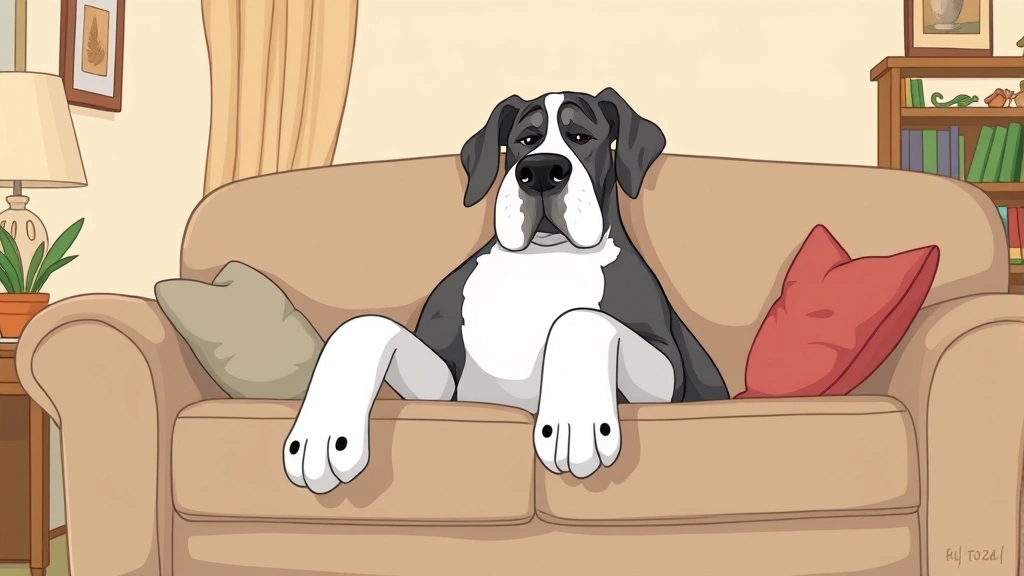
So you want a dog that makes a statement when you walk into a room? A largest dog breed might be exactly what you’re looking for—but before you fall in love with those soulful eyes and massive paws, let’s talk real talk. Giant breeds are incredible companions, but they come with real challenges: shorter lifespans (often 7-10 years), expensive vet bills, joint problems, and the sheer logistics of fitting a small horse into your home. But if you’re ready for the commitment, owning one of the largest dog breeds is an unforgettable experience.
This guide covers everything you need to know about the biggest, gentlest, and most impressive dogs on the planet—from breed selection to health management to whether your lifestyle actually fits a giant furry friend.
What Defines the Largest Dog Breed?
When we talk about the largest dog breed, we’re typically referring to dogs weighing 100+ pounds at maturity. The American Kennel Club (AKC) classifies giant breeds separately from large breeds, and there’s a meaningful difference. A large dog might be 70-90 pounds; a giant is usually 100-150+ pounds, with some individuals pushing even higher.
Here’s the thing: size isn’t just about weight. It’s about the entire physiology changing. Giant breeds have different bone density, different metabolic rates, and different aging patterns than medium or large dogs. Their hearts work harder. Their joints bear more stress. Everything is amplified.
The largest dog breed category includes mastiffs, Great Danes, Saint Bernards, Newfoundlands, Irish Wolfhounds, and a handful of others. Each has its own personality quirks and health predispositions, which we’ll get into.
Top Giant Dog Breeds (With Real Details)
Great Dane
Often called the “Apollo of Dogs,” the Great Dane is the largest dog breed by height (up to 34 inches at the shoulder). They typically weigh 110-180 pounds. Despite their size, they’re surprisingly couch-potato-ish and don’t need excessive exercise. The catch? Their lifespan is notoriously short—often just 7-10 years. Heart issues and bloat are major concerns. They’re gentle, affectionate, and excellent with kids, but they’re also expensive to feed and prone to joint problems early in life.
English Mastiff
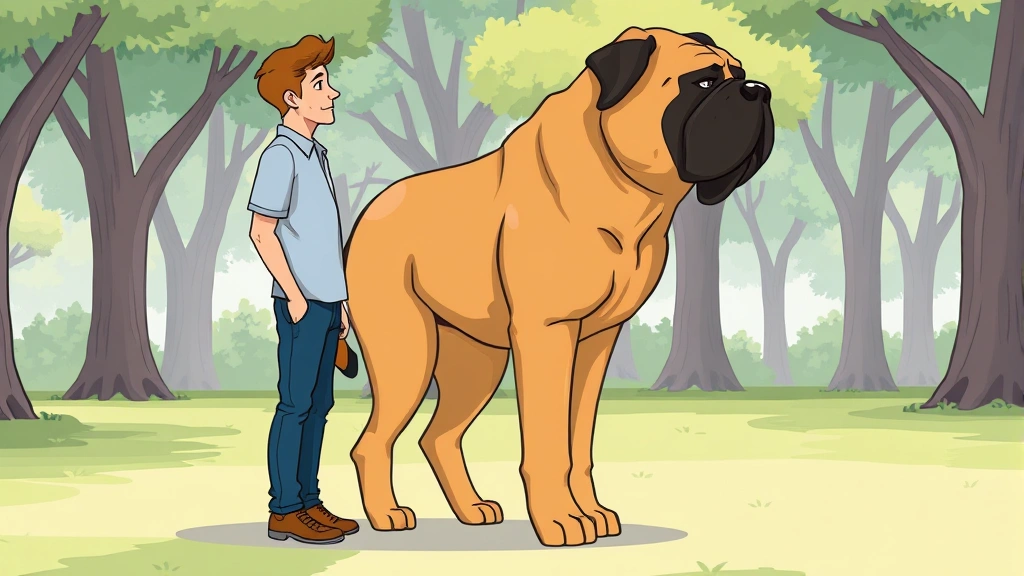
This is the heaviest largest dog breed by weight. English Mastiffs regularly hit 150-250 pounds, with some record-holders exceeding 300 pounds. They’re calm, loyal, and surprisingly lazy. They drool. A lot. They also have a strong protective instinct, so socialization from puppyhood is non-negotiable. Like Great Danes, they have a shorter lifespan (6-10 years) and are prone to hip dysplasia and heart disease.
Saint Bernard
These rescue dogs were bred to find lost travelers in Alpine mountains, so they have incredible endurance despite their size (120-180 pounds). They’re friendly, patient, and excellent family dogs. The downside? They shed like a golden retriever in spring—year-round. They need regular grooming or your house will be covered in hair. They also love cold weather and can struggle in hot climates.
Newfoundland
Weighing 100-150 pounds, Newfoundlands are water-loving, webbed-paw swimmers. They’re incredibly intelligent and have been used as water rescue dogs for centuries. They’re gentle with children and other animals. However, they require significant grooming (they have a double coat), they shed extensively, and they’re prone to hip dysplasia and heart conditions. They also need access to water for mental stimulation.
Irish Wolfhound
At 140-180 pounds, the Irish Wolfhound is one of the tallest largest dog breed options. They were originally bred to hunt wolves and elk. They’re surprisingly gentle and good-natured, but they have a very short lifespan (6-8 years)—even shorter than Great Danes. They’re also prone to bone cancer and heart disease. If you adopt one, know you’re signing up for a short but meaningful relationship.
Bernese Mountain Dog
A slightly smaller giant at 70-115 pounds, the Bernese Mountain Dog is a Swiss working breed. They’re loyal, intelligent, and excellent with families. They were bred to pull carts and herd cattle, so they appreciate having a job. They shed significantly and prefer cooler climates. Lifespan is typically 7-10 years, with hip dysplasia being a concern.
Health Concerns Every Giant Breed Owner Should Know
Here’s where the romance of owning the largest dog breed meets reality. Giant breeds have specific, predictable health problems. This isn’t pessimism—it’s preparation.
Hip and Elbow Dysplasia
This is the most common orthopedic issue in giant breeds. Dysplasia means the joint doesn’t fit together properly, leading to arthritis, pain, and mobility issues. Responsible breeders screen for this using Orthopedic Foundation for Animals (OFA) testing, so always ask for health clearances before buying a puppy. Even with good genetics, giant dogs are at higher risk simply because of their weight and growth rate.
Bloat (Gastric Dilatation-Volvulus)
This is a life-threatening emergency where the stomach twists and fills with gas. It happens suddenly, often with no warning. Deep-chested breeds (like Great Danes, Mastiffs, and Saint Bernards) are at highest risk. Signs include restlessness, a distended abdomen, retching without vomiting, and rapid heartbeat. This requires immediate surgery—like, drop-everything-and-drive-to-the-ER immediate. It costs $3,000-$5,000+ and has a 20-30% mortality rate even with treatment. Some vets recommend preventative surgery (gastropexy) for at-risk breeds.
Heart Disease
Dilated cardiomyopathy (DCM) is common in giant breeds, especially Great Danes. The heart becomes enlarged and weakens, leading to heart failure. Many dogs show no symptoms until it’s advanced. Regular cardiac screening (echocardiograms) can catch it early, but there’s no cure—only management with medication.
Bone Cancer (Osteosarcoma)
Giant breeds have a 5-10% lifetime risk of bone cancer, compared to less than 1% in smaller dogs. It typically affects the legs and is extremely aggressive. Treatment usually involves amputation and chemotherapy, and the prognosis is poor.
Arthritis and Joint Issues
Giant breeds’ joints simply can’t handle their own weight forever. By age 5-6, many are showing signs of arthritis. Joint supplements (glucosamine, chondroitin, omega-3s) can help, but they’re not a cure. Weight management is critical—keeping your giant lean can add years to their life.
Pro Tip: Get pet insurance early. Giant breeds have expensive health issues, and insurance premiums are cheaper when your dog is young and healthy. Some policies exclude hereditary conditions if you don’t enroll before symptoms appear.
Space, Exercise & Living Requirements
You might think the largest dog breed needs an enormous yard and hours of exercise. You’d be half-right.
Here’s the paradox: many giant breeds are actually couch potatoes. Great Danes, for example, need about 30-60 minutes of moderate exercise daily—less than a Border Collie. Mastiffs are even lazier. Saint Bernards and Newfoundlands need more activity, but not because they’re hyperactive; they just have more stamina.
That said, space matters. A 180-pound Mastiff in a studio apartment is logistically awkward. They take up room just by existing. Their tail can knock things off tables. They need space to move without constantly bumping into furniture.
The ideal setup:
- A house with a fenced yard (not required, but helpful for bathroom breaks and play)
- Easy access to outdoor areas (apartments can work, but ground-floor is better; carrying a 150-pound dog up stairs is not fun)
- Air conditioning (giant breeds overheat easily due to their size and many have thick coats)
- Durable flooring (hardwood or tile, not carpet—easier to clean and better for joints)
- Sturdy furniture (they will lean on you, sit on you, and use you as a pillow)
Exercise should be moderate and consistent. Giant breeds grow extremely fast (reaching full size by 18-24 months), and too much exercise during growth can damage developing joints. Avoid jumping, running on hard surfaces, and strenuous play until they’re fully grown. Swimming is excellent for giant breeds—it’s low-impact and builds muscle without stressing joints.
The Real Cost of Owning a Largest Dog Breed
Let’s talk money, because this is where many giant breed owners get blindsided.
Food Costs
A 150-pound dog eats a lot. High-quality dog food (which you should feed a giant breed) costs $2-4 per pound. A 150-pound dog eating 4-6 cups daily can cost $100-200+ per month just in food. Over a year, that’s $1,200-2,400. Over a 10-year lifespan, you’re looking at $12,000-24,000 in food alone.
Veterinary Care
Giant breeds need more vet visits. Routine care (annual exams, vaccines, dental cleanings) runs $500-1,000 yearly. Screening tests (hip/elbow X-rays, cardiac ultrasounds) add another $500-1,500. Then there are the emergency visits. Bloat surgery? $3,000-5,000. Hip dysplasia management? $2,000-10,000+. A single health crisis can cost more than a used car.
Medication & Supplements
Once your giant hits middle age (around 5-6 years), they’ll likely need joint supplements ($20-50/month), pain medication ($30-100/month if arthritis develops), and possibly heart medication ($50-150/month). That’s another $240-1,800 yearly.
Other Costs
Grooming for long-haired giants (Saint Bernards, Newfoundlands) runs $100-200 per session, every 6-8 weeks. That’s $600-1,200+ yearly. Boarding? Most facilities charge extra for giant breeds—$50-75 per day instead of $30-40. Travel with your dog (flying) is expensive; check out our guide on how to fly with a large dog for specifics. Training and socialization classes cost $100-300+ per session.
Total Lifetime Cost Estimate
Food, vet care, grooming, and supplies for a 10-year lifespan: $25,000-50,000+. That’s not including emergencies. If your dog needs surgery or extended treatment, you could easily exceed $60,000-70,000.
This isn’t meant to scare you away—it’s meant to help you plan. If you can’t afford a $3,000 emergency vet bill without stress, a giant breed might not be the right choice right now.
Training & Temperament: Gentle Giants Aren’t Automatic
The marketing around giant breeds emphasizes their gentleness. “Gentle giants,” the saying goes. And it’s true—most are naturally calm and good-natured. But here’s what people miss: a 180-pound dog that hasn’t been trained is not gentle. It’s dangerous.
A 50-pound dog jumping on a child is annoying. A 150-pound dog jumping on a child is a trip to the hospital. A 50-pound dog pulling on the leash is manageable. A 150-pound dog pulling on the leash is unstoppable.
Training is non-negotiable with the largest dog breed. You need:
- Basic obedience (sit, stay, come, down) starting at 8 weeks
- Leash training (they need to walk calmly beside you, not drag you)
- Socialization (exposure to people, dogs, environments during the critical 8-16 week window)
- Impulse control (teaching them not to jump, not to steal food, not to charge the door)
Many giant breeds have a protective instinct. Mastiffs, in particular, are naturally suspicious of strangers. This isn’t aggression—it’s wariness. But without proper socialization, wariness can become reactivity or aggression. Responsible ownership means enrolling in training classes, not just hoping they’ll “figure it out.”
The good news? Most giant breeds are intelligent and eager to please. They respond well to positive reinforcement (treats, praise, play). They’re not stubborn like some smaller breeds. They just need clear, consistent guidance.
Nutrition & Feeding for Giant Dogs
Giant breed dogs have unique nutritional needs. Their rapid growth rate (reaching 100+ pounds in 18-24 months) means improper nutrition during puppyhood can cause permanent joint damage.
Puppy Nutrition
Giant breed puppies should eat food specifically formulated for large/giant breeds. Regular puppy food has too much calcium and phosphorus, which can accelerate growth and damage developing bones. Look for foods with:
- Controlled calcium (0.8-1.2% on a dry matter basis)
- Controlled phosphorus (0.6-0.8%)
- Moderate protein (22-24% for puppies)
- Lower fat than regular puppy food
Feed measured portions, not free-feeding. A giant breed puppy should gain weight steadily but not rapidly. Overfeeding is one of the biggest mistakes owners make, and it directly contributes to hip dysplasia and joint problems later.
Adult Nutrition
Once your dog reaches full size (18-24 months), switch to adult giant breed formula. Continue feeding high-quality food—cheap kibble with fillers and by-products is a false economy when you’re dealing with a dog prone to health issues. Look for foods with:
- Named meat proteins (chicken, beef, fish—not “meat meal” or “by-products”)
- Appropriate calorie content (not too high, which promotes obesity)
- Joint-supporting ingredients (glucosamine, chondroitin, omega-3s)
- Antioxidants (for aging dogs)
Feeding frequency: Most adults do well on two meals daily. This also reduces bloat risk compared to one large meal.
Weight Management
This is critical. Obesity dramatically worsens joint problems and shortens lifespan. Your vet should assess your dog’s body condition at every visit. You should be able to feel ribs without pressing hard, and there should be a visible waist when viewed from above. If your dog is overweight, reduce food portions and increase exercise—don’t just switch to “diet food.”
Safety Warning: Never exercise your giant breed immediately after eating. Wait at least 2 hours before vigorous activity to reduce bloat risk. Slow feeders (puzzle bowls) can also help reduce the speed of eating.
Lifespan & Senior Care for Large Breeds
This is the hardest part of owning the largest dog breed: they don’t live as long as smaller dogs. A Chihuahua might live 15-18 years. A Great Dane typically lives 7-10 years. An Irish Wolfhound might only make it to 6-8 years.
Why? Larger animals have faster metabolic rates and higher cancer risk. Their organs work harder. Their cells divide more frequently (creating more opportunities for cancer). It’s biology, and it’s heartbreaking, but it’s important to understand going in.
Senior Care (Age 5-7+)
Your giant will start showing age signs earlier than you expect:
- Reduced mobility (stiffness, especially after rest or exercise)
- Hearing loss (common by age 7-8)
- Vision changes (cloudiness in the eyes, reduced night vision)
- Cognitive changes (confusion, disorientation, changes in sleep/wake cycles)
- Incontinence (accidents in the house, especially at night)
- Changes in appetite or eating habits
Senior giant breeds need:
- More frequent vet visits (twice yearly instead of annually)
- Joint support (supplements, pain medication if needed)
- Orthopedic bedding (memory foam, not hard floors)
- Ramps or stairs (to avoid jumping on/off furniture or vehicles)
- Modified exercise (shorter walks, swimming instead of running)
- Dietary adjustments (senior formulas, softer food if dental issues develop)
The end-of-life conversation is difficult but necessary. Giant breeds often develop untreatable conditions (advanced cancer, severe heart disease, severe arthritis). Talk with your vet about quality-of-life metrics and end-of-life options before you’re in crisis mode. Having that conversation when your dog is healthy makes the hard decision easier when the time comes.
Frequently Asked Questions
Is the largest dog breed right for first-time dog owners?
– Not typically. Giant breeds require experienced handling, training, and understanding of their specific health needs. If you’re a first-time owner, consider starting with a medium-sized breed and working your way up. If you’re set on a giant breed, invest heavily in training and education, and connect with breed-specific clubs or mentors.
Can I keep the largest dog breed in an apartment?
– Technically yes, but it’s not ideal. Giant breeds don’t need massive yards, but they do need regular outdoor access and space to move comfortably indoors. Ground-floor apartments are much better than upper floors (carrying a 150-pound dog up stairs is a nightmare). Make sure your building allows large dogs and doesn’t have breed restrictions.
How much does a largest dog breed puppy cost?
– Reputable breeders charge $1,500-3,500+ for giant breed puppies. Rescue dogs are much cheaper ($100-500) and often come with behavioral history that helps you make an informed decision. Avoid backyard breeders and puppy mills—they cut corners on health screening, and you’ll pay for it in vet bills later. If you’re unsure about your dog preferences, take our what type of dog am I quiz to explore if a giant breed fits your lifestyle.
What’s the best food for a largest dog breed?
– Look for AAFCO-certified foods specifically formulated for large or giant breeds. Brands like Royal Canin, Hill’s Science Diet, and Purina Pro Plan have giant breed lines. Some owners prefer raw or home-cooked diets, but these require careful nutritional planning—consult a veterinary nutritionist. Avoid generic “all life stages” foods, which don’t account for giant breed growth needs.
Do largest dog breeds get along with other pets?
– Most are gentle and sociable, but individual temperament varies. Early socialization (8-16 weeks) is critical. Some giant breeds have prey drive (especially those bred for hunting like Irish Wolfhounds), so they may not be safe with cats or small animals. Always supervise introductions and assess your specific dog’s personality.
How do I know if a breeder is responsible?
– Responsible breeders: conduct health testing (OFA/PennHIP for hips/elbows, cardiac screening, eye exams), provide health guarantees, ask you detailed questions about your home/lifestyle, stay involved in their puppies’ lives, and are transparent about breed health issues. Avoid breeders who can’t provide health clearances, won’t let you visit, or pressure you to buy quickly. Check the AKC website for breed clubs and referrals.
Are largest dog breeds good for families with young children?
– Most are excellent with kids due to their gentle temperament, but supervision is essential. A 150-pound dog can accidentally knock over a toddler. Teach children to respect the dog’s space and never pull ears/tails. Train your giant breed not to jump. Older children (8+) typically do better with giant breeds than toddlers.
What if I can’t afford the veterinary costs?
– Pet insurance is your best option. Enroll early (before health issues develop) and choose a plan with good coverage for hereditary conditions. Some plans cover 70-90% of costs after a deductible. If insurance isn’t feasible, start a dedicated savings account now—aim for $3,000-5,000 for emergencies. Some vets offer payment plans. There’s also information about assistance programs, though these are limited.
How do I transition my largest dog breed to senior care?
– Start early (around age 5-6). Switch to senior formula food, increase vet visits to twice yearly, add joint supplements, and modify exercise. Get baseline health screening (bloodwork, X-rays, ultrasounds) so you know what’s normal for your dog. This makes it easier to catch problems early. Be patient with incontinence and cognitive changes—your senior dog isn’t being difficult; they’re aging.





