

As pet owners become increasingly conscious about their dogs’ nutrition, many are exploring natural supplements and additives to enhance their furry friends’ diets. One ingredient that has gained significant attention is olive oil, a staple in Mediterranean cuisine known for its numerous health benefits in humans. But can dogs have olive oil safely, and does it offer the same advantages for our canine companions?
The question of whether olive oil is beneficial for dogs has sparked considerable interest among veterinarians, nutritionists, and pet owners alike. While olive oil contains valuable nutrients and healthy fats, understanding the proper dosage, potential benefits, and possible risks is crucial before adding this golden liquid to your dog’s food bowl. This comprehensive guide will explore everything you need to know about incorporating olive oil into your dog’s diet safely and effectively.
What is Olive Oil and Its Nutritional Profile
Olive oil is extracted from the fruit of olive trees and has been a dietary staple for thousands of years. This liquid gold contains a rich array of nutrients that make it particularly interesting for canine nutrition. The primary component of olive oil is oleic acid, a monounsaturated fat that comprises approximately 70-80% of its fatty acid content.
The nutritional profile of olive oil includes vitamin E, a powerful antioxidant that supports immune function and skin health. It also contains vitamin K, which plays a crucial role in blood clotting and bone metabolism. Additionally, olive oil provides small amounts of vitamins A and D, along with various phenolic compounds that contribute to its antioxidant properties.
One tablespoon of olive oil contains approximately 120 calories and 14 grams of fat, making it a calorie-dense addition to any diet. For dogs, this high caloric content means that even small amounts can significantly impact their daily caloric intake, which is why proper dosing is essential.

Health Benefits of Olive Oil for Dogs
When used appropriately, olive oil can offer several health benefits for dogs. The monounsaturated fats in olive oil support cardiovascular health by helping to maintain healthy cholesterol levels. These healthy fats also play a crucial role in nutrient absorption, particularly fat-soluble vitamins A, D, E, and K.
The vitamin E content in olive oil acts as a natural antioxidant, helping to protect cells from oxidative damage and supporting immune system function. This can be particularly beneficial for senior dogs or those with compromised immune systems. The anti-inflammatory properties of olive oil may also help dogs with arthritis or other inflammatory conditions, though it should never replace veterinary treatment.
Many dog owners report improvements in their pets’ coat shine and skin health after incorporating small amounts of olive oil into their diet. The healthy fats help maintain skin barrier function and can reduce dryness and flakiness. However, similar to how coconut oil benefits can vary between dogs, olive oil’s effects may differ from one pet to another.
Digestive health may also benefit from olive oil supplementation. The oil can help lubricate the digestive tract and may assist with mild constipation issues. Some studies suggest that olive oil’s anti-inflammatory properties could support overall gut health, though more research is needed to confirm these effects in dogs specifically.
Safety Considerations and Potential Risks
While olive oil can be beneficial, it’s not without potential risks. The most significant concern is its high caloric content, which can contribute to weight gain and obesity if not properly managed. Obesity in dogs is linked to numerous health problems, including diabetes, joint issues, and reduced life expectancy, making portion control absolutely critical.
Some dogs may experience gastrointestinal upset when first introduced to olive oil, particularly if given too much too quickly. Symptoms can include diarrhea, vomiting, or stomach discomfort. Dogs with sensitive stomachs or existing digestive issues should be monitored closely when introducing any new dietary supplement.
Pancreatitis is another serious concern, especially for dogs prone to this condition. The high fat content in olive oil can trigger pancreatitis episodes in susceptible dogs, leading to severe abdominal pain, vomiting, and potentially life-threatening complications. Dogs with a history of pancreatitis should only consume olive oil under strict veterinary supervision.
Quality matters significantly when it comes to olive oil safety. Rancid or low-quality oils can contain harmful compounds that may negatively impact your dog’s health. Always choose high-quality, fresh olive oil and store it properly to maintain its nutritional integrity.
Proper Dosage Guidelines for Dogs
Determining the appropriate dosage of olive oil for dogs depends on several factors, including body weight, activity level, and overall health status. As a general guideline, most veterinarians recommend no more than one teaspoon of olive oil per 20 pounds of body weight per day, and many suggest starting with even smaller amounts.
For small dogs weighing under 20 pounds, a few drops to a quarter teaspoon daily is typically sufficient. Medium-sized dogs (20-50 pounds) may receive up to half a teaspoon, while larger dogs (50-90 pounds) might handle up to one teaspoon. Giant breeds over 90 pounds should generally not exceed one and a half teaspoons daily, though individual tolerance may vary.
It’s crucial to introduce olive oil gradually, starting with just a few drops and monitoring your dog’s response over several days before increasing the amount. This slow introduction helps prevent digestive upset and allows you to observe any adverse reactions. The American Kennel Club emphasizes the importance of moderation when adding any supplement to a dog’s diet.
Remember that these are general guidelines, and individual dogs may have different tolerance levels. Factors such as age, health status, and current diet composition should all be considered when determining the appropriate dosage for your specific pet.
Choosing the Right Type of Olive Oil
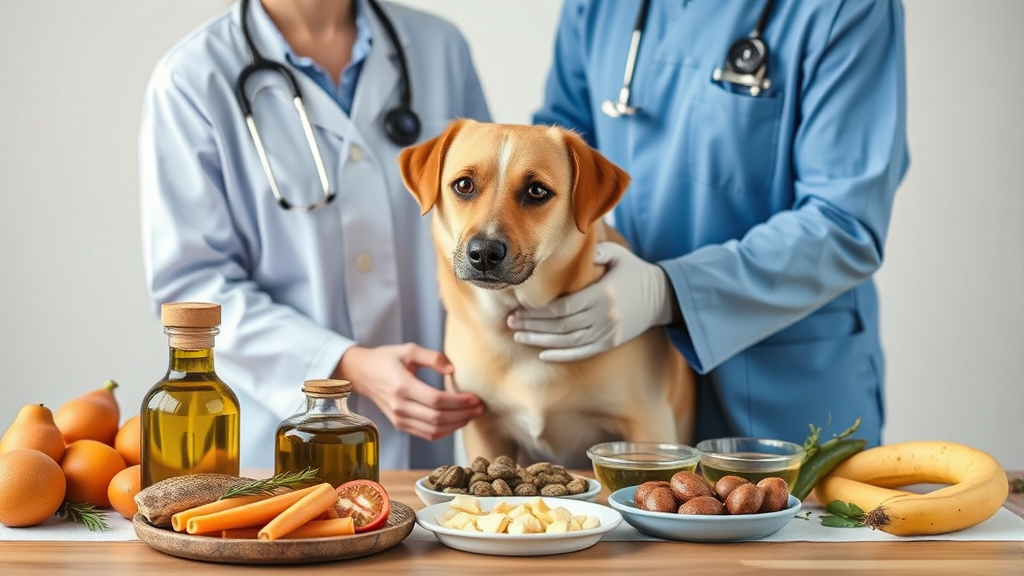
Not all olive oils are created equal, and selecting the right type is essential for maximizing benefits while minimizing risks. Extra virgin olive oil is generally considered the best choice for dogs due to its minimal processing and higher retention of beneficial compounds. This type of olive oil undergoes cold-pressing, which preserves more nutrients and antioxidants compared to refined varieties.
Avoid flavored olive oils, as they may contain additives, herbs, or spices that could be harmful to dogs. Garlic and onion-infused oils, in particular, should never be given to dogs as these ingredients are toxic to canines. Similarly, avoid olive oil blends that may contain other oils with different fatty acid profiles or processing methods.
Organic extra virgin olive oil is often preferred, as it’s produced without synthetic pesticides or fertilizers. While this doesn’t necessarily make it more nutritious, it may reduce exposure to potentially harmful chemical residues. Look for olive oil stored in dark glass bottles, as light can degrade the oil’s quality and nutritional value over time.
Freshness is paramount when selecting olive oil for your dog. Check the harvest or bottling date, and choose oils that are as fresh as possible. Properly stored olive oil can maintain its quality for up to two years from the harvest date, but fresher is always better for maximum nutritional benefit.
How to Administer Olive Oil to Your Dog
There are several effective ways to incorporate olive oil into your dog’s diet. The most common method is simply drizzling the measured amount over your dog’s regular food and mixing it in thoroughly. This approach works well with both dry kibble and wet food, helping to enhance palatability while ensuring even distribution.
Some pet owners prefer to create a simple food topper by mixing olive oil with other dog-safe ingredients. For example, you might combine a small amount of olive oil with plain Greek yogurt or mix it with cooked rice for dogs with sensitive stomachs. This method can be particularly helpful for picky eaters who might otherwise reject the oil.
For dogs who enjoy treats, you can incorporate olive oil into homemade dog biscuits or training treats. This allows for better portion control while making the supplementation process more enjoyable for your pet. However, remember to account for these calories in your dog’s daily intake to prevent overfeeding.
Timing can also be important when administering olive oil. Many veterinarians recommend giving it with meals to aid in the absorption of fat-soluble vitamins and to reduce the likelihood of stomach upset. Avoid giving olive oil on an empty stomach, as this may increase the risk of digestive issues.
Alternative Healthy Fats for Dogs
While olive oil can be beneficial, it’s not the only healthy fat option for dogs. Fish oil, particularly salmon oil, is rich in omega-3 fatty acids EPA and DHA, which offer anti-inflammatory benefits and support brain, eye, and joint health. Unlike olive oil, fish oil provides essential fatty acids that dogs cannot produce on their own.
Coconut oil is another popular alternative, containing medium-chain triglycerides (MCTs) that may support cognitive function and provide quick energy. However, like olive oil, coconut oil is high in calories and should be used sparingly. Some pet owners wonder if dogs can have coconut in other forms as well, and the answer varies depending on the preparation and amount.
Flaxseed oil offers plant-based omega-3 fatty acids, though dogs must convert these to the more active forms found in fish oil. This conversion process is not very efficient in dogs, making fish oil generally more beneficial. However, flaxseed oil can still be a useful addition for dogs with fish allergies or for owners preferring plant-based options.
Each type of oil has its unique benefits and considerations. The American Veterinary Medical Association recommends consulting with a veterinarian to determine which supplements, if any, would be most beneficial for your individual dog’s needs and health status.
When to Consult Your Veterinarian
Before adding olive oil to your dog’s diet, it’s always wise to consult with your veterinarian, especially if your dog has existing health conditions. Dogs with pancreatitis, diabetes, obesity, or digestive disorders require special consideration and professional guidance before introducing any high-fat supplements.
Schedule a veterinary consultation if you notice any adverse reactions after introducing olive oil, such as vomiting, diarrhea, lethargy, or changes in appetite. These symptoms could indicate that the oil isn’t agreeing with your dog or that the dosage needs adjustment. Additionally, if your dog has a history of food allergies or sensitivities, professional guidance can help prevent potential complications.
Regular veterinary check-ups become even more important when supplementing your dog’s diet with additional fats. Your veterinarian can monitor your dog’s weight, body condition, and overall health to ensure that the supplementation is beneficial rather than harmful. Blood work may be recommended to check liver function and lipid levels in some cases.
Dogs on prescription diets or medications may require special considerations when adding olive oil. Some medications can interact with dietary fats, and therapeutic diets are carefully formulated to meet specific nutritional needs that additional supplements might disrupt. Always inform your veterinarian about any supplements or dietary additions you’re considering.
Frequently Asked Questions
Can dogs have olive oil every day?
Dogs can have small amounts of olive oil daily, but it’s not necessary for most healthy dogs with balanced diets. If you choose to give olive oil daily, stick to the recommended dosage guidelines and monitor your dog’s weight and overall health. Many veterinarians suggest giving olive oil 2-3 times per week rather than daily to prevent excessive calorie intake.
How much olive oil is safe for a 50-pound dog?
For a 50-pound dog, approximately half to three-quarters of a teaspoon of olive oil per day is generally considered safe. However, start with smaller amounts (a few drops) and gradually increase while monitoring your dog’s response. Always consult your veterinarian for personalized dosage recommendations based on your dog’s specific health needs.
Can olive oil help with my dog’s dry skin and coat?
Yes, the healthy fats in olive oil can help improve skin and coat condition in some dogs. The vitamin E and monounsaturated fats support skin barrier function and may reduce dryness and flakiness. However, improvements typically take several weeks to become noticeable, and results may vary between individual dogs.
Is extra virgin olive oil better than regular olive oil for dogs?
Extra virgin olive oil is generally preferred for dogs because it undergoes minimal processing and retains more beneficial compounds like antioxidants and vitamin E. Avoid flavored or infused olive oils, as they may contain ingredients harmful to dogs. Always choose high-quality, fresh olive oil stored in dark containers.
Can olive oil cause pancreatitis in dogs?
Yes, excessive amounts of olive oil or any high-fat food can potentially trigger pancreatitis, especially in dogs predisposed to this condition. Dogs with a history of pancreatitis, obesity, or certain breeds prone to pancreatic issues should only receive olive oil under veterinary supervision. Always start with very small amounts and monitor for symptoms like vomiting, abdominal pain, or lethargy.
What should I do if my dog ate too much olive oil?
If your dog consumed a large amount of olive oil, monitor them closely for signs of digestive upset such as vomiting, diarrhea, or lethargy. Provide fresh water and consider withholding food for a few hours to allow their stomach to settle. Contact your veterinarian if symptoms persist or worsen, especially if your dog shows signs of severe abdominal pain or dehydration.
Are there dogs that shouldn’t have olive oil at all?
Dogs with active pancreatitis, severe obesity, or certain digestive disorders may need to avoid olive oil entirely. Additionally, dogs on strict therapeutic diets for medical conditions should not receive olive oil without veterinary approval. Puppies under 12 weeks old and dogs with known fat intolerance should also avoid olive oil supplementation.





