

As pet parents, we’re always looking for ways to treat our furry friends and show them love. One of the most common questions that comes up is whether dogs can safely enjoy peanut butter – that creamy, nutty spread that many of us love. The sight of a dog eagerly licking peanut butter from a spoon or Kong toy is heartwarming, but is it actually safe for our canine companions?
The answer isn’t as straightforward as you might think. While peanut butter can be a safe and nutritious treat for many dogs, there are important considerations and potential risks that every dog owner should understand. From toxic ingredients like xylitol to concerns about allergies and caloric content, giving your dog peanut butter requires careful consideration and knowledge.
In this comprehensive guide, we’ll explore everything you need to know about dogs and peanut butter, including which types are safe, what ingredients to avoid, proper serving sizes, and creative ways to incorporate this treat into your dog’s routine. Whether you’re a new dog owner or simply want to ensure you’re making the best choices for your pet’s health, this article will provide you with the essential information you need.
Is Peanut Butter Safe for Dogs?
The good news is that plain, unsweetened peanut butter is generally safe for most dogs when given in moderation. Peanuts themselves are not toxic to dogs, and many canines absolutely love the taste and texture of peanut butter. However, the safety largely depends on the specific brand and ingredients used in the peanut butter you choose.
Dogs can digest peanut butter relatively well, and it can provide them with protein, healthy fats, and various vitamins. Many veterinarians actually recommend using peanut butter as a high-value treat for training purposes or as a way to make medication administration easier. The sticky texture and appealing taste make it an excellent tool for keeping dogs occupied and engaged.
However, not all peanut butter is created equal. The commercial varieties found in most grocery stores often contain additives, preservatives, and sweeteners that can be harmful or even deadly to dogs. This is why understanding which ingredients to look for – and which to avoid – is crucial for any dog owner considering sharing this treat with their pet.
Dangerous Ingredients to Avoid
The most critical ingredient to avoid when selecting peanut butter for your dog is xylitol, an artificial sweetener that is extremely toxic to canines. Even small amounts of xylitol can cause rapid insulin release in dogs, leading to severe hypoglycemia (low blood sugar), liver failure, and potentially death. According to the ASPCA Animal Poison Control Center, xylitol poisoning in dogs can occur within 10-60 minutes of consumption.
Other ingredients to avoid include excessive salt, which can lead to sodium poisoning, and added sugars that can contribute to obesity and dental problems. Some peanut butters also contain palm oil or other oils that may cause digestive upset in sensitive dogs. Chocolate-flavored peanut butter spreads are absolutely off-limits, as chocolate is toxic to dogs.
When reading labels, be particularly cautious of sugar-free or “diet” peanut butter products, as these are most likely to contain xylitol. Always check the ingredient list carefully, as manufacturers sometimes use alternative names for xylitol, such as birch sugar or wood sugar. If you’re ever unsure about an ingredient, consult with your veterinarian before offering it to your dog.
Nutritional Benefits of Peanut Butter for Dogs
When chosen carefully, peanut butter can offer several nutritional benefits for dogs. It’s an excellent source of protein, which is essential for muscle development and maintenance. The healthy monounsaturated and polyunsaturated fats in peanut butter can support your dog’s coat health and provide energy for active pets.
Peanut butter also contains several important vitamins and minerals, including vitamin E, niacin, and magnesium. Vitamin E acts as an antioxidant, helping to protect cells from damage, while niacin supports proper nervous system function. The magnesium content can contribute to bone health and muscle function.
Additionally, the high protein content makes peanut butter an excellent training treat, as it provides sustained energy and helps keep dogs satisfied between meals. Many professional dog trainers use small amounts of peanut butter as a high-value reward for teaching new commands or reinforcing good behavior. Just like with other treats such as cashews or coconut, moderation is key to maintaining a balanced diet.
Choosing the Right Type of Peanut Butter
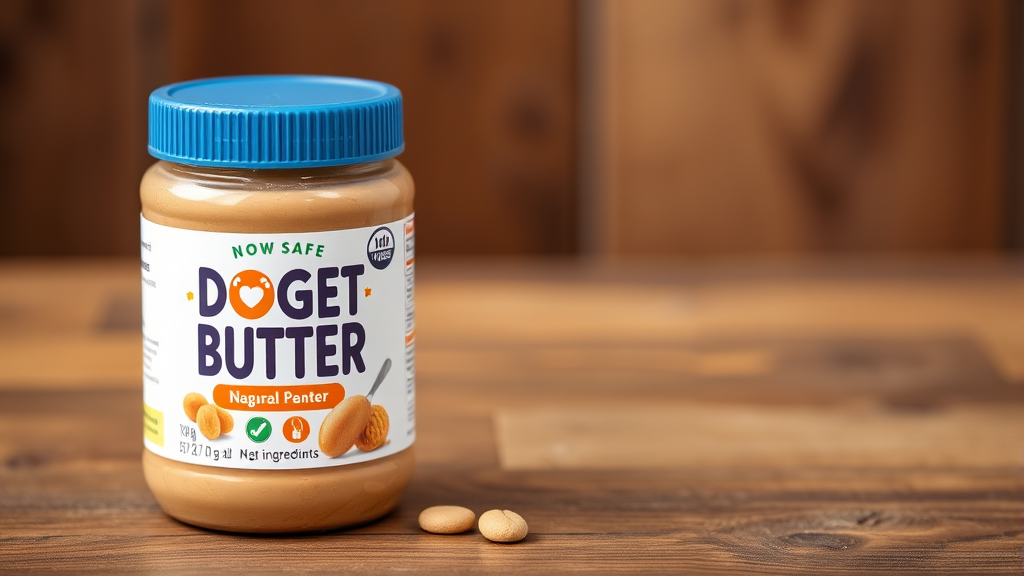
The safest peanut butter for dogs is natural, unsweetened varieties that contain only peanuts and possibly salt. Look for brands that explicitly state “no added sugar” or “unsweetened” on the label. Organic options are often good choices, as they typically have fewer additives and preservatives.
Some of the best options include natural peanut butter from health food stores or specialty pet stores that carry dog-safe peanut butter products. These are specifically formulated without harmful ingredients and often have reduced sodium content. Always read the ingredient list rather than relying solely on marketing claims on the front of the package.
If you’re feeling adventurous, you can even make your own dog-safe peanut butter at home using a food processor and plain, unsalted peanuts. This gives you complete control over the ingredients and ensures there are no harmful additives. Homemade peanut butter should be stored in the refrigerator and used within a reasonable timeframe to prevent spoilage.
Proper Serving Sizes and Frequency
Even safe peanut butter should be given in moderation due to its high caloric content. A good rule of thumb is that treats, including peanut butter, should make up no more than 10% of your dog’s daily caloric intake. For most dogs, this translates to about half a teaspoon to one teaspoon of peanut butter per day, depending on their size.
Small dogs (under 20 pounds) should receive no more than half a teaspoon daily, while medium dogs (20-50 pounds) can have up to one teaspoon. Large dogs (over 50 pounds) may be able to handle slightly more, but it’s best to consult with your veterinarian for personalized recommendations based on your dog’s specific needs, activity level, and overall health.
The frequency of peanut butter treats should also be considered. Rather than giving it daily, consider using peanut butter as a special treat or training reward a few times per week. This helps prevent overconsumption while maintaining its effectiveness as a high-value reward. According to the American Kennel Club, moderation is essential to prevent weight gain and digestive issues.
Creative Ways to Serve Peanut Butter
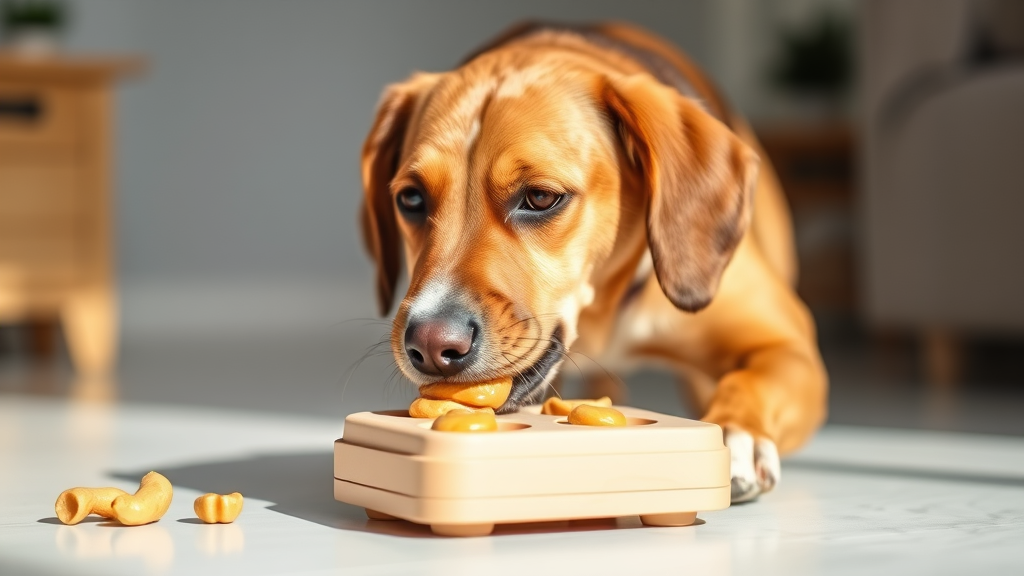
There are numerous creative and engaging ways to offer peanut butter to your dog beyond simply letting them lick it off a spoon. Stuffing a small amount into a Kong toy creates an interactive puzzle that can keep dogs occupied for extended periods, providing mental stimulation and preventing boredom-related behaviors.
You can also use peanut butter to make frozen treats by mixing it with plain yogurt and freezing the mixture in ice cube trays or special dog treat molds. This creates a longer-lasting treat that’s perfect for hot summer days. Another popular option is spreading a thin layer on a lick mat, which encourages slower consumption and provides textural enrichment.
For training purposes, you can thin peanut butter with a small amount of water and use it to coat training treats or hide medication. Some pet owners even use peanut butter to encourage dogs to use puzzle feeders or to make bath time more pleasant by spreading a small amount on the shower wall at the dog’s height. Just remember that unlike some other treats like marshmallows or dates, peanut butter should always be given in controlled amounts.
Signs of Allergic Reactions and What to Watch For
While peanut allergies are less common in dogs than in humans, they can still occur. Signs of an allergic reaction may include itching, skin redness, hives, swelling (particularly around the face and muzzle), digestive upset including vomiting or diarrhea, and in severe cases, difficulty breathing or collapse.
If you’re introducing peanut butter to your dog for the first time, start with a very small amount and monitor them closely for at least 24 hours. Any signs of digestive upset, changes in behavior, or physical symptoms should be taken seriously. Mild symptoms might resolve on their own, but persistent or severe reactions require immediate veterinary attention.
It’s also important to watch for signs of pancreatitis, which can be triggered by high-fat foods like peanut butter, especially in dogs with sensitive stomachs or those prone to this condition. Symptoms include vomiting, loss of appetite, lethargy, abdominal pain, and fever. The American Veterinary Medical Association emphasizes the importance of monitoring dogs for these symptoms when introducing new high-fat treats.
Alternatives and Special Considerations
For dogs with peanut allergies or owners who prefer alternatives, there are several other nut and seed butters that may be suitable. Almond butter (in small quantities and unsweetened), sunflower seed butter, and specially formulated dog-safe nut butters are available. However, it’s important to research each alternative thoroughly, as some nuts like pecans can be problematic for dogs.
Dogs with certain health conditions may need to avoid peanut butter entirely. This includes dogs with pancreatitis, those on restricted diets for weight management, and pets with kidney or liver disease. Senior dogs or those with diabetes should also have their peanut butter intake carefully monitored and approved by a veterinarian.
Puppies can generally have small amounts of peanut butter, but their digestive systems are more sensitive, so even smaller portions are recommended. Always introduce new foods gradually and watch for any adverse reactions. For puppies under 12 weeks old, it’s best to consult with your veterinarian before introducing any new treats, including peanut butter.
Frequently Asked Questions
Can all dogs have peanut butter safely?
Most dogs can safely enjoy peanut butter in moderation, but there are exceptions. Dogs with peanut allergies, pancreatitis, diabetes, or those on restricted diets should avoid peanut butter. Additionally, any peanut butter containing xylitol is extremely dangerous for all dogs. Always consult your veterinarian if you’re unsure about your dog’s specific dietary needs.
How much peanut butter can I give my dog daily?
The amount depends on your dog’s size and overall diet. Small dogs should have no more than half a teaspoon daily, medium dogs can have up to one teaspoon, and large dogs may have slightly more. Remember that treats should comprise no more than 10% of your dog’s daily caloric intake, and peanut butter should be given only a few times per week rather than daily.
What should I do if my dog ate peanut butter with xylitol?
If your dog has consumed peanut butter containing xylitol, this is a medical emergency. Contact your veterinarian or emergency animal hospital immediately. Xylitol poisoning can occur within 10-60 minutes and can be fatal. Do not wait for symptoms to appear – seek professional help right away. Time is critical in xylitol poisoning cases.
Can I give my puppy peanut butter?
Puppies can have small amounts of safe peanut butter, but their portions should be even smaller than adult dogs due to their sensitive digestive systems and smaller size. For puppies under 12 weeks old, it’s best to consult with your veterinarian first. Always introduce peanut butter gradually and monitor for any digestive upset or allergic reactions.
Is crunchy or smooth peanut butter better for dogs?
Both smooth and crunchy peanut butter can be safe for dogs, provided they don’t contain harmful ingredients like xylitol. However, smooth peanut butter is generally preferred as it’s easier to digest and poses less risk of choking, especially for smaller dogs. The peanut pieces in crunchy varieties could potentially cause digestive issues in sensitive dogs.
Can peanut butter help with giving my dog medication?
Yes, peanut butter can be an excellent way to administer medication to dogs who are reluctant to take pills. The strong taste and sticky texture can mask the medication effectively. However, always check with your veterinarian first to ensure the medication won’t interact negatively with peanut butter, and use only xylitol-free varieties.
What are the signs that my dog has eaten too much peanut butter?
Signs of overconsumption include vomiting, diarrhea, lethargy, loss of appetite, and abdominal discomfort. Due to peanut butter’s high fat content, excessive consumption can also trigger pancreatitis, which presents with severe vomiting, abdominal pain, and fever. If you notice any of these symptoms after your dog has eaten peanut butter, contact your veterinarian for guidance.





