

As a devoted pet parent, you’ve probably found yourself asking “can dogs have raisins?” while enjoying a healthy snack or baking in the kitchen. This seemingly innocent question has a definitive and crucial answer that every dog owner must understand: absolutely not. Raisins, along with their fresh counterparts grapes, are among the most dangerous foods you can give to your canine companion.
The relationship between dogs and raisins is one of the most serious food toxicity concerns in veterinary medicine. Unlike other foods that might cause mild digestive upset, raisins can lead to life-threatening kidney failure in dogs, and the worst part is that there’s no known safe amount. Even a single raisin can potentially cause severe health complications in some dogs, making this a zero-tolerance situation for responsible pet ownership.
Why Raisins Are Toxic to Dogs
The exact mechanism behind raisin toxicity in dogs remains one of veterinary medicine’s unsolved mysteries. Despite extensive research, scientists haven’t identified the specific compound responsible for this deadly reaction. What we do know is that both grapes and raisins contain something that causes severe kidney damage in dogs, leading to acute renal failure.
The ASPCA Animal Poison Control Center has documented thousands of cases where dogs have suffered serious health consequences after consuming grapes or raisins. The concentration of the toxic substance appears to be higher in raisins due to the dehydration process, making them even more dangerous than fresh grapes.
What makes this toxicity particularly concerning is its unpredictable nature. Some dogs may consume large quantities and show no symptoms, while others can develop severe kidney failure after eating just a few raisins. Factors such as the dog’s size, age, overall health, and individual sensitivity all play roles in determining the severity of the reaction.
Research conducted by veterinary toxicologists has ruled out various potential culprits, including pesticides, heavy metals, and mycotoxins. The mystery compound appears to be naturally occurring within the grape itself, affecting the dog’s kidneys at the cellular level and causing irreversible damage to the nephrons responsible for filtering waste from the blood.

Recognizing the Symptoms of Raisin Poisoning
Understanding the symptoms of raisin poisoning can mean the difference between life and death for your dog. The onset of symptoms typically occurs within 6-12 hours after ingestion, though some dogs may not show signs until 24-48 hours later. Early recognition and immediate veterinary intervention are crucial for the best possible outcome.
The initial symptoms often mimic those of general gastrointestinal upset, which can be misleading for pet owners. Vomiting is usually the first sign, often containing pieces of raisins or grapes. This may be followed by diarrhea, loss of appetite, and lethargy. Your dog might also show signs of abdominal pain, such as hunching over or reluctance to move.
As the toxicity progresses and kidney damage begins, more severe symptoms emerge. Increased thirst and urination are common early indicators of kidney dysfunction. You might notice your dog drinking excessive amounts of water and needing to go outside more frequently. Conversely, some dogs may produce very little urine or stop urinating altogether, which is a critical emergency sign.
Advanced symptoms include severe dehydration, weakness, tremors, and difficulty breathing. The dog’s gums may appear pale or yellow, and they might develop a sweet or unusual odor to their breath. Seizures can occur in severe cases, and without immediate treatment, the condition can progress to coma and death within 72 hours of ingestion.
What to Do If Your Dog Eats Raisins
If you suspect or know that your dog has consumed raisins, time is absolutely critical. Do not wait to see if symptoms develop – immediate action can save your dog’s life. The first step is to contact your veterinarian or an emergency animal hospital immediately, even if it’s after hours or on weekends.
If instructed by a veterinary professional, you may need to induce vomiting to remove any remaining raisins from your dog’s stomach. However, never attempt this without professional guidance, as inducing vomiting can be dangerous in certain situations. The most commonly recommended method involves giving hydrogen peroxide (3% solution) at a dose of one teaspoon per 10 pounds of body weight, but this should only be done under veterinary supervision.
While preparing to transport your dog to the veterinary clinic, gather important information that will help the veterinary team provide the best care. Note the time of ingestion, the estimated quantity of raisins consumed, and your dog’s current symptoms. If possible, bring the packaging from the raisins or a sample of what your dog ate.
During transport, keep your dog calm and comfortable. Monitor their breathing and consciousness level, and be prepared to provide this information to the veterinary team upon arrival. Do not give your dog any food or water unless specifically instructed by a veterinary professional, as this could complicate treatment procedures.
Prevention Strategies for Pet Parents
The most effective approach to raisin toxicity is complete prevention. This means creating a household environment where your dog has zero access to grapes, raisins, or foods containing these ingredients. Start by conducting a thorough inventory of your kitchen, pantry, and any areas where food is stored or consumed.
Common household items that contain raisins include trail mix, granola bars, cereals, cookies, cakes, and bread products. Many people don’t realize that raisins are hidden ingredients in numerous processed foods. Always read ingredient labels carefully, and store these items in secure, dog-proof containers or cabinets that your pet cannot access.
Education is key for all family members and visitors. Children, in particular, need to understand the serious danger of sharing raisin-containing snacks with the family dog. Establish clear household rules about food sharing and ensure that everyone understands the potentially fatal consequences of feeding raisins to dogs.
Consider creating designated eating areas where your dog is not allowed during meal times or snack consumption. This reduces the risk of accidental drops or intentional sharing. Additionally, train your dog with commands like “leave it” and “drop it” to prevent them from consuming potentially dangerous items they might find on the ground or counter-surf during unsupervised moments.
Safe Fruit Alternatives for Dogs
While raisins are absolutely forbidden, many other fruits can provide healthy, safe treats for your canine companion. Understanding which fruits are safe helps satisfy your desire to share healthy snacks with your pet while keeping them out of danger. Always introduce new foods gradually and in moderation to avoid digestive upset.
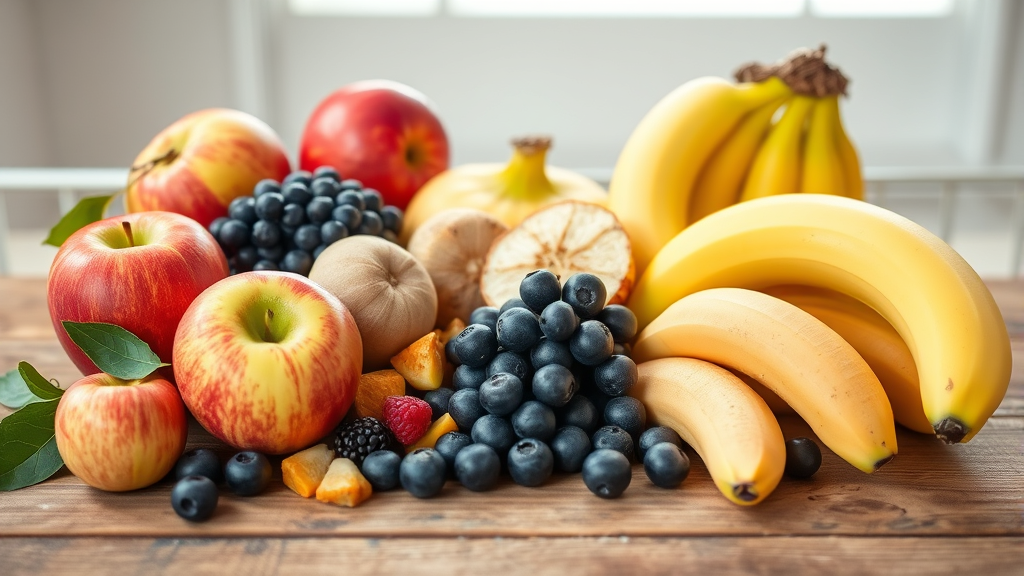
Apples make excellent dog treats when prepared properly. Remove the seeds and core, as apple seeds contain cyanide compounds that can be harmful in large quantities. The flesh provides vitamins, fiber, and a satisfying crunch that many dogs enjoy. Similarly, blackberries are safe and nutritious, offering antioxidants and fiber in small, manageable portions.
Bananas are another safe option, rich in potassium and vitamins, though they should be given sparingly due to their high sugar content. Blueberries are considered a superfood for dogs, packed with antioxidants and low in calories. Peaches can also be safe when the pit is removed and the fruit is given in small quantities.
Some fruits require more caution. Cranberries are generally safe but very tart, and many commercial cranberry products contain added sugars. Dates are technically safe but extremely high in sugar and should be avoided or given very rarely. Always research any new fruit before offering it to your dog, as some seemingly harmless options can cause problems.
Long-term Health Implications
Dogs who survive raisin poisoning may face long-term health consequences, particularly related to kidney function. The damage caused by grape and raisin toxicity can be permanent, leading to chronic kidney disease that requires lifelong management. Understanding these potential outcomes helps pet parents make informed decisions about their dog’s ongoing care.
Chronic kidney disease resulting from raisin toxicity typically manifests as decreased kidney function over time. Affected dogs may require special diets low in protein and phosphorus to reduce the workload on their compromised kidneys. Regular blood work becomes essential to monitor kidney values and adjust treatment as needed.
The American Veterinary Medical Association emphasizes that early detection and management of kidney disease can significantly improve quality of life for affected dogs. Treatment may include medications to control blood pressure, supplements to support kidney function, and fluid therapy during crisis periods.
Some dogs may develop secondary complications from kidney damage, including high blood pressure, anemia, and electrolyte imbalances. These conditions require ongoing veterinary care and can significantly impact the dog’s lifespan and quality of life. The financial cost of managing chronic kidney disease can be substantial, involving regular veterinary visits, prescription diets, medications, and periodic hospitalization for supportive care.
Frequently Asked Questions
Can dogs have raisins in any amount?
No, there is no safe amount of raisins for dogs. Even a single raisin can potentially cause kidney failure in sensitive dogs. The toxic dose varies unpredictably between individual dogs, making any amount potentially dangerous. Unlike some foods where small quantities might be acceptable, raisins should be completely avoided.
How quickly do symptoms appear after a dog eats raisins?
Symptoms typically begin within 6-12 hours after ingestion, though some dogs may not show signs for up to 24-48 hours. Vomiting is usually the first symptom, followed by diarrhea, lethargy, and loss of appetite. More severe symptoms like increased thirst, changes in urination, and kidney failure symptoms can develop within 12-72 hours.
Are some dog breeds more susceptible to raisin poisoning?
All dog breeds can be affected by raisin toxicity, regardless of size, age, or breed. However, smaller dogs may be at higher risk simply because a smaller quantity represents a larger dose relative to their body weight. There’s no evidence that certain breeds have genetic protection against grape or raisin toxicity.
What should I do if my dog ate raisins but seems fine?
Contact your veterinarian immediately, even if your dog appears normal. The absence of symptoms doesn’t mean your dog is safe, as kidney damage can occur without obvious external signs. Early intervention, including induced vomiting and supportive care, significantly improves the chances of a positive outcome.
Can cooking or processing raisins make them safe for dogs?
No, cooking, baking, or any other processing does not eliminate the toxic compounds in raisins. Baked goods containing raisins, raisin bread, trail mix, and other processed foods with raisins are just as dangerous as raw raisins. The toxic substance remains potent regardless of preparation method.
Are golden raisins different from regular raisins in terms of toxicity?
All types of raisins are equally toxic to dogs, including golden raisins, sultanas, and currants. The color difference comes from the drying process, not from different grape varieties or reduced toxicity. Any dried grape product should be considered extremely dangerous for dogs.
How is raisin poisoning treated by veterinarians?
Treatment typically involves inducing vomiting if the ingestion was recent, followed by activated charcoal to absorb remaining toxins. Intravenous fluid therapy helps support kidney function and maintain hydration. Blood work monitors kidney values, and medications may be given to control symptoms. Severe cases may require dialysis or other advanced treatments according to guidelines from the National Center for Biotechnology Information.





