

Your dog bolts down their food in 30 seconds flat, and suddenly they’re burping, gagging, or worse—throwing up their entire meal. Sound familiar? A slow feeder dog bowl is one of the simplest, most effective tools to prevent this chaos. If your pup is a speed eater, you’re not alone. Many dogs inhale their food without chewing, which leads to bloating, indigestion, and serious health risks. The good news? A quality slow feeder dog bowl can transform mealtime in minutes, not weeks.
What Is a Slow Feeder Dog Bowl?
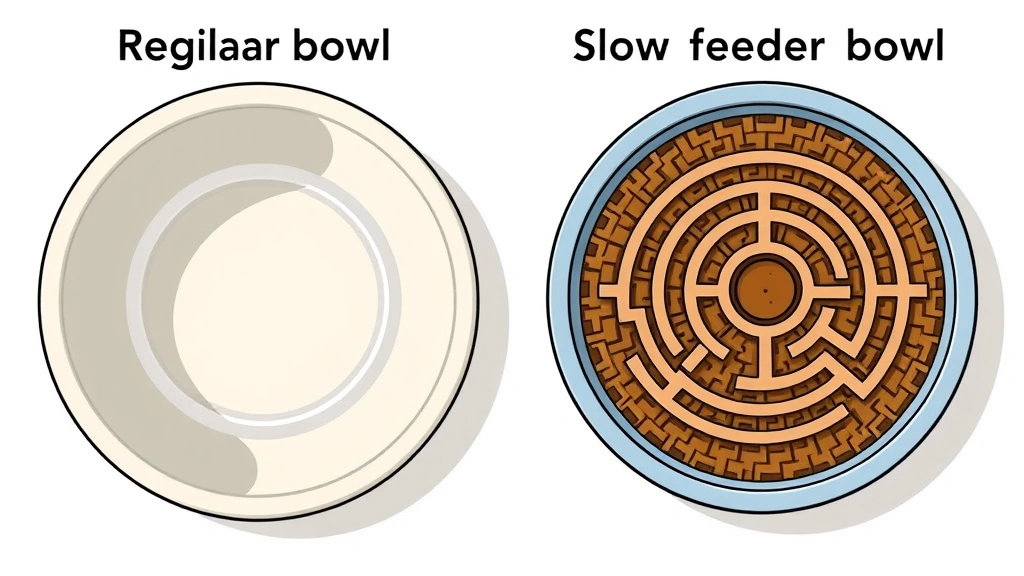
A slow feeder dog bowl is exactly what it sounds like—a bowl designed to make eating slower. Instead of a flat, open surface, these bowls have raised bumps, ridges, or maze-like patterns inside that force your dog to work around obstacles to access their food. Think of it like a puzzle for their mouth.
The mechanics are simple: your dog’s tongue and snout have to navigate the design, which naturally breaks up their eating pace. They can’t just vacuum up kibble anymore. They have to think about it, even if just a little.
Here’s the thing—most dogs don’t need training to use one. Put food in, and they’ll figure it out within a meal or two. No special commands. No complicated setup. Just better eating habits.
Why Your Dog Needs One (Real Health Risks)
Fast eating isn’t just annoying to watch. It’s genuinely dangerous. When dogs gulp their food without chewing, several problems can happen:
- Bloat (Gastric Dilatation-Volvulus): The stomach fills with gas and can twist, cutting off blood supply. This is a life-threatening emergency that requires immediate surgery. Large and deep-chested breeds are most at risk.
- Choking and aspiration: Food goes down too fast, sometimes entering the airway instead of the esophagus.
- Poor digestion: Unchewed food is harder for the stomach to break down, leading to indigestion, gas, and nutrient loss.
- Vomiting: Many fast eaters throw up shortly after meals because their stomach can’t handle the volume and speed.
- Weight gain: When dogs eat quickly, they don’t register fullness signals. A slow feeder dog bowl gives their brain time to catch up with their stomach, reducing overeating.
According to the American Kennel Club (AKC), fast eating is one of the most preventable risk factors for bloat in dogs. That’s not fear-mongering—that’s veterinary fact.
I’ve seen dogs come in with gastric torsion, and let me tell you, it’s heartbreaking and expensive. A $30 slow feeder bowl could literally save your dog’s life and your wallet.
Types of Slow Feeder Dog Bowls
Not all slow feeders are created equal. Here are the main styles:
Maze/Puzzle Bowls
These have raised bumps and ridges throughout the bowl. Your dog has to navigate around them to reach pockets of food. They’re the most common and usually the cheapest ($10–$25). Works great for most dogs, though some clever pups figure them out faster than others.
Ridge-Style Bowls
Concentric rings or raised lines create barriers. Similar to maze bowls but sometimes simpler design. Good middle ground between effectiveness and ease of cleaning.
Lick Mats and Slow Feeder Plates
Flat mats with ridges and grooves where you spread wet food or paste. Takes longer to lick clean than to eat kibble, so these work best for dogs who eat wet food or as enrichment tools. Popular for fresh food diets like The Farmer’s Dog.
Stainless Steel vs. Plastic
Stainless steel is more durable, dishwasher-safe, and lasts longer (5+ years). Plastic is cheaper but can scratch, harbor bacteria, and degrade faster. If your dog is a chewer, stainless steel is worth the extra $15–$30.
Elevated Slow Feeders
Some slow feeder bowls come on stands at neck height. This reduces strain on joints and the neck during eating, which is especially helpful for older dogs or those with arthritis.
Health Benefits Beyond Digestion
Slowing down mealtime does more than prevent bloat. Here’s what else happens:
- Reduced gas and burping: Less air swallowed means fewer of those embarrassing (and uncomfortable) belches. If your dog burps excessively, a slow feeder often fixes it within days.
- Better nutrient absorption: When food is chewed and mixed with saliva, the digestive system works more efficiently. Your dog gets more nutrition from less food.
- Healthier weight: Slower eating = better satiety signals = less overeating. Perfect for dogs prone to weight gain or those on portion-controlled diets.
- Calmer behavior: Some dogs get wound up during feeding frenzies. A slower pace can reduce excitement and anxiety around mealtime.
- Fewer vomiting incidents: Dogs who throw up after eating often improve dramatically with a slow feeder.
Pro Tip: If your dog has a history of vomiting or excessive burping, combine a slow feeder with elevated feeding (bowl at chest height) and wait 30 minutes after eating before exercise. This triple approach is gold.
According to research from Purdue University’s College of Veterinary Medicine, dogs that eat from slow feeders show measurable improvements in digestion markers within one week.
How to Choose the Right Slow Feeder Dog Bowl
Size matters. A bowl too small means your dog can’t eat comfortably. Too large, and the slow-down effect diminishes because there’s more space between obstacles.
- Small dogs (under 15 lbs): Look for 1–1.5 cup capacity bowls. Chihuahuas and toy breeds need proportional sizing.
- Medium dogs (15–50 lbs): 2–3 cup bowls work well. This is your sweet spot for most slow feeders.
- Large dogs (50+ lbs): 4–5+ cup capacity. Make sure the bowl is wide enough that their snout isn’t cramped.
Material considerations:
- Stainless steel: Best for durability and hygiene. Easy to sanitize. Lasts years.
- Ceramic: Heavy, won’t tip. Looks nice. Can chip if dropped.
- Plastic: Budget-friendly but replace annually if your dog chews or scratches it.
Test the design before buying if possible. Some maze patterns are genuinely confusing for older dogs or those with vision issues. Others are so simple that speed eaters barely slow down. Read reviews from owners with similar-sized dogs.
Safety Warning: Avoid bowls with small removable parts or sharp edges. If your dog is an aggressive chewer, stick with reinforced stainless steel or ceramic. Plastic pieces in the stomach are a vet emergency.
Budget $20–$60 for a quality slow feeder. Yes, you can find $5 plastic ones, but they wear out fast and don’t work as well. Think of it as an investment in your dog’s health, not an expense.
Training Your Dog to Use It
Here’s the honest truth: most dogs need zero training. Put food in the slow feeder bowl, and they’ll eat from it. Hunger is a powerful motivator.
That said, some anxious or picky eaters might be wary of the new bowl at first. Here’s how to ease the transition:
- Start with familiar food: Use their regular kibble or favorite treats. Don’t introduce a new slow feeder with a new food simultaneously—too many variables.
- Place it in the same spot: Dogs like routine. Keep the bowl where they normally eat.
- First meal, stay nearby: Sit in the room so they feel secure. Some dogs just need to know you’re there.
- Be patient: It might take 2–3 meals for them to figure out the pattern. That’s normal. Don’t hover or make a big deal of it.
- Praise success: When they eat from it, give them a calm “good dog.” Avoid over-the-top excitement, which can amp them up.
- If they refuse, mix foods: Wet food on top of kibble can help them engage with the bowl. Gradually reduce wet food over a week.
Multi-dog households? Feed them separately if possible. Competition can trigger speed eating, defeating the purpose of the slow feeder. If you must feed together, use separate feeding areas and supervise.
Picky eaters sometimes need extra encouragement. Try warming wet food slightly or adding a little low-sodium broth. The aroma helps them focus.
Cleaning and Maintenance
A slow feeder bowl is only effective if it’s clean. Food debris trapped in ridges can harbor bacteria and create odor.
- Daily wash: Hand wash or dishwasher (check manufacturer specs). Use a bottle brush to reach into grooves.
- Weekly deep clean: Soak in warm water with white vinegar for 15 minutes, then scrub. This removes buildup and odor.
- Monthly sanitize: Run through a hot dishwasher cycle or boil for 10 minutes if it’s heat-safe.
- Inspect for damage: Check for cracks, chips, or sharp edges monthly. Replace if compromised.
- Dry completely: Don’t leave wet. Moisture in crevices can grow mold.
Stainless steel bowls are easiest to maintain. Ceramic can stain over time (harmless, but cosmetic). Plastic degrades and scratches, which trap bacteria—replace yearly or sooner if visibly worn.
Pro tip: Keep a second slow feeder bowl as backup. While one is being sanitized, you’ve got a clean one ready. This is especially helpful for dogs on premium or fresh food diets where hygiene matters more.
Frequently Asked Questions
Will a slow feeder bowl work for my dog if they’re already a moderate eater?
– Yes, but the benefit is prevention, not correction. If your dog eats at a normal pace, a slow feeder is still useful for maintaining healthy eating habits and preventing future problems. Think of it like a seatbelt—you use it even if you haven’t had an accident. Plus, it’s a great enrichment tool that makes mealtime more engaging.
Can puppies use slow feeder bowls?
– Absolutely. Puppies are notorious for gulping food. Starting them on a slow feeder early creates good habits for life. Use a smaller size appropriate for their current weight, and upgrade as they grow. Prevents bloat risk before it becomes an issue.
Do slow feeder bowls work for wet food?
– Yes, but less effectively than for kibble. Wet food is mushier and easier to navigate around obstacles. Lick mats or slow feeder plates are better for wet or fresh food diets. If you feed kibble, a traditional slow feeder bowl is your best bet.
What if my dog still eats too fast from the slow feeder?
– Some determined dogs figure out workarounds. If that’s your pup, try a different maze pattern or ridge style. You might also combine strategies: slow feeder bowl + elevated feeding + smaller portion sizes fed multiple times daily. Talk to your vet if fast eating is tied to anxiety—they might recommend behavioral support.
Are slow feeder bowls safe for dogs with sensitive teeth or gum disease?
– Generally yes, since they don’t require chewing harder. But if your dog has dental pain, eating from any bowl might be uncomfortable. Consult your vet before switching. They might recommend softening kibble or switching to wet food temporarily while addressing dental issues.
How much do slow feeder bowls cost, and are expensive ones better?
– Price ranges from $8 to $80. Mid-range ($20–$40) stainless steel options offer the best value. Expensive doesn’t always mean better—it might just be a fancy brand. Look for durability, ease of cleaning, and reviews from owners with dogs similar to yours. A $25 maze bowl often outperforms a $60 designer one.

Can I use a slow feeder bowl for treats or training?
– Yes, though it’s not ideal. Treats disappear too fast even with obstacles. Slow feeders are designed for meals. For treat enrichment, use puzzle toys or lick mats instead. Save the slow feeder bowl for daily kibble.
Do vets recommend slow feeder bowls?
– Most do, especially for fast eaters, large breeds, or dogs with a history of bloat or vomiting. If your vet hasn’t mentioned one, ask. They might have specific recommendations based on your dog’s health profile.





