

Your dog sits beside you, casually licking their paw like it’s the most important thing in the world. You watch for a minute, then two, then ten. Normal? Maybe. Concerning? Also maybe. The truth is, why do dogs lick their paws isn’t always a simple answer—and that’s what we’re here to untangle.
I’ve been a vet tech for over a decade, and I can tell you: paw licking is one of those behaviors that sits right on the border between “totally fine” and “we need to figure this out.” Sometimes it’s just grooming. Sometimes it’s boredom. And sometimes—yeah—it’s a red flag that something needs attention.
Let’s break down what’s really going on when your dog becomes a paw-licking machine.
Normal Grooming vs. Obsessive Licking
Dogs lick their paws. It’s what they do. Like us brushing our teeth, it’s part of their hygiene routine. A dog might spend a few minutes a day grooming their paws, especially after a walk when they’re cleaning off dirt or debris. That’s totally normal.
Here’s the thing: the line between “normal” and “obsessive” isn’t always clear-cut. But I’ve learned to use a simple rule of thumb in the clinic. If your dog is licking their paws for a few minutes here and there throughout the day, you’re probably fine. If they’re doing it for 20+ minutes straight, multiple times a day, or if they’re doing it so much that their paws look red, raw, or bald—that’s when we need to investigate.
The key difference is frequency and intensity. Normal grooming is casual. Obsessive licking looks almost frantic, like the dog can’t stop themselves. You might notice they do it more at certain times—like when you’re trying to watch TV or when they’re alone.
One thing I always tell dog owners: trust your gut. If something feels off about the behavior, it probably is. Your dog can’t tell you what’s wrong, so you’re their voice.
Allergies and Skin Issues: The Most Common Culprit
If I had to bet money on why your dog is licking their paws, I’d put it on allergies or skin problems. Hands down, this is the number-one reason dogs end up in the exam room with this complaint.
Dogs get allergies just like we do. They can be allergic to food (chicken, beef, wheat, and corn are common triggers), environmental stuff (pollen, dust mites, mold), or even contact allergies (certain materials, cleaning products, grass). The difference is, when dogs have allergies, they often show up as itchy skin instead of a runny nose. And where do they itch? Their paws, their ears, their belly, their rear end—basically anywhere that’s warm and moist.
According to the American Kennel Club, allergies in dogs can manifest as chronic itching, and paw licking is one of the most visible signs. The problem is, once a dog starts licking, it can get worse. The constant moisture and friction can lead to secondary yeast or bacterial infections, which makes the itching even worse, which makes them lick more. It’s a vicious cycle.
Dry skin is another common culprit. In winter, when the air is dry and we’re running the heat, dogs’ skin can get irritated. Flaky, itchy skin triggers licking. If your dog has dry skin, there are specific treatments that can help.
I’ve also seen cases where the issue is something simpler: the dog just has dirty paws or something stuck between their toes. A small stone, a bit of grass, or even a splinter can cause irritation. Always check between the pads first—sometimes the fix is just cleaning them up.
Anxiety, Boredom, and Stress
Not everything is medical. Sometimes, why do dogs lick their paws comes down to their mental state.
Dogs are smart creatures, and they get bored. They also get anxious. When a dog is stressed, anxious, or just plain bored, they might start licking their paws as a self-soothing behavior. Think of it like how some people bite their nails when they’re nervous—it’s a coping mechanism.
This is especially common in dogs who spend a lot of time alone, don’t get enough exercise, or are dealing with anxiety (like separation anxiety or noise phobia). The licking releases endorphins, which feels calming to them. So they keep doing it.
How do you know if it’s anxiety or boredom? Look at the context:
- Does it happen mainly when you leave the house? (Separation anxiety)
- Does it spike during thunderstorms or fireworks? (Noise anxiety)
- Is your dog getting enough exercise? (Boredom)
- Does the licking seem compulsive, almost automatic? (Stress response)
If any of these ring true, the solution isn’t a vet visit (though you might want one anyway to rule out medical issues first). It’s about addressing the underlying anxiety or boredom. More exercise, mental stimulation, training, and sometimes even medication can help.
Parasites, Infections, and Pain
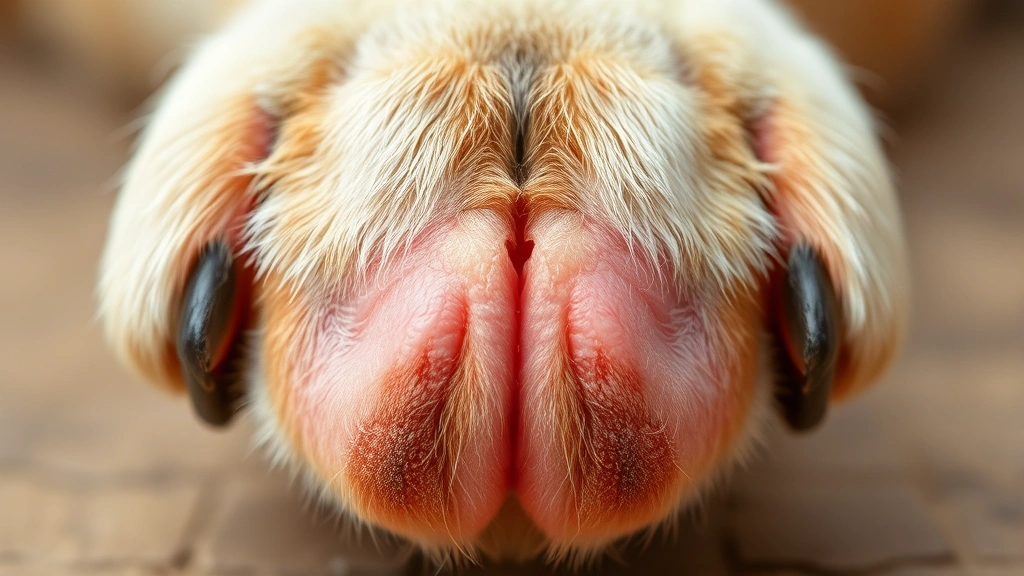
This is the stuff that keeps me up at night as a vet tech. Paw licking can be a sign of something more serious.
Fleas are the obvious one. Even one flea can drive a dog crazy, and they’ll lick at the spot obsessively. Ticks can also cause localized irritation, though they’re more commonly found on other parts of the body. Mites (like mange mites) cause intense itching and can lead to serious skin damage if left untreated.
Yeast and bacterial infections are also super common. These often develop because of the constant licking—the warm, moist environment between the pads is perfect for yeast and bacteria to grow. You might notice the paws smell funky or look red and swollen. This is bacterial or yeast dermatitis, and it needs treatment.
Then there’s pain. A dog might lick their paw if it hurts. This could be from an injury, a thorn, a nail issue, arthritis, or even a tumor (rare, but possible). If your dog is limping, reluctant to put weight on the paw, or if the licking is localized to just one paw, pain is definitely on my differential diagnosis list.
According to PetMD’s guide to dog dermatitis, secondary infections from licking are incredibly common and often need antibiotics or antifungal treatment. This is why it’s important not to ignore persistent paw licking—it can snowball quickly.
When Paw Licking Becomes a Problem
So when should you actually be worried? Here are the red flags:
- Raw, bleeding, or hairless paws: This means the licking is causing damage. Get to a vet.
- Swelling or discharge: Signs of infection. Needs treatment.
- Limping or reluctance to walk: Pain. Could be serious.
- Constant licking despite attempts to redirect: Could be compulsive behavior or a sign of significant anxiety.
- Foul smell from the paws: Yeast or bacterial infection. Needs antibiotics or antifungals.
- Licking that’s gotten worse over weeks or months: Not just a fluke. Something’s going on.
- Other symptoms alongside the licking: Ear scratching, face rubbing, or skin issues elsewhere suggest allergies.
Also pay attention to which paw. If it’s just one paw, it’s more likely an injury, pain, or localized issue. If it’s all four paws or multiple areas, allergies or systemic issues are more likely.
What to Do: Your Action Plan
Okay, your dog is licking their paws. What now?
Step 1: Check it out yourself. Look at the paws closely. Are they red? Swollen? Do they smell weird? Is there discharge? Is the fur missing? Is there anything stuck between the toes? This info is gold for your vet.
Step 2: Call your vet. I’m not being dramatic—if the licking is excessive or the paws look abnormal, a vet visit is worth it. They can rule out infections, parasites, and pain. If allergies are suspected, there are multiple treatment options available.
Step 3: Rule out the easy stuff first. Make sure your dog is on flea prevention. Check for fleas and ticks. Make sure they’re not walking through irritating substances (like road salt in winter). Sometimes the fix is simple.
Step 4: If it’s anxiety or boredom, address the root cause. More walks, more playtime, puzzle toys, training sessions. If it’s separation anxiety, consider working with a trainer or behaviorist. In some cases, anti-anxiety medication helps.
Step 5: Be patient and consistent. If it’s allergies, treatment takes time. If it’s behavioral, changing the behavior takes time. Don’t expect overnight results.
One thing I always tell owners: don’t try to punish the licking. Your dog isn’t doing this to annoy you. They’re either uncomfortable or stressed. Punishment will just add more stress to the situation. Instead, try to redirect the behavior (give them a toy, take them for a walk) or address the underlying cause.
Prevention and Long-Term Care
Once you’ve figured out why do dogs lick their paws, the next step is prevention.
For allergies: If your dog has food allergies, stick to the recommended diet. If it’s environmental, you might not be able to prevent it entirely, but you can manage it with regular baths, paw soaks, and medications as needed. Some owners swear by omega-3 supplements for skin health—there’s some evidence it helps, though it’s not a cure-all.
For dry skin: Use a humidifier in winter, consider a moisturizing dog shampoo, and limit baths (too much bathing can dry out skin). There are specific products designed for dogs with dry skin.
For parasites: Keep your dog on year-round flea and tick prevention. Talk to your vet about the best option for your dog—there are collars, topicals, pills, and injections available now.
For anxiety or boredom: Exercise is non-negotiable. Most dogs need at least 30 minutes to an hour of activity daily (more for high-energy breeds). Mental stimulation is equally important—training, puzzle toys, sniffing games. If your dog has separation anxiety, gradual desensitization or medication might help.
For secondary infections: Once treated, prevent them from coming back by keeping paws clean and dry. Some owners do weekly paw soaks with dilute vinegar or Epsom salt (check with your vet first). Trim the hair between the pads to improve air circulation.
Here’s the real talk: if your dog has chronic paw licking issues, you might need to manage it long-term. That’s okay. Many dogs do. The goal is to keep them comfortable and prevent complications.
Frequently Asked Questions
Is it normal for dogs to lick their paws?
– Yes, some paw licking is totally normal—it’s part of grooming. But if your dog is licking excessively (more than a few minutes at a time, multiple times daily) or if their paws look red or raw, something’s not right. Trust your instincts.
Can paw licking be a sign of anxiety?
– Absolutely. Paw licking is a self-soothing behavior, especially in anxious dogs. If it happens mainly when you leave, during storms, or during stressful situations, anxiety is likely a factor. Addressing the anxiety (more exercise, training, sometimes medication) can help.
How do I know if my dog has a paw infection?
– Look for redness, swelling, discharge, a foul smell, or if the paw feels warm to the touch. These are signs of infection. A vet can confirm and prescribe antibiotics or antifungals. Don’t wait on this one.
What should I do if my dog won’t stop licking their paws?
– Start by ruling out medical issues with a vet visit. If it’s medical, treat it. If it’s behavioral, focus on exercise, mental stimulation, and addressing any anxiety. You might also try an Elizabethan collar if the licking is causing damage, but this is temporary while you figure out the root cause.
Can allergies cause paw licking in dogs?
– Yes, allergies are the most common reason dogs lick their paws. Food allergies, environmental allergies, and contact allergies can all cause itchy skin. If your dog has allergies, you might also notice ear scratching, face rubbing, or skin issues elsewhere on the body.
Is paw licking ever an emergency?
– If your dog’s paws are bleeding, severely swollen, have a foul smell, or if your dog is limping badly, yes—get to a vet. These can indicate serious infections or injuries. Don’t wait.
Can I treat paw licking at home?
– Some mild cases might improve with home care (regular paw soaks, keeping them clean and dry, addressing boredom). But if the licking is persistent or the paws look abnormal, a vet visit is necessary. Don’t guess on this one.





