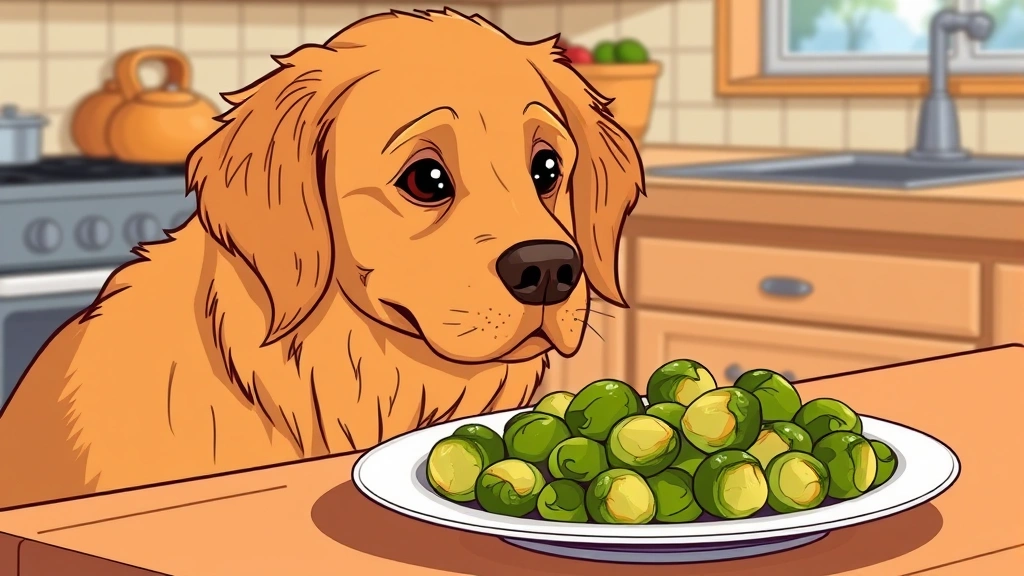
Your dog just watched you roast a tray of brussel sprouts, and now those big puppy eyes are locked on your plate. You’re wondering: can dogs eat brussel sprouts? The short answer is yes—but there’s a real catch that most people miss. Brussel sprouts are actually safe for dogs, packed with vitamins and fiber, but they come with a side effect that might make you reconsider before sharing. In this guide, I’ll walk you through exactly how to safely feed brussel sprouts to your dog, what to watch for, and whether they’re really worth the potential mess.
Quick Answer: Are Brussel Sprouts Safe for Dogs?
Yes. Dogs can eat brussel sprouts in moderation. They’re non-toxic, and many dogs digest them just fine. But—and this is important—brussel sprouts are notorious for causing gas in dogs, sometimes spectacularly so. If you’ve ever wondered why your dog’s stomach sounds like a foghorn after dinner, brussel sprouts might be the culprit.
The vegetable itself contains no compounds that are poisonous to dogs. Unlike grapes, chocolate, or xylitol, you don’t have to panic if your dog sneaks a piece. What you do need to worry about is their digestive comfort and portion control.
Think of brussel sprouts like broccoli’s stronger cousin—beneficial but intense. Some dogs handle them beautifully. Others turn into little methane factories. It really depends on your individual dog’s gut.
What’s Actually in Brussel Sprouts for Dogs
Here’s why brussel sprouts show up on so many “healthy dog foods” lists: they’re legitimately nutritious. One cup of raw brussel sprouts (about 88 grams) contains:
- Vitamin C: About 85% of the daily value for humans. Supports immune function and acts as an antioxidant.
- Vitamin K: Over 130% of daily value. Critical for bone health and blood clotting.
- Fiber: Around 2.4 grams. Helps with digestive regularity (though this is also why they cause gas).
- Folate: Supports cell division and DNA synthesis.
- Potassium: Helps with muscle and heart function.
- Manganese: Involved in bone development and metabolism.
For dogs, the vitamin K and fiber content are the real stars. Vitamin K supports bone density, which matters especially for senior dogs or breeds prone to joint issues. The fiber can help with weight management and regular bowel movements—assuming your dog’s stomach cooperates.
Brussel sprouts are also very low in calories (about 34 calories per cup raw), making them a guilt-free treat option for dogs on a diet. If you’re looking for other veggie options, dogs can eat yellow peppers, which offer similar nutritional benefits without the gas issue.
Pro Tip: The nutritional value doesn’t change much whether you feed raw or cooked brussel sprouts, but cooking them makes them easier to digest and reduces (though doesn’t eliminate) the gas-causing compounds.
How to Prepare Brussel Sprouts Safely
Preparation matters more than you’d think. Raw brussel sprouts are fine, but they’re harder on the digestive system. Here’s what I recommend:
- Wash thoroughly: Remove any dirt or pesticide residue. Use plain water—no soap.
- Cook them: Steaming or boiling is best. Roasting with oil is fine but adds unnecessary calories. Microwaving works too—just add a little water and cover.
- Cool completely: Never give hot food to dogs. Let them reach room temperature.
- Cut into appropriate sizes: For small dogs, quarter them. For medium to large dogs, halves work. You want pieces small enough that there’s no choking risk.
- Avoid seasonings: No salt, garlic, onion, or spices. Plain brussel sprouts only.
- Skip the oil: If you roasted them, wipe off excess oil before serving.
The goal is to make them as digestible as possible. Think of it like meal prep for a sensitive stomach—which, honestly, most dogs have.
If your dog has never eaten brussel sprouts before, start with just one small piece. Wait 24 hours and observe their digestion. If everything looks normal (no vomiting, diarrhea, or excessive gas), you can gradually increase the amount.
Portion Sizes That Won’t Upset Their Stomach

This is where most people go wrong. Just because something is safe doesn’t mean unlimited amounts are okay. Brussel sprouts should be a treat, not a meal replacement.
General guideline: Treats (including vegetables) should make up no more than 10% of your dog’s daily caloric intake. The other 90% should come from their regular dog food, which is formulated to meet all their nutritional needs.
Here’s what that looks like in practice:
- Small dogs (under 25 lbs): 1-2 small brussel sprout pieces, 2-3 times per week maximum.
- Medium dogs (25-60 lbs): 2-4 pieces, 2-3 times per week.
- Large dogs (60+ lbs): Up to half a brussel sprout, 2-3 times per week.
These are conservative estimates. Some dogs can handle more without issues. Others need to stick to the lower end. You’ll figure out your dog’s sweet spot through observation.
If your dog has a sensitive stomach or a history of pancreatitis, start even smaller and introduce brussel sprouts only after consulting your vet. Speaking of which, if you’re unsure about your dog’s diet overall, the ASPCA has solid guidelines on dog nutrition worth reviewing.
The Gas Problem Nobody Talks About
Let’s address the elephant—or rather, the flatulent dog—in the room. Brussel sprouts cause gas in dogs. It’s not a myth. It’s not rare. It’s actually pretty common, and here’s why:
Brussel sprouts contain compounds called glucosinolates and raffinose. These are complex carbohydrates and sulfur compounds that dogs can’t fully digest. When they reach the colon, your dog’s gut bacteria ferment them, producing methane and hydrogen sulfide. That’s the smell. That’s the sound.
Some dogs are more sensitive than others. Older dogs, dogs with existing digestive issues, and certain breeds (like Bulldogs and Pugs with their shorter digestive tracts) are more prone to gas. Small dogs sometimes seem worse affected because the smell is more concentrated in a smaller space.
If your dog does get gassy after brussel sprouts:
- It usually passes within 12-24 hours.
- Encourage movement—a walk helps gas move through the system.
- Don’t feed brussel sprouts again, or reduce the portion size significantly.
- Consider probiotics (ask your vet for a recommendation) to support gut health.
The gas itself isn’t dangerous, but it can make your dog uncomfortable. Imagine feeling bloated and unable to get relief—that’s what your dog experiences. So while it’s funny to us, it’s not fun for them.
Safety Warning: Excessive gas combined with vomiting, loss of appetite, or abdominal distention could indicate bloat, which is a medical emergency. If your dog shows these signs, contact your vet immediately.
Real Risks and When to Skip Them
Beyond gas, there are specific situations where brussel sprouts aren’t appropriate:
Dogs with digestive issues: If your dog has inflammatory bowel disease (IBD), irritable bowel syndrome (IBS), or a history of pancreatitis, skip brussel sprouts. The fiber and complex carbohydrates can trigger flare-ups. Talk to your vet about safe veggie alternatives.
Dogs on blood thinners: Brussel sprouts are high in vitamin K, which plays a role in blood clotting. If your dog is on medications like warfarin, high amounts of vitamin K-rich foods could theoretically interfere. This is rare, but worth mentioning to your vet.
Dogs with thyroid issues: Cruciferous vegetables (including brussel sprouts, broccoli, and cabbage) contain compounds called goitrogens that can interfere with thyroid function in large amounts. If your dog has hypothyroidism, check with your vet before introducing brussel sprouts regularly.
Puppies: Their digestive systems are still developing. Stick to their puppy food and approved treats until they’re fully grown. Brussel sprouts can wait.
Choking hazard: Whole brussel sprouts are a choking risk for enthusiastic eaters. Always cut them into appropriate sizes.
If you’re ever uncertain whether brussel sprouts are right for your specific dog, your vet is the best resource. They know your dog’s health history and can give personalized advice.
Better Veggie Options If Brussel Sprouts Aren’t Working
Not every dog needs brussel sprouts in their life. If your dog doesn’t tolerate them well, there are plenty of other options that offer similar nutritional benefits without the digestive drama.
Carrots: Crunchy, low-calorie, and great for dental health. Raw or cooked both work. No gas issues.
Green beans: Mild, easy to digest, and packed with fiber. Most dogs love them.
Sweet potatoes: Higher in calories but nutrient-dense. Great for weight-conscious dogs when portioned carefully.
Pumpkin: Excellent for digestive health. A tablespoon or two can actually help regulate bowel movements.
Blueberries: Antioxidant powerhouses. Tiny and perfect for training treats.
If you want to explore more veggie options, dogs can eat salad in most forms, and beans and rice can be part of a healthy rotation too. For protein sources, salmon is excellent for dogs and offers omega-3s that support coat and joint health.
The key is variety. Rotating different treats and vegetables keeps mealtime interesting and reduces the risk of your dog developing sensitivities to any single food.
Frequently Asked Questions
Can dogs eat raw brussel sprouts?
– Yes, raw brussel sprouts are safe, but they’re harder to digest than cooked ones. If you want to offer raw, cut them into small pieces and introduce gradually. Most dogs do better with steamed or boiled brussel sprouts.
What if my dog ate a whole brussel sprout?
– Don’t panic. One whole brussel sprout won’t cause harm, but it could cause gas or, in rare cases, be a choking hazard depending on your dog’s size and how enthusiastically they eat. Monitor for vomiting or difficulty swallowing. If your dog is choking or shows signs of distress, contact your vet immediately.
Are brussel sprouts better for dogs than other vegetables?
– Not necessarily. Brussel sprouts are nutritious, but so are carrots, green beans, and pumpkin—often without the gas side effect. Choose based on your dog’s individual tolerance and preferences.
Can puppies eat brussel sprouts?
– Technically yes, but it’s not recommended. Puppies need a carefully balanced diet formulated for their growth stage. Stick to their puppy food and vet-approved treats until they’re fully grown.
How often can I give my dog brussel sprouts?
– 2-3 times per week maximum, in small portions. Remember, treats should be no more than 10% of daily calories. If your dog shows any digestive upset, reduce frequency or stop altogether.
My dog has diarrhea after eating brussel sprouts. What should I do?
– Stop offering brussel sprouts immediately. Monitor their stool for 24-48 hours. If diarrhea persists or worsens, or if your dog shows other signs of illness, contact your vet. For more on when diarrhea is serious, check our guide on dog diarrhea emergencies.
Can I give my dog brussel sprout stems or leaves?
– Yes, stems and leaves are fine and often easier for dogs to chew than the whole head. Just make sure they’re clean and cut into appropriate sizes.
What about brussel sprouts from the grocery store versus farmer’s market?
– Either is fine as long as you wash them thoroughly. Farmer’s market brussel sprouts might have more dirt, but no difference in safety or nutrition. Wash well either way.
Can dogs eat brussel sprouts that are seasoned or roasted with oil?
– Avoid seasoned brussel sprouts (salt, garlic, onion are all problematic). Plain roasted with minimal oil is okay, but wipe off excess oil first. Garlic and onion are toxic to dogs, so always stick to plain.
Is it better to cook brussel sprouts for dogs?
– Yes. Cooking makes them easier to digest and reduces (though doesn’t eliminate) gas-causing compounds. Steaming is the best method—it preserves nutrients without adding fat.

My senior dog has never had brussel sprouts. Should I introduce them now?
– Proceed cautiously. Senior dogs often have more sensitive digestive systems. Start with a tiny piece and wait 24 hours before offering more. If their digestion is already stable, there’s no urgent need to add brussel sprouts to their diet.
Can brussel sprouts help with my dog’s weight loss?
– They can be part of a weight management strategy because they’re low-calorie and high in fiber. But they shouldn’t replace meals or regular dog food. Work with your vet on a proper weight loss plan that includes appropriate portions of balanced nutrition.