
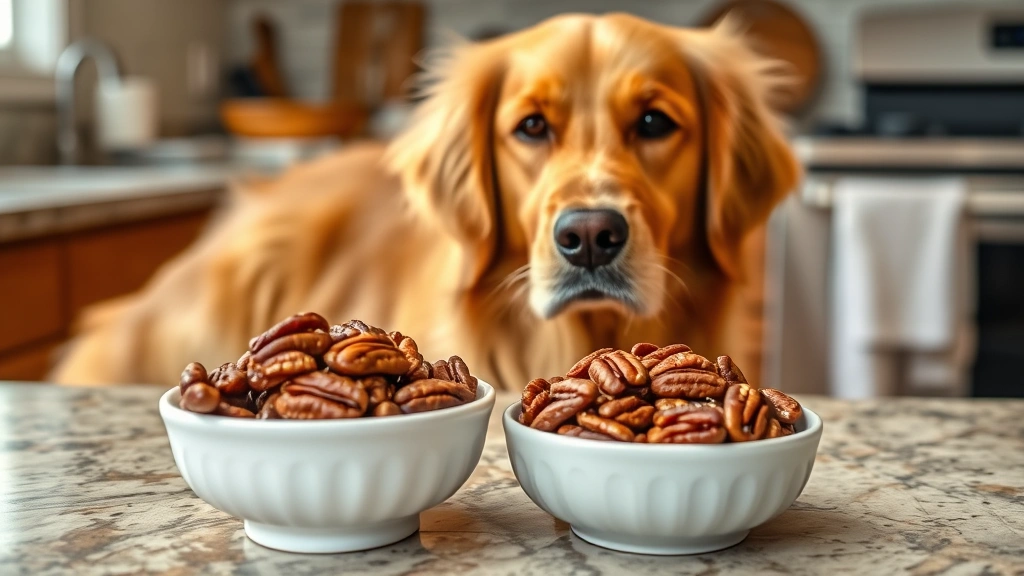
Your dog’s nose twitches as you crack open a pecan pie. You wonder: can dogs eat pecans? The short answer is no—pecans aren’t safe for dogs, and I’ll explain exactly why, what happens if your pup sneaks one, and what you should do if they do. After 12 years as a vet tech and dealing with countless “oops” moments in the clinic, I’ve seen enough pecan incidents to know this matters.
Why Pecans Are Dangerous for Dogs
Pecans aren’t toxic in the way chocolate or xylitol are—meaning they won’t poison your dog immediately. But here’s where it gets tricky: pecans contain compounds and pose risks that make them genuinely unsafe. Think of pecans like a combination lock with multiple tumblers your dog’s body can’t handle.
First, there’s the fat content. Pecans are roughly 70% fat. When dogs eat high-fat foods, their pancreas can become inflamed—that’s pancreatitis, and it’s painful. I’ve held dogs through pancreatitis episodes; they’re miserable and expensive to treat. Your vet will likely recommend IV fluids, anti-nausea meds, and a strict low-fat diet for weeks.
Second, pecans can harbor aflatoxins, naturally occurring mycotoxins produced by mold. These aren’t always visible to the naked eye. Moldy pecans are the real culprit, and since nuts are stored in warm, humid conditions, contamination happens more often than you’d think. According to the FDA’s mycotoxin guidelines, aflatoxin is one of the most potent naturally occurring carcinogens.
Third, pecans are a choking hazard and can cause intestinal blockages, especially in smaller dogs or aggressive eaters. The shell fragments alone can lacerate the mouth or esophagus.
Pro Tip: Even “dog-safe” nuts should only be occasional treats, and never whole or in their shells. Your dog’s digestive system evolved for meat and simple carbs, not tree nuts.
Aflatoxin and Mycotoxin Poisoning Explained
Let me break down what aflatoxin actually does to your dog’s body, because this is the sneaky part of pecan danger.
Aflatoxins are produced by Aspergillus molds, which grow on nuts, grains, and dried foods stored in warm, moist environments. When your dog ingests aflatoxin-contaminated pecans, the toxin is absorbed in the small intestine and processed by the liver. The liver is where the damage happens—aflatoxins are hepatotoxic, meaning they attack liver cells directly.
The problem: liver damage is often silent at first. Your dog might seem fine for days or even weeks while their liver is being quietly damaged. By the time symptoms show up, significant harm may have already occurred. This is why I always tell owners: with nuts and mold-related toxins, prevention is infinitely easier than treatment.
According to research from the American Veterinary Medical Association (AVMA), mycotoxin exposure in pets can result in acute liver failure, chronic hepatic disease, and even cancer with repeated exposure.
The dose matters too. A single pecan probably won’t cause acute poisoning in a 50-pound dog. But a handful of moldy pecans? That’s a different story. And smaller dogs (under 20 pounds) are at higher risk because the toxin concentration is higher relative to their body weight.
Symptoms of Pecan Toxicity in Dogs
If your dog ate pecans, here’s what to watch for over the next 24-72 hours (and beyond, for chronic symptoms):
- Acute symptoms (within hours to days): Vomiting, diarrhea, abdominal pain, lethargy, loss of appetite, excessive drooling
- Pancreatitis-specific signs: Hunched posture (like a play bow, but they won’t move), severe abdominal pain, repeated vomiting, refusal to eat
- Liver damage symptoms (can appear days to weeks later): Jaundice (yellowing of gums, ears, whites of eyes), dark urine, pale stools, increased thirst and urination, weight loss, confusion or disorientation
- Neurological signs (rare but serious): Tremors, seizures, loss of coordination
Here’s the thing: not every dog who eats a pecan will show symptoms. Some dogs have iron-clad stomachs. Others are sensitive. Size, age, overall health, and whether the pecans were moldy all factor in. But the absence of symptoms doesn’t mean no damage occurred—especially with aflatoxins.
One dog I treated ate about 10 moldy pecans and seemed totally fine for three days. Then his owner noticed he was yellowish around the gums. Liver panel came back showing elevated liver enzymes. He recovered, but needed hospitalization and medication for two weeks.
What to Do If Your Dog Ate Pecans

Okay, panic mode off. Here’s your action plan:
- Don’t induce vomiting at home. This isn’t like chocolate poisoning where we have specific antidotes. Call your vet or poison control first.
- Call your veterinarian or the ASPCA Animal Poison Control Center immediately. The ASPCA number is (888) 426-4435. They’ll ask: how many pecans, what size is your dog, when did they eat them, did they have shells, were they moldy? Have this info ready.
- Be honest about timing. If it was 30 minutes ago, they might recommend inducing vomiting. If it’s been 2+ hours, vomiting won’t help much.
- Monitor closely for 48-72 hours. Watch for vomiting, diarrhea, lethargy, abdominal pain, changes in appetite or thirst.
- If symptoms develop, get to a vet immediately. Don’t wait. Pancreatitis and aflatoxin poisoning can escalate quickly.
- Mention the pecans to your vet even if your dog seems fine. They may recommend bloodwork to check liver and pancreatic enzymes, especially if multiple pecans were eaten or if they were moldy.
The vet might recommend activated charcoal to bind toxins, IV fluids to flush the system, or supportive care like anti-nausea medication and a bland diet. Costs can range from $200 for a phone consultation to $2,000+ if hospitalization is needed. It’s not cheap, but it beats an emergency surgery for a blockage.
Safe Nut and Treat Alternatives
Your dog doesn’t need nuts. But if you want to give them a crunchy, protein-rich treat, here are genuinely safe options:
- Peanuts (unsalted, no shell): Technically legumes, not tree nuts. Small amounts are fine. Watch for peanut butter—make sure it doesn’t contain xylitol, which is deadly for dogs.
- Carrots: Crunchy, low-calorie, good for teeth. Raw or cooked. Dogs love them.
- Apples (without seeds): Sweet, hydrating. The seeds contain cyanogenic compounds, so remove them.
- Plain cooked chicken or turkey: Lean protein. No seasoning, no skin.
- Plain cooked sweet potato: Fiber, vitamins, satisfying crunch when cooled.
- Commercial dog treats: Look for ones with simple ingredients and no artificial additives. Brands that do third-party testing for mycotoxins are extra safe.
You can also check out whether your dog can eat avocado or if chestnuts are safe for other treat options. And if you’re wondering about other human foods, asparagus is actually safe for dogs in moderation.
The rule I follow: treats should be no more than 10% of your dog’s daily calorie intake. If your dog weighs 50 pounds and needs about 1,000 calories a day, treats cap out at 100 calories. That’s maybe two small carrots or a tablespoon of peanut butter.
Prevention: Keeping Pecans Away from Your Dog
Prevention is so much easier than treatment. Here’s how to pecan-proof your home:
- Store pecans in sealed containers in a cool, dry place. Never leave them on the counter or in open bowls. Dogs are opportunistic eaters.
- Don’t leave pecan pie, cookies, or other baked goods within reach. Especially during holidays when people are distracted and food is everywhere.
- Clean up immediately after eating. Shells, crumbs, everything. I know this sounds obvious, but you’d be surprised how many dogs get into food debris while owners are cleaning up.
- Educate family members and guests. Tell them your dog can’t have pecans. People mean well but don’t always know the risks.
- Check your yard for fallen pecans if you have pecan trees. Moldy pecans on the ground are a particular hazard because you can’t see the mold.
- Use baby gates or closed doors to manage access. If you’re hosting Thanksgiving, keep your dog in a separate room during the meal and cleanup.
- Consider a crate during high-risk times. I know crating isn’t fun, but it beats an ER visit.
Safety Warning: If you suspect your dog ate moldy pecans specifically (or any moldy food), don’t wait for symptoms. Call your vet immediately. Aflatoxin damage can be silent.
Other Nuts and Foods to Avoid
Pecans aren’t the only nuts dangerous for dogs. Here’s the full rundown:
- Macadamia nuts: Toxic. Cause weakness, tremors, vomiting, hyperthermia. Even small amounts are risky.
- Walnuts: Can harbor mold and mycotoxins, similar to pecans. Also a choking hazard.
- Almonds: Not toxic, but high in fat and can cause choking or blockages.
- Pistachios: High fat, potential for mold contamination. Also the shells are a hazard.
- Brazil nuts: High in selenium; too much can cause toxicity. Avoid.
Beyond nuts, you should also know about whether dogs can eat cat treats (they shouldn’t—different nutritional profiles and often higher fat), and be aware that vomiting undigested food can indicate blockages or other GI issues that might result from eating foreign objects like nut shells.
If you’re curious about digestion timelines, understanding how long a dog takes to digest food helps you know when to worry about blockages.
The golden rule: if you wouldn’t eat it, your dog probably shouldn’t either. And if it’s a human treat with added sugar, salt, or fat, it’s definitely off-limits for your pup.
Frequently Asked Questions
Can dogs eat pecans if they’re shelled and unsalted?
– No. The shell doesn’t make it safe; the fat content and risk of aflatoxin contamination remain. Unsalted doesn’t help either. Pecans are unsafe for dogs regardless of preparation.
What if my dog ate just one pecan?
– One pecan is unlikely to cause acute poisoning in a medium to large dog, but it’s not zero risk. Monitor for 48-72 hours. If your dog is small, very young, very old, or has liver/pancreatic issues, call your vet. Better safe than sorry.
Are black walnuts worse than pecans?
– Black walnuts are actually more toxic than pecans. They contain juglone, which causes neurological symptoms. Both are unsafe, but black walnuts are the more dangerous of the two. Keep your dog away from both.
Can dogs eat pecan pie?
– Absolutely not. Pecan pie contains pecans (obviously), plus sugar, butter, eggs, and often vanilla extract (which may contain alcohol). It’s a triple threat for your dog’s pancreas and liver.
My dog ate moldy pecans. How long before I see symptoms?
– Aflatoxin symptoms can appear within 24-48 hours (acute pancreatitis signs) or take days to weeks (liver damage signs). Don’t wait for symptoms—call your vet immediately if you know your dog ate moldy pecans.
Is there an antidote for pecan or aflatoxin poisoning?
– There’s no specific antidote. Treatment is supportive: IV fluids, anti-nausea medication, liver support supplements, and strict monitoring. Prevention is everything.
Can I give my dog pecan butter like peanut butter?
– No. Pecan butter has the same high fat content and mycotoxin risk as whole pecans. Stick with peanut butter (xylitol-free) if you want a nut butter treat.
My dog has pancreatitis. Are pecans even more dangerous?
– Yes. Dogs with a history of pancreatitis should never eat high-fat foods like pecans. Even a small amount could trigger a flare-up. Stick to low-fat treats like plain carrots or air-popped popcorn (no butter or salt).

What’s the difference between pecans and other tree nuts for dogs?
– The main concerns are fat content, choking hazard, and mold contamination (aflatoxins). Pecans specifically are about 70% fat, which is extremely high. Macadamia nuts are toxic for different reasons (neurological). The safest approach: avoid all tree nuts for dogs.
If my dog ate pecans weeks ago and seems fine, should I still be worried?
– If it’s been weeks and your dog shows no symptoms, the risk of acute toxicity has passed. However, if moldy pecans were involved, chronic liver damage might still be developing silently. A vet checkup with bloodwork (liver panel) would give you peace of mind.





