

Your dog gives you those puppy-dog eyes while you’re scooping out pumpkin seeds in October, and suddenly you’re wondering: can dogs eat pumpkin seeds? The short answer is yes—but there’s a catch. Pumpkin seeds are actually safe for dogs and can offer some real health benefits, but only when prepared correctly and given in the right amounts. I’ve seen plenty of dogs thrive with pumpkin as part of their diet, and I’ve also seen owners make mistakes that led to digestive upset or choking hazards. Let me break down what you need to know about can dogs eat pumpkin seeds, so you can feel confident offering them to your furry friend.
Are Pumpkin Seeds Safe for Dogs?
Yes, can dogs eat pumpkin seeds safely—with caveats. The seeds themselves contain no toxic compounds that harm dogs. However, how you prepare them matters enormously. Raw pumpkin seeds are fine. Roasted unsalted pumpkin seeds are fine. Salted, seasoned, or candied pumpkin seeds? That’s where problems start.
From my years working in vet clinics, I’ve seen owners bring in dogs with sodium toxicity from salted seeds, or GI upset from heavily spiced varieties. The good news is that plain pumpkin seeds are actually nutritious little nuggets for your dog. They’re full of magnesium, manganese, copper, and protein. They’re also packed with antioxidants and omega-3 and omega-6 fatty acids—the kind of stuff that keeps your dog’s coat shiny and skin healthy.
The American Kennel Club recognizes pumpkin as a beneficial ingredient for dogs, and many veterinarians recommend plain pumpkin (the puree, not the pie filling) as a dietary supplement. The AKC provides extensive guidance on dog nutrition, and pumpkin consistently appears in their recommended foods for digestive health.
Pro Tip: If you’re unsure whether your specific dog can handle pumpkin seeds, check with your vet first—especially if your dog has a sensitive stomach or pancreatitis history.
Real Health Benefits of Pumpkin Seeds for Dogs
Let’s talk about why you’d actually want to give your dog pumpkin seeds in the first place. This isn’t just about being trendy or jumping on the “superfoods” bandwagon. There are legitimate reasons veterinarians recommend pumpkin for dogs.
Digestive Support: Pumpkin seeds contain fiber, which helps regulate your dog’s digestive system. If your dog struggles with occasional constipation, pumpkin can help. I’ve recommended it to countless owners, and it genuinely works. The fiber absorbs water and adds bulk to stool, making bowel movements easier. If you’re dealing with the opposite problem—diarrhea—pumpkin can help with that too because the soluble fiber absorbs excess moisture. (For more on this, check out our guide on what to feed a dog with diarrhea.)
Parasite Management: Pumpkin seeds contain a compound called cucurbitacin, which some research suggests may help expel parasites. While pumpkin seeds shouldn’t replace proper deworming medication prescribed by your vet, they can be a supportive addition to your dog’s diet. This is especially useful if you’re looking for natural ways to support your dog’s overall wellness.
Weight Management: Pumpkin seeds are filling but relatively low in calories. If your dog is overweight and you’re looking for healthy treat options, pumpkin seeds can satisfy that need-to-chew impulse without adding excessive calories to their daily intake.
Skin and Coat Health: The omega fatty acids in pumpkin seeds support a healthy coat and skin. Dogs with dry, flaky skin or dull coats sometimes show improvement when pumpkin seeds are added to their diet. This is one of those benefits you’ll notice over weeks, not immediately, but it’s real.
Urinary Health: Some evidence suggests that pumpkin seeds may support urinary tract health in dogs, though this is less conclusive than the digestive benefits. The minerals in pumpkin seeds, particularly magnesium, play a role in overall urinary function.
How to Prepare Pumpkin Seeds: The Right Way
Here’s where most dog owners make mistakes. The preparation method determines whether pumpkin seeds are a healthy treat or a potential problem.
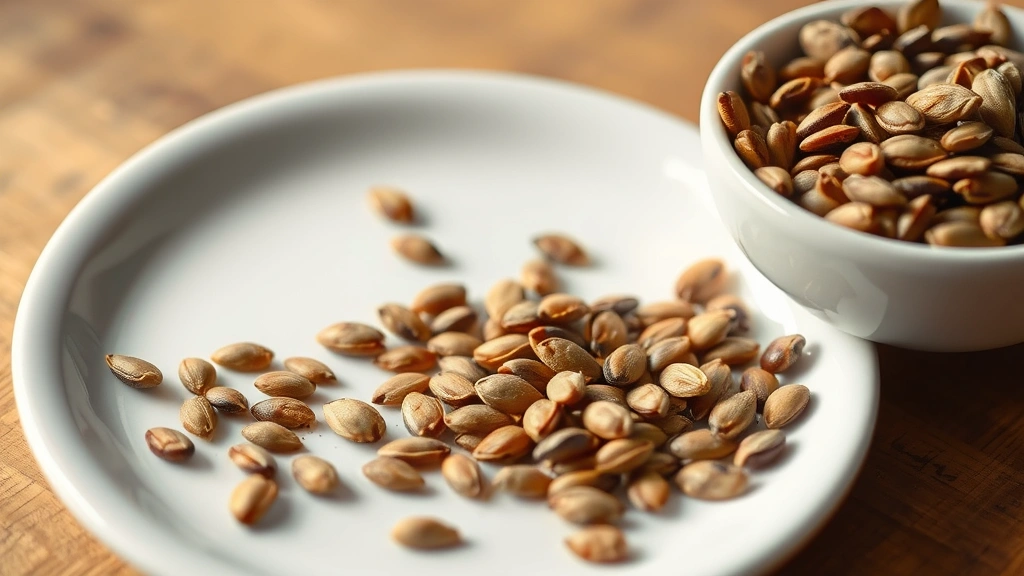
Raw Pumpkin Seeds: Completely safe for dogs. If you’re carving a pumpkin, you can rinse the seeds, let them dry, and give them to your dog as-is. Some dogs love them; others ignore them. No harm either way.
Roasted Unsalted Seeds: Also safe and actually easier for dogs to digest than raw seeds. Roasting breaks down the outer shell slightly, making them gentler on the digestive system. To roast them yourself: spread seeds on a baking sheet, roast at 300°F for about 40-45 minutes, stirring occasionally. Let them cool completely before giving to your dog. Store in an airtight container.
Never Give Your Dog:
- Salted pumpkin seeds (sodium toxicity risk)
- Candied or sugar-coated seeds (obesity, dental issues)
- Seeds seasoned with garlic or onion powder (both toxic to dogs)
- Seeds coated in spices like cinnamon or nutmeg in large quantities
- Whole seeds if your dog has a history of choking or GI blockages
If you’re concerned about choking, you can crush or grind the seeds before serving. Some owners blend them into pumpkin puree or mix them into their dog’s regular kibble.
According to PetMD’s nutrition guidelines for dogs, preparation and freshness are crucial factors in food safety for pets.
Portion Control: How Much Is Too Much?
This is the question I get asked most often in the clinic, and it’s important because more isn’t always better with supplements—even healthy ones.
For a medium-sized dog (30-50 pounds), start with about 1 teaspoon of ground pumpkin seeds or 5-10 whole seeds, once or twice per week. For smaller dogs, reduce that to half a teaspoon. For larger dogs (over 80 pounds), you can go up to 1 tablespoon a few times per week.
Think of pumpkin seeds as a supplement or occasional treat, not a dietary staple. They should make up no more than 10% of your dog’s daily caloric intake. If your dog weighs 50 pounds and needs about 1,000 calories per day, pumpkin seeds should contribute no more than 100 calories.
Here’s the thing: pumpkin seeds are calorie-dense. One ounce of pumpkin seeds contains about 150 calories. That might not sound like much, but for a 20-pound dog, that’s a significant portion of their daily intake. I’ve seen dogs gain weight because owners were generous with “healthy” treats without realizing the caloric load.
Signs You’re Giving Too Much:
- Your dog develops soft stools or diarrhea
- Vomiting or loss of appetite
- Weight gain over several weeks
- Excessive gas or bloating
If any of these happen, cut back immediately and contact your vet if symptoms persist.
Potential Risks and When to Skip Them
While pumpkin seeds are generally safe, certain dogs shouldn’t eat them, and certain situations call for caution.
Dogs with Pancreatitis: The fat content in pumpkin seeds can trigger pancreatitis flare-ups in susceptible dogs. If your dog has a history of pancreatitis, skip the seeds entirely and consult your vet before introducing any new foods.
Dogs with Kidney Disease: Some pumpkin seeds varieties are high in potassium and phosphorus, minerals that need to be carefully controlled in dogs with kidney disease. Ask your vet before offering them.
Dogs with Certain Allergies: While seed allergies are rare in dogs, they do happen. If your dog has a history of food allergies or sensitivities, introduce pumpkin seeds gradually and watch for reactions like itching, vomiting, or diarrhea.
Choking Hazard: For puppies, senior dogs with dental issues, or dogs prone to gulping without chewing, whole pumpkin seeds pose a choking risk. Crush or grind them first.
GI Blockage Risk: Dogs with a history of eating non-food items or GI blockages should avoid pumpkin seeds. The shells can sometimes cause blockages if your dog doesn’t digest them properly.
Related concern: if your dog has trouble with other foods, you might wonder about other vegetables. We have guides on can dogs eat artichokes and can dogs eat barley that cover similar safety considerations.
Better Alternatives to Consider
Pumpkin seeds aren’t the only option for supporting your dog’s health. Depending on your dog’s specific needs, other options might work better.
Plain Pumpkin Puree: This is actually my top recommendation over seeds. It has all the digestive benefits with fewer calories and no choking risk. One tablespoon per day for a medium dog is typically safe. Most dogs find it palatable too—way easier than convincing them to eat seeds.
Sweet Potato: Similar nutritional profile to pumpkin, easier to portion, and most dogs love it. Bake and cool before serving.
Carrots: Great for digestive health, low calorie, and they double as a natural toothbrush for your dog’s teeth.
Green Beans: Low calorie, high fiber, and safe for most dogs.
Apples (without seeds): Fiber-rich and refreshing, though watch the sugar content.
If you’re thinking about adding herbs or other supplements to your dog’s diet, check out our guide on what herbs are good for dogs to make sure you’re making safe choices.
Creative Ways to Serve Pumpkin Seeds
If you’ve decided pumpkin seeds are right for your dog, here are some practical ways to incorporate them:
Mixed into Kibble: Grind the seeds and sprinkle them over your dog’s regular food. Most dogs won’t even notice, and you get the nutritional benefits without the texture issue.
Pumpkin Seed Treats: Mix ground pumpkin seeds with plain pumpkin puree and freeze in ice cube trays. Perfect for summer or as a low-calorie treat.
Peanut Butter Mix: Combine crushed pumpkin seeds with unsalted peanut butter (xylitol-free, obviously) and stuff into a Kong toy. Great enrichment activity.
Training Treats: If your dog is small, individual seeds can work as low-calorie training rewards. Break them in half to make them even smaller.
Pumpkin Seed Oil: You can drizzle a tiny amount of pure pumpkin seed oil over food. It has the same health benefits as the seeds but in concentrated form. Use sparingly—just a few drops.
DIY Dog Biscuits: Bake homemade dog treats with ground pumpkin seeds, pumpkin puree, and oat flour. No salt, no sugar, no weird additives.
Safety Warning: Never use pumpkin pie filling instead of plain pumpkin puree. Pie filling contains sugar, spices, and sometimes xylitol (which is toxic to dogs). Always check the label.
Frequently Asked Questions
Can puppies eat pumpkin seeds?
– Puppies can eat small amounts of unsalted, roasted pumpkin seeds, but they should be ground or crushed first to prevent choking. Start with tiny portions (1/4 teaspoon) and watch for digestive upset. Puppies have developing digestive systems, so introduce new foods slowly. Consult your vet before adding supplements to a puppy’s diet.
What if my dog eats salted pumpkin seeds by accident?
– One or two salted seeds won’t cause harm, but don’t panic. Monitor your dog for signs of salt toxicity: excessive thirst, vomiting, diarrhea, lethargy, or tremors. If your dog ate a large quantity of heavily salted seeds, contact your vet or an emergency clinic. Provide plenty of fresh water and watch for symptoms over the next 24 hours.
Are pumpkin seeds better than pumpkin puree for dogs?
– Neither is objectively better; they serve different purposes. Pumpkin puree is easier to portion, lower calorie, and safer for dogs prone to choking. Pumpkin seeds offer concentrated nutrients and the benefit of chewing activity. For most dogs, pumpkin puree is the easier choice. Use seeds if your dog specifically needs the chewing stimulation or if you want variety.
Can dogs with diabetes eat pumpkin seeds?
– Yes, in moderation. Pumpkin seeds are low glycemic and won’t spike blood sugar. However, they are calorie-dense, so portion control matters for weight management (which is crucial for diabetic dogs). Discuss with your vet before adding them to your diabetic dog’s diet, as overall caloric intake needs to be carefully managed.
How often can I give my dog pumpkin seeds?
– 2-3 times per week is a safe frequency for most dogs. This provides the health benefits without overdoing it on calories or fiber. If you’re using them for digestive support, you might increase to daily, but start with a vet consultation. Think of them as a supplement, not a daily food.
Do pumpkin seeds help with dog breath?
– Indirectly, yes. The compounds in pumpkin seeds can support oral health by promoting better digestion and reducing inflammation. However, they’re not a substitute for dental care. Regular brushing, professional cleanings, and appropriate chew toys are far more effective for fresh breath.
Can I give my senior dog pumpkin seeds?
– Yes, absolutely. Senior dogs often benefit from digestive support, and pumpkin seeds are gentle. However, if your senior dog has dental issues, grind the seeds first. Also, monitor for any changes in digestion or appetite, as older dogs sometimes have more sensitive systems. Always consult your vet if your senior dog has pre-existing health conditions.
What’s the difference between pumpkin seeds and pumpkin seed oil?
– Pumpkin seed oil is extracted from the seeds and is more concentrated. A few drops of oil provide similar nutrients to several seeds, but with less bulk. Oil is easier to portion for small dogs or dogs with dental issues, but it’s also easier to overfeed. Stick with whole or ground seeds for most dogs unless your vet recommends the oil.
Are there any breeds that shouldn’t eat pumpkin seeds?
– No specific breeds are contraindicated. However, individual dogs with certain health conditions (pancreatitis, kidney disease, GI blockage history) should avoid them. Breed matters less than individual health status. A large breed with a sensitive stomach might need to skip them, while a small breed with robust digestion might do fine.

Can I use pumpkin seeds to help with my dog’s coat?
– Yes, the omega fatty acids in pumpkin seeds do support coat health. However, results take weeks to become visible. You’ll see the most dramatic improvement if your dog was deficient in these nutrients. For best results, combine pumpkin seeds with a high-quality diet that already includes balanced omega-3 and omega-6 ratios. Supplements work best when the foundation is solid.
Final Thought: Can dogs eat pumpkin seeds? Yes, they can—safely and healthily. The key is preparation, portion control, and knowing your individual dog’s health status. Start small, watch for any digestive changes, and when in doubt, ask your vet. Pumpkin seeds are one of those foods that genuinely can support your dog’s wellness, but they’re not a magic bullet. They’re best used as part of a comprehensive approach to canine nutrition that includes quality food, regular exercise, and preventative veterinary care. Your dog’s health is worth the extra thought.





