
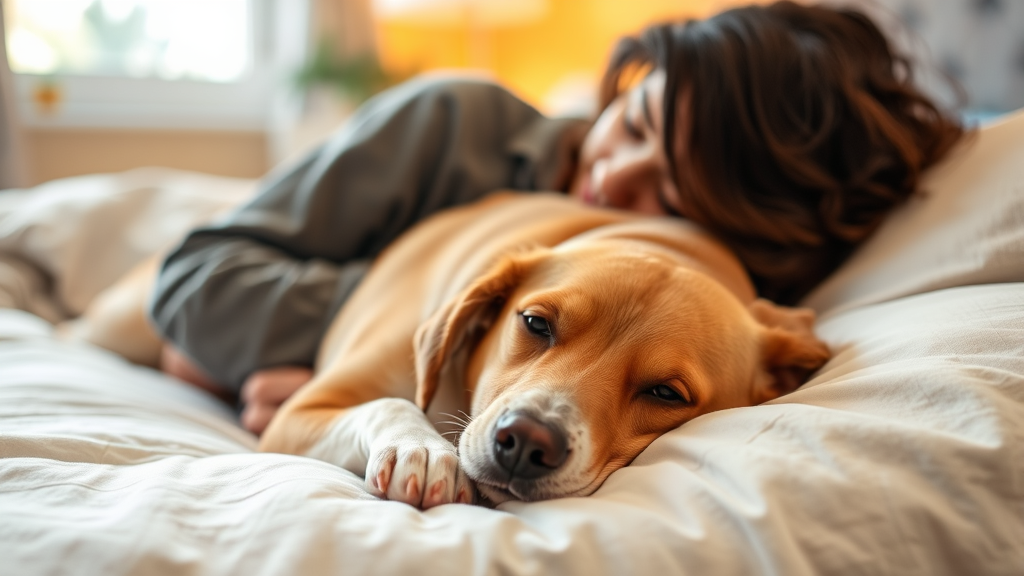
Understanding your dog’s heat cycle is crucial for responsible pet ownership, whether you’re planning to breed your dog or simply want to provide the best care possible. The heat cycle, also known as the estrous cycle, is a natural biological process that affects all intact female dogs. This complex hormonal journey can be confusing for first-time dog owners, but with proper knowledge and preparation, you can help your furry companion navigate this period comfortably and safely.
Many pet owners find themselves asking questions like how long are dogs in heat and what signs to watch for during this time. The heat cycle typically occurs every six months and can last anywhere from two to four weeks, depending on your dog’s breed, age, and individual characteristics. During this time, your dog will experience physical and behavioral changes that require your attention and care.
Understanding the Heat Cycle Basics
The canine heat cycle is a reproductive process that begins when female dogs reach sexual maturity, typically between 6 and 24 months of age. Smaller breeds tend to experience their first heat cycle earlier, often around 6-8 months, while larger breeds may not enter their first cycle until 18-24 months. This timing variation is important to understand as it affects when you should start watching for signs and preparing for your dog’s needs.
Unlike humans, dogs don’t go through menopause and will continue to have heat cycles throughout their lives unless spayed. The frequency of these cycles can vary, with most dogs experiencing heat every 6-8 months, though some may cycle every 4 months or as infrequently as once per year. Understanding your individual dog’s pattern will help you better prepare for future cycles.
The heat cycle is controlled by hormonal fluctuations, primarily involving estrogen and progesterone. These hormones not only prepare the reproductive system for potential pregnancy but also influence your dog’s behavior, appetite, and overall demeanor. Recognizing that these changes are natural and temporary can help you provide appropriate support during this time.
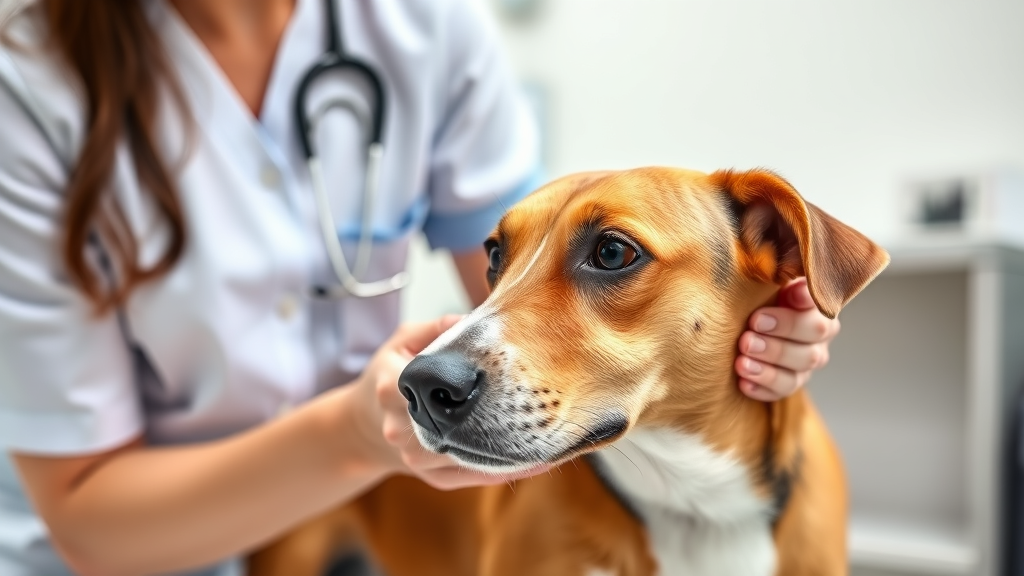
The Four Stages of the Heat Cycle
The canine heat cycle consists of four distinct stages, each with its own characteristics and duration. Understanding these stages helps you know what to expect and when your dog is most fertile or receptive to mating.
Proestrus Stage
The proestrus stage marks the beginning of the heat cycle and typically lasts 7-10 days. During this phase, you’ll notice the first physical signs including vulvar swelling and bloody discharge. Your dog may seem restless or anxious, and male dogs will begin showing interest, though your female won’t be receptive to mating yet. This stage is characterized by rising estrogen levels as the body prepares for potential breeding.
Estrus Stage
The estrus stage is when your dog is actually “in heat” and fertile. This phase usually lasts 5-9 days but can extend up to 21 days in some dogs. The bloody discharge often becomes lighter in color or may stop entirely. Your dog will be receptive to male dogs during this time, and ovulation typically occurs 2-3 days into this stage. This is when pregnancy can occur if breeding takes place.
Diestrus Stage
Diestrus follows estrus and lasts approximately 60-90 days if pregnancy doesn’t occur, or until birth if your dog is pregnant. During this stage, progesterone levels are high, and your dog’s body acts as if pregnant regardless of actual conception. The vulva returns to normal size, discharge stops, and your dog will reject advances from male dogs.
Anestrus Stage
Anestrus is the resting phase between heat cycles, lasting 4-6 months. Hormone levels are at their lowest during this time, and your dog’s reproductive system is inactive. This is when your dog returns to her normal behavior and physical state, providing a break before the cycle begins again.
Physical Signs and Symptoms
Recognizing the physical signs of your dog’s heat cycle is essential for proper care and management. The most obvious sign is vulvar swelling, which can range from mild to quite pronounced depending on your dog’s size and individual response. This swelling typically appears 1-2 days before any discharge begins and gradually increases throughout the proestrus stage.
Bloody discharge is another key indicator, starting as bright red and potentially changing to a lighter pink or straw color as the cycle progresses. The amount of discharge varies significantly between dogs, with some producing very little while others may leave noticeable spots around the house. Some owners wonder do dogs have periods, and while this discharge is similar to menstruation, the canine reproductive cycle is quite different from human menstruation.
You may also notice changes in your dog’s urination habits. Many dogs in heat urinate more frequently and may mark territory more often than usual. This behavior is driven by hormonal changes and serves to communicate their reproductive status to other dogs. Additionally, some dogs may experience mild discomfort or cramping, though this is generally less severe than what humans experience during menstruation.
Other physical signs can include changes in appetite, with some dogs eating less while others may increase their food intake. You might also observe your dog cleaning herself more frequently, particularly around the genital area. Some dogs may experience mild lethargy or seem less energetic than usual, though this varies greatly among individuals.
Behavioral Changes During Heat
The hormonal fluctuations during a dog’s heat cycle can cause significant behavioral changes that may surprise first-time owners. Understanding these changes helps you respond appropriately and provide the support your dog needs during this time.
One of the most common behavioral changes is increased restlessness and anxiety. Your normally calm dog may pace, whine, or seem unable to settle comfortably. This restlessness often intensifies during the evening hours and may disrupt both your dog’s and your family’s sleep patterns. Some dogs may exhibit behaviors that make owners wonder why is my dog shaking, as hormonal changes can sometimes cause mild trembling or nervous energy.
Affection levels may fluctuate dramatically during the heat cycle. Some dogs become more clingy and seek extra attention from their owners, while others may prefer solitude and become less social. This change in affection needs can extend to interactions with other pets in the household as well.
Territorial marking behavior often increases during heat, even in dogs that were previously house-trained. This is a natural instinct to communicate reproductive status to other dogs and typically resolves once the cycle ends. Additionally, some dogs may become more vocal during their heat cycle, whining or crying more than usual. Owners sometimes question do dogs cry when observing these vocalizations, which are often expressions of discomfort or hormonal-driven communication.
Escape attempts are another serious behavioral consideration during heat. The drive to find a mate can be incredibly strong, leading previously well-behaved dogs to attempt to dig under fences, jump over barriers, or bolt through open doors. This behavior poses significant safety risks and requires extra vigilance from owners.

Caring for Your Dog During Heat
Proper care during your dog’s heat cycle involves both practical management and emotional support. Creating a comfortable environment while maintaining hygiene and safety should be your primary focus during this time.
Hygiene management is crucial during the heat cycle. Consider using doggy diapers or protective pants designed specifically for dogs in heat. These products help protect your furniture and flooring while keeping your dog comfortable. Change these protective garments regularly and ensure they fit properly to prevent chafing or discomfort. Some dogs may initially resist wearing these items, so introduce them gradually with positive reinforcement.
Maintain a consistent routine as much as possible, as familiarity can help reduce anxiety during this hormonally turbulent time. However, you may need to adjust exercise routines to avoid areas where intact male dogs might be present. Leash walks are essential during heat, even for dogs with excellent recall, as the hormonal drive to mate can override normal obedience training.
Provide extra comfort measures such as a quiet, cozy space where your dog can retreat when feeling overwhelmed. Some dogs benefit from anxiety-reducing techniques like calming music, pheromone diffusers, or gentle massage. Monitor your dog’s behavior for signs of excessive stress or discomfort that might require veterinary attention.
Pay attention to any unusual behaviors or symptoms that might indicate complications. While some dogs may engage in behaviors like excessive paw licking during stressful times, understanding why do dogs lick their paws can help you determine if this is stress-related or indicates another issue requiring attention.
Health Considerations and When to Call a Vet
While the heat cycle is a natural process, certain complications can arise that require veterinary attention. Understanding when to seek professional help can prevent serious health issues and ensure your dog’s wellbeing.
Monitor the duration and intensity of your dog’s heat cycle carefully. According to the American Veterinary Medical Association, cycles lasting longer than 4 weeks or occurring more frequently than every 4 months may indicate hormonal imbalances or other health issues that require evaluation.
Watch for signs of pyometra, a serious uterine infection that can occur during or after the heat cycle. Symptoms include excessive thirst, frequent urination, vomiting, lethargy, and a foul-smelling discharge. This condition is life-threatening and requires immediate veterinary treatment. The risk of pyometra increases with age and is one reason many veterinarians recommend spaying.
Other warning signs that warrant veterinary consultation include excessive bleeding, complete loss of appetite for more than 24 hours, severe behavioral changes, or signs of pain such as reluctance to move or vocalization when touched. Additionally, if your dog shows signs of false pregnancy (pseudopregnancy) such as nesting behavior, lactation without pregnancy, or maternal behavior toward toys, discuss this with your veterinarian.
Regular veterinary checkups during and after heat cycles help ensure reproductive health. Your veterinarian can also discuss the optimal timing for spaying if you choose this option, as the Humane Society notes that spaying provides significant health benefits including prevention of reproductive cancers and infections.
Prevention and Long-term Considerations
For owners who don’t plan to breed their dogs, spaying offers the most effective way to prevent heat cycles while providing significant health benefits. The procedure involves removing the ovaries and usually the uterus, permanently preventing heat cycles and eliminating the risk of pregnancy, pyometra, and ovarian or uterine cancers.
Timing for spaying is an important consideration that should be discussed with your veterinarian. Traditional recommendations suggested spaying before the first heat cycle, but recent research from institutions like UC Davis indicates that for some large breeds, waiting until physical maturity may provide health benefits. Your veterinarian can help determine the best timing based on your dog’s breed, size, and individual health factors.
If you choose to keep your dog intact, develop a long-term management plan for future heat cycles. This includes establishing relationships with dog daycare facilities or pet sitters who can accommodate intact females, planning for potential emergency veterinary care, and considering the long-term health risks associated with repeated heat cycles.
For breeding purposes, maintain detailed records of each heat cycle including dates, duration, and any notable symptoms or behaviors. This information helps predict future cycles and can be valuable for breeding timing or identifying potential health issues. Work with a qualified veterinarian or canine reproduction specialist to ensure healthy breeding practices if this is your goal.
Frequently Asked Questions
How long does a dog’s heat cycle last?
A dog’s complete heat cycle typically lasts 2-4 weeks, with the fertile period (estrus stage) lasting 5-9 days on average. However, the entire cycle including all four stages spans several months, with most dogs cycling every 6-8 months. Individual variation is common, so tracking your dog’s specific pattern is important for future planning.
Can I walk my dog during her heat cycle?
Yes, you can and should continue exercising your dog during her heat cycle, but with precautions. Always keep her on a leash, avoid dog parks or areas with many intact males, and consider walking during off-peak hours. Exercise helps maintain physical and mental health during this potentially stressful time, but safety should be your priority.
What age do dogs typically have their first heat cycle?
Most dogs experience their first heat cycle between 6-24 months of age, with smaller breeds typically cycling earlier (6-8 months) and larger breeds later (12-24 months). Giant breeds may not have their first cycle until 18-24 months. Consult with your veterinarian about what to expect based on your dog’s breed and size.
Is it normal for my dog to have a different appetite during heat?
Yes, appetite changes are common during heat cycles due to hormonal fluctuations. Some dogs eat less while others may increase their food intake. As long as your dog doesn’t refuse food completely for more than 24 hours and maintains adequate hydration, these changes are typically normal. Monitor for extreme changes and consult your vet if concerned.
How can I prevent my dog from getting pregnant during heat?
The most effective prevention is keeping your dog away from intact males throughout the entire heat cycle, not just during the obvious fertile period. This means no off-leash time, secure fencing, and constant supervision. Even brief encounters can result in pregnancy, so vigilance is essential. Spaying is the only permanent solution for preventing pregnancy.
Should I bathe my dog more frequently during her heat cycle?
You may need to bathe your dog more frequently during heat to maintain hygiene, especially around the hindquarters. However, avoid over-bathing as this can irritate sensitive skin. Spot cleaning with pet-safe wipes between baths can help maintain cleanliness. Always use lukewarm water and gentle, dog-specific products.
Can dogs in heat be around other dogs?
Dogs in heat should be kept away from intact males to prevent unwanted pregnancy and reduce stress for both animals. Spayed or neutered dogs may be acceptable companions, but monitor interactions carefully as hormonal changes can affect social dynamics. Some intact females may become more territorial or less tolerant of other dogs during their cycle.





