

Your dog just watched you slice into a bright red bell pepper, and now those puppy eyes are locked on yours. You’re wondering: can dogs have bell peppers? The answer is yes—but there’s smart and not-so-smart ways to do it. As a vet tech who’s answered this question about a thousand times, I’ll give you the real story: bell peppers are safe for dogs, packed with vitamin C and fiber, but they’re not a miracle food. They’re just a decent veggie snack that most dogs can enjoy if you follow a few rules.
In this guide, I’ll walk you through exactly what you need to know about feeding bell peppers to your dog, including which colors are best, how much is safe, and what to watch for.
Are Bell Peppers Safe for Dogs?
Let me be direct: yes, bell peppers are safe for dogs. They’re not toxic, they won’t poison your dog, and they won’t cause an emergency vet visit. The ASPCA confirms that bell peppers are not on their toxic foods list for dogs, and most veterinarians agree they’re a reasonable occasional treat.
Here’s the thing though—safe doesn’t always mean necessary. Bell peppers are like that coworker who’s perfectly fine to be around but not someone you need to invite to every party. Your dog’s main nutrition should come from a quality dog food. Veggies like bell peppers are just a bonus.
The key difference is that bell peppers contain no capsaicin (the compound that makes hot peppers spicy), so they won’t irritate your dog’s digestive system. Raw bell peppers are completely fine, and cooked ones are too—though raw is slightly better because cooking can reduce some of the nutrients.
Pro Tip: If your dog has a sensitive stomach or you’re introducing bell peppers for the first time, start with a small piece and wait 24 hours to see how they handle it. Most dogs do fine, but better safe than sorry.
Nutritional Benefits of Bell Peppers for Dogs
Bell peppers do bring something to the table nutritionally. Let me break down what your dog actually gets:
- Vitamin C: Bell peppers are loaded with it. Dogs produce their own vitamin C, so they don’t technically need it from food, but extra antioxidants can support immune function and joint health as dogs age.
- Fiber: Good for digestive health. If your dog tends toward constipation, a tiny bit of bell pepper might help. (Check out our guide on what to feed a constipated dog for more fiber options.)
- Potassium: Supports heart and muscle function.
- Low in calories: A cup of raw bell pepper has only about 30 calories. Great for dogs on a diet or who need low-calorie treats.
- Water content: About 92% water, so they’re hydrating. On a hot day, a few strips of cold bell pepper can be refreshing.
The reality? Your dog isn’t going to have a nutritional deficiency if you never give them a bell pepper. But if you want to add variety to their diet or use it as a training treat, the nutrients are a nice bonus.
Does Bell Pepper Color Matter?
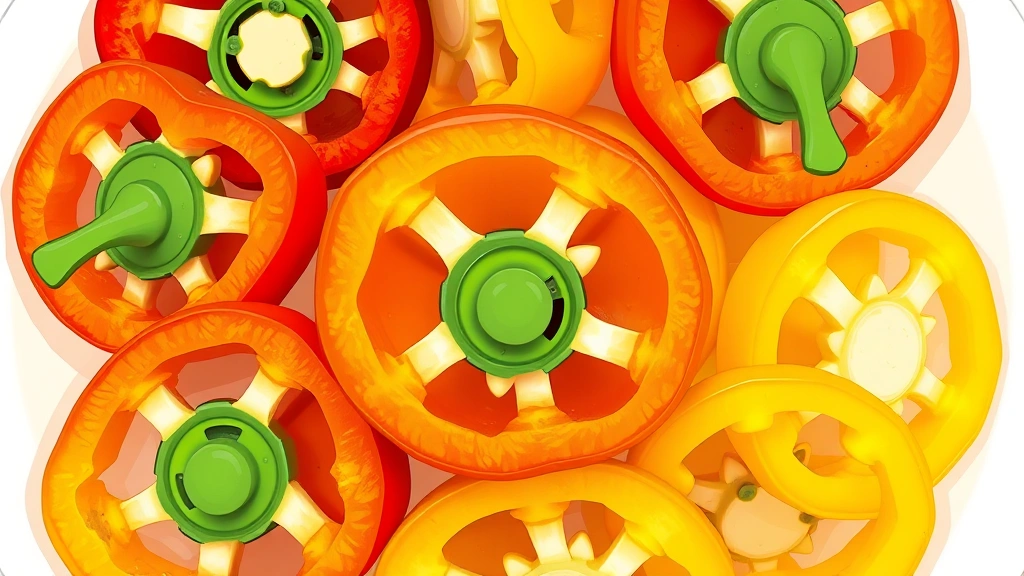
This is where people get confused. All bell pepper colors—red, yellow, orange, and green—are safe for dogs. There’s no toxic color.
Here’s the breakdown:
- Red bell peppers: Sweetest flavor. Highest in vitamin C and antioxidants. Most dogs seem to prefer these.
- Yellow and orange bell peppers: Also sweet, slightly less vitamin C than red. Still totally safe.
- Green bell peppers: Less sweet, slightly more bitter taste. Some dogs turn their nose up at them. They’re safe, but red or yellow are usually better choices if your dog is picky.
The color difference comes down to ripeness and growing time, not safety. Green peppers are just younger peppers. By the time they turn red, they’ve been on the plant longer and developed more sugars and antioxidants.
My recommendation? Start with red or yellow if you want your dog to actually eat it. Green works too, but don’t be surprised if your pup is less interested.
How Much Bell Pepper Can Dogs Eat?
This is the question that matters most. The amount depends on your dog’s size, but here’s the general rule: bell peppers should be a treat, not a meal replacement. They should make up no more than 10% of your dog’s daily calorie intake.
In practical terms:
- Small dogs (under 25 lbs): A few small strips or about 1/4 of a pepper per week. Think of it as an occasional thing, not daily.
- Medium dogs (25-50 lbs): Up to 1/2 of a pepper per week. You can split it into multiple small portions.
- Large dogs (50+ lbs): Up to 1 whole pepper per week, split into pieces. They can handle more volume, but it’s still just a treat.
Here’s the reality check: if you give your dog a whole bell pepper every single day, you’re not doing harm, but you’re also potentially displacing calories they should be getting from their regular food. Treats should be treats, not staples.
A good way to think about it: if you’re using bell pepper as a training treat, count those pieces toward your dog’s daily treat allowance. If you’re giving it as a snack, keep portions small.
The Right Way to Prepare Bell Peppers for Dogs
Preparation matters more than people think. Here’s how to do it right:
- Wash thoroughly: Use running water and rub the pepper under your fingers to remove any pesticides or dirt. Even if you’re going to cook it, wash it first.
- Remove all seeds: Seeds aren’t toxic, but they can be a choking hazard and are harder to digest. Slice the pepper in half, scoop out the seeds, and discard them.
- Remove the stem and white pith: The white inside part is safe but bitter and less digestible. Strip it out.
- Cut into appropriate sizes: For small dogs, cut into small strips or chunks. For large dogs, you can leave larger pieces, but nothing so big it’s a choking risk. Think about your dog’s eating style—does your dog chew or swallow whole?
- Raw vs. cooked: Both are fine. Raw keeps more nutrients. Cooked is softer and easier for older dogs or those with dental issues. If cooking, don’t add salt, oil, or seasonings.
- Store properly: Keep cut peppers in the fridge in an airtight container. They’ll last about 3-4 days.
Pro tip: freeze small pieces in ice cube trays with a little water. On hot days, give your dog a frozen bell pepper cube. It’s hydrating, low-calorie, and keeps them occupied while they lick and chew it.
Potential Risks and Things to Watch For
Bell peppers are generally safe, but there are a few situations where you should be cautious:
- Digestive upset: Some dogs have sensitive stomachs. If your dog has a history of diarrhea or vomiting, introduce peppers very slowly or skip them. (If your dog does have digestive issues, read our guide on how to treat dog diarrhea.)
- Choking hazard: Large chunks can be a risk, especially for dogs who don’t chew. Cut them small.
- Pesticide residue: Non-organic bell peppers can carry pesticide residue. Wash thoroughly or buy organic if you’re concerned.
- Excess fiber: Too much fiber can cause loose stools or constipation. Stick to small portions.
- Allergic reactions: Rare, but some dogs can have sensitivities to nightshade vegetables (peppers are part of this family). Signs include itching, hives, or digestive upset. If you notice these, stop feeding peppers and call your vet.
- Weight gain: For overweight dogs, peppers are a good low-calorie treat option, but they shouldn’t replace a proper diet plan. Talk to your vet about weight management.
Safety Warning: Never give your dog hot peppers, jalapeños, habaneros, or any spicy peppers. These contain capsaicin, which irritates the digestive tract and can cause serious problems. Stick to mild bell peppers only.
Better Veggie Alternatives to Consider
Bell peppers are fine, but they’re not the best veggie option for dogs. Here are some better choices:
- Carrots: Crunchy, naturally sweet, great for teeth. Dogs love them. Raw or cooked.
- Green beans: Low calorie, high fiber, very digestible. Most dogs tolerate them well.
- Pumpkin: Excellent for both diarrhea and constipation. Packed with fiber and nutrients. Plain canned pumpkin is a vet favorite.
- Sweet potato: More nutritious than bell peppers. Higher in vitamins and minerals. Cooked is best.
- Broccoli: In small amounts (not daily). Good source of vitamin C.
If you’re looking to add veggies to your dog’s diet for specific reasons, check out our guide on potatoes for dogs and explore other options. Each veggie has different nutritional profiles and benefits.
You might also be interested in whether dogs can eat banana chips or if lemon is bad for dogs if you’re exploring what human foods are safe.
For a more comprehensive approach to dog nutrition, consider making homemade bone broth for dogs, which is nutrient-dense and something you can serve alongside their regular meals.
Frequently Asked Questions
Can puppies eat bell peppers?
– Yes, puppies can eat bell peppers, but in very small amounts. Their digestive systems are still developing. Start with tiny pieces and watch for any signs of upset stomach. It’s better to wait until they’re at least 6 months old before introducing new foods. Stick to their puppy food as the main nutrition source.
Is it okay to give my dog bell pepper every day?
– Technically yes, but it’s not recommended. Bell peppers should be an occasional treat, not a daily staple. Feeding them daily means you’re potentially reducing the calories from their regular food, which is formulated for complete nutrition. Once or twice a week is ideal.
What if my dog ate a whole bell pepper?
– Don’t panic. A whole bell pepper won’t hurt your dog. They might have a slightly upset stomach or soft stools the next day because of the extra fiber, but it’s not an emergency. Monitor them for 24-48 hours. If they seem fine, no action needed. If they have severe vomiting or diarrhea, call your vet.
Can dogs eat bell pepper seeds?
– Yes, bell pepper seeds are not toxic. But they’re a choking hazard and harder to digest, so it’s best to remove them before giving peppers to your dog. It only takes a minute to scoop them out.
Are cooked bell peppers better than raw for dogs?
– Raw peppers retain more vitamin C and nutrients. Cooked peppers are softer and easier for older dogs or those with dental problems to eat. Both are safe. Choose based on your dog’s needs and preferences. If cooking, don’t add oil, salt, or spices.
Can bell peppers cause allergies in dogs?
– Allergies to bell peppers are rare but possible. Peppers are nightshade vegetables, and some dogs have sensitivities. Signs include itching, hives, ear infections, or digestive upset. If you notice any of these after introducing peppers, stop feeding them and contact your vet. A food trial with your vet can help identify the problem.
Is red bell pepper better than green for dogs?
– Red bell peppers have more vitamin C and antioxidants than green ones. They’re also sweeter, so most dogs prefer them. Green peppers are safe too, but red or yellow are better nutritionally and dogs usually like them more.
Can I use bell pepper as a training treat?
– Absolutely. Bell pepper pieces are low-calorie, safe, and many dogs like them. They’re especially good for weight-conscious dogs or those in training programs where you’re giving lots of treats. Just count the pieces toward their daily treat allowance so you don’t overfeed.
External Authority Sources Referenced:
This article was informed by veterinary standards from the Association of American Feed Control Officials (AAFCO), guidelines from the American Kennel Club (AKC), and information from ASPCA’s toxic substances database. For questions about your individual dog’s diet, consult your veterinarian or a board-certified veterinary nutritionist through the AAFCO.





