

Your dog used to bound up the stairs without thinking. Now she hesitates at the bottom step, wincing slightly before climbing. You’ve noticed her limping after walks, stiffening up in the morning, and moving slower overall. Joint pain in dogs is real, and it’s heartbreaking to watch. If your vet has mentioned dasuquin for dogs, or if you’re researching joint supplements because your pup is aging, this guide will walk you through everything you need to know about whether dasuquin for dogs is the right choice for your best friend.
I’ve worked with countless dogs dealing with arthritis and joint degradation over my career, and I’ve seen how the right supplement can genuinely improve quality of life. Dasuquin for dogs isn’t a miracle cure, but it’s one of the most researched joint supplements on the market, and it works differently than glucosamine alone. Let’s break down what dasuquin for dogs actually does, how it compares to other options, and whether it’s worth adding to your dog’s routine.
What Is Dasuquin for Dogs?
Dasuquin is a joint supplement made by Nutramax Laboratories, the same company behind Cosequin. The key difference? Dasuquin contains ASU (avocado/soybean unsaponifiables) in addition to glucosamine and chondroitin. Think of it as glucosamine’s more advanced cousin—same foundation, extra support.
The supplement comes in several forms: capsules, tablets, chewables, and sprinkle powder. It’s available over-the-counter, so you don’t need a prescription, though your vet should absolutely be in the loop before you start your dog on any new supplement. According to the American Kennel Club’s resource on joint supplements, glucosamine-based products are among the most commonly recommended options for canine joint health.
Dasuquin for dogs is designed to support cartilage health and reduce inflammation in aging joints. It’s particularly marketed for dogs with osteoarthritis or those at risk (large breeds, senior dogs, active working dogs). The supplement is available in different formulations—regular strength and advanced, with the advanced version containing additional ingredients like MSM (methylsulfonylmethane) for extra anti-inflammatory support.
Here’s the real talk: dasuquin for dogs is not a cure for arthritis. It won’t reverse damage that’s already done to your dog’s joints. What it can do is slow progression, reduce pain and stiffness, and help your dog move more comfortably. That matters a lot when you’re watching your senior pup struggle.
How Dasuquin Works in Your Dog’s Body
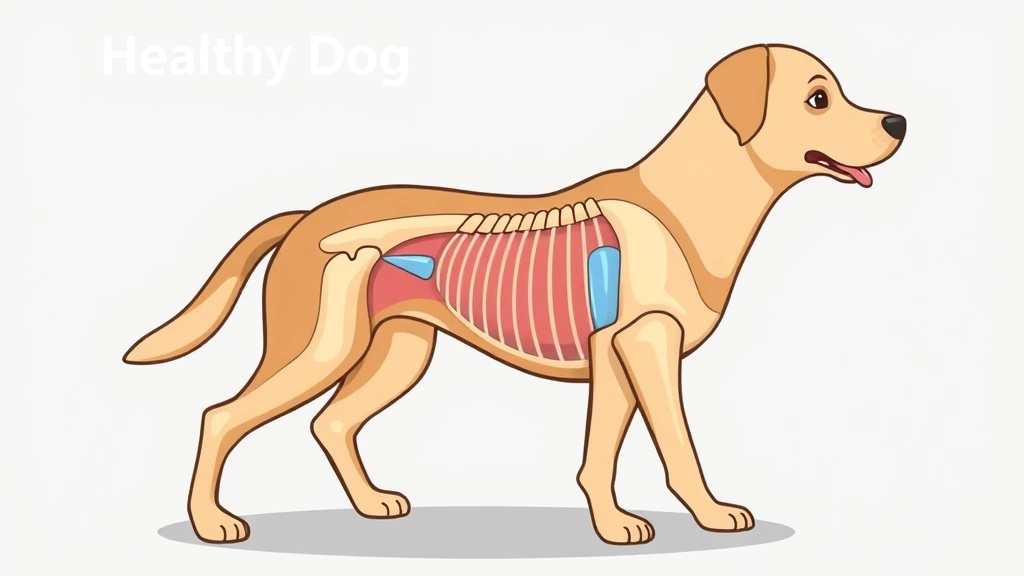
To understand how dasuquin for dogs works, you need a quick lesson in joint anatomy. Your dog’s joints are cushioned by cartilage—imagine it like the bumpers in a pinball machine, keeping bones from grinding together. As dogs age (or if they have certain conditions), that cartilage wears down, causing inflammation, pain, and stiffness. This is osteoarthritis, and it’s incredibly common in older dogs.
Glucosamine, the main ingredient in dasuquin for dogs, is an amino sugar that your dog’s body uses to build and repair cartilage. It also helps maintain the viscosity of synovial fluid—the lubricating fluid inside joints. When you give your dog dasuquin, you’re providing raw materials his body can use to rebuild damaged cartilage and reduce inflammation.
Chondroitin, the second ingredient, works alongside glucosamine by helping cartilage retain water and resist compression. It also has mild anti-inflammatory properties.
But here’s where dasuquin for dogs stands apart: the ASU (avocado/soybean unsaponifiables). This is a plant-derived compound that has shown promise in research for reducing inflammatory markers in cartilage. Studies suggest ASU may help inhibit the breakdown of cartilage matrix, potentially slowing joint degeneration more effectively than glucosamine alone. PetMD’s guide to canine joint problems notes that combination supplements like dasuquin for dogs may offer advantages over single-ingredient options.
The mechanism isn’t instantaneous. Dasuquin for dogs works gradually, rebuilding joint tissue over weeks to months. That’s why vets recommend starting it early—prevention is easier than treatment. If your dog already has significant cartilage loss, dasuquin can still help manage pain and slow further deterioration, but don’t expect overnight miracles.
The Real Benefits of Dasuquin for Dogs
Let’s talk about what dasuquin for dogs can actually do for your dog, based on research and real-world experience:
- Reduced joint pain and stiffness: Many dogs show noticeable improvement in mobility within 4-6 weeks, though some take longer. Your dog might climb stairs more easily, play longer, or show less reluctance to move.
- Improved mobility: Dogs on dasuquin often move with more ease and confidence. That hesitation at the bottom of the stairs? It may disappear.
- Slower cartilage degeneration: The ASU in dasuquin for dogs may slow the progression of osteoarthritis, meaning your dog stays comfortable longer and doesn’t decline as rapidly.
- Reduced inflammation: By addressing the inflammatory cascade in damaged joints, dasuquin for dogs can help your pup feel better overall, not just in the joints.
- Better quality of life: This is the big one. If your dog can play fetch again, sleep without groaning, or enjoy walks without limping, that’s a win.
The catch? Not every dog responds equally. Some see dramatic improvements within weeks. Others see modest changes. And a small percentage don’t respond noticeably at all. This isn’t a failure of dasuquin for dogs—it’s just how individual biology works. Factors like the severity of cartilage damage, your dog’s age, genetics, diet, and overall health all influence response.
Research on dasuquin for dogs is solid but not perfect. A 2010 study published in the American Journal of Veterinary Research found that dogs given dasuquin showed significant improvement in lameness and pain compared to placebo over a 6-month period. However, like many supplement studies, the sample sizes are modest and long-term data is limited.
One thing I’ve noticed in my own experience: dasuquin for dogs works best as part of a comprehensive approach. Combine it with weight management, appropriate exercise, pain medication if needed (ask your vet), and environmental modifications (ramps instead of stairs, orthopedic beds), and you’ll see better results than dasuquin alone.
Dasuquin Dosage and Administration
Dasuquin for dogs comes in different strengths, and dosing depends on your dog’s weight. This is important: always follow the label or your vet’s recommendation. Don’t guess.
Standard Dasuquin dosing (regular strength):
- Dogs under 10 lbs: 1 capsule daily
- Dogs 10-20 lbs: 1 capsule daily
- Dogs 21-50 lbs: 1 capsule daily
- Dogs over 50 lbs: 2 capsules daily
For the advanced formula (with MSM), dosing is similar but check your specific product, as formulations vary.
The initial phase matters. Dasuquin for dogs typically requires 4-6 weeks of consistent daily dosing before you see results. Some dogs need 8-12 weeks. This is the loading phase—you’re building up the supplement in your dog’s system. If you stop after two weeks because you don’t see improvement, you’re not giving dasuquin for dogs a fair shot.
Administration is straightforward. You can give dasuquin capsules with food or without, though food may help with absorption. If your dog won’t swallow capsules (and many won’t), you have options:
- Open the capsule and sprinkle the contents on wet food or a treat
- Switch to the chewable form, which many dogs find more palatable
- Use the sprinkle powder formulation
- Hide the capsule in peanut butter or cream cheese
Consistency is key with dasuquin for dogs. Missing doses regularly will undermine effectiveness. Set a phone reminder or tie it to your morning coffee routine to stay consistent.
If you’re also giving your dog other supplements (fish oil, turmeric, etc.), that’s fine—dasuquin for dogs plays well with others. But always mention everything to your vet to rule out interactions or redundancy.
Side Effects and Safety Concerns
Here’s the reassuring part: dasuquin for dogs is generally very safe. It’s been on the market for years and has an excellent safety profile. Serious adverse reactions are rare.
Possible mild side effects include:
- Mild gastrointestinal upset (occasional loose stool or mild nausea)
- Mild allergic reactions (rare, but possible if your dog has shellfish allergies, since glucosamine is often derived from shellfish)
Most dogs tolerate dasuquin for dogs without any issues whatsoever. If your dog does experience GI upset, try giving it with food or switching to the chewable form.
Important safety notes:
- If your dog has a shellfish allergy, check with your vet before using dasuquin for dogs, since some formulations contain shellfish-derived glucosamine. Nutramax does offer shellfish-free options.
- Dasuquin for dogs is not recommended for pregnant or nursing dogs (though risk is minimal, data is limited).
- If your dog is on blood thinners or has bleeding disorders, mention dasuquin for dogs to your vet, as some ingredients may have mild anticoagulant properties.
- Dasuquin for dogs should not replace veterinary treatment for severe arthritis or acute joint injuries. Use it alongside, not instead of, prescribed medications.
Long-term safety data on dasuquin for dogs is good. Dogs have been taking it for 20+ years without major issues. That said, supplement regulation isn’t as strict as pharmaceutical regulation, so quality can vary between manufacturers. Stick with reputable brands like Nutramax, and buy from trusted sources (your vet, Amazon, Chewy) rather than sketchy third-party sellers.
Dasuquin vs. Other Joint Supplements
Your vet might mention other options, so here’s how dasuquin for dogs stacks up:
Dasuquin vs. Cosequin: Cosequin is Nutramax’s original formula—glucosamine and chondroitin only, no ASU. Dasuquin for dogs is essentially the upgraded version. If your dog is already on Cosequin and doing well, switching to dasuquin for dogs might offer additional benefit, but it’s not essential. Cosequin is cheaper; dasuquin for dogs is more comprehensive.
Dasuquin vs. Fish Oil: Fish oil provides omega-3 fatty acids with anti-inflammatory benefits. It’s great for joint health and overall wellness. Many vets recommend combining dasuquin for dogs with fish oil for synergistic benefits. They work through different mechanisms, so they complement each other.
Dasuquin vs. Turmeric/Curcumin: Turmeric is a natural anti-inflammatory. Some dogs respond well to it. Dasuquin for dogs works differently—it rebuilds cartilage rather than just reducing inflammation. Many owners use both together. UC Davis School of Veterinary Medicine has published research on herbal supplements for dogs if you want to dive deeper.
Dasuquin vs. Prescription joint medications: If your dog has severe arthritis, your vet might prescribe NSAIDs (like carprofen) or other pain medications. These work faster and more powerfully than dasuquin for dogs. But dasuquin for dogs can be used alongside medications to reduce the dose needed and provide long-term cartilage support. This is actually ideal—pharmaceuticals for pain management, dasuquin for dogs for tissue support.
Dasuquin vs. Injections: Some vets offer joint injections (like Adequan or stem cell therapy). These are more expensive and invasive but can be highly effective. Dasuquin for dogs is a low-risk, affordable starting point. Many owners try dasuquin for dogs first, then consider injections if needed.
Dasuquin vs. Green-lipped mussel: This is another joint supplement gaining popularity. It contains natural glucosamine, chondroitin, and omega-3s. It’s a decent option, though research is less extensive than for dasuquin for dogs. Both are worth considering.
The bottom line: dasuquin for dogs is one of the most researched and recommended options. It’s not the only choice, but it’s a solid one.
When to Start Your Dog on Dasuquin
The ideal time to start dasuquin for dogs is before your dog develops significant joint problems. This is prevention, and it’s way more effective than treatment.
Consider starting dasuquin for dogs if:
- Your dog is a large or giant breed (higher arthritis risk)
- Your dog is over 7 years old
- Your dog is very active (agility, running, jumping)
- Your dog has a family history of joint problems
- Your dog is overweight (excess weight stresses joints)
- Your dog has been diagnosed with arthritis or joint disease
- Your dog is limping, stiff, or reluctant to move
- Your dog has had joint surgery or injury
If your dog already has arthritis, dasuquin for dogs can still help, but you’re managing existing damage rather than preventing it. Start as soon as your vet mentions joint concerns. The longer you wait, the more cartilage deteriorates.
Some vets recommend starting dasuquin for dogs as a preventive in large-breed puppies (around 6-12 months old), though this is debated. If your puppy is a giant breed prone to joint issues, ask your vet whether early supplementation makes sense.
Duration: dasuquin for dogs is typically a long-term commitment. You don’t take it for a few weeks and stop. Once you start, you’re likely looking at ongoing use for months or years. This is why cost matters—budget accordingly. A 150-count bottle of regular dasuquin for dogs costs roughly $30-50, which breaks down to about $0.20-0.33 per dose. For a large dog taking 2 capsules daily, that’s $12-20 per month. Not cheap, but reasonable for joint health.
Can you take breaks from dasuquin for dogs? Some owners do, cycling on and off. The research doesn’t strongly support this, though. Consistent daily dosing is what the studies used, and it’s what I’d recommend. If cost is tight, talk to your vet about whether a lower dose or alternate-day dosing might work, though this is less proven.
Your vet should reassess your dog’s joint health every 6-12 months if he’s on dasuquin for dogs. If your dog isn’t responding after 8-12 weeks, consider whether other factors (weight, exercise, diet) need adjustment, or whether a different approach (medication, injections) might be better.
Frequently Asked Questions
How long does it take for dasuquin to work in dogs?
– Most dogs show noticeable improvement within 4-6 weeks of consistent daily dosing, though some take 8-12 weeks. The supplement needs time to accumulate in your dog’s system and begin rebuilding cartilage. Don’t expect overnight results. If you don’t see improvement after 12 weeks, your dog may not be a good responder, and you should discuss alternatives with your vet.
Can I give dasuquin to my young dog as a preventive?
– Yes, especially if your dog is a large breed, very active, or has a family history of joint problems. Preventive supplementation is often more effective than waiting until arthritis develops. However, most vets don’t recommend routine dasuquin for dogs in healthy young dogs without risk factors. Ask your vet whether your specific dog would benefit.
Is dasuquin safe to give long-term?
– Yes, dasuquin for dogs is safe for long-term use. Dogs have been taking it for decades without serious adverse effects. That said, like any supplement, quality matters. Stick with reputable brands and buy from trusted sources.
Can dasuquin replace pain medication for arthritis?
– No. Dasuquin for dogs supports joint health and may reduce pain over time, but it’s not a pain reliever. If your dog is in acute pain or has severe arthritis, your vet may prescribe NSAIDs or other pain medications. Dasuquin works best alongside medication, not as a replacement.
What’s the difference between dasuquin and dasuquin advanced?
– Dasuquin advanced contains additional ingredients like MSM (methylsulfonylmethane), which is an anti-inflammatory compound. Both work, but dasuquin advanced offers more anti-inflammatory support. It’s more expensive. If your dog’s main issue is cartilage support, regular dasuquin for dogs is fine. If inflammation is a big problem, advanced might be worth the extra cost.
My dog won’t swallow pills. What do I do?
– You have several options: open the capsule and sprinkle contents on wet food, switch to the chewable or powder form, or hide the capsule in peanut butter or cream cheese. Most dogs will eat it if it’s mixed with something tasty. If your dog refuses all forms, talk to your vet about alternatives like fish oil or other joint supplements that might be easier to administer.
Can I give dasuquin with other supplements?
– Yes, dasuquin for dogs works well with fish oil, turmeric, and other supplements. In fact, combining dasuquin with omega-3 fish oil often provides better results than either alone. Always mention all supplements to your vet to rule out interactions or redundancy.
Is dasuquin expensive?
– Dasuquin for dogs is moderately priced for a supplement. A month’s supply for a large dog costs roughly $12-20. That’s affordable for most budgets, though it adds up over time if your dog is on it long-term. Compare prices across retailers (Chewy, Amazon, Walmart, your vet’s office) as prices vary.
What if my dog has a shellfish allergy?
– Most glucosamine in dasuquin for dogs comes from shellfish shells. If your dog has a shellfish allergy, mention this to your vet. Nutramax makes shellfish-free dasuquin formulations using plant-based glucosamine sources. These are harder to find but available online.
Can dasuquin help with hip dysplasia?
– Hip dysplasia is a developmental joint condition common in large breeds. Dasuquin for dogs can help manage pain and slow cartilage degeneration in dysplastic hips, but it won’t cure the condition or reverse structural abnormalities. It’s a good preventive and supportive tool. Severe cases may need surgery or prescription medications alongside dasuquin.
Should I start my senior dog on dasuquin?
– If your senior dog is showing signs of joint stiffness, limping, or arthritis, absolutely. Even if your older dog isn’t showing symptoms yet, starting dasuquin for dogs as a preventive is reasonable if he’s a large breed or has other risk factors. Older dogs benefit from dasuquin’s cartilage-supporting properties.
How do I know if dasuquin is working for my dog?
– Look for improvements in: willingness to move, ability to climb stairs or jump, reduced limping or stiffness (especially after rest), increased playfulness, and improved sleep quality (less groaning or restlessness). Keep notes for the first 6-8 weeks so you can objectively track changes. If you’re not seeing any improvement after 12 weeks, discuss with your vet.
Can I buy dasuquin without a prescription?
– Yes, dasuquin for dogs is available over-the-counter. You don’t need a prescription. However, you should still discuss it with your vet before starting, especially if your dog is on other medications or has health conditions. Your vet can confirm it’s appropriate for your dog and monitor response.
Is there a generic version of dasuquin?
– Not exactly. Dasuquin is a branded product by Nutramax. There are generic glucosamine/chondroitin products, but they don’t contain the ASU that makes dasuquin unique. If cost is a concern, talk to your vet about whether a basic glucosamine product might work for your dog, though dasuquin for dogs is likely more effective.
Dasuquin for dogs represents one of the best-researched, safest, and most effective joint supplements available. It’s not a miracle cure, but for many dogs with arthritis or at risk of joint problems, it genuinely improves quality of life. The key is starting early, dosing consistently, and pairing it with other joint-health strategies like weight management, appropriate exercise, and environmental modifications.

If your dog is showing signs of joint stiffness or pain, have a conversation with your vet about whether dasuquin for dogs makes sense. If your vet recommends it, give it a solid 8-12 weeks before deciding whether it’s working. And remember: you’re not just treating a symptom, you’re supporting your dog’s long-term mobility and comfort. That’s worth the investment.
For additional information on joint health in dogs, check out resources from the Orthopedic Society for Sports Medicine and consult with your veterinarian about your specific dog’s needs. You might also explore related topics like what you can give your dog for allergies, since allergic inflammation can compound joint issues, or learn more about diet quality and its impact on overall health. Some dogs with joint issues also experience excessive paw licking due to discomfort or secondary allergies, which dasuquin may help indirectly by reducing inflammation.





