
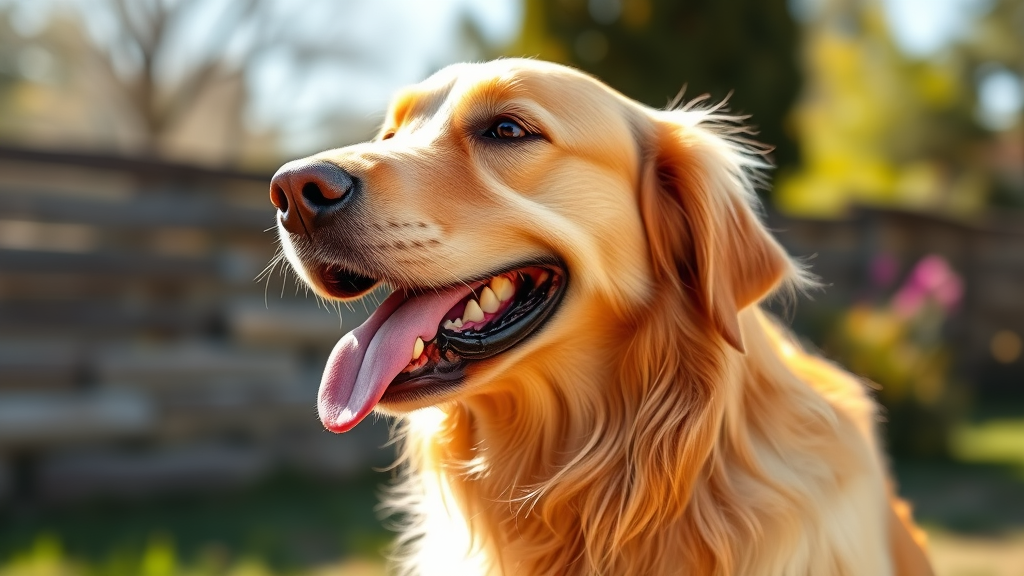
As a dog owner, you’ve likely noticed your furry companion panting on numerous occasions. While panting is a normal behavior for dogs, excessive or unusual panting can be concerning and may indicate underlying health issues or environmental factors that need attention. Understanding why your dog pants excessively is crucial for maintaining their health and wellbeing.
Unlike humans, dogs don’t sweat through their skin in the same way we do. Instead, they rely primarily on panting as their main method of temperature regulation. However, when panting becomes excessive, frequent, or occurs without obvious triggers like exercise or heat, it’s important to investigate the potential causes and determine whether veterinary intervention is necessary.
Understanding Normal Panting Behavior
Before diving into the concerning aspects of excessive panting, it’s essential to understand what constitutes normal panting behavior in dogs. Regular panting serves as the primary cooling mechanism for canines, as they have limited sweat glands located only in their paw pads and nose. This natural process helps dogs maintain their body temperature within a healthy range.
Normal panting typically occurs after physical activity, during warm weather, or when dogs are excited or happy. The breathing pattern should be rhythmic and not labored, with the tongue hanging out and mouth open. Most dogs will pant for a reasonable period after exercise and then gradually return to normal breathing patterns as they cool down.
Certain breeds are more prone to panting due to their physical characteristics. Brachycephalic breeds (those with flat faces) such as Bulldogs, Pugs, and Boston Terriers often pant more frequently due to their compressed airways, which make breathing less efficient. Similarly, dogs with thick coats or larger body sizes may pant more readily in response to temperature changes.
Temperature Regulation and Heat-Related Causes
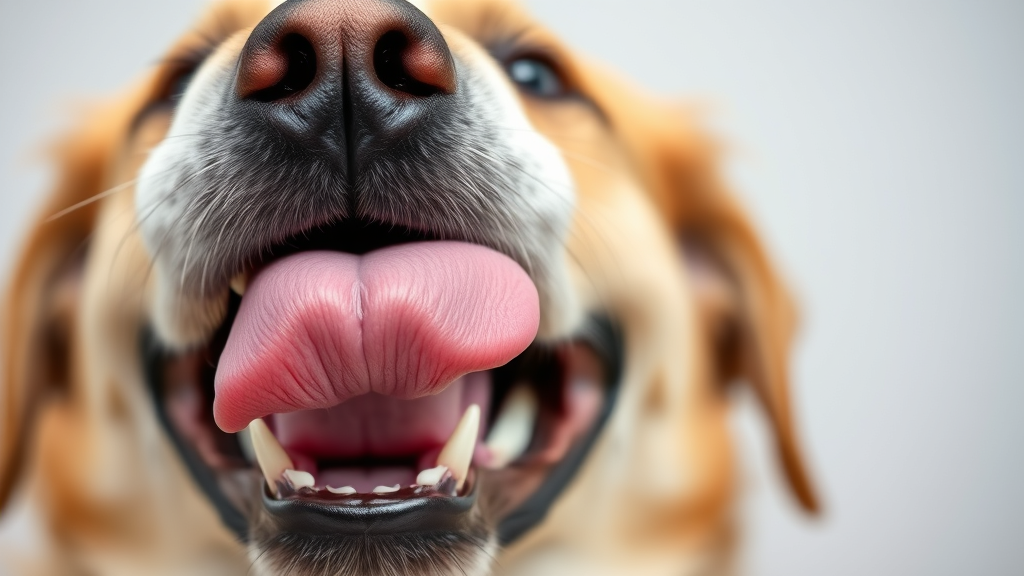
The most common reason for panting is temperature regulation. When dogs become overheated, they increase their panting rate to facilitate evaporative cooling through their respiratory system. This process is particularly important because, unlike humans, do dogs sweat only minimally through their skin.
Heat exhaustion and heatstroke are serious conditions that can develop when a dog’s cooling mechanisms become overwhelmed. Signs include excessive panting accompanied by drooling, weakness, vomiting, or collapse. These emergency situations require immediate veterinary attention and can be life-threatening if not addressed promptly.
Environmental factors contributing to overheating include high ambient temperatures, humidity, lack of shade or ventilation, and being left in confined spaces like cars. Even on moderately warm days, temperatures inside vehicles can rise to dangerous levels within minutes, making it crucial never to leave dogs unattended in cars.
Dogs with certain risk factors are more susceptible to heat-related panting issues. These include senior dogs, overweight animals, those with heart or respiratory conditions, and breeds with breathing difficulties. Recognizing these risk factors helps owners take preventive measures and monitor their pets more closely during warm weather.
Medical Conditions That Cause Excessive Panting
Various medical conditions can trigger excessive panting in dogs, making it important to consider health-related causes when normal triggers aren’t present. Heart disease is one of the most serious conditions associated with increased panting, as the heart struggles to pump blood efficiently, leading to poor oxygenation and compensatory breathing patterns.
Respiratory conditions such as pneumonia, asthma, or lung tumors can cause labored breathing and excessive panting. These conditions interfere with normal gas exchange in the lungs, prompting dogs to breathe more rapidly in an attempt to maintain adequate oxygen levels. Similarly, tracheal collapse, common in small breeds, can cause characteristic honking coughs and increased panting episodes.
Hormonal disorders frequently manifest with panting as a primary symptom. Cushing’s disease (hyperadrenocorticism) causes increased cortisol production, leading to excessive panting, increased thirst, and changes in appetite. Hyperthyroidism, though less common in dogs than cats, can also cause rapid breathing and panting due to increased metabolic rate.
Pain is another significant cause of panting that’s often overlooked. Dogs experiencing discomfort from arthritis, injuries, or internal conditions may pant as a physiological response to pain. This type of panting may be accompanied by other signs such as restlessness, reluctance to move, or changes in posture and behavior.
Anemia reduces the blood’s oxygen-carrying capacity, forcing dogs to breathe more rapidly to compensate for decreased oxygen delivery to tissues. This condition can result from various causes including blood loss, chronic disease, or bone marrow disorders, and requires proper veterinary diagnosis and treatment.
Stress, Anxiety, and Emotional Triggers
Psychological factors play a significant role in canine panting behavior. Stress and anxiety can trigger excessive panting even when physical causes aren’t present. Common stressors include thunderstorms, fireworks, separation anxiety, changes in routine, or unfamiliar environments. Understanding these emotional triggers is crucial for addressing the root cause of stress-related panting.
Dogs experiencing anxiety may exhibit additional behavioral signs alongside panting, such as pacing, trembling, hiding, or destructive behavior. Some dogs develop noise phobias that cause intense panting episodes during storms or other loud events. In severe cases, owners might consider whether can dogs have benadryl for anxiety relief, though veterinary consultation is always recommended.
Excitement can also cause temporary increases in panting, such as when owners return home, during feeding time, or before walks. While this type of panting is generally harmless, extremely excitable dogs may benefit from training techniques to help them remain calmer during stimulating situations.
Environmental and Situational Factors
Environmental conditions significantly impact a dog’s panting behavior beyond simple temperature considerations. Poor air quality, high altitude, or exposure to irritants can trigger respiratory responses that manifest as increased panting. Dogs are sensitive to various airborne substances, including cleaning products, perfumes, smoke, and pollen.
Changes in barometric pressure, such as those occurring before storms, can affect some dogs’ breathing patterns. These sensitive animals may begin panting before obvious weather changes become apparent to their owners, serving as early warning signs of approaching severe weather.
Indoor air quality factors include inadequate ventilation, high humidity levels, and exposure to household chemicals. Ensuring proper airflow and minimizing exposure to potential irritants can help reduce environmental triggers for excessive panting.
When to Be Concerned About Your Dog’s Panting
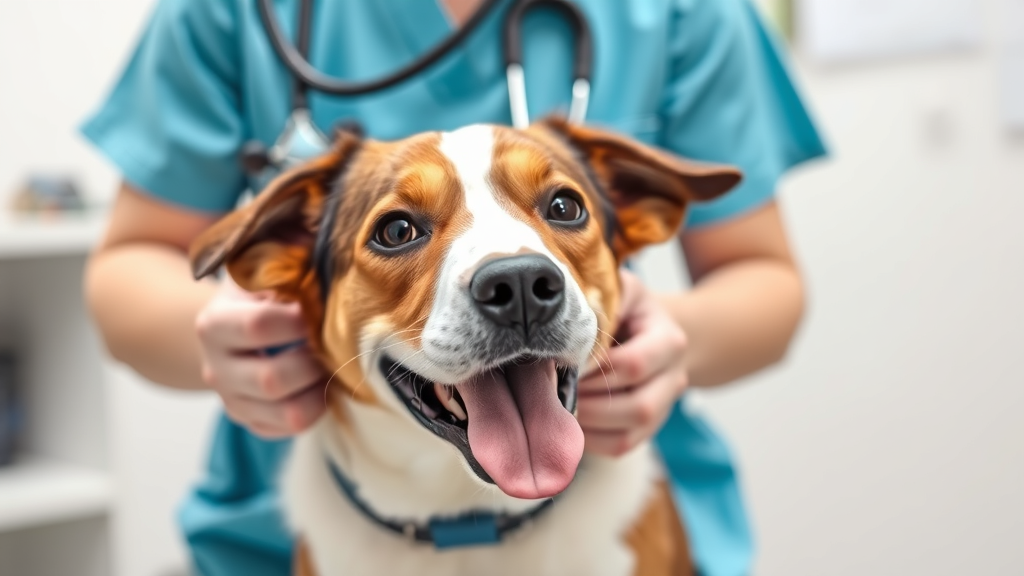
Recognizing when panting becomes a cause for concern requires understanding the difference between normal and abnormal breathing patterns. Excessive panting that occurs without obvious triggers, continues for extended periods, or is accompanied by other symptoms warrants veterinary evaluation.
Warning signs that indicate immediate veterinary attention include panting with pale or blue gums, excessive drooling, weakness or collapse, vomiting, or difficulty breathing. These symptoms may indicate serious conditions such as heatstroke, heart problems, or respiratory distress that require emergency treatment.
Chronic excessive panting that develops gradually over time may indicate underlying health conditions that need professional diagnosis. According to the American Veterinary Medical Association, any significant changes in breathing patterns should be evaluated by a veterinarian to rule out serious medical conditions.
Age-related changes in panting patterns should also be monitored closely. Senior dogs may develop heart conditions, arthritis, or other age-related health issues that manifest with increased panting. Regular veterinary checkups become increasingly important for older pets to catch developing conditions early.
Treatment and Management Strategies
Treatment approaches for excessive panting depend entirely on the underlying cause. For heat-related panting, immediate cooling measures include moving the dog to a cooler environment, providing fresh water, and using fans or air conditioning. Gradual cooling is important, as rapid temperature changes can be harmful.
Medical conditions require specific treatments tailored to the diagnosis. Heart medications, respiratory treatments, hormone therapy, or pain management protocols may be necessary depending on the underlying cause. The American Kennel Club emphasizes the importance of working with veterinarians to develop appropriate treatment plans.
For anxiety-related panting, behavioral modification techniques, environmental management, and sometimes anti-anxiety medications may be helpful. Creating calm environments, using pheromone diffusers, or implementing desensitization training can reduce stress-induced panting episodes.
In some cases, owners may wonder about over-the-counter options and ask how much benadryl can i give my dog for anxiety or allergic reactions that might contribute to breathing difficulties. However, any medication should only be administered under veterinary guidance to ensure safety and appropriate dosing.
Prevention and Long-term Care
Preventing excessive panting involves addressing controllable risk factors and maintaining overall health. Regular exercise helps maintain cardiovascular fitness and appropriate body weight, reducing the likelihood of breathing difficulties. However, exercise should be modified during hot weather and adjusted based on individual dogs’ capabilities and health status.
Environmental management includes providing adequate shade, ventilation, and fresh water access. During hot weather, limiting outdoor activities to cooler parts of the day and providing cooling mats or elevated beds can help prevent overheating. The Centers for Disease Control and Prevention provides guidelines for keeping pets safe during extreme weather conditions.
Regular veterinary checkups allow for early detection of conditions that might cause excessive panting. Routine health screenings can identify heart problems, respiratory issues, or hormonal imbalances before they become severe enough to cause obvious symptoms.
Weight management is crucial for preventing panting related to obesity and reducing strain on the cardiovascular and respiratory systems. Maintaining an appropriate body condition score through proper diet and exercise helps ensure dogs can regulate their temperature effectively.
Understanding your individual dog’s normal patterns helps identify when changes occur. Keeping records of panting episodes, including triggers, duration, and accompanying symptoms, can provide valuable information for veterinary consultations. Some dogs may exhibit behaviors like why is my dog shaking alongside panting, which can help veterinarians piece together diagnostic clues.
Frequently Asked Questions
How can I tell if my dog’s panting is normal or excessive?
Normal panting occurs after exercise, in warm weather, or during excitement and should subside within a reasonable time as your dog cools down or calms down. Excessive panting occurs without obvious triggers, continues for extended periods, happens at rest, or is accompanied by other symptoms like lethargy, loss of appetite, or changes in gum color. If panting seems out of proportion to the situation or persists when your dog should be comfortable, it warrants veterinary evaluation.
Can certain medications cause increased panting in dogs?
Yes, several medications can cause increased panting as a side effect. Prednisone and other corticosteroids commonly cause excessive panting, increased thirst, and changes in appetite. Some pain medications, stimulants, and thyroid medications can also affect breathing patterns. If you notice increased panting after starting a new medication, consult your veterinarian about potential side effects and alternative treatment options.
Do emotional states like stress really cause physical panting in dogs?
Absolutely. Dogs experience physiological responses to emotional stress similar to humans, including increased heart rate, elevated body temperature, and rapid breathing. Anxiety, fear, excitement, and stress can all trigger panting episodes. This is why some dogs pant during car rides, vet visits, or thunderstorms even when the temperature is comfortable. Understanding and addressing emotional triggers is an important part of managing excessive panting.
Are some dog breeds more prone to excessive panting than others?
Yes, brachycephalic breeds (flat-faced dogs) like Bulldogs, Pugs, Boston Terriers, and Pekingese are more prone to breathing difficulties and excessive panting due to their compressed airways and elongated soft palates. Large breeds and dogs with thick coats may also pant more readily in response to heat. Additionally, breeds predisposed to certain health conditions like heart disease may experience related panting issues more frequently.
When should I seek emergency veterinary care for panting?
Seek immediate emergency care if panting is accompanied by pale or blue gums, excessive drooling, weakness, collapse, vomiting, difficulty breathing, or if your dog appears distressed. Also seek emergency care if you suspect heatstroke, if panting occurs suddenly without any apparent cause, or if your normally calm dog begins panting excessively and won’t settle. Trust your instincts – if something seems seriously wrong, don’t wait to seek help.
Can I give my dog anything at home to help reduce excessive panting?
For heat-related panting, you can help by moving your dog to a cooler area, providing fresh water, and using fans or air conditioning for gradual cooling. However, avoid giving any medications without veterinary approval. While some owners ask about remedies, it’s important to identify and address the underlying cause rather than just treating the symptom. Home remedies should never replace professional veterinary evaluation for persistent or concerning panting.
How is excessive panting diagnosed and what tests might be needed?
Veterinarians diagnose excessive panting through physical examination, medical history, and various diagnostic tests depending on suspected causes. These may include blood work to check for anemia, infections, or hormonal imbalances; chest X-rays to evaluate heart and lung health; electrocardiograms to assess heart rhythm; and specific tests for conditions like Cushing’s disease. The diagnostic approach depends on your dog’s symptoms, age, breed, and the veterinarian’s clinical assessment.





