
Your dog’s bowl might seem like a small detail, but here’s the thing: it affects digestion, posture, water intake, and even behavior. I’ve seen dogs with chronic vomiting get better just by switching bowl height. I’ve watched anxious eaters calm down with the right material. And I’ve dealt with plenty of frustrated owners dealing with spilled water everywhere because they grabbed the wrong dog bowl.
The right dog bowls aren’t just about holding food. They’re about setting your dog up for success—literally and physically. Whether you’re dealing with a picky eater, a speed-eating vacuum, or a dog with joint issues, there’s a solution out there. Let’s break down what actually matters when choosing dog bowls, because not all bowls are created equal.
Material Matters: Stainless Steel vs. Ceramic vs. Plastic
This is where most people get it wrong. They grab whatever’s cheapest or cutest, and then wonder why their dog’s chin is stained or they’re replacing the bowl every six months.
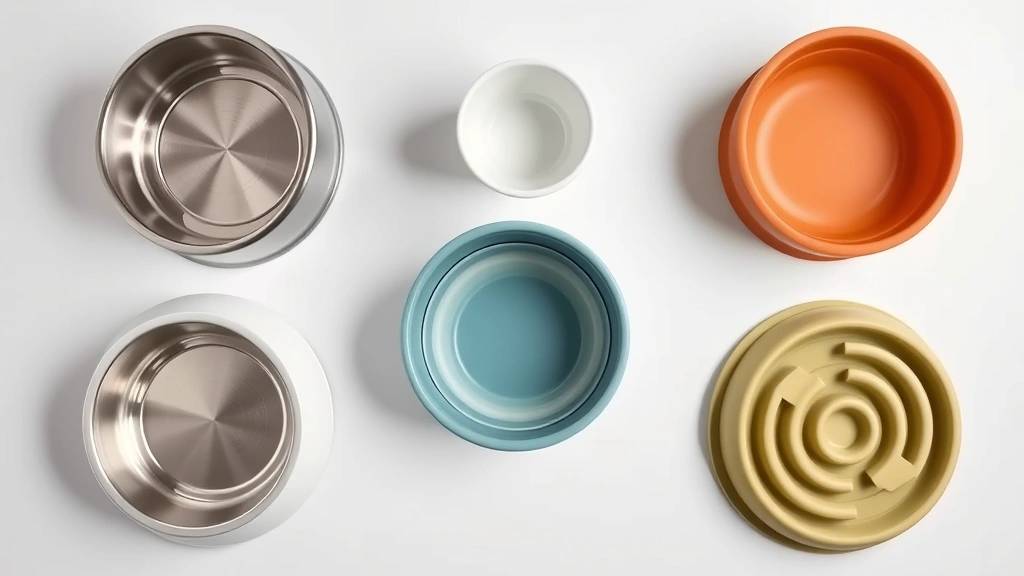
Stainless Steel: This is the gold standard for a reason. Stainless steel dog bowls are durable, non-porous, and don’t harbor bacteria. They don’t absorb odors or stains. They’re also dishwasher-safe and practically indestructible—I’ve seen the same bowl survive three dogs and a decade. The downside? They can be loud (some dogs hate the clang), and they’re usually more expensive upfront. But the investment pays off.
Ceramic: Ceramic dog bowls look nice and feel premium. They’re heavy, so they don’t slide around. The issue? They can chip or crack, and once they do, bacteria can hide in the cracks. Some cheaper ceramics also contain lead in the glaze, which is a real concern. If you go ceramic, buy from reputable manufacturers and inspect regularly for damage. Check out resources from the Association of American Feed Control Officials for guidance on safe feeding materials.
Plastic: Avoid plastic if you can. Plastic bowls scratch easily, harbor bacteria in those scratches, and can leach chemicals into food and water. They also absorb odors and stains. Some dogs develop contact dermatitis (chin acne) from plastic bowls. If budget is tight, stainless steel is still cheaper long-term than constantly replacing plastic.
Silicone: Collapsible silicone bowls are great for travel, but not ideal for daily use at home. They’re harder to clean thoroughly and can retain odors. Use them as backup, not primary.
Real talk: invest in stainless steel for your main feeding bowls. Your dog’s health and your sanity are worth it.
Size and Depth: Getting the Right Fit
Bowl size should match your dog’s size and eating style. A tiny Chihuahua doesn’t need a Great Dane’s bowl, and vice versa. But it’s not just about fitting the food—it’s about mouth access and comfort.
Small breeds (under 20 lbs): Use bowls 4–6 inches in diameter. Shallow bowls work fine since small dogs have shorter muzzles.
Medium breeds (20–60 lbs): Go for 7–8 inch bowls. These should be medium depth—deep enough to hold a full meal without spilling, but not so deep that the dog’s face is buried.
Large and giant breeds (60+ lbs): Use 9–12 inch bowls, ideally elevated (more on that below). Depth matters here because it prevents food from scattering across the floor.
Here’s something most people miss: the bowl’s depth affects how a dog eats. If the bowl is too shallow, the dog’s whiskers drag through food (uncomfortable and stressful). Too deep, and they can’t reach the bottom without straining their neck. The sweet spot is a bowl where your dog can eat comfortably with their head in a neutral position.
Pro tip: watch your dog eat for a minute. If they’re tilting their head awkwardly, stretching their neck, or leaving food at the bottom, the bowl size or depth is off.
Elevated Dog Bowls: When and Why They Help
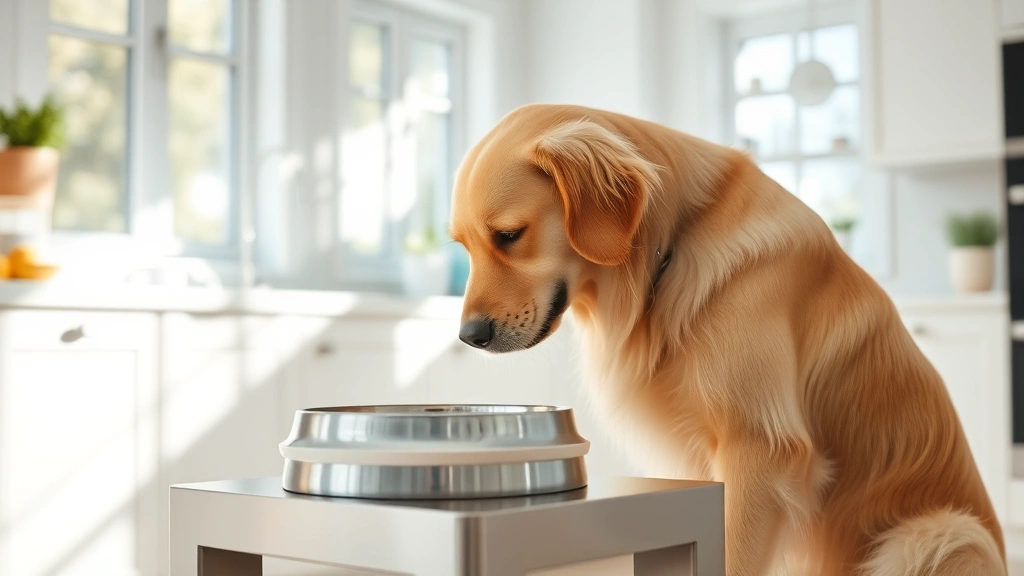
Elevated dog bowls aren’t just a fancy accessory—they’re actually beneficial for many dogs, especially larger breeds and seniors. Raised bowls reduce strain on the neck, shoulders, and spine. They also slow down eating slightly (gravity works against the gulper), which can help with digestion.
According to the American Kennel Club, elevated feeders are particularly helpful for dogs with arthritis, hip dysplasia, or megaesophagus. If your dog is older or has joint issues, elevated bowls can make mealtime more comfortable.
The height rule: The bowl should sit at about elbow height when your dog is standing in a natural position. For large dogs, this is usually 4–12 inches off the ground. For small dogs, even 2–4 inches helps.
Important caveat: There’s been some debate about whether elevated bowls increase the risk of bloat (gastric dilatation-volvulus) in large, deep-chested breeds. The research isn’t conclusive, but if your dog is a breed prone to bloat (like Great Danes, German Shepherds, or Weimaraners), talk to your vet before switching to elevated bowls. It might still be the right choice for your individual dog, but it’s worth a conversation.
Elevated bowls also keep water and food contained better, which is huge if you have a messy eater or a dog with mobility issues. Less cleanup, less water tracked through the house.
Slow Feeder Bowls: For the Gulpers
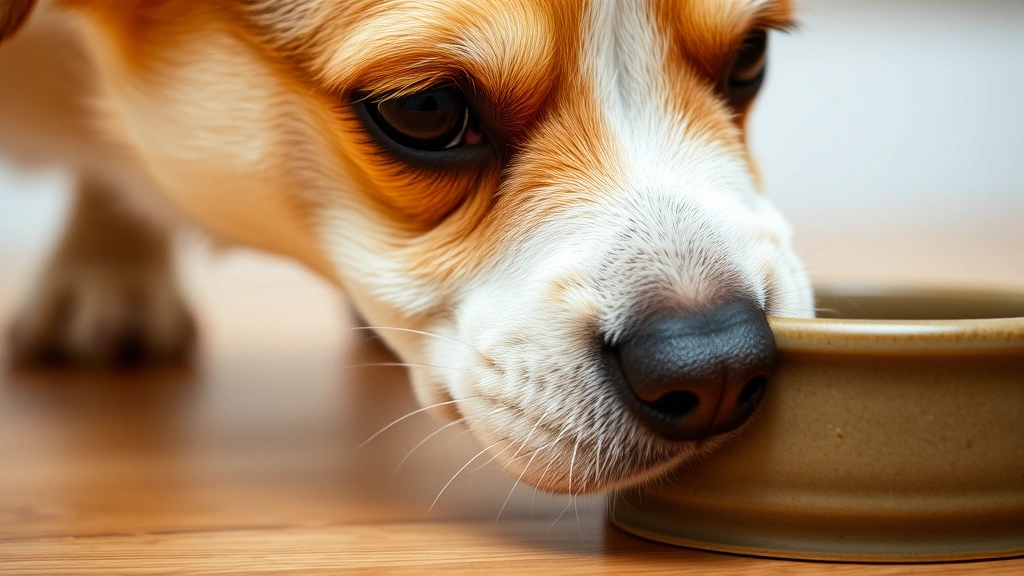
Some dogs eat like they’re in a race. They inhale their food in seconds, which can lead to bloating, vomiting, or digestive upset. If you’ve got a speed eater, a slow feeder bowl is a game-changer.
Slow feeder dog bowls have ridges, mazes, or obstacles built into the bottom. They force your dog to work around the pattern to access food, naturally slowing their eating pace. It’s not complicated, but it works.
Types of slow feeders:
- Maze bowls: Ridges and patterns create obstacles. Good for moderate speeders.
- Lick mats: You spread wet food or treats on the mat, and the dog licks it off. Great for mental stimulation too.
- Puzzle feeders: More interactive; the dog has to move pieces or solve a puzzle to access food. Overkill for just slowing eating, but excellent for enrichment.
- Raised slow feeders: Combines elevation with slow-feeding design. Best of both worlds.
Real talk: slow feeders aren’t just about preventing vomiting. They also provide mental stimulation, which can reduce anxiety and destructive behavior. A dog that has to work for their meal is a more satisfied dog.
When introducing a slow feeder, your dog might be frustrated at first. Stick with it for a few meals—they’ll figure it out. If they’re really struggling, you can start with a less complex design and work up.
Special Needs: Bowls for Senior Dogs and Health Issues
As dogs age or develop health issues, their feeding needs change. The right bowl can make a real difference in comfort and nutrition.
Senior dogs: Older dogs often have arthritis or reduced mobility. Elevated bowls reduce strain. Non-slip bowls prevent the bowl from sliding away as they eat (frustrating for arthritic dogs). Wider, shallower bowls are easier on the neck and back.
Dogs with megaesophagus: This condition makes swallowing difficult. Elevated bowls (sometimes at chest height) help food move down the esophagus more easily. Your vet might recommend feeding in an upright position for several minutes after meals.
Dogs with dental disease or missing teeth: Soften kibble with warm water or switch to wet food. Use a wider, shallower bowl so they don’t have to work as hard to access food. Check out our guide on what you can give a dog for upset stomach for food consistency ideas.
Dogs with sensitive stomachs: The bowl material matters here. Stainless steel is safest. Slow feeders help prevent gulping, which reduces digestive upset. Consider feeding smaller, more frequent meals in a slow feeder bowl rather than one large meal.
Dogs with food allergies: Use stainless steel bowls exclusively (no plastic residue or bacterial growth). Wash thoroughly after each meal. If your dog has severe allergies, consider dedicated bowls that aren’t used for anything else.
If your dog has been diagnosed with a health condition affecting eating, ask your vet about bowl recommendations. They might suggest specific heights, materials, or feeding styles.
Cleaning and Maintenance: Keeping Bowls Hygienic
This is where a lot of people slack off, and it matters more than you’d think. Dirty bowls harbor bacteria, which can cause digestive upset, skin issues, and infections.
Daily cleaning: Wash bowls with hot, soapy water after every meal. Don’t just rinse—actually wash them. Dry completely before refilling. Wet bowls left sitting are bacteria breeding grounds.
Weekly deep clean: Run bowls through the dishwasher (if they’re dishwasher-safe) or soak them in a diluted bleach solution (1 part bleach to 10 parts water) for 10 minutes, then rinse thoroughly. This kills stubborn bacteria.
Inspect regularly: Check ceramic bowls for chips or cracks. Inspect plastic for scratches (time to replace). Look at stainless steel for dents or damage (rare, but it happens).
Replace when needed: Stainless steel can last years. Ceramic should be replaced if damaged. Plastic should be replaced every 6–12 months as scratches accumulate. Silicone collapsibles last 1–2 years with regular use.
Pro tip: if your dog has a history of digestive issues, consider having two sets of bowls so you can rotate and deep-clean daily. It sounds excessive, but it genuinely helps.
Travel and Outdoor Dog Bowls: On-the-Go Solutions
Not every situation calls for your fancy stainless steel bowls at home. Travel, hiking, camping, and outdoor activities need different solutions.
Collapsible silicone bowls: Lightweight, compact, and packable. They’re perfect for road trips, camping, or hikes. Just rinse and dry before storing. Not ideal for daily use, but excellent for travel.
Portable stainless steel bowls: Some brands make lightweight stainless steel bowls designed for travel. More durable than silicone, but heavier. Good if you’re driving and have space.
Water bowls for outdoor activities: Keep a dedicated water bowl for outdoor use. Refill frequently—dogs dehydrate quickly, especially in warm weather. If you’re hiking, bring more water than you think you need. Your dog can’t tell you they’re thirsty until it’s too late.
For information on hydration during outdoor activities, check out AKC expert advice on exercise and water intake.
Car bowls: Non-slip, spill-resistant bowls designed to stay put while driving. These are lifesavers if your dog travels frequently. Some attach to car seats or the floor.
Real talk: don’t skip hydration on trips. I’ve seen dogs get UTIs and kidney issues from not drinking enough water during travel. Make water breaks a priority.
Frequently Asked Questions
How often should I replace my dog’s bowl?
– Stainless steel bowls can last for years—replace only if damaged. Ceramic should be replaced immediately if chipped or cracked. Plastic should be replaced every 6–12 months as scratches accumulate and harbor bacteria. Silicone collapsibles last 1–2 years with regular use. Regardless of material, replace any bowl that shows signs of wear, discoloration, or damage.
Are elevated dog bowls bad for bloat?
– The research is mixed. Some studies suggest elevated bowls might increase bloat risk in large, deep-chested breeds, while others show no significant correlation. If your dog is a breed prone to bloat (Great Danes, German Shepherds, Weimaraners), discuss elevated bowls with your vet. They can recommend the best option for your individual dog based on their health history.
Can I use the same bowl for food and water?
– Technically yes, but ideally no. Separate bowls are better because you can monitor water intake independently, keep water fresh throughout the day, and prevent food residue from contaminating water. If you must use one bowl, wash it thoroughly between meals and refill water frequently.
What’s the best bowl for a dog with a sensitive stomach?
– Stainless steel is safest. Pair it with a slow feeder design to prevent gulping. Feed smaller, more frequent meals. Wash the bowl thoroughly after each meal. If your dog has specific dietary needs, ask your vet about bowl recommendations. You might also find our article on when to switch to adult dog food helpful for understanding nutrition transitions.
Do dog bowls need to match?
– No, but having matching or color-coded bowls makes it easier to keep track of what’s what (especially in multi-dog households). More importantly, use the right bowl for the right purpose—elevated for large dogs, slow feeder for gulpers, stainless steel for daily use. Function over form.
Can I use human dishes for my dog?
– You can, but it’s not ideal. Human dishes are often glazed ceramic or porcelain, which can contain lead or other harmful substances. They’re also usually too deep or shallow for ergonomic eating. Dog-specific bowls are designed with their feeding mechanics in mind. If you’re on a budget, stainless steel dog bowls are affordable and last forever.
How do I stop my dog from sliding their bowl around?
– Use a non-slip mat under the bowl, or choose a heavier bowl (stainless steel or ceramic). Elevated bowls with non-slip feet also help. Some people use rubber shelf liner under the bowl for extra grip. The goal is to eliminate the distraction so your dog can focus on eating.
Is it okay to leave food in the bowl all day?
– Not ideal. Leaving food out allows bacteria to grow and attracts pests. For most dogs, remove uneaten food after 15–20 minutes. If your dog eats on a schedule, they’ll adjust quickly. The exception is if your vet recommends free-feeding for a specific reason (rare). Check out our guide on is canned tuna good for dogs for information on food freshness and safety.
What bowl is best for a picky eater?
– Picky eaters often respond well to elevated bowls (less strain, more comfortable) and shallow bowls (easier access). Try a stainless steel elevated bowl with a non-slip base. If your dog is picky because of anxiety, a slower, more private feeding space (like a corner or separate room) can help more than the bowl itself. Sometimes the environment matters more than the equipment.





