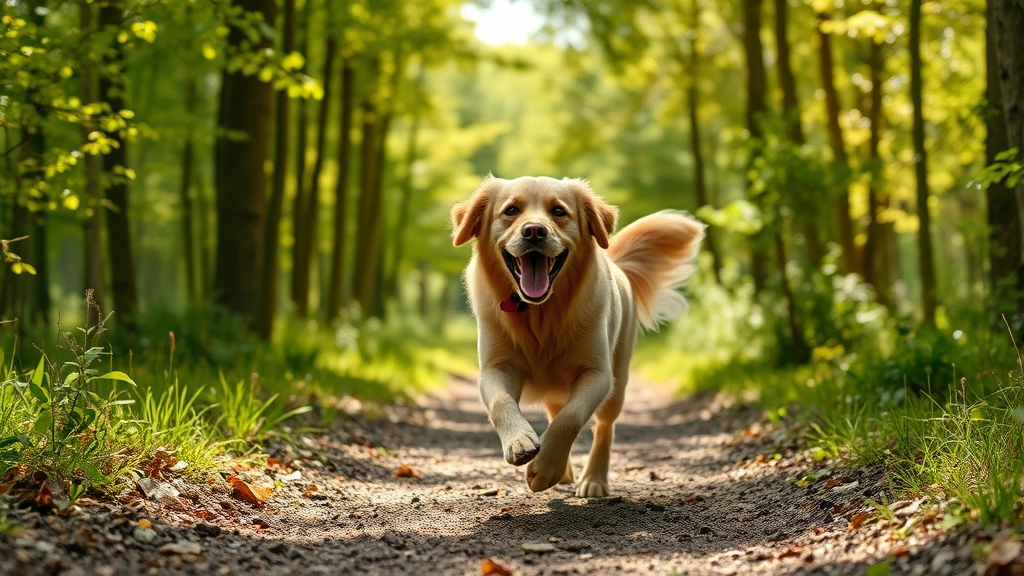
Your dog stares at the leash. You stare back. The question isn’t really “should we go for a dog run?” — it’s “where the heck do we go?” Whether your pup is a trail-blazing adventurer or a casual neighborhood explorer, finding the right dog run spots can transform exercise time from a chore into something you both actually look forward to. A good dog run isn’t just about burning energy; it’s about mental stimulation, socialization, and building memories together. The best part? There are amazing trails and destinations waiting for you and your furry friend right now.
What Makes a Great Dog Run Destination
Not all dog runs are created equal. A truly great dog run destination checks several boxes: it’s safe, accessible, interesting, and appropriate for your specific dog’s fitness level and temperament. Think of it like choosing a restaurant — you wouldn’t take a vegetarian to a steakhouse, and you wouldn’t take a senior dog with joint issues on a rocky mountain trail.
The best dog run spots have:
- Clear, well-maintained paths — no hidden hazards or sudden drops
- Water access — streams, fountains, or dog-friendly water stations so your pup stays hydrated
- Shade options — trees or covered areas to cool off
- Minimal traffic — whether that’s cars or aggressive off-leash dogs
- Natural terrain variation — grass, dirt, sand, or gentle inclines keep things interesting and engage different muscle groups
- Clear signage — so you know where you’re going and can estimate distance
According to the American Kennel Club, varied terrain during dog runs actually improves coordination and builds confidence. Your dog’s brain is working just as hard as their legs when navigating different surfaces.
The social aspect matters too. Some dogs thrive in off-leash dog parks where they can interact with other dogs, while others do better on quieter trails where they can focus on you and the environment. Know your dog’s personality before choosing your dog run location.
Types of Dog Run Trails to Explore
Dog runs come in different flavors, and the best choice depends on your dog’s energy level, age, and temperament. Let’s break down the main types:
Urban Dog Run Parks
These are the fenced-in areas in cities and suburbs where dogs can run off-leash in a controlled environment. They’re perfect for dogs who need socialization and high-energy play. The downside? They can get crowded, and not every dog park is well-maintained. Always scope out your local park during quieter hours first to see if it’s a good fit. Look for separate areas for small and large dogs — a 100-pound Lab accidentally bowling over a Chihuahua is nobody’s idea of fun.
Hiking Trails
These are the real adventures. Hiking trails offer mental stimulation, varied terrain, and genuine exploration. The challenge is that not all hiking trails allow dogs, and some require leashes while others permit off-leash running in certain areas. Hiking Project and AllTrails both have dog-friendly filters so you can find trails in your area that welcome pups. Start with shorter, easier trails to gauge your dog’s endurance before tackling anything ambitious.
Beach and Coastal Runs
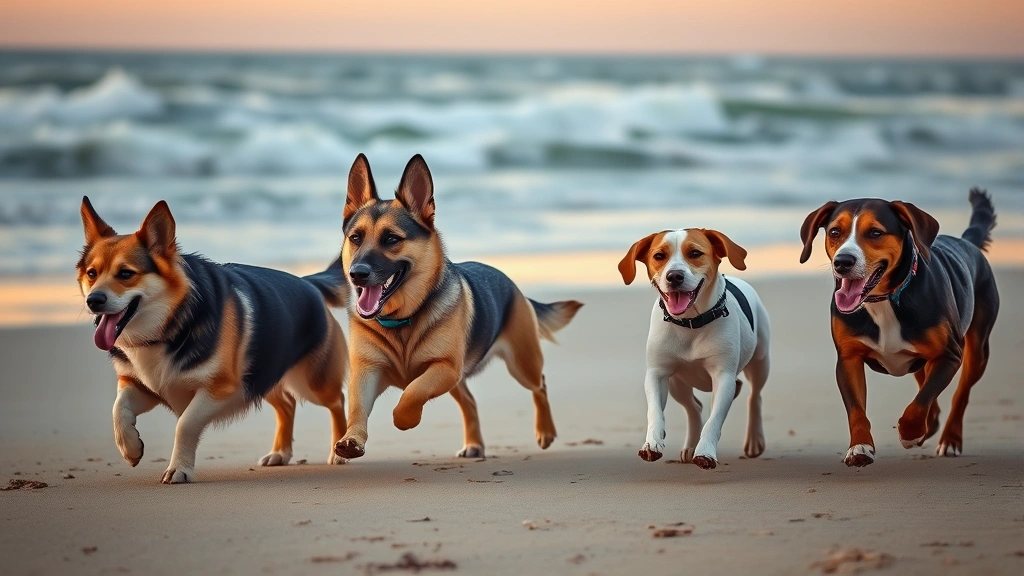
Sand running is fantastic for dogs because it’s low-impact but demands more effort than regular ground — think of it as a natural resistance workout. Many beaches have designated dog-friendly hours or zones. The ocean itself can be tempting, but saltwater can upset your dog’s stomach, so rinse them off afterward and discourage drinking from the ocean.
Forest and Woodland Runs
These trails offer shade, natural obstacles, and tons of sniffing opportunities. They’re excellent for preventing boredom because there’s always something new to investigate. Watch out for hazards like sharp branches, uneven ground, and wildlife. Keep your dog close in areas where you might encounter deer, rabbits, or other animals that could trigger chase instincts.
Neighborhood and Park Runs
Sometimes the best dog run is right around the corner. Neighborhood streets and local parks are convenient and usually familiar territory. These are ideal for daily exercise and are perfect for dogs who are still learning leash manners or older dogs who need gentler activity.
Preparation Tips Before Your Dog Run Adventure
Showing up unprepared to a dog run is like heading to the beach without sunscreen — you’ll regret it. Here’s what you need to do before you go:
Health Check
Before starting any new dog run routine, talk to your vet. This is especially important if your dog is a senior, has joint issues, or is overweight. Your vet can recommend appropriate intensity and distance based on your dog’s age and health status. A quick conversation can prevent injuries down the road.
Conditioning Matters
Your dog isn’t a professional athlete (yet). If they’ve been mostly couch potatoes, gradually increase dog run distance and intensity. Start with 10-15 minute runs and build up over 2-3 weeks. Sudden intense activity can lead to muscle soreness, paw pad injuries, or worse.
Essential Gear
Pack like you’re prepared for anything:
- Fresh water and a collapsible bowl — dehydration sneaks up fast
- Treats or kibble — positive reinforcement and energy refueling
- Waste bags — because you’re a responsible dog owner
- A well-fitting harness or collar — not a retractable leash that can tangle
- ID tags and microchip info — just in case
- Basic first aid kit — bandages for paw cuts, tweezers for thorns
- Paw wax or booties — protects paws from hot pavement or ice
Know Your Dog’s Limits
Some dogs will run until they drop. Literally. They don’t have an off switch, which means you need to be the responsible adult who says “okay, we’re done.” Watch for excessive panting, limping, or lagging behavior — these are signs your dog has had enough. Dogs can also get dizzy or overheated if they push too hard, especially in warm weather.
Check the Weather
Heat is a serious concern during dog runs. Dogs don’t sweat like humans — they cool through panting and paw pads. Temperatures above 75°F make dog runs risky. In cold weather, watch for signs that your dog is cold, especially if they have thin coats. Some dogs need jackets; others are built for arctic conditions.
Seasonal Considerations for Dog Runs
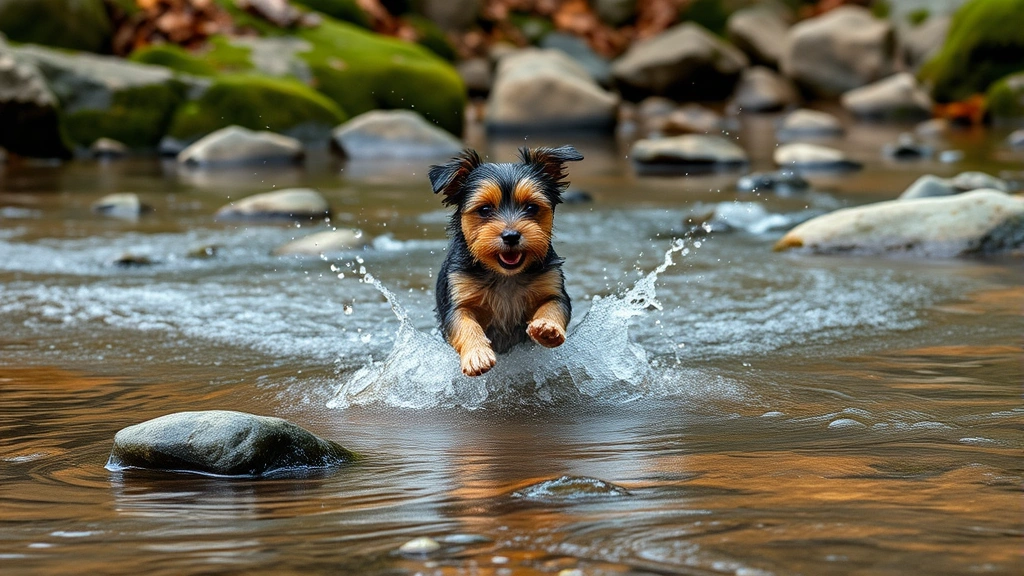
Each season brings different challenges and opportunities for dog run adventures.
Spring Dog Runs
Spring is often the best season for dog runs — moderate temperatures, longer daylight hours, and trails coming back to life. Watch out for muddy patches that can hide hazards, and be aware that spring brings ticks and other parasites. A tick check after every dog run is smart practice. Your vet can recommend appropriate parasite prevention for the season.
Summer Dog Runs
Summer dog runs require early mornings or late evenings to avoid heat. Pavement gets scorching — if you can’t hold your hand on it for 5 seconds, it’s too hot for your dog’s paws. Stick to shaded trails, bring extra water, and consider taking a break entirely during peak heat hours. Heat exhaustion in dogs is no joke.
Fall Dog Runs
Fall offers perfect dog run conditions: cooler temps, beautiful scenery, and energized pups. Be cautious of wet leaves hiding holes or rocks. Also watch for toxic mushrooms and moldy leaves that can upset your dog’s stomach if eaten.
Winter Dog Runs
Winter dog runs can be amazing for cold-weather dogs, but salt on sidewalks irritates paws. Rinse paws after every run, and consider booties for sensitive feet. Watch for signs of hypothermia in small or thin-coated dogs. If your dog is shivering or reluctant to move, it’s time to head home.
Safety Essentials During Dog Run Adventures
A great dog run is a safe dog run. Here’s what you absolutely need to prioritize:
Pro Tip: Keep your dog’s ID tags current and consider a GPS tracker collar. Even the most well-trained dog can bolt after a squirrel or get startled by something unexpected.
Leash Laws and Off-Leash Areas
Know the rules before you go. Some areas require leashes at all times, while others have designated off-leash zones. Ignoring leash laws can result in fines and, more importantly, puts your dog at risk. Even if your dog has perfect recall, you never know when you’ll encounter an aggressive dog or a dangerous situation.
Hazard Awareness
Stay alert during dog runs. Watch for:
- Other dogs that might be aggressive or off-leash without permission
- Traffic or cyclists on shared paths
- Toxic plants (like lilies, sago palms, or mushrooms)
- Bodies of water with strong currents or algae blooms
- Wildlife that might attack or be attacked by your dog
- Broken glass, sharp rocks, or debris on the trail
Recall Training is Non-Negotiable
If you’re planning off-leash dog runs, your dog needs solid recall training. This isn’t optional. Practice in low-distraction environments first, then gradually increase difficulty. Your dog’s life might depend on coming back when called.
Socialization Smarts
If your dog run involves other dogs, watch body language carefully. Play-bowing and loose, bouncy movements are good signs. Stiff posture, raised hackles, or intense staring can indicate tension. If another dog seems aggressive or your dog seems uncomfortable, it’s perfectly fine to move to a different area or leave entirely.
Post-Run Check
After every dog run, do a quick inspection. Check paws for cuts or embedded debris, look for ticks or injuries, and feel for any unusual lumps or heat in joints. This is also a good time to rinse muddy paws and check ears for debris or moisture that could lead to infections.
Best Dog Run Destinations by Region
While I can’t know exactly where you live, here are some popular dog-friendly dog run regions and what makes them special:
Pacific Northwest
The Pacific Northwest is a dog run paradise. Trails in Washington and Oregon offer lush forests, mountain views, and moderate temperatures. Many trails allow dogs year-round. The trade-off? Mud and rain are constant companions. Waterproof gear is essential.
Rocky Mountain Region
Colorado, Utah, and Montana offer dramatic mountain dog runs with incredible scenery. Elevation can be a challenge for dogs not acclimated to altitude, so take it easy on your first few runs. Watch for wildlife, especially in remote areas.
California Coast
Beach dog runs are iconic in California. Many beaches have dog-friendly hours and designated areas. The Pacific Coast Highway offers stunning coastal trails perfect for dog runs. Just watch that saltwater intake and be prepared for crowds during peak season.
Southeast
Southern dog runs are often humid and warm, so early morning and evening are best. Many trails wind through beautiful forests and near water. Watch for alligators in Florida and snakes in warmer months.
Northeast
New England offers gorgeous fall dog runs and challenging winter trails. Many state parks welcome dogs on leash. Spring and fall are ideal seasons; summer can be humid and buggy.
No matter your region, use resources like BringFido to find dog-friendly trails, parks, and destinations near you. User reviews are incredibly helpful for understanding what to expect.
Social Benefits of Regular Dog Runs
Beyond the physical exercise, regular dog runs offer genuine social and mental health benefits for your dog.
Mental Stimulation
Dog runs aren’t just about running. They’re about exploring, sniffing, investigating, and problem-solving. This mental engagement is just as tiring as physical exercise — sometimes more so. A mentally stimulated dog is a better-behaved dog. Dogs definitely get bored, and regular dog run adventures are one of the best ways to prevent that.
Confidence Building
Navigating different trails, surfaces, and environments builds your dog’s confidence. They learn to trust you as a guide and develop resilience. This translates to better behavior in other situations too.
Socialization Opportunities
Dog runs in parks or popular trails expose your dog to other dogs, people, and varied environments. Proper socialization reduces anxiety and aggression. Even if your dog isn’t interested in playing with other dogs, exposure helps them become more comfortable in social situations.
Bonding Time
There’s something special about exploring together. Your dog learns to read your cues, you learn to read theirs, and you build a partnership. This shared adventure strengthens your relationship in ways that sitting at home never can.
Behavior Improvement
A tired dog is a good dog. Regular dog runs reduce destructive behavior, excessive barking, and anxiety. If your dog has been driving you crazy with energy, a solid dog run routine might be the solution. Plus, the routine itself is calming for dogs — they know what to expect and when.
Frequently Asked Questions
How far should my dog run on their first dog run adventure?
– Start with 10-15 minutes of easy running, especially if your dog isn’t used to regular exercise. Build up gradually over 2-3 weeks. Your dog’s fitness level matters more than their age — a 2-year-old couch potato needs more conditioning than a 7-year-old who walks daily.
Are there dog runs that aren’t suitable for certain dog breeds?
– Absolutely. Brachycephalic breeds (bulldogs, pugs, Boston terriers) struggle in heat and shouldn’t do intense dog runs. Giant breeds are prone to joint issues, so high-impact running on hard surfaces isn’t ideal. Senior dogs and those with health conditions need modified dog runs. Always talk to your vet about what’s appropriate for your specific dog.
What should I do if my dog gets injured during a dog run?
– Minor cuts or scrapes can be cleaned and monitored at home. Limping, difficulty moving, or signs of pain warrant a vet visit. Don’t assume your dog will “walk it off” — some injuries get worse with continued activity. When in doubt, call your vet.
Can puppies go on dog runs?
– Puppies have developing joints and shouldn’t do intense dog runs until they’re fully grown (varies by breed, but generally 12-18 months). Gentle leash walks and short, playful sessions are better. High-impact running too early can cause permanent joint damage.
How do I know if my dog has had enough during a dog run?
– Watch for excessive panting, lagging behind, reluctance to continue, or limping. Some dogs will push until they collapse, so you need to be the responsible one who calls it. A good rule: if your dog seems hesitant or tired, stop the dog run.
Are dog runs safe in urban areas?
– Urban dog runs can work, but they require more vigilance. Stick to quieter times, watch for traffic, and keep your dog close on busy streets. Urban parks and designated dog run areas are safer than random neighborhood streets.
What’s the best time of day for dog runs?
– Early morning and evening are ideal, especially in warm weather. You’ll avoid peak heat, crowded trails, and aggressive sun exposure. Plus, these times often have fewer people and dogs around, which is great for dogs who need a calmer environment.