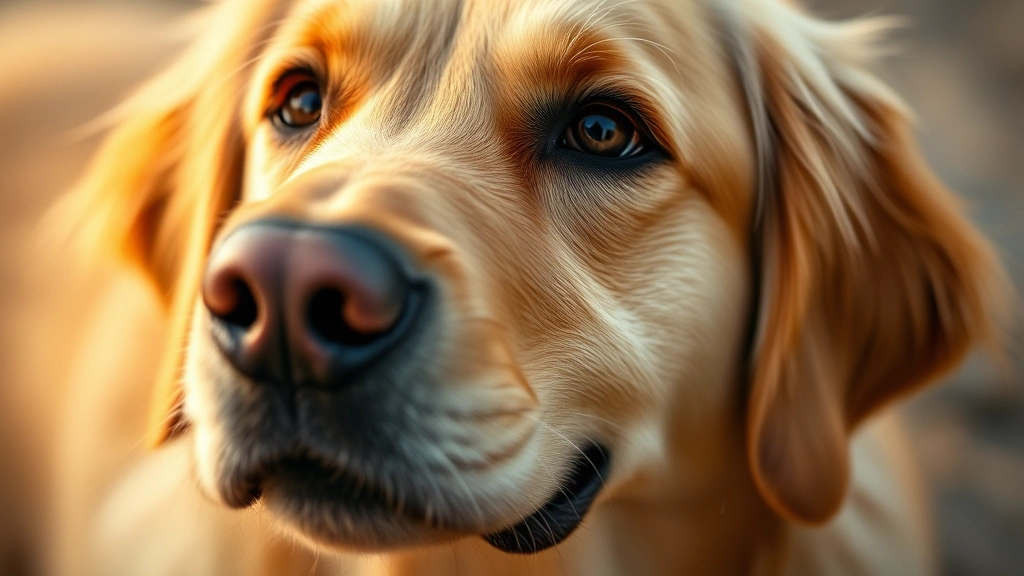
Your dog’s eyes are watery, red, and they keep pawing at their face. You’re worried. Is it serious? Can you treat it at home? Here’s the real talk: a dog eye infection is one of the most common issues vets see, and while it’s usually not an emergency, ignoring it can lead to real problems. The good news? Most dog eye infections respond well to treatment when caught early, and you can absolutely help your pup feel better faster with the right approach.
I’ve seen hundreds of dogs come through the clinic with inflamed, discharge-crusted eyes. Some owners catch it in day one. Others wait two weeks and end up with a much longer recovery. The difference? Knowing what to look for and when to call the vet. This guide walks you through everything you need to know about dog eye infections—from spotting the signs to managing treatment without losing your mind.
What Is a Dog Eye Infection?
A dog eye infection happens when bacteria, viruses, or fungi invade the tissues around your dog’s eye. The most common type is conjunctivitis (also called pink eye), which inflames the conjunctiva—that thin membrane covering the white part of the eye and the inside of the eyelids.
Think of it like this: your dog’s eye is a delicate ecosystem. When something disrupts the balance—whether it’s a scratch, debris, or a pathogen—the immune system kicks into overdrive. Blood vessels dilate, fluid accumulates, and suddenly your dog’s eye looks angry and feels uncomfortable.
The tricky part? A dog eye infection can start small and escalate fast. What looks like mild irritation on Monday can become a serious problem by Wednesday if you’re not paying attention. That’s why early recognition matters so much.
Pro Tip: Not all red, watery eyes mean infection. Allergies, dry eye, and even just getting dust in the eye can cause similar symptoms. Your vet needs to rule out other causes before jumping to antibiotics.
Signs Your Dog Has an Eye Infection
Your dog can’t tell you their eye hurts, so you need to be their detective. Here’s what to watch for:
- Discharge: Yellow, green, or clear gunk. Bacterial infections usually produce thick, colored discharge. Viral infections tend toward clear or watery discharge.
- Redness: The whites of the eye or the inner eyelids look pink or red.
- Swelling: Puffy eyelids or a slightly swollen eye.
- Squinting: Your dog keeps one or both eyes partially closed. This is a pain signal.
- Pawing or rubbing: Constant scratching at the face or rubbing against furniture. This is maddening for them and can make things worse.
- Sensitivity to light: Your dog avoids bright areas or keeps their eyes closed indoors.
- Cloudiness: The eye looks hazy or has a film over it.
- Behavioral changes: Lethargy, decreased appetite, or seeming generally unwell (especially if it’s a systemic infection).
The severity varies. Some dogs have mild irritation for days before you notice. Others wake up with one eye nearly swollen shut. Both scenarios warrant a vet visit, but the second one is more urgent.
Common Causes of Dog Eye Infections
Understanding what caused the infection helps prevent it from happening again. Here are the usual suspects:
Bacterial Infections
These are the most common dog eye infections. Bacteria like Staphylococcus and Streptococcus can invade after a scratch, a foreign object, or even just from poor hygiene. Dogs with flat faces (Bulldogs, Pugs) are extra prone because their eye anatomy traps bacteria more easily.
Viral Infections
Canine herpesvirus and canine distemper can cause eye infections as part of a broader illness. If your dog has a dog cold or upper respiratory infection, eye involvement isn’t uncommon. These viral infections often produce watery discharge rather than thick, colored pus.
Allergies and Irritants
Pollen, dust, smoke, and even shampoo can irritate the eye and create an environment where secondary bacterial infections take hold. Some dogs are just sensitive.
Parasites
Mites and other parasites can cause eye inflammation. If your dog also has fleas or other parasites, the eye infection might be part of a bigger picture.
Foreign Objects
A grass seed, dust, or eyelash rubbing the wrong way can scratch the cornea and lead to infection. Outdoor dogs are at higher risk.
Dry Eye (Keratoconjunctivitis Sicca)
When tear production drops, the eye becomes vulnerable. This can be primary (the tear glands aren’t working) or secondary (from an underlying condition). Dry eye often leads to secondary bacterial dog eye infections.
Eyelid Issues
Entropion (eyelid rolling inward) or ectropion (eyelid rolling outward) can cause chronic irritation and infection, especially in certain breeds.
The point: dog eye infections rarely happen in a vacuum. There’s usually an underlying cause your vet needs to identify.
How Vets Diagnose Eye Infections
Your vet won’t just look at the eye and guess. Here’s what a proper exam includes:
- Visual inspection: They’ll look at the eye under magnification (slit lamp or otoscope) to assess redness, discharge, and any obvious damage.
- Fluorescein stain test: A special dye highlights corneal scratches or ulcers that aren’t visible to the naked eye. This is critical because a scratched cornea needs different treatment than simple conjunctivitis.
- Tear production test (Schirmer test): Measures how many tears your dog’s eyes are producing. Low tear production changes the treatment plan.
- Culture or sensitivity: For stubborn or recurrent infections, your vet may swab the discharge and send it to a lab to identify the exact bacteria and which antibiotics work best. This takes a few days but prevents you from wasting time on ineffective meds.
- Pressure measurement (tonometry): If glaucoma is suspected, your vet checks eye pressure.
Don’t skip the vet visit thinking you can treat a dog eye infection at home without diagnosis. Over-the-counter drops might feel like they’re helping, but they could mask a serious problem like a corneal ulcer that needs prescription medication.
Treatment Options That Actually Work
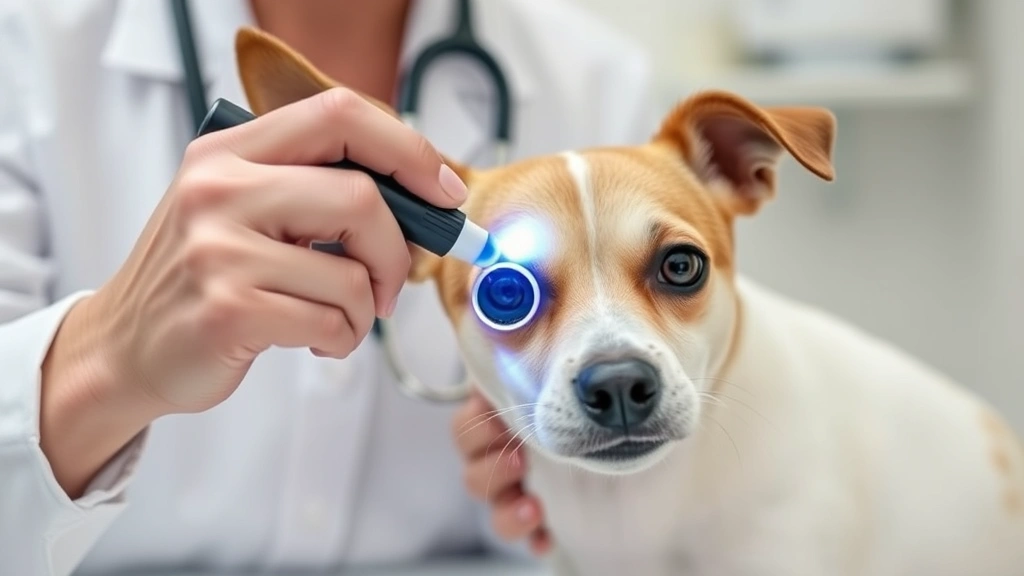
Once your vet diagnoses the infection, treatment depends on the cause. Here’s what you’re likely dealing with:
Antibiotic Eye Drops
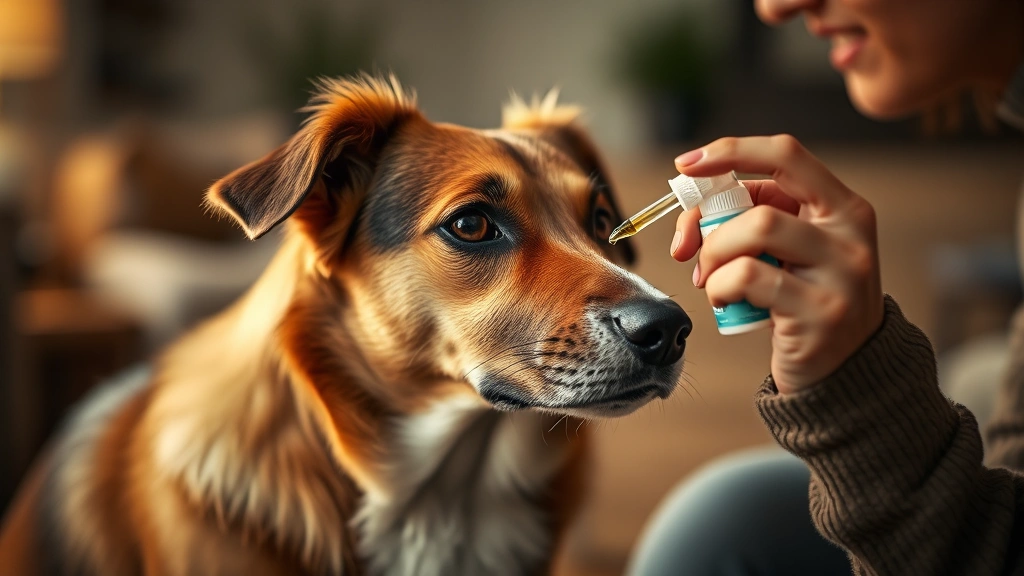
For bacterial dog eye infections, antibiotic drops (like tobramycin or ofloxacin) are the standard. You’ll typically apply them 3-4 times daily for 7-14 days. The hardest part? Getting the drop in the eye without your dog turning their head at the last second.
Real Talk: Giving eye drops to a dog is harder than it sounds. Have someone help hold your dog’s head still. Aim for the inner corner of the eye, and let the drop fall in rather than trying to touch the dropper to the eye. Your dog will move, and that’s okay—some of it will get in.
Antibiotic Ointments
Ointments (like neomycin-polymyxin-bacitracin) last longer than drops because they stick around. Apply them 2-3 times daily. They’re greasier and can blur vision temporarily, so use them at night if possible. The trade-off: easier to apply than drops, harder to get out if your dog rubs their eye.
Oral Antibiotics
If the infection is severe or involves the deeper structures of the eye, your vet might prescribe oral antibiotics (like doxycycline or amoxicillin) alongside topical treatment. These reach the infected tissue systemically.
Antiviral Medications
For viral dog eye infections, there’s no magic bullet. Treatment is supportive—keeping the eye clean, using lubricating drops, and managing any secondary bacterial infection. Some vets use antivirals like idoxuridine for herpesvirus, but they’re expensive and not always necessary.
Steroids (Use With Caution)
Anti-inflammatory drops can reduce swelling and pain, but they’re tricky. Steroids can make certain infections worse (especially fungal or viral with corneal involvement). Your vet will only use them if they’re confident it’s safe.
Lubricating Drops
For dry eye or viral infections, artificial tears or lubricating drops keep the eye moist and comfortable. These are safe to use frequently and won’t mask serious problems.
Pain Management
If your dog is squinting heavily or clearly in discomfort, pain relief matters. Your vet might prescribe oral pain medication or use topical anesthetics during the exam (though these aren’t for home use—they can damage the cornea if overused).
Most uncomplicated bacterial dog eye infections respond within 3-5 days of treatment. You’ll see less discharge, less redness, and your dog will stop pawing at their eye. If there’s no improvement after a week, contact your vet. It might be a resistant strain, a misdiagnosis, or a complication.
Home Care Tips That Make a Difference
Treatment at the vet clinic is only half the battle. What you do at home determines how fast your dog recovers.
Keep the Eye Clean
Use a soft, lint-free cloth or gauze pad soaked in warm saline solution (or just plain lukewarm water) to gently wipe away discharge. Do this 2-3 times daily, especially before applying medication. Wipe from the inner corner (near the nose) outward. Use a fresh cloth for each wipe to avoid spreading bacteria.
Apply Medications Correctly
Timing matters. If you’re using both drops and ointment, apply drops first (they’re thinner and absorb faster), wait 5 minutes, then apply ointment. If using multiple drops, wait a few minutes between each type so the first one has time to work.
Prevent Rubbing
This is huge. When your dog rubs their eye, they’re spreading bacteria, causing more irritation, and potentially damaging the cornea. If they won’t stop:
- Use an Elizabethan collar (cone) temporarily, especially at night.
- Keep their nails trimmed so scratching does less damage.
- Distract them with toys or treats when they start pawing.
Maintain Good Hygiene
Wash your hands before and after touching your dog’s eye. Don’t share towels or bedding if one eye is infected (though most dog eye infections aren’t contagious between dogs). Clean your dog’s food and water bowls regularly.
Adjust the Environment
Bright light bothers infected eyes. Keep the room dimly lit if your dog seems light-sensitive. Avoid smoky or dusty environments. If your dog spends time outdoors, limit it during treatment—dirt and pollen slow healing.
Monitor Closely
Take a photo of the eye on day one of treatment, then again every 2-3 days. This helps you track progress objectively. If discharge is getting worse, swelling is increasing, or a cloudy film appears, contact your vet immediately.
Finish the Full Course
Even if the eye looks perfect after 5 days, finish the prescribed medication. Stopping early lets bacteria bounce back, and you’ll be right back where you started.
Prevention: Stop It Before It Starts
The best dog eye infection is the one that never happens. Here’s how to reduce risk:
Trim Facial Hair
If your dog has long hair around the eyes (Shih Tzus, Poodles, Old English Sheepdogs), keep it trimmed. Hair rubbing the eye causes irritation and creates a breeding ground for bacteria.
Regular Eye Checks
During your monthly at-home grooming routine, look at your dog’s eyes. Are they clear? Any discharge? Early spotting prevents small problems from becoming big ones.
Protect During Outdoor Time
If your dog loves rolling in grass or playing in dusty areas, rinse their face gently with lukewarm water afterward. This removes irritants before they cause problems.
Manage Allergies
If your dog has seasonal allergies that cause eye irritation, talk to your vet about prevention. Sometimes a daily antihistamine or lubricating drops during allergy season stops infections from developing.
Maintain Overall Health
A healthy immune system fights off infections faster. Keep your dog’s vaccinations current, maintain a good diet, and manage any underlying conditions (like asthma or respiratory issues that can complicate eye health).
Use Quality Eye Care Products
If your dog is prone to dry eye or irritation, ask your vet about preventive lubricating drops. Some dogs benefit from omega-3 supplements, which support tear production.
Avoid Irritants
Be careful with shampoos and grooming products near the eyes. Use dog-specific products, not human ones. During baths, shield the eyes or use a washcloth to protect them.
According to the American Kennel Club, certain breeds are genetically predisposed to eye problems, so if you have a high-risk breed, preventive care is even more important.
When to Rush to the Emergency Vet
Most dog eye infections can wait for a regular vet appointment. But some situations are emergencies:
- Severe pain or constant squinting: Your dog can’t open the eye at all, or they’re in obvious distress.
- Sudden vision loss: Your dog is bumping into things or disoriented.
- Cloudiness or haziness: Especially if it appeared suddenly. This suggests corneal ulcer or uveitis (inflammation inside the eye).
- Discharge so thick it’s crusting the eye shut: This needs immediate attention to prevent corneal damage.
- Trauma or obvious injury: Your dog got hit, scratched, or something penetrated the eye.
- Eye bulging or appearing larger than normal: Could indicate glaucoma or severe inflammation.
- Blood in the eye: Hyphema (bleeding inside the eye) needs urgent evaluation.
- No improvement or worsening after 3-5 days of treatment: The current approach isn’t working, and your dog needs reassessment.
When in doubt, call your vet or emergency clinic. They’d rather hear from you about something that turns out to be fine than have you wait and risk permanent damage. Eye problems can deteriorate fast.
According to research from Veterinary Partner, untreated corneal ulcers can lead to vision loss or blindness within days, so erring on the side of caution is wise.
Frequently Asked Questions
Can I use human eye drops on my dog?
– No. Human eye drops contain preservatives and medications formulated for human eyes. Some are toxic to dogs, and others simply don’t work the same way. Always use drops prescribed or recommended by your vet. The only exception is sterile saline solution, which is safe for gentle cleaning.
How long does a dog eye infection take to heal?
– Uncomplicated bacterial infections usually improve within 3-5 days and clear completely in 7-14 days with proper treatment. Viral infections take longer—sometimes 2-3 weeks. Chronic issues like dry eye require ongoing management. If your dog isn’t improving after a week, contact your vet.
Is a dog eye infection contagious to other dogs?
– It depends on the cause. Bacterial infections can spread through direct contact, shared bowls, or contaminated objects. Viral infections are often contagious. Allergic or irritant-based infections are not. To be safe, keep an infected dog separated from other pets during treatment, and wash your hands between petting them and other animals.
Can I prevent eye infections by cleaning my dog’s eyes regularly?
– Regular gentle cleaning helps, especially for dogs with long facial hair or excessive tearing. Use lukewarm water or saline solution on a soft cloth. However, over-cleaning or using the wrong solution can irritate the eye, so don’t overdo it. Once or twice weekly is usually enough for prevention.
What’s the difference between a dog eye infection and allergies?
– Allergies cause watery discharge and itching but usually not thick, colored discharge. Both eyes are typically affected equally. Infections often start in one eye and spread, and discharge tends to be yellowish or greenish. Allergies respond to antihistamines or steroids, not antibiotics. Your vet can tell the difference with a proper exam.
Will my dog lose vision from an eye infection?
– Uncomplicated conjunctivitis won’t cause permanent vision loss. However, severe infections involving the cornea, especially if untreated, can scar the cornea and affect vision. This is why early treatment and following your vet’s instructions matter so much. Permanent vision loss is rare with prompt care.
Can I give my dog Benadryl for eye irritation?
– Benadryl (diphenhydramine) can help with allergic eye irritation, but dosing is critical. Check with your vet before giving it. If your dog has a bacterial infection, antihistamines won’t help and might delay proper treatment. For specific dosing information, see our guide on how much Benadryl you can give a dog.
What if my dog’s eye infection keeps coming back?
– Recurrent infections suggest an underlying issue: chronic dry eye, allergies, an eyelid problem, or a foreign object irritating the eye repeatedly. Your vet might recommend a culture to identify resistant bacteria, or they might refer you to a veterinary ophthalmologist for deeper evaluation. Don’t just keep treating the symptoms—find the root cause.
Is it normal for discharge to get worse before it gets better?
– Slightly increased discharge in the first 24-48 hours of treatment can happen as the immune system ramps up. However, if discharge becomes significantly worse, thicker, or changes color dramatically, contact your vet. This could indicate a complication or the wrong diagnosis.
Can stress cause eye infections in dogs?
– Stress itself doesn’t directly cause infections, but it weakens the immune system, making your dog more vulnerable. High-stress situations (boarding, moving, changes in routine) combined with other risk factors can increase infection risk. Keep your dog’s environment calm during treatment.