
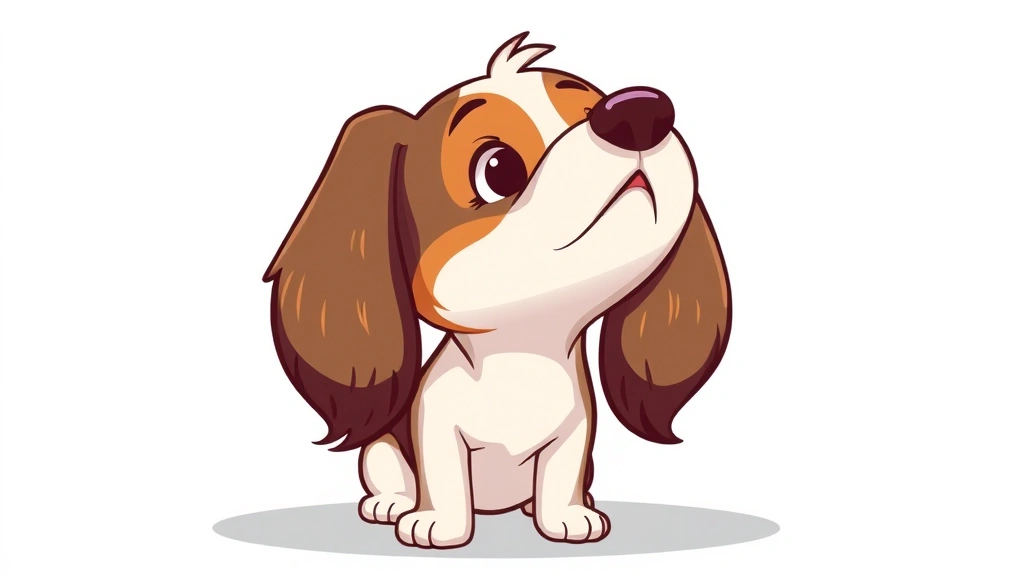
If you’ve ever heard your dog make a honking, snorting sound like they’re trying to inhale a sneeze, you’ve probably witnessed dog reverse coughing and sneezing firsthand. It’s one of those moments that makes you panic—is your pup choking? Are they okay? The truth is, while dog reverse coughing and sneezing can look alarming, it’s usually not an emergency. But understanding what’s happening, when to worry, and how to help your dog feel better is exactly what we’re covering today.
I’ve seen countless dog owners rush into the clinic convinced their dog is dying, only to learn their pup had a simple reverse cough episode. It happens more often than you’d think, and the good news? Most cases resolve on their own or respond well to straightforward management. Let me walk you through what you need to know.
What Is a Reverse Cough in Dogs?
A reverse cough is basically the opposite of a regular cough. Instead of expelling air forcefully outward, your dog is rapidly inhaling, creating that distinctive honking or snorting sound. Think of it like your pup is trying to breathe in a sneeze rather than expel one. The episode typically lasts anywhere from a few seconds to a minute, and your dog usually looks distressed during it—they might stand still, extend their neck, or make repeated honking sounds in succession.
What makes it confusing is that it looks like choking. Your dog might gag, make strange noises, or seem panicked. But here’s the key difference: during a true reverse cough, your dog’s airway isn’t actually blocked. They’re breathing, they’re just doing it in an unusual way. The sound is jarring, but it’s not dangerous in most cases.
The medical term is pharyngeal gag reflex or reverse sneeze, and it’s one of those quirky dog things that’s way more common than people realize. Once you know what you’re looking at, you’ll start noticing it happens to lots of dogs, especially smaller breeds.
Why Does Dog Reverse Coughing and Sneezing Happen?
The reasons behind dog reverse coughing and sneezing are pretty varied. Sometimes it’s totally benign. Other times, it signals something that needs attention. Let me break down the main culprits:
- Irritation of the nasal passages or throat: Dust, pollen, smoke, or strong perfumes can trigger the reflex. Your dog’s nose gets tickled, and boom—reverse cough.
- Allergies: Just like humans, dogs get seasonal or environmental allergies. Allergies can cause sneezing and reverse coughing, especially during spring and fall.
- Excitement or temperature changes: Some dogs reverse cough when they get excited or when they go from a warm room into cold air. It’s like their body’s way of clearing the throat.
- Eating too fast: If your dog gulps their food, they might trigger a reverse cough as their body reacts to the rapid intake.
- Leash pressure: A collar that’s too tight or sudden leash pulling can irritate the throat and trigger episodes.
- Nasal mites or parasites: Less common, but parasites in the nasal passages can cause chronic reverse coughing.
- Heart disease or enlarged heart: In older dogs, an enlarged heart can press on the airway and trigger coughing. This is more serious and needs vet evaluation.
- Tracheal collapse: Small breeds especially can develop a weakened trachea that causes coughing and reverse coughing. More on this later.
The bottom line: not every reverse cough episode means something’s wrong. But patterns matter. If your dog reverse coughs once a week during spring, that’s probably allergies. If they’re doing it multiple times daily year-round, that’s worth investigating.
Symptoms and Signs to Watch For
Knowing what a reverse cough looks and sounds like is half the battle. Here’s what you’ll typically observe:
- Rapid, repeated honking or snorting sounds
- Your dog standing still or extending their neck
- Gagging or retching motions (without vomiting)
- Apparent distress or panic during the episode
- The episode resolving on its own within seconds to a minute
- Your dog acting completely normal afterward
Most dogs bounce back immediately after a reverse cough episode. They shake it off and go about their day like nothing happened. That’s actually a good sign—it usually means it’s not a serious airway blockage.
However, watch for accompanying symptoms that suggest something more serious:
- Chronic reverse coughing (multiple times daily for weeks)
- Lethargy or decreased activity level
- Loss of appetite
- Difficulty breathing or wheezing between episodes
- Blue-tinged gums or tongue
- Vomiting or inability to keep food down
- Nasal discharge (clear, cloudy, or bloody)
- Swelling around the face or throat
If your dog shows any of these signs alongside reverse coughing, don’t wait—schedule a vet visit. These could indicate allergies, infections, parasites, or more serious conditions like chronic coughing from underlying disease.
When to Call Your Vet
Here’s my honest take: one or two reverse cough episodes? Probably fine. But certain situations warrant a vet call:
- Frequency: If your dog is reverse coughing multiple times daily for more than a week, get it checked.
- Duration: Episodes lasting longer than a few minutes, or your dog seeming stuck in the cough cycle.
- Age: Older dogs with new-onset reverse coughing need evaluation, especially if they also have a history of heart issues.
- Breed: Small breeds like Chihuahuas, Pomeranians, and toy poodles are prone to tracheal collapse—take their reverse coughing more seriously.
- Associated symptoms: Any of the warning signs I mentioned above.
- Acute distress: If your dog seems panicked, can’t catch their breath, or their gums look pale or blue, that’s an emergency.
When you call your vet, be specific. Tell them how often it happens, how long episodes last, and whether your dog has other symptoms. This helps your vet decide if they need to see your pup right away or if it can wait for a regular appointment.
According to the American Kennel Club, most reverse coughing episodes are harmless, but a vet can rule out underlying issues like allergies or tracheal disease. It’s worth the peace of mind.
Relief Strategies That Actually Work
So your dog is in the middle of a reverse cough episode right now, and you want to help. Here’s what actually works:
During an Episode
- Stay calm: Your dog picks up on your anxiety. If you’re freaking out, they freak out more. Take a breath.
- Gently rub their throat: Slow, soothing strokes down the neck can help relax the muscles and sometimes stop the episode faster.
- Try a slight position change: Gently extending your dog’s neck or changing their body position sometimes interrupts the reflex.
- Cover their nose briefly: Gently closing your dog’s mouth and nostrils for a second forces them to swallow, which can stop the reverse cough. Don’t do this for more than a second or two.
- Offer water: A few licks of water can help settle the throat. Skip this if your dog is actively coughing.
Between Episodes (Prevention and Management)
- Reduce irritants: Minimize exposure to smoke, strong perfumes, dust, and pollen. Use air filters if allergies are the culprit.
- Adjust the collar: Make sure it’s not too tight. You should be able to fit two fingers under it comfortably. Consider a harness instead of a collar for walks.
- Slow down mealtime: Use a slow-feeder bowl or hand-feed portions to prevent gulping.
- Keep your dog at a healthy weight: Extra weight can put pressure on the airway.
- Manage allergies: Antihistamines like Claritin might help if allergies are the trigger, but always check with your vet first on dosing.
- Use a humidifier: Adding moisture to the air can help if dry air is irritating your dog’s throat.
- Avoid sudden temperature changes: If your dog reverse coughs when going outside in cold weather, try warming them up gradually indoors first.
When Your Vet Prescribes Treatment
If your vet determines your dog needs medication, here’s what you might encounter:
- Antihistamines: For allergy-related reverse coughing. These are usually safe and effective.
- Bronchodilators: Help open airways if tracheal issues are involved.
- Cough suppressants: Your vet might prescribe dextromethorphan or other suppressants for chronic cases.
- Antibiotics: If infection is the culprit.
- Steroids: For severe inflammation or allergies.
Pro Tip: Giving pills to dogs is hard, I know. If your dog refuses tablets, ask your vet if the medication comes in liquid form or if you can crush it and mix it with wet food. Some medications can be compounded into treats or flavored liquids too.
The key is consistency. If your vet prescribes something, stick with it for the recommended duration even if your dog seems better. Stopping early can let symptoms bounce back.
Prevention and Long-Term Management
The best medicine is prevention. Here’s how to reduce the frequency of dog reverse coughing and sneezing episodes:
Environmental Control
- Use HEPA air filters in your home, especially in bedrooms.
- Vacuum regularly with a HEPA-filter vacuum.
- Minimize exposure to secondhand smoke.
- Avoid strong cleaning products or air fresheners around your dog.
- Keep your dog’s bedding clean and wash it weekly.
Dietary Adjustments
- Feed high-quality dog food without excessive fillers or allergens.
- If your dog has food allergies, work with your vet on an elimination diet.
- Ensure your dog stays hydrated—dry kibble alone isn’t enough water intake.
Physical Management
- Use a harness instead of a collar, especially for small breeds prone to tracheal issues.
- Keep your dog at an ideal body weight (ask your vet what that is for your breed).
- Ensure regular, moderate exercise to keep the respiratory system healthy.
- Avoid strenuous activity in extreme heat or cold.
Regular Vet Checkups
Annual vet visits catch problems early. If your dog is over 7 years old or has a history of respiratory issues, consider twice-yearly checkups. Your vet can listen to your dog’s heart and lungs, check for signs of heart disease, and evaluate the trachea.
Breeds Most Prone to Reverse Coughing
Some dogs are just genetically predisposed to dog reverse coughing and sneezing. If you own one of these breeds, you’re probably familiar with the sound:
- Chihuahuas: The poster child for reverse coughing. Their tiny throats and predisposition to tracheal collapse make them frequent offenders.
- Toy Poodles: Similar size and airway issues as Chihuahuas.
- Pomeranians: Another small breed with a tendency toward airway sensitivity.
- Yorkies: Tiny dogs, tiny throats, frequent reverse coughs.
- Maltese: Prone to both allergies and tracheal issues.
- Shih Tzus: Brachycephalic (flat-faced) features contribute to airway problems.
- Pugs: Also brachycephalic; respiratory issues are common.
- Bulldogs: Flat faces mean compromised airways.
If you own any of these breeds, don’t panic every time you hear a reverse cough. But do take it seriously—chronic episodes warrant vet evaluation because tracheal collapse is more common in these dogs. According to PetMD, tracheal collapse affects up to 2% of dogs overall, but rates are much higher in toy and small breeds.
Larger breeds can also reverse cough, but it’s usually less frequent and often related to specific triggers like allergies rather than structural airway issues.
Frequently Asked Questions
Is reverse coughing the same as choking?
– No. During a reverse cough, your dog’s airway isn’t blocked—they’re breathing, just in an unusual way. With true choking, your dog can’t breathe and will panic severely. If you suspect choking, go to an emergency vet immediately.
Can stress cause reverse coughing in dogs?
– Yes. Excitement, anxiety, or stress can trigger episodes. Some dogs reverse cough when they see the leash (excitement) or during thunderstorms (fear).
My dog reverse coughs only during certain seasons. What does that mean?
– Seasonal reverse coughing almost always points to environmental allergies. Pollen, mold spores, and other seasonal irritants trigger the reflex. Talk to your vet about antihistamines or allergy management for those months.
Can I treat reverse coughing at home without a vet visit?
– If it’s occasional and your dog has no other symptoms, yes. Use the relief strategies I mentioned. But if it’s frequent, chronic, or accompanied by other signs, get a vet evaluation. You need to rule out serious conditions.
Does reverse coughing ever go away on its own?
– Often, yes. If it’s triggered by a temporary irritant (like dust from a renovation), it stops once the irritant is gone. If it’s allergy-related, managing the allergen helps. But if it’s caused by tracheal collapse or heart disease, it typically requires ongoing management.
Is reverse coughing painful for my dog?
– It’s uncomfortable and distressing in the moment, but not painful. Your dog isn’t in pain—they’re just experiencing an involuntary reflex that feels weird. The panic usually subsides once the episode ends.
What’s the difference between reverse coughing and regular coughing?
– Regular coughing expels air forcefully outward. Reverse coughing pulls air in rapidly. Regular coughing often indicates lung issues, infections, or heart problems. Reverse coughing is usually throat-related. Both warrant vet evaluation if chronic.
Can allergies cause both reverse coughing and sneezing in dogs?
– Absolutely. Allergies are one of the most common causes of both symptoms. Your dog’s immune system overreacts to allergens, causing nasal and throat inflammation that triggers sneezing and reverse coughing. Allergies often show up in other ways too, like excessive paw licking.
Should I be worried if my senior dog starts reverse coughing?
– Age is a risk factor. Older dogs are more prone to heart disease, and an enlarged heart can trigger coughing. Get a vet evaluation to rule out cardiac issues. Don’t assume it’s just a harmless reverse cough.
Can I prevent reverse coughing entirely?
– Not completely, especially if your dog is genetically predisposed. But you can reduce frequency by managing allergens, keeping your dog at a healthy weight, using a harness instead of a collar, and controlling environmental irritants. Prevention is about minimizing triggers, not eliminating the reflex entirely.
Is reverse coughing contagious between dogs?
– No. It’s not contagious. If multiple dogs in your household are reverse coughing, they’re likely responding to the same environmental trigger (like seasonal allergies) rather than catching it from each other.

What does it mean if my dog reverse coughs after eating?
– Usually, your dog is eating too fast and triggering the reflex. Use a slow-feeder bowl, feed smaller portions more frequently, or hand-feed to control the pace. If it happens with every meal, that’s worth mentioning to your vet—could indicate esophageal issues.
Final Thoughts: Dog reverse coughing and sneezing is one of those things that looks scarier than it actually is. Most episodes are harmless and resolve on their own. But pay attention to patterns. If your dog is reverse coughing frequently, has other symptoms, or is a breed prone to airway issues, get it checked. Your vet can determine whether it’s just an annoying reflex or a sign of something that needs treatment. In the meantime, stay calm during episodes, minimize irritants, and know that you’re not alone—countless dog owners deal with this regularly.





