
Your dog just hacked up yellow bile on your kitchen floor. Your heart rate spiked. Is this an emergency? Should you panic? Here’s the truth: dog spewing yellow happens more often than you’d think, and while it usually isn’t life-threatening, it absolutely deserves your attention. Yellow vomit—especially when it’s bile—tells you something specific is happening in your dog’s digestive system. Let me walk you through what it means, when to worry, and what you can actually do about it.
What Does Yellow Vomit Mean?
Yellow vomit is almost always bile. Bile is a digestive fluid your dog’s liver produces to break down fats. It lives in the gallbladder and gets released into the small intestine when your dog eats. The color—that bright or pale yellow, sometimes greenish—is the giveaway.
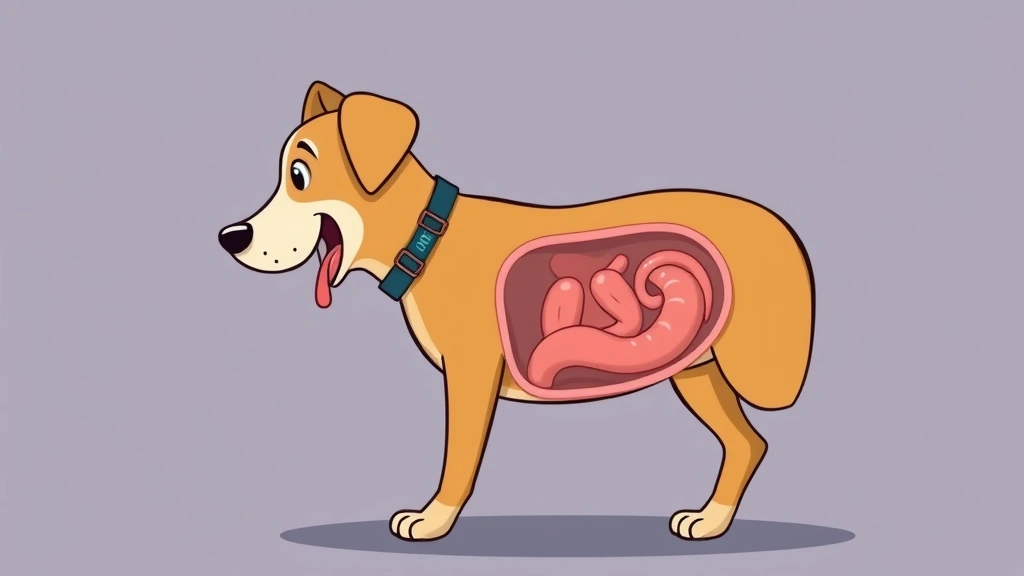
Here’s what’s happening: when your dog vomits yellow bile, it means stomach acid and bile are coming back up instead of moving down through the digestive tract like they should. This is different from food vomit, which looks chunky and more tan or brown. If your dog is spewing yellow, the stomach is usually empty or nearly empty.
This matters because it tells you the problem isn’t necessarily about something your dog ate. It’s about the digestive process itself getting confused.
Bile Reflux and Empty Stomach Syndrome
The most common reason dogs spit up yellow bile is bile reflux, sometimes called bilious vomiting syndrome. Think of it like this: your dog’s stomach is a one-way street. Food should go down, get digested, and move into the intestines. Bile should flow from the gallbladder into the intestines. But sometimes that valve between the small intestine and stomach gets lazy or irritated, and bile backs up into the stomach. When the stomach contracts (which it does regularly, even when empty), out comes the bile.
Empty stomach syndrome is the trigger for a lot of these cases. Dogs with sensitive stomachs or those who go too long without eating are more prone to this. The stomach produces acid all day, whether there’s food in it or not. When there’s nothing to digest, that acid just sits there, irritating the stomach lining. Add bile reflux on top of that, and you’ve got a recipe for your dog spewing yellow.
It’s particularly common in older dogs and certain breeds like Schnauzers, Labs, and small dogs. The good news? It’s usually manageable with simple changes.
Common Causes of Dog Spewing Yellow
Let’s break down the main culprits behind dog spewing yellow:
- Long gaps between meals: If your dog eats breakfast at 7 AM and dinner at 6 PM, that’s 11 hours. Their stomach is producing acid the whole time. By mid-morning or late afternoon, they might vomit yellow bile.
- Food sensitivities or allergies: If your dog has an upset stomach from something they ate, inflammation in the digestive tract can trigger vomiting. What to give dogs for allergies often starts with identifying the trigger food.
- Eating too much or too fast: Gulping down food can overwhelm the digestive system and trigger vomiting. This is especially true for dogs who eat too much at once.
- Pancreatitis: Inflammation of the pancreas is serious and often causes yellow vomiting. It’s usually accompanied by lethargy, loss of appetite, and abdominal pain.
- Gastritis: Inflammation of the stomach lining from eating garbage, spoiled food, or irritating treats.
- Intestinal blockage: If something is stuck, bile can back up. This is an emergency.
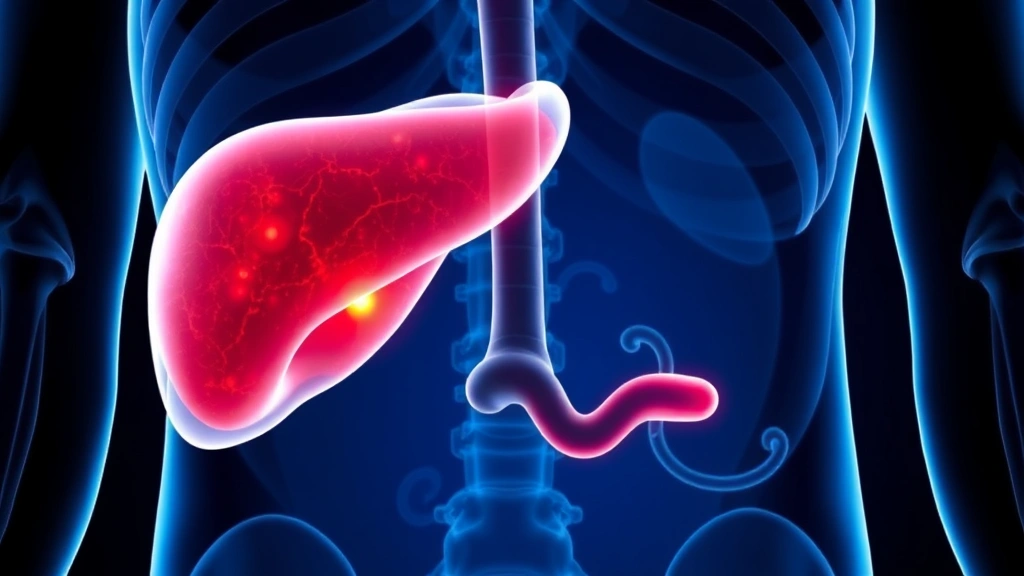
- Liver or gallbladder issues: Less common, but serious. The liver produces bile, so if something’s wrong there, you might see changes in vomit color.
- Stress or anxiety: Yes, really. Stressed dogs sometimes have digestive issues that lead to bile vomiting.
The key is figuring out which one you’re dealing with. That’s where pattern recognition comes in.
When Is It an Emergency?
Not every yellow vomit episode requires an ER visit at 2 AM. But some do. Here’s how to tell the difference:
Call your vet today (not an emergency, but urgent):
- Your dog is vomiting yellow more than once or twice a week
- They’re also showing lethargy or loss of appetite
- The vomiting started suddenly and won’t stop
- Your dog seems painful or uncomfortable
- They’re also having diarrhea or other digestive issues
Go to the ER now:
- Your dog is vomiting repeatedly and can’t keep water down
- They’re showing signs of severe abdominal pain (hunched posture, whining, won’t move)
- They’re lethargic and unresponsive
- You suspect they ate something toxic or something that could be blocking their intestines
- There’s blood in the vomit
- Your dog has a pre-existing condition like pancreatitis or liver disease
If you’re ever unsure, call your vet’s office. They know your dog’s history and can give you real guidance over the phone. That’s what they’re there for.
Home Care and Prevention
Most cases of dog spewing yellow can be managed at home once you’ve ruled out serious stuff with your vet. Here’s what actually works:
Split meals into smaller portions: Instead of one big meal, feed your dog twice daily. If they’re still vomiting yellow in the morning, add a third small meal or a snack in the evening. A small snack before bed can prevent overnight bile buildup. Many owners see results within a few days of switching to this schedule.
Don’t let the stomach sit empty: This is huge. The longer the gap between meals, the more likely bile reflux happens. If your dog’s on a once-a-day feeding schedule, that’s probably part of the problem.
Add a bland snack before bed: A small handful of plain cooked chicken, a few plain crackers, or a spoonful of plain pumpkin can settle the stomach overnight. Is pumpkin good for dogs with diarrhea also applies here—it’s soothing for the whole digestive tract.
Avoid fatty foods: Fatty meals trigger more bile production, which means more chance of reflux. Stick to lean proteins and easily digestible carbs.
Slow down fast eaters: Use a slow-feed bowl, spread food across a larger area, or hand-feed in small amounts. Gulping is the enemy here.
Remove access to trash and “junk”: Your dog doesn’t need to eat spoiled food or random stuff from the yard. Keep it out of reach. This prevents gastritis, which can trigger the vomiting cycle.
Manage stress: If your dog is anxious, work on that. Some dogs benefit from calming supplements (yes, they exist for anxiety too, not just skin issues). Others need more exercise or mental stimulation.
Feeding Strategies That Work
The feeding schedule is often the biggest game-changer for dogs spewing yellow. Here’s what I’ve seen work in practice:
The three-meal approach: Breakfast, lunch (small), and dinner. This keeps the stomach from sitting empty for too long. Most dogs see improvement within 3-5 days.
The snack-before-bed trick: Feed a small snack 30-60 minutes before your dog goes to sleep. Something bland and easy to digest. This prevents the overnight bile buildup that causes morning vomiting.
Consistent timing: Dogs thrive on routine. Feed at the same times every day. Their digestive system actually adapts to the schedule.
Portion control: Make sure you’re not overfeeding. How much dog food per day depends on your dog’s age, weight, and activity level. Your vet can give you exact amounts. Overfeeding puts stress on the whole digestive system.
Food quality matters: Low-quality kibble can be harder to digest and more likely to trigger inflammation. If your dog has a sensitive stomach, talk to your vet about prescription or limited-ingredient diets. Sometimes switching food is the answer.
Pro Tip: If you’re switching foods, do it gradually over 7-10 days. Mix increasing amounts of the new food with the old. Sudden food changes can trigger digestive upset and vomiting.
When to Call Your Vet
I know I mentioned this earlier, but it’s worth its own section because timing matters. Here’s when to actually pick up the phone:
First vomit episode: If your dog has never vomited yellow before, one episode usually doesn’t warrant a vet call unless they seem sick otherwise. Monitor them. If it happens again within 24 hours, call.
Recurring episodes: If your dog is spewing yellow regularly—even if they seem otherwise fine—get them checked out. Your vet will want to do a physical exam and possibly bloodwork to rule out pancreatitis, liver issues, or other problems. This is especially important if your dog is older or has health issues.
What your vet will probably do: They’ll ask about the frequency, timing, and any other symptoms. They’ll do a physical exam. They might recommend bloodwork, especially if your dog is older or the vomiting is frequent. They might prescribe an antacid like omeprazole or famotidine to reduce stomach acid. Some dogs benefit from anti-nausea medication like maropitant. Rarely, they’ll recommend an ultrasound if they suspect pancreatitis or another serious condition.
Pancreatitis is the big one: If your vet suspects pancreatitis (which can cause dog spewing yellow), they’ll likely do bloodwork to check pancreatic enzymes. Pancreatitis is serious and requires treatment. Don’t ignore repeated vomiting, especially if your dog is also lethargic or has abdominal pain. If you’re concerned about heart issues in conjunction with other symptoms, can a dog have heart attack is worth reading, though vomiting alone isn’t typically a heart symptom.
The bottom line: if the vomiting is new, frequent, or accompanied by other symptoms, get your dog checked. It’s not overreacting. It’s being a good owner.
Frequently Asked Questions
Is dog spewing yellow always serious?
– No. Most cases are bile reflux or empty stomach syndrome, which are manageable. But it can sometimes signal something serious like pancreatitis or a blockage, which is why you should get it checked if it’s happening regularly.
Can I give my dog medication to stop the yellow vomiting?
– Yes, but it depends on the cause. Your vet might prescribe antacids, anti-nausea meds, or other medications. The real fix is usually addressing the underlying cause—better feeding schedule, dietary changes, etc. Medication helps, but it’s not the whole answer.
What should I feed a dog that keeps spewing yellow?
– Start with bland, easily digestible foods: plain cooked chicken, plain white rice, plain pumpkin. Once they’re stable, transition to a high-quality, limited-ingredient diet or prescription diet recommended by your vet. Small, frequent meals are key.
How long does it take for feeding changes to help?
– Most dogs show improvement within 3-7 days of switching to a better feeding schedule. Some take up to two weeks. If there’s no improvement after two weeks, something else is probably going on and you need a vet visit.
Can stress cause my dog to spit up yellow?
– Yes. Stressed or anxious dogs often have digestive issues. If your dog’s vomiting coincides with stressful events (new pet, moving, loud noises), work on reducing stress. Exercise, training, and sometimes anti-anxiety medication can help.
Is yellow vomit different from green vomit?
– Slightly. Yellow is typically bile. Green can also be bile but might indicate something slightly different happening in the intestines. Either way, the approach is similar—get it checked and adjust feeding/diet.
My dog only vomits yellow in the morning. What does that mean?
– That’s classic empty stomach syndrome. The overnight fast allows bile to back up into the stomach. A small snack before bed usually fixes this. If it doesn’t, see your vet.
Do certain dog breeds get this more often?
– Yes. Schnauzers, Labs, small breeds, and older dogs seem more prone to bile reflux. But any dog can experience it. If you have a breed that’s predisposed, be proactive about feeding schedule and diet quality.
Should I fast my dog if they’re vomiting yellow?
– Don’t fast them for long. Short fasts (a few hours) might help if they just ate something upsetting. But extended fasts (more than 12 hours) actually make bile reflux worse. Get food back in their stomach, just in smaller amounts.
Can over-the-counter antacids help?
– Some people use them, but I’d recommend checking with your vet first. Human antacids aren’t always appropriate for dogs, and the dose matters. Your vet can prescribe something that’s actually formulated for dogs.





