

As autumn arrives and pumpkin-spiced everything fills the shelves, many dog owners wonder whether they can share this seasonal favorite with their furry companions. The good news is that pumpkin is not only safe for dogs but also offers remarkable health benefits that can enhance your pet’s overall well-being. This vibrant orange gourd has become increasingly popular among pet parents as a natural supplement for digestive health, weight management, and nutritional support.
Beyond its festive associations, pumpkin serves as a powerhouse of essential nutrients that can address various canine health concerns. From providing relief for digestive issues to supporting immune function, this versatile ingredient has earned its place as a veterinarian-recommended superfood for dogs. Understanding how to properly incorporate pumpkin into your dog’s diet can unlock a world of health benefits while adding variety to their meal routine.
Nutritional Benefits of Pumpkin for Dogs
Pumpkin stands out as an exceptional nutritional powerhouse for canines, packed with essential vitamins, minerals, and fiber that contribute to optimal health. This orange superfood contains high levels of beta-carotene, which converts to vitamin A in your dog’s body, supporting healthy vision, skin, and coat. The vitamin A content in pumpkin is particularly beneficial for maintaining proper eye function and preventing night blindness in aging dogs.
The mineral profile of pumpkin is equally impressive, featuring potassium for heart health, iron for oxygen transport, and zinc for immune function and wound healing. These minerals work synergistically to support various bodily functions, from maintaining proper muscle contractions to ensuring efficient cellular metabolism. Additionally, pumpkin provides vitamin C, which acts as an antioxidant to combat free radicals and support immune system function.
One of pumpkin’s most valuable nutritional components is its fiber content, which plays a crucial role in digestive health and blood sugar regulation. The soluble and insoluble fiber found in pumpkin helps promote healthy gut bacteria, regulate bowel movements, and maintain stable blood glucose levels. This makes pumpkin an excellent choice for dogs with diabetes or those prone to digestive upset.
Supporting Digestive Health
Pumpkin’s reputation as a digestive aid for dogs is well-deserved, thanks to its unique combination of soluble and insoluble fiber that works to regulate both diarrhea and constipation. When dogs experience loose stools, the soluble fiber in pumpkin absorbs excess water in the digestive tract, helping to firm up bowel movements naturally. Conversely, for dogs struggling with constipation, pumpkin’s fiber content adds bulk to stool and promotes regular elimination.
The prebiotic properties of pumpkin fiber support the growth of beneficial gut bacteria, creating a healthier intestinal environment. This improved gut microbiome can enhance nutrient absorption, boost immune function, and reduce inflammation in the digestive system. Many veterinarians recommend pumpkin as a gentle, natural alternative to pharmaceutical treatments for mild digestive issues.
For dogs with sensitive stomachs or those recovering from gastrointestinal illness, pumpkin provides easily digestible nutrition without causing additional stress to the system. Its bland taste and smooth texture make it an ideal addition to bland diets prescribed during recovery periods. The anti-inflammatory properties of pumpkin can also help soothe irritated intestinal lining, promoting faster healing and comfort.
Similar to other beneficial vegetables like zucchini and cauliflower, pumpkin offers digestive support while providing essential nutrients that contribute to overall health.
Weight Management and Satiety
Pumpkin serves as an excellent tool for weight management in overweight dogs due to its low calorie content and high fiber density. With only about 50 calories per cup, pumpkin can be used to replace a portion of regular food, reducing overall caloric intake while maintaining meal volume and satisfaction. This strategy helps dogs feel full and satisfied without consuming excess calories that contribute to weight gain.
The high water content in pumpkin, approximately 90%, adds volume to meals without significantly increasing caloric density. This characteristic makes pumpkin particularly valuable for dogs who tend to eat quickly or seem perpetually hungry. By incorporating pumpkin into their diet, pet owners can help their dogs develop better eating habits while supporting healthy weight loss or maintenance.
The fiber in pumpkin also slows digestion, leading to more stable blood sugar levels and reduced hunger between meals. This sustained satiety can prevent overeating and reduce begging behaviors that often lead to excessive treat consumption. For dogs on weight management programs, pumpkin can serve as a healthy, low-calorie treat alternative that satisfies their desire to chew and eat.
Boosting Immune System Function
The immune-boosting properties of pumpkin stem from its rich antioxidant content, including beta-carotene, vitamin C, and vitamin E. These antioxidants work together to neutralize harmful free radicals that can damage cells and compromise immune function. Regular consumption of pumpkin can help strengthen your dog’s natural defense mechanisms against infections, allergies, and other health challenges.
Beta-carotene, the compound responsible for pumpkin’s vibrant orange color, is particularly potent in supporting immune health. Once converted to vitamin A in the body, it helps maintain the integrity of mucous membranes, which serve as the first line of defense against pathogens. This is especially important for maintaining healthy respiratory and digestive tract barriers.
The zinc content in pumpkin plays a vital role in immune cell production and function. Adequate zinc levels are essential for proper wound healing, protein synthesis, and the maintenance of healthy skin and coat. Dogs with zinc deficiencies often experience compromised immune function and delayed healing, making pumpkin a valuable dietary addition for immune support.

Proper Preparation and Serving Guidelines
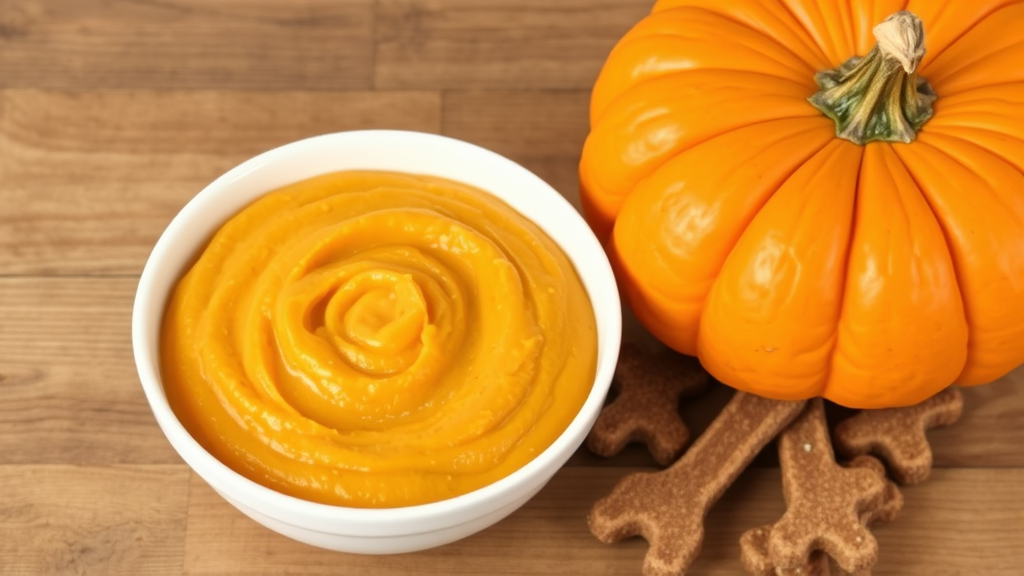
When preparing pumpkin for your dog, it’s crucial to use plain, cooked pumpkin rather than raw pumpkin, which can be difficult to digest and may cause stomach upset. Fresh pumpkin should be thoroughly cooked by roasting, steaming, or boiling until soft, then pureed or mashed to achieve the proper consistency. Canned pumpkin puree is also acceptable, but it must be 100% pure pumpkin without added sugars, spices, or preservatives.
The appropriate serving size depends on your dog’s size and individual dietary needs. As a general guideline, small dogs should receive 1-2 teaspoons per day, medium dogs can have 1-2 tablespoons, and large dogs may consume up to 1/4 cup daily. It’s important to introduce pumpkin gradually, starting with small amounts to allow your dog’s digestive system to adjust and prevent any potential stomach upset.
Pumpkin can be served in various ways to maintain your dog’s interest and provide nutritional benefits. It can be mixed directly into their regular food, frozen in ice cube trays for a cooling treat, or incorporated into homemade dog treats. Some pet owners create pumpkin-based meal toppers by combining it with other dog-safe ingredients like carrots or broccoli for added variety and nutrition.
Storage of prepared pumpkin is important for maintaining freshness and preventing spoilage. Fresh cooked pumpkin should be refrigerated and used within 3-5 days, while portions can be frozen for up to six months. Always check for signs of spoilage before serving, as moldy or fermented pumpkin can cause serious digestive issues.
Safety Considerations and Precautions
While pumpkin is generally safe for most dogs, certain precautions should be observed to ensure optimal health and safety. Never feed your dog pumpkin pie filling, pumpkin bread, or other pumpkin-flavored human foods, as these products often contain harmful ingredients like sugar, artificial sweeteners, nutmeg, cinnamon, or other spices that can be toxic to dogs. Xylitol, commonly found in sugar-free products, is particularly dangerous and can cause life-threatening hypoglycemia in dogs.
Raw pumpkin and pumpkin stems should be avoided, as they can be difficult to digest and may cause intestinal blockages, especially in smaller dogs. Additionally, pumpkin seeds require special consideration, as they can be safe when properly prepared but may pose choking hazards or digestive issues if served whole or in large quantities.
Dogs with certain medical conditions may need modified serving recommendations or should avoid pumpkin altogether. Diabetic dogs should have pumpkin intake monitored carefully due to its natural sugar content, though the fiber can actually help regulate blood sugar levels. Dogs with kidney disease may need to limit pumpkin consumption due to its potassium content, and those with urinary tract issues should consult with their veterinarian before adding pumpkin to their diet.
According to the American Veterinary Medical Association, any dietary changes should be made gradually and under veterinary guidance, especially for dogs with existing health conditions or those taking medications that might interact with increased fiber intake.
Creative Pumpkin Recipes for Dogs
Creating homemade pumpkin treats for your dog can be both fun and rewarding, allowing you to control ingredients while providing healthy, delicious snacks. One popular recipe combines pureed pumpkin with oat flour and a small amount of natural peanut butter (xylitol-free) to create soft, chewy treats that most dogs find irresistible. These treats can be shaped with cookie cutters and baked at a low temperature to preserve nutrients.
For hot summer days, frozen pumpkin treats offer cooling relief while delivering nutritional benefits. Simply mix pumpkin puree with plain yogurt or bone broth, pour into ice cube trays or silicone molds, and freeze. These treats provide mental stimulation as dogs work to consume them and can help keep them cool during warm weather.
Pumpkin can also be incorporated into training treats by creating small, bite-sized portions that can be quickly consumed during training sessions. Mix pumpkin with rice flour and a small amount of olive oil to create a dough that can be rolled thin and cut into tiny squares. These treats are low in calories but high in flavor, making them perfect for frequent reward-based training.
For dogs who enjoy variety, consider combining pumpkin with other safe vegetables like brussels sprouts (properly prepared) to create nutritious meal additions. Always ensure that any additional ingredients are safe for canine consumption and introduce new combinations gradually to monitor for any adverse reactions.
The American Kennel Club provides additional guidance on incorporating pumpkin into your dog’s diet safely and effectively, emphasizing the importance of moderation and proper preparation methods.
Frequently Asked Questions
How much pumpkin should I give my dog daily?
The appropriate amount of pumpkin depends on your dog’s size. Small dogs should receive 1-2 teaspoons daily, medium dogs can have 1-2 tablespoons, and large dogs may consume up to 1/4 cup per day. Always start with smaller amounts and gradually increase to allow your dog’s digestive system to adjust. Consult with your veterinarian for personalized recommendations based on your dog’s specific health needs and current diet.
Can puppies eat pumpkin safely?
Yes, puppies can eat pumpkin, but in smaller quantities appropriate for their size and developing digestive systems. Start with just a small taste (about 1/4 teaspoon for small breeds) and monitor for any digestive upset. Pumpkin can be particularly helpful for puppies experiencing mild diarrhea or constipation, but always consult with your veterinarian before making dietary changes for young dogs.
Is canned pumpkin as good as fresh pumpkin for dogs?
Canned pumpkin puree can be just as nutritious as fresh pumpkin, provided it’s 100% pure pumpkin without added sugars, spices, or preservatives. Many veterinarians actually prefer canned pumpkin because it has a consistent texture and nutrient content. Always read labels carefully and avoid pumpkin pie filling or any products with additional ingredients that could be harmful to dogs.
Can pumpkin help with my dog’s diarrhea?
Yes, pumpkin can help firm up loose stools due to its high soluble fiber content, which absorbs excess water in the digestive tract. However, persistent diarrhea lasting more than 24-48 hours requires veterinary attention, as it may indicate a more serious underlying condition. The AVMA recommends seeking professional care for ongoing digestive issues rather than relying solely on home remedies.
Are there any dogs that shouldn’t eat pumpkin?
While pumpkin is safe for most dogs, those with certain medical conditions may need restrictions. Dogs with diabetes should have pumpkin intake monitored due to natural sugar content, though the fiber can actually help regulate blood glucose. Dogs with kidney disease may need to limit pumpkin due to its potassium content, and those with severe digestive disorders should only introduce pumpkin under veterinary supervision.
Can I give my dog pumpkin every day?
Yes, pumpkin can be given daily as part of a balanced diet, but moderation is key. Daily serving should not exceed 10% of your dog’s total caloric intake. Regular, small amounts are generally better than occasional large servings. Monitor your dog for any changes in appetite, digestion, or behavior, and adjust serving sizes as needed. Long-term use should be discussed with your veterinarian to ensure it aligns with your dog’s overall nutritional needs.
What’s the difference between pumpkin and other orange vegetables for dogs?
While pumpkin, sweet potatoes, and carrots are all beneficial orange vegetables, they have different nutritional profiles and effects. Pumpkin is lower in calories and natural sugars compared to sweet potatoes, making it better for weight management. It also has a higher water content and different fiber composition that makes it particularly effective for digestive regulation. According to Nutrition.gov, various fiber sources provide different benefits, and pumpkin’s unique combination makes it especially valuable for canine digestive health.





