
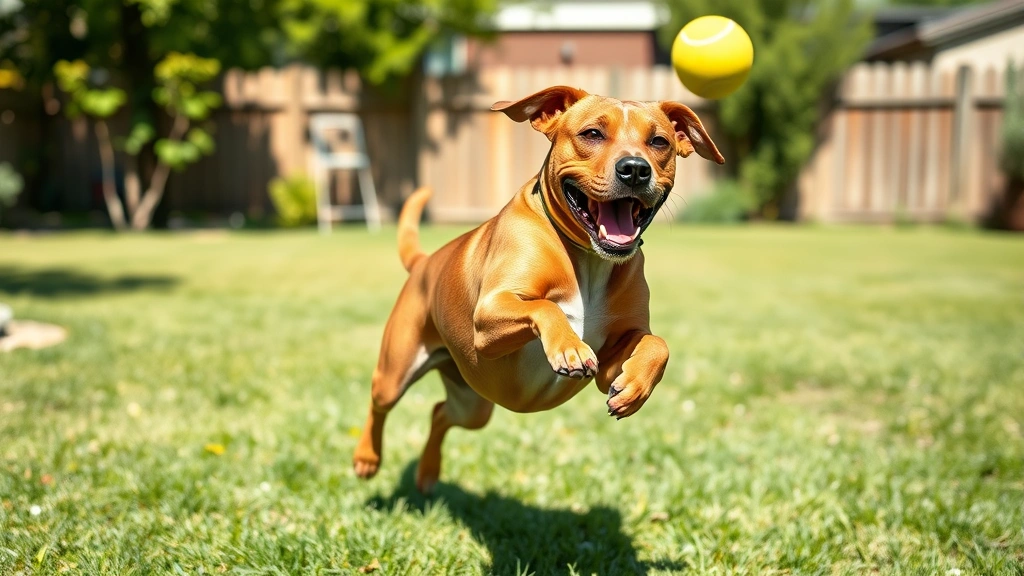
If you’re considering a lab dog mix with pitbull, you’re probably wondering if this combination actually works. Here’s the real talk: yes, it does—and often beautifully. A lab dog mix with pitbull inherits the Labrador’s legendary friendliness and the pit bull’s loyalty and athleticism. But there’s more nuance than just “cute equals perfect.” Let me walk you through what you’re actually getting into.
I’ve worked with dozens of lab-pit mixes in my veterinary practice, and I can tell you they’re not the scary monsters some people imagine. They’re also not automatically golden retrievers in disguise. A lab dog mix with pitbull is its own thing—energetic, affectionate, strong, and absolutely capable of being an amazing family dog if you know what you’re doing.
What Exactly Is a Lab Dog Mix with Pitbull?
A lab dog mix with pitbull is exactly what it sounds like: a cross between a Labrador Retriever and a pit bull-type dog. Now, “pit bull” is actually an umbrella term covering several breeds—American Pit Bull Terrier, American Staffordshire Terrier, Staffordshire Bull Terrier, and sometimes American Bulldog. So your lab dog mix with pitbull could have slightly different genetics depending on which pit bull breed is in the mix.
The Labrador side brings retrieving instinct, water-loving genetics, and a “please everyone” attitude. The pit bull side brings determination, muscle, and a strong prey drive. The result? A dog that’s eager to please but also has serious physical presence and confidence.
According to the American Kennel Club, Labradors consistently rank as the most popular breed in America, and that popularity exists for good reasons—they’re trainable, food-motivated, and genuinely social. Pit bull-type dogs, when properly bred and raised, share many of these traits, though they tend to be more intense about their people.
Temperament and Personality: What to Expect
Here’s where I need to be honest: a lab dog mix with pitbull is not a low-key couch potato. This is an active, engaged dog that wants to be involved in your life. It’s not aggressive by default—that’s a myth—but it is assertive and confident.
Most lab-pit mixes I’ve encountered are extremely people-oriented. They want to be near you, involved in what you’re doing, and included in family activities. They’re often goofy in that Labrador way—the kind of dog that knocks things over with its tail and doesn’t understand why you’re upset. But they also have the pit bull’s intense loyalty, which means they bond deeply with their people.
The social aspect is crucial. A lab dog mix with pitbull that’s properly socialized from puppyhood is typically friendly with other dogs, cats, and strangers. But—and this is important—socialization isn’t optional. It’s foundational. A poorly socialized lab-pit mix can develop fear-based aggression or resource guarding, which is dangerous given their physical strength.
Pro Tip: Start socialization before 16 weeks old. Expose your puppy to different people, environments, sounds, and other animals in a controlled way. This is the single most important thing you can do to set up a lab dog mix with pitbull for success.
Energy-wise, expect high drive. These dogs were bred for work—retrieving for hunters, or in the pit bull’s case, originally for herding and later unfortunately for fighting (a history we don’t celebrate, but we acknowledge). That work ethic doesn’t disappear. A bored lab dog mix with pitbull becomes a destructive lab dog mix with pitbull. We’re talking shredded furniture, escaped yards, and behavioral problems that emerge from frustration.
Physical Traits and Size
A lab dog mix with pitbull is going to be substantial. You’re not getting a 20-pound dog here. Most mature lab-pit mixes weigh between 50 and 80 pounds, with some individuals going heavier. They’re muscular, athletic, and built for power.
The coat is usually short and dense, often in colors like black, yellow, brindle, or fawn. They shed—moderately to heavily depending on the individual. A lab dog mix with pitbull sheds year-round, with heavier shedding during spring and fall. Invest in a good vacuum and a undercoat rake.
Head structure can vary. Some lab-pit mixes have the broader skull and thicker muzzle of the pit bull parent, while others have the more refined features of the Labrador. Bite force varies based on skull structure and genetics, but these dogs are definitely capable of delivering serious damage if they bite—which is why training and socialization aren’t negotiable.
Ears are typically medium-sized and can be floppy (Lab influence) or more erect (pit bull influence). Tail is usually strong and muscular—watch out for that tail in small spaces; it’s like a whip.
Training and Socialization Requirements
This is where a lot of people get in trouble with a lab dog mix with pitbull. They assume because the dog is friendly and eager to please (the Lab traits) that training will be easy. Then they get surprised when the dog pulls like a freight train on the leash or decides to chase a squirrel through a fence.
A lab dog mix with pitbull needs:
- Consistent leadership. This dog respects structure and clear boundaries. Wishy-washy rules don’t work. You need to be the person who makes decisions, not the dog.
- Positive reinforcement training. These dogs respond beautifully to rewards—food, toys, praise. Punishment-based training often backfires, creating fear or aggression.
- Early obedience classes. Start with a puppy class around 8-12 weeks. Continue with basic obedience (sit, stay, come, down) through at least 6 months old. Consider advanced classes for off-leash reliability.
- Ongoing socialization. Don’t stop after puppyhood. Continue exposing your dog to new people, places, and situations throughout its life. A lab dog mix with pitbull that’s been socialized at 12 weeks but then locked in a yard for three years will regress.
- Impulse control work. These dogs have prey drive and chase instinct. Training a solid “leave it” and “come” could literally save your dog’s life.
One thing many owners underestimate: a lab dog mix with pitbull needs mental stimulation as much as physical exercise. A tired body without a tired mind is still a destructive dog. Puzzle toys, training sessions, sniff walks, and interactive play are non-negotiable.
Safety Warning: Never leave a lab dog mix with pitbull unsupervised with small animals (rabbits, ferrets, small dogs) unless you’ve done extensive training and have strong confidence in impulse control. Prey drive isn’t a behavior problem—it’s instinct. You can manage it, but not eliminate it.
Health Concerns Specific to Lab-Pit Mixes
A lab dog mix with pitbull inherits health risks from both parent breeds. Here’s what to watch for:
- Hip and elbow dysplasia. Both Labs and pit bulls have genetic predisposition to joint dysplasia. This is degenerative and painful. Ask breeders for health certifications from the Orthopedic Foundation for Animals (OFA). If you’re adopting, get a baseline X-ray at 2-3 years old.
- Obesity. Labs love food and will eat until they explode. A fat lab dog mix with pitbull develops joint problems faster, gets diabetes, and has a shorter lifespan. Measure meals carefully. Avoid free-feeding.
- Bloat (gastric dilatation-volvulus). Deep-chested dogs are at risk. This is a medical emergency. Feed multiple small meals, avoid exercise right after eating, and know the signs: restlessness, unproductive vomiting, distended abdomen.
- Ear infections. If your lab dog mix with pitbull has floppy ears (Lab influence), they trap moisture. Clean ears weekly and dry thoroughly after swimming.
- Skin allergies. Both breeds are prone to allergies—food, environmental, or contact. You might see itching, hot spots, or chronic ear issues. Work with your vet to identify triggers.
- Heart conditions. Dilated cardiomyopathy (DCM) has been linked to certain breeds and diets. Get regular cardiac exams, especially as your dog ages.
Lab-pit mixes typically live 10-15 years with good care. Regular vet checkups (annually until age 7, then twice yearly) are essential for catching problems early.
Exercise Needs and Nutrition
A lab dog mix with pitbull is not a dog for sedentary people. This breed needs 60-90 minutes of exercise daily—and I mean real exercise, not just a walk around the block.
Good exercise options include:
- Running or jogging (once fully grown, around 18 months)
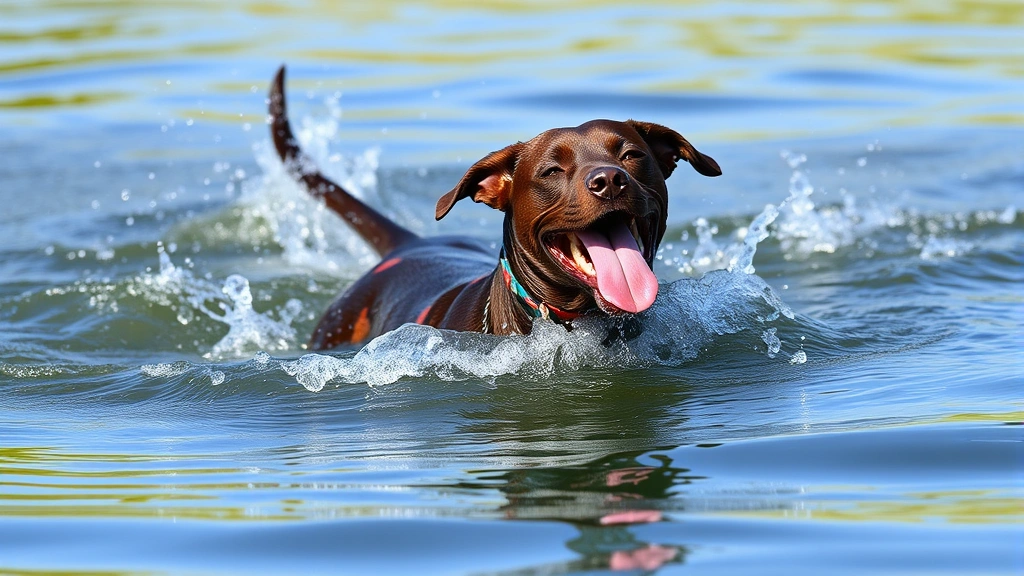
- Swimming (Labs and many pit bulls love water)
- Fetch and retrieval games
- Agility training
- Hiking
- Dock diving or water sports
- Structured play with other dogs in a secure area
Mental exercise matters just as much. Training sessions, puzzle toys, scent work, and games like “find it” tire the brain. A 20-minute training session can be more exhausting for a dog than a 40-minute walk.
Regarding nutrition: a lab dog mix with pitbull needs high-quality protein (25-30% for adults) to support muscle. Feed measured portions—most of these dogs are prone to obesity. Ground turkey and other lean proteins are excellent options, but whole-food diet should be balanced with appropriate carbs and fats.
Most vets recommend feeding twice daily rather than once, which also reduces bloat risk. Avoid feeding right before or after intense exercise. PetMD has excellent resources on dog nutrition if you want to dive deeper.
Best Living Situations for Lab-Pit Mixes
A lab dog mix with pitbull can thrive in various living situations, but some are definitely better than others.
Best scenario: A home with a securely fenced yard, an active owner or family, and space for the dog to move around. The dog should live indoors with the family (not chained outside), have regular exercise opportunities, and be included in daily activities.
Apartment living: Possible, but challenging. Your lab dog mix with pitbull can adapt to an apartment if you commit to 60+ minutes of daily exercise and mental stimulation. But it’s not ideal for a dog this size and energy level. You’ll need nearby parks, access to open spaces, and the ability to exercise multiple times daily.
Multi-pet households: Can work beautifully if the dog is socialized early and well-trained. Many lab-pit mixes do great with other dogs and cats. But supervision is necessary, especially during play, because their strength can accidentally injure smaller animals.
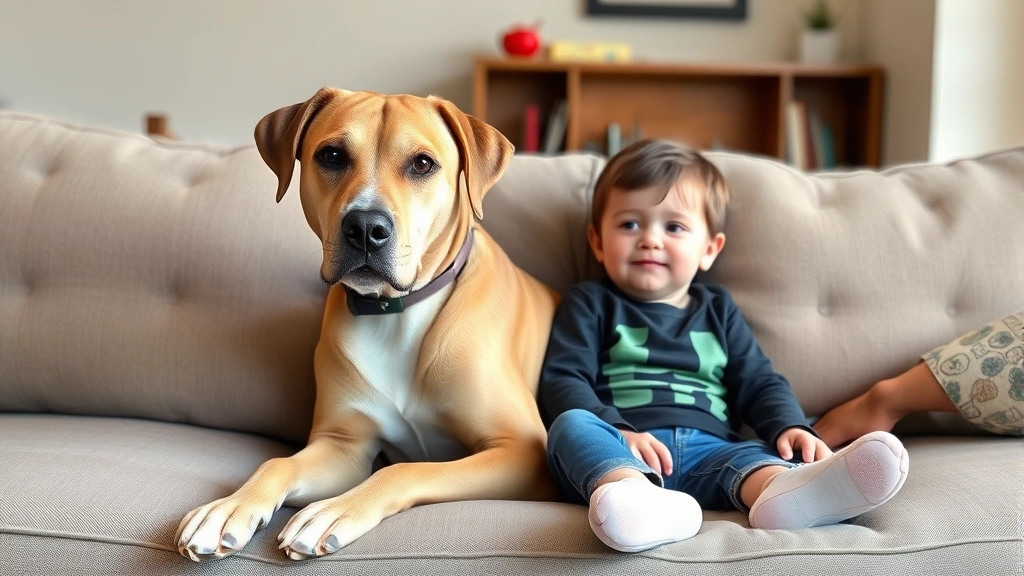
Families with kids: Lab-pit mixes often make wonderful family dogs. They’re patient and playful. However, they’re strong and enthusiastic, so they’re better suited to families with kids old enough to understand dog body language and not to tease. A 70-pound dog jumping in excitement can knock over a toddler.
Worst scenario: Chained or penned outside without regular human interaction, left alone for 8+ hours daily, or in a home where the owner isn’t committed to training and exercise. This creates a frustrated, possibly aggressive dog—and that’s not the dog’s fault.
Adoption vs. Breeding: Where to Find One
If you’re set on a lab dog mix with pitbull, you have two main paths: adoption or reputable breeding.
Adoption: Many lab-pit mixes end up in shelters and rescues, often through no fault of their own. Previous owners underestimated the exercise needs, faced housing restrictions, or had life changes. Adopting an adult dog (1-3 years old) can be amazing—the personality is already established, and you skip the puppy chaos. Shelters and breed-specific rescues can tell you about the dog’s history, energy level, and compatibility with kids and other pets.
Reputable breeders: If you go this route, do serious vetting. A responsible breeder of a lab dog mix with pitbull will:
- Health test both parents (OFA certifications for hips/elbows, cardiac exams)
- Have a contract that includes a return clause if things don’t work out
- Be available to answer questions throughout the dog’s life
- Not breed dogs with aggressive temperaments
- Raise puppies in a home environment with socialization
- Charge a reasonable price (usually $500-1500, not $3000+)
Avoid backyard breeders, puppy mills, and anyone breeding for fighting or aggression. These dogs end up in shelters, training facilities, or worse.
Cost of ownership for a lab dog mix with pitbull: expect $1500-2500 annually for food, routine vet care, and supplies. Emergency vet care, training classes, and behavioral support can add significantly to that.
Frequently Asked Questions
Are lab dog mixes with pitbulls aggressive?
– No, not inherently. Aggression is learned or driven by fear, poor socialization, or abuse. A well-bred, properly socialized lab dog mix with pitbull is no more aggressive than any other dog. However, they’re strong and have prey drive, so they require responsible ownership. The pit bull’s history in fighting rings has created unfair stigma, but genetics for aggression is not a pit bull trait—poor breeding and training is the problem.
Can a lab dog mix with pitbull live with other dogs?
– Yes, usually. Most lab-pit mixes are social with other dogs, especially if socialized young. However, some individuals have same-sex aggression or prey drive toward small dogs. Meet the specific dog before adopting, and introduce slowly to existing pets. Supervised play is essential until you’re confident in the relationship.
How much do lab dog mixes with pitbulls cost?
– Adoption from a shelter or rescue: $50-300. Reputable breeder: $800-1500. Backyard breeder: $500-2000 (not recommended). Annual care: $1500-2500. Training classes: $150-500. Emergency vet care: unpredictable but plan for $1000-5000 annually in a fund.
Do they shed a lot?
– Yes. Both Labs and pit bulls shed year-round. Expect hair on your clothes, furniture, and car. A good vacuum, regular brushing (2-3 times weekly), and an undercoat rake during shedding season help. No, you can’t “fix” the shedding—it’s genetic.
What’s the best way to train a lab dog mix with pitbull?
– Positive reinforcement (treats, praise, toys) works best. These dogs are food-motivated and eager to please. Start early with a professional trainer if possible. If behavior problems emerge, address them immediately with a certified trainer—don’t wait, hoping they’ll grow out of it.
Are lab dog mixes with pitbulls good for first-time dog owners?
– Honestly? Only if you’re willing to invest serious time and money into training and exercise. These dogs are not forgiving of neglect or inconsistency. If you’re a first-time owner, consider starting with a slightly lower-energy breed, or commit to working with a professional trainer from day one.
How long do lab dog mixes with pitbulls live?
– Typically 10-15 years with good care. Some live longer. Obesity, lack of exercise, and untreated health conditions shorten lifespan. Quality nutrition, regular exercise, and preventive vet care extend it.
Can I leave a lab dog mix with pitbull alone during the day?
– Not for 8+ hours regularly. These are social dogs that develop separation anxiety and destructive behaviors when left alone too long. Dogs can typically hold their bladder 4-6 hours, but more importantly, they need mental and physical engagement throughout the day. If you work full-time, consider a dog walker, doggy daycare, or a different breed.
Do they need special insurance or legal considerations?
– Some homeowner’s insurance policies restrict pit bull-type dogs. Check your policy before getting a lab dog mix with pitbull. Some cities have breed-specific legislation or restrictions. Know your local laws. Responsible ownership and liability insurance are smart regardless.
What’s the difference between a lab-pit mix and a full pit bull?
– A lab dog mix with pitbull typically has more of the Labrador’s retrieving drive and friendliness, balanced against the pit bull’s intensity and loyalty. The mix often creates a dog that’s slightly more biddable than a full pit bull, though individual variation is huge. You’re not guaranteed anything—you get whatever combination of traits the dog inherited.





