

If you’ve ever heard “your dog needs a lepto vaccine” and wondered what that actually means, you’re not alone. Leptospirosis is one of those diseases that doesn’t get as much attention as rabies or distemper, but it’s genuinely serious—and increasingly common in dogs across North America. The lepto vaccine for dogs is your best defense against a bacterial infection that can cause kidney failure, liver damage, and in worst cases, death.
Here’s the real talk: leptospirosis is zoonotic, meaning your dog can pass it to you. That alone should tell you why vets push this vaccine so hard. In this guide, I’ll walk you through what leptospirosis actually is, why the lepto vaccine for dogs matters, when your pup needs it, and what side effects you should watch for.
What Is Leptospirosis in Dogs?
Leptospirosis is a bacterial infection caused by spirochetes in the genus Leptospira. Your dog catches it by ingesting contaminated water, soil, or urine from infected animals—usually wildlife like raccoons, rats, or opossums. Think of it like this: if your dog drinks from a pond where a rat with lepto peed, or rolls in mud contaminated with infected urine, they can get sick.
The bacteria attack the kidneys and liver, causing inflammation and organ damage. Early signs include fever, vomiting, lethargy, and loss of appetite. As it progresses, you might see jaundice (yellowing of the gums and eyes), dark urine, or abdominal pain. Some dogs show no symptoms at all until the damage is severe—which is why prevention through the lepto vaccine for dogs is so critical.
According to the American Kennel Club, leptospirosis cases in dogs have been rising steadily, especially in urban and suburban areas. The disease is treatable with antibiotics if caught early, but treatment is expensive and doesn’t always prevent permanent organ damage.
Why Your Dog Needs the Lepto Vaccine
Here’s why vets don’t mess around with this one: leptospirosis can kill your dog. It’s not guaranteed, but the risk is real. A dog with severe leptospirosis can develop acute kidney injury or liver failure within days. Even if your dog survives, they might have chronic kidney disease for the rest of their life.
Beyond your dog’s health, there’s the human factor. You can get leptospirosis from your dog’s urine, infected water, or soil. It’s rare in vaccinated, well-cared-for dogs, but it happens. If your dog is unvaccinated and gets lepto, you’re at risk too. That’s not fearmongering—that’s just biology.
The lepto vaccine for dogs is highly effective. Studies show it prevents infection in 80-90% of vaccinated dogs. Even if a vaccinated dog does contract lepto, the infection is usually milder and more treatable. Think of it like health insurance: you hope you never need it, but you’re glad you have it.
Another reason: the vaccine is part of standard preventive care. If your dog ever needs boarding, daycare, or veterinary surgery, they’ll ask about lepto vaccination status. Being unvaccinated can limit your options and raise questions about your dog’s overall health care.
When and How Often to Vaccinate
Puppies typically start the lepto vaccine for dogs series at 6-8 weeks of age, then get boosters at 10-12 weeks and 14-16 weeks. After that initial series, most dogs need a booster at one year, then every 1-3 years depending on the vaccine brand and your dog’s lifestyle.
Here’s where it gets a bit confusing: different vaccines have different durations. Some provide immunity for one year, others for three. Your vet will recommend based on the specific product they use and your dog’s risk factors. If your dog spends a lot of time outdoors or near water, annual boosters make sense. If your pup is mostly indoors, you might stretch it to every three years.
Adult dogs who’ve never been vaccinated should get two doses, 2-4 weeks apart, then a booster at one year. It’s not too late to start—any dog can benefit from the lepto vaccine for dogs at any age.
The timing matters. Don’t vaccinate a sick dog. If your dog recently had another vaccine, wait 2-4 weeks before the lepto shot. And always mention to your vet if your dog has had vaccine reactions in the past.
Types of Lepto Vaccines for Dogs
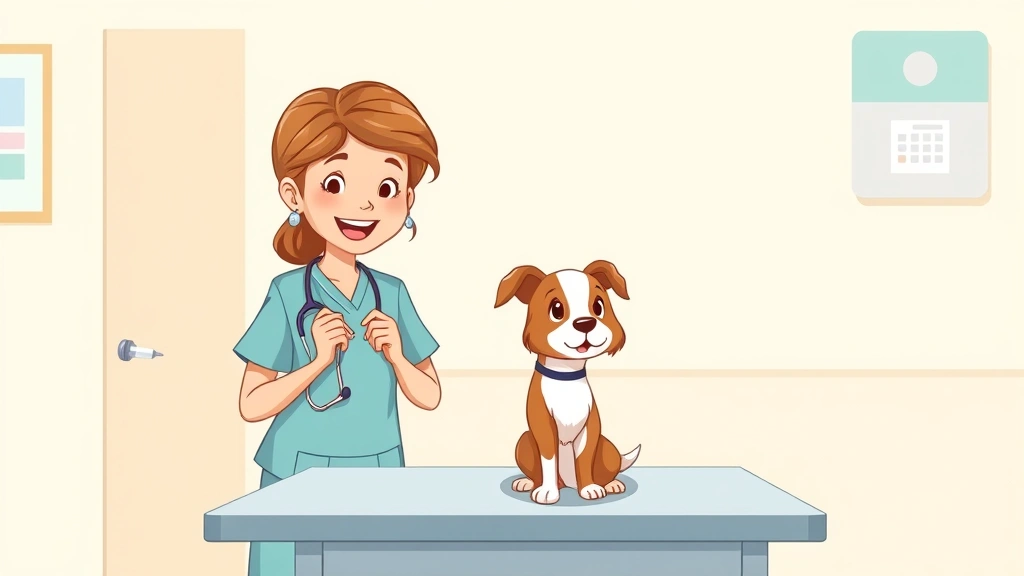
There are two main categories: monovalent vaccines (lepto only) and combination vaccines (lepto plus other diseases like DHPP—distemper, hepatitis, parvovirus, and parainfluenza).
Most vets use combination vaccines because they’re convenient and reduce the number of injections your dog needs. The downside? If your dog reacts badly, you won’t know which component caused it. Monovalent lepto vaccines are available if your vet thinks your dog needs the lepto vaccine for dogs without the other components, though this is less common.
There are also different serovars (strains) of leptospirosis. Modern vaccines typically cover 2-4 serovars, including Icterohaemorrhagiae, Canicola, Pomona, and Grippotyphosa. The more serovars covered, the broader your dog’s protection. Older vaccines covered fewer strains, which is one reason why older vaccination records might not provide adequate protection today.
According to PetMD, choosing the right vaccine depends on your geographic location and your dog’s exposure risk. Your vet can advise which vaccine makes the most sense for your situation.
Side Effects and Safety Concerns
Let’s be honest: the lepto vaccine for dogs has a reputation for causing side effects more often than other vaccines. It’s not a reason to skip it, but it’s important to know what to watch for.
Common mild side effects include:
- Soreness or swelling at the injection site
- Low-grade fever
- Lethargy or mild tiredness for 24-48 hours
- Decreased appetite
- Mild vomiting or diarrhea
These usually resolve within a day or two. Give your dog some rest, make sure they have water, and call your vet if symptoms persist.
Serious side effects are rare but possible. Anaphylaxis (severe allergic reaction) can happen within minutes of injection—you’ll see difficulty breathing, collapse, or severe swelling of the face. This is an emergency. Myositis (muscle inflammation) is another rare reaction that causes limping or stiffness 1-2 weeks post-vaccination.
Pro Tip: Stay at the vet’s office for 15 minutes after your dog gets the lepto vaccine for dogs. If a serious reaction happens, you’re already where you need to be. Ask your vet about giving your dog a dose of antihistamine (like Benadryl) 30 minutes before vaccination if your dog has had mild reactions before.
Some people worry about vaccine-induced autoimmune disease, but the science doesn’t support a strong link. The risk of actual leptospirosis is far higher than the risk of vaccine complications.
If your dog has had a severe reaction to any vaccine, tell your vet before the next lepto shot. They might recommend pre-medicating with antihistamines or spacing vaccines further apart. Some dogs genuinely can’t tolerate the vaccine—in those rare cases, your vet will help you weigh the risks.
Cost and What to Expect
The lepto vaccine for dogs is typically bundled into a combination vaccine, so you won’t see a separate line item. The cost varies widely depending on where you live and your vet’s pricing, but expect to pay $50-$150 for a puppy vaccination series or $30-$75 per booster.
If you’re concerned about cost, check out our guide on how much dog vaccines cost. There are often ways to reduce expenses, like low-cost clinics or bundled wellness packages.
Don’t let cost tempt you to skip the lepto vaccine for dogs. Treatment for actual leptospirosis costs $500-$2,000+, and that’s if your dog survives without permanent damage. The vaccine is cheap insurance.
Who Needs It Most?
Technically, every dog can benefit from the lepto vaccine for dogs. But some are at higher risk:
- Dogs with outdoor access: Especially those near water, ponds, or areas with wildlife
- Hunting and sporting dogs: These pups are in contact with potentially infected water and animals
- Dogs in urban areas: Rats carrying lepto are everywhere in cities
- Dogs with access to shared water sources: Communal water bowls at parks or dog-friendly patios
- Dogs in warm, wet climates: Leptospirosis thrives in moisture; it’s more common in humid regions
Even if your dog is mostly indoors, they can still get lepto. A contaminated puddle in your yard, a stray rat in your garage, or a trip to the vet’s office exposes them to risk. The lepto vaccine for dogs is one of those vaccines that makes sense for nearly every dog.
If you’re unsure whether your dog needs it, ask your vet. They know your local disease prevalence and your dog’s lifestyle.
Frequently Asked Questions
Can my dog get leptospirosis even if vaccinated?
– Yes, but it’s rare and usually milder. The vaccine is about 80-90% effective, which is excellent but not 100%. Vaccinated dogs who do get lepto typically have better outcomes because their immune system is primed to fight the infection.
Is the lepto vaccine really necessary?
– For most dogs, yes. The disease is serious, increasingly common, and the vaccine is safe and effective. Your vet will tell you if your dog is an exception (like elderly dogs with health issues or those with previous vaccine reactions).
How long does lepto vaccine immunity last?
– Depends on the vaccine. Some last one year, others three. Check your vaccination records or ask your vet. Most vets recommend annual or biennial boosters to be safe.
Can humans get leptospirosis from vaccinated dogs?
– Extremely unlikely. Vaccinated dogs don’t shed the bacteria in their urine. Even if they did, the risk is minimal with normal hygiene practices.
My dog had a reaction to a vaccine before. Should we still do the lepto vaccine?
– Talk to your vet. Depending on the type of reaction, you might premedicate with antihistamines, use a monovalent vaccine, or space doses further apart. Skipping it entirely is usually not recommended unless your vet says otherwise.
What if my dog is already sick? Can they get the lepto vaccine?
– No. Wait until your dog has recovered. A sick immune system won’t mount a good response to the vaccine, and there’s a higher risk of side effects. Reschedule for when your dog is healthy.
Does the lepto vaccine prevent all types of leptospirosis?
– Most modern vaccines cover 2-4 serovars, which account for the vast majority of infections. There are other serovars out there, but they’re rare. Your vet can tell you which serovars are most common in your area.
Is it okay to get the lepto vaccine and other vaccines on the same day?
– Yes, it’s standard practice. However, if your dog has had vaccine reactions before, your vet might space them out. Always mention your dog’s vaccine history.
—
Bottom Line: The lepto vaccine for dogs is a smart, evidence-based decision for protecting your pup. Yes, it can cause side effects more often than some other vaccines, but leptospirosis itself is far more dangerous. Talk to your vet about your dog’s individual risk factors, but for most dogs, the benefits far outweigh the risks. Your dog’s kidneys will thank you.
If you’re managing other health concerns alongside vaccination, check out our articles on whether dogs can get colds and how to know if your dog has worms. Keeping up with preventive care—vaccines, parasite prevention, and regular vet visits—is how you keep your dog healthy long-term.
For more information on infectious diseases in dogs, check out the American Animal Hospital Association and CDC guidance on leptospirosis. Your vet is always your best resource for questions specific to your dog.





