

If you’ve got goats, sheep, chickens, or other livestock, you’ve probably lost sleep wondering if they’re safe at night. Predators don’t take vacations, and fences only do so much. That’s where livestock guardian dogs come in—and yes, they’re absolutely adorable despite their serious job description.
Livestock guardian dogs are large, protective breeds specifically developed over centuries to live with farm animals and defend them from wolves, coyotes, bears, and other threats. Unlike herding dogs that move animals around, livestock guardian dogs stay put, bond deeply with their herd, and make independent decisions about when to act. They’re not aggressive by nature; they’re just incredibly dedicated to their job. Think of them as the quiet, responsible roommate who never leaves—except they weigh 100+ pounds and have a protective streak a mile wide.
This guide covers everything you need to know about livestock guardian dogs, from picking the right breed to training, health, and whether one is actually right for your operation.
What Are Livestock Guardian Dogs?
Livestock guardian dogs are a completely different animal (pun intended) from your typical family pet. These breeds were developed in mountainous regions across Europe, Asia, and the Middle East—places where sheep and goats needed round-the-clock protection from large predators. We’re talking thousands of years of selective breeding for one specific trait: the ability to live independently with livestock and protect them without human guidance.
The key difference between livestock guardian dogs and herding dogs is philosophy. A Border Collie will gather your sheep and move them where you want. A Great Pyrenees will live in the pasture, bond with the sheep, and tell predators to back off. They make their own calls about threats, which means they’re not always obedient in the traditional sense—but that’s actually the point.
According to the American Kennel Club, most livestock guardian dogs share these characteristics:
- Large, muscular build (typically 80-150 pounds)
- Independent decision-making ability
- Strong bonding instinct with their herd
- Calm, confident temperament
- Nocturnal or crepuscular activity patterns (active at dawn/dusk when predators hunt)
- Thick, weather-resistant coats
- Protective but not aggressive toward their own animals
Here’s the real talk: these dogs are NOT pets first. They’re working animals. If you want a cuddly companion who listens perfectly and comes when called, a livestock guardian dog might frustrate you. If you want a dog who’ll live outside, think independently, and take their job seriously, you’ve found your match.
Popular Livestock Guardian Dog Breeds
Not all large dogs are livestock guardian dogs. The breeds that fall into this category have specific histories and temperaments. Here are the most common ones:
Great Pyrenees (Pyrenean Mountain Dog)
The poster child for livestock guardian dogs. These massive, white-coated dogs were developed in the Pyrenees Mountains between France and Spain. They typically weigh 100-160 pounds and have an almost regal presence. Great Pyrenees are incredibly calm, patient with their herd, and absolutely fearless when predators show up. They’re also stubborn as all get-out, which means training requires patience and consistency.
Anatolian Shepherd
Originally from Turkey, Anatolian Shepherds are lean, muscular, and lightning-fast. They weigh 80-150 pounds and were bred to protect livestock from large predators like wolves and bears. Unlike the laid-back Great Pyrenees, Anatolians are more active and alert. They bond intensely with their herd but can be territorial with unfamiliar dogs and people. Not the best choice if you have frequent visitors.
Livestock Guardian Dog Mixes
Many farmers use crosses between guardian breeds or mixes of guardian and herding lines. These can be incredibly effective and sometimes more adaptable than purebreds. However, mixed-breed livestock guardian dogs can be unpredictable, so you need to know the individual dog’s temperament and history.
Maremma Sheepdog
An Italian breed that’s similar to the Great Pyrenees but typically smaller (65-100 pounds). Maremmas are slightly more active and alert than Pyrenees, making them excellent for smaller operations or more diverse predator threats.
Komondor
The “mop dog” with a unique corded coat. Komondors are Hungarian livestock guardian dogs weighing 80-130 pounds. Their distinctive coat provides protection from bites and weather. They’re independent, intelligent, and require significant grooming commitment. Not ideal for first-time guardian dog owners.
For detailed breed information, the AKC breed database has comprehensive profiles on most guardian breeds.
How Livestock Guardian Dogs Actually Work
Understanding how livestock guardian dogs operate is crucial to setting realistic expectations. This isn’t a dog that runs patrols or chases predators away. It’s more nuanced than that.
The Bond First
A livestock guardian dog starts by bonding with their herd. When introduced as puppies, they see the sheep, goats, or chickens as their family. This isn’t trained behavior—it’s instinctual. The dog literally thinks “these are my people, and I protect what’s mine.” This bond is so strong that a guardian dog will often refuse to leave their herd, even when called.
Presence and Deterrence
Most predators don’t want confrontation. A large, confident dog living with livestock is often enough to make coyotes, foxes, and even some bears think twice. Livestock guardian dogs use their size and presence as the first line of defense. They’ll bark at unfamiliar animals, position themselves between predators and the herd, and make it clear that this is their territory.
Active Defense When Needed
If a predator actually attacks, a livestock guardian dog will fight to protect their herd. They’re not trained to do this—it’s instinct. However, they’re also not indiscriminate fighters. A well-socialized guardian dog won’t attack a neighbor’s dog or person without provocation. They understand nuance in ways that surprise people.
Night Work
Many livestock guardian dogs are most active at night, which is when most predator attacks happen. They’ll stay alert while your animals sleep, positioned strategically around the pasture. During the day, they often rest—which can make owners think they’re lazy. Nope. They’re just working the night shift.
Training and Socialization
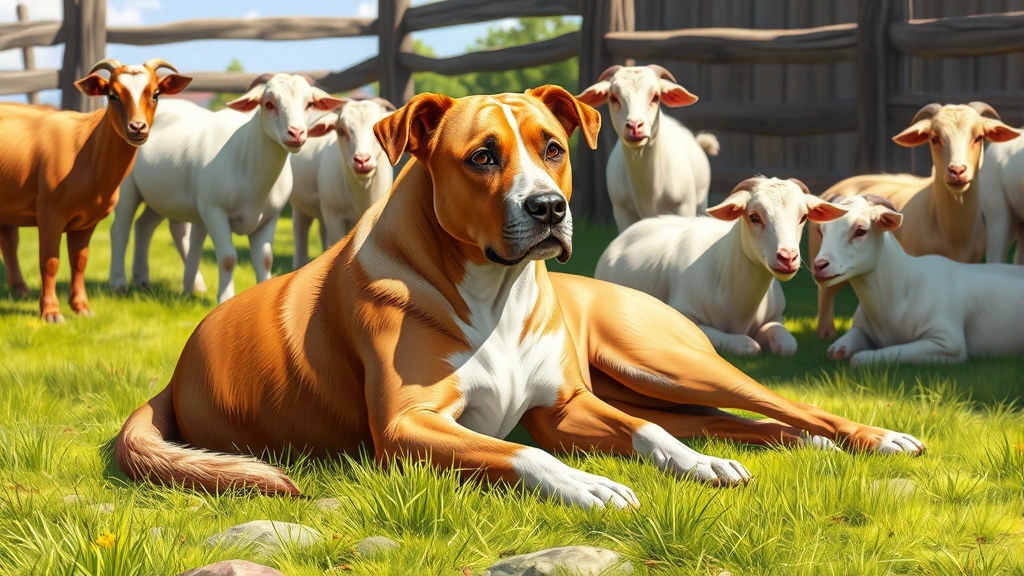
Training a livestock guardian dog is fundamentally different from training a retriever or even a herding dog. These dogs aren’t motivated by the same things. Food rewards? Nice, but not life-changing. Praise? Appreciated, but they’re not desperate for it. They’re motivated by their job and their bond with their herd.
Early Socialization is Non-Negotiable
Start socializing your livestock guardian dog puppy early. Expose them to different people, environments, sounds, and situations—while keeping them safe. A well-socialized guardian dog is less likely to be reactive or overly aggressive toward non-threats. This doesn’t mean they’ll be friendly to everyone, but they’ll be discerning.
Introduction to Livestock
Ideally, introduce your livestock guardian dog to livestock as a young puppy (8-16 weeks). The younger, the better. Place the puppy in a safe enclosure with calm, adult livestock. Let them bond naturally. Avoid forcing interactions. The dog should see the animals as companions, not prey or toys.
Obedience Training: Keep It Simple
Unlike herding dogs, livestock guardian dogs don’t need extensive obedience training. However, basic commands are helpful for safety:
- “Come” – useful for emergencies or vet visits
- “Leave it” – prevents eating dead animals or other hazards
- “Down” – calms the dog in stressful situations
- “Stay” – useful for containment when needed
Train using positive reinforcement and consistency. These dogs respond poorly to harsh corrections or punishment-based methods. They’ll shut down or become more stubborn.
Expect Independence
Your livestock guardian dog will make independent decisions. They might ignore your recall command if they’re focused on a potential threat. This isn’t disobedience—it’s their job taking priority. Accept it, plan for it, and don’t take it personally.
Health Care and Nutrition
Large breeds come with specific health considerations. Livestock guardian dogs are no exception. Working dogs in outdoor environments also face unique challenges.
Common Health Issues
According to PetMD, large guardian breeds are prone to:
- Hip and elbow dysplasia – degenerative joint disease common in large dogs
- Bloat (gastric dilatation-volvulus) – life-threatening emergency requiring immediate surgery
- Bone and joint problems – from the physical demands of their work
- Eye issues – including cataracts and progressive retinal atrophy
- Heart disease – dilated cardiomyopathy in some lines
Buy from reputable breeders who health-test their breeding stock. Ask for OFA (Orthopedic Foundation for Animals) certifications for hips and elbows.
Nutrition for Working Dogs
Livestock guardian dogs need high-quality, protein-rich food. They’re working animals, not couch potatoes. A dog living outside and working year-round has different caloric needs than a pet living indoors. Here’s what to consider:
- Protein: 25-30% for active dogs
- Fat: 15-20% for energy and coat health
- Calories: Adjust based on activity level, weather, and individual metabolism
- Feeding schedule: Once or twice daily, depending on the dog and your preference
Some working dogs thrive on raw or whole-prey diets, while others do fine on high-quality kibble. The key is watching your dog’s body condition and adjusting accordingly. A livestock guardian dog should be lean and muscular, not overweight.
Parasite Prevention
Working dogs in outdoor environments are exposed to more parasites. Implement a year-round parasite prevention program:
- Monthly flea and tick prevention
- Quarterly or semi-annual deworming
- Regular heartworm testing
- Tick checks after time in wooded areas
Talk to your vet about the best products for your region and your dog’s lifestyle.
Vaccinations and Preventive Care
Keep your livestock guardian dog current on vaccinations, especially rabies. Working dogs in rural areas may also benefit from Lyme disease vaccination if you’re in an endemic area. Annual vet checkups are important for catching issues early.
Living Conditions and Space Requirements
Livestock guardian dogs are not apartment dogs. They need space, and they need to be with their livestock. Here’s what a proper setup looks like:
Pasture and Fencing
Your livestock guardian dog should live with their herd. This means they need access to the same pasture or paddock. Fencing should be secure enough to keep livestock in and most predators out, but the dog is really the secondary barrier. Fencing standards depend on your livestock:
- For sheep and goats: 4-5 feet high, with predator-proof fencing (buried at least 12 inches or bent outward)
- For poultry: Covered runs with 1/4-inch hardware cloth
- For mixed herds: Adjust based on the most vulnerable animals
Shelter
Provide a shelter where your livestock guardian dog can escape harsh weather. This could be a three-sided shed, a dog house with good insulation, or access to a barn. The shelter should be large enough for the dog to lie down comfortably and positioned to allow the dog to monitor the pasture.
Water and Food
Fresh water must be available 24/7. Many farmers use automatic waterers or multiple water stations to ensure the dog always has access. Feed your livestock guardian dog in the pasture or near it, so they don’t need to leave their post for meals.
Space Requirements
There’s no magic number, but most livestock guardian dogs need at least 1-2 acres to be effective. Smaller properties might work with smaller guardian breeds or multiple dogs working together. The key is that the dog has enough space to patrol and position themselves strategically.
Isolation from Other Dogs
Many livestock guardian dogs are territorial and don’t play well with other dogs, especially unfamiliar ones. If you have multiple guardians, they typically need to be raised together from puppyhood. Keep your livestock guardian dog separate from neighbor dogs to avoid conflicts.
Real Talk: The Cost Factor
Let’s be honest: livestock guardian dogs are an investment. Here’s what you’re actually looking at:
Initial Purchase
A quality livestock guardian dog puppy from a reputable breeder costs $500-$1,500. Some breeders charge more, especially if the pup comes from health-tested lines. Rescue livestock guardian dogs can be cheaper but come with unknown histories.
Veterinary Care
First-year costs include vaccinations, deworming, microchipping, and a spay/neuter (if you’re not keeping the dog for breeding). Budget $500-$1,000 for the first year. Ongoing annual care runs $200-$400, more if health issues arise. Emergency surgery for bloat? $2,000-$5,000. It happens.
Food
A 100-pound working dog eating high-quality food costs roughly $50-$100 per month, depending on your region and the brand. That’s $600-$1,200 annually. Some farmers feed cheaper kibble or supplement with whole prey, which can reduce costs.
Infrastructure
Proper fencing, shelter, and water systems require upfront investment. Budget $1,000-$5,000+ depending on the size of your operation and existing infrastructure.
Loss Prevention
The point of a livestock guardian dog is to prevent losses. A single sheep killed by a predator costs $100-$300. Losing multiple animals annually could cost thousands. A livestock guardian dog pays for itself if it prevents even a few losses per year. The math usually works out.
Bottom line: If you’re counting pennies, a livestock guardian dog might not be the right choice. If you’re serious about protecting your livestock and can commit to the investment, these dogs deliver real value.
Frequently Asked Questions
Can livestock guardian dogs live with other pets?
– It depends. Livestock guardian dogs raised with other animals from puppyhood often coexist peacefully. However, many are territorial and may not tolerate unfamiliar dogs or cats. Introduce any new animals carefully and supervise interactions. Never assume a guardian dog will accept a new pet—their protective instinct can override friendliness.
Do livestock guardian dogs need to be trained like herding dogs?
– No. Livestock guardian dogs work independently and don’t respond to commands the way herding dogs do. Basic obedience is useful, but extensive training isn’t necessary or even effective. These dogs are motivated by their job and their bond with their herd, not by pleasing their handler.
How long do livestock guardian dogs live?
– Most livestock guardian dogs live 10-14 years, similar to other large breeds. Some live longer with good genetics and care. Anatolian Shepherds sometimes reach 15+ years. If you’re curious about specific breeds, check our guide on how old do Pomeranian dogs live for breed-specific lifespan information, though guardian breeds have different longevity patterns.
Will a livestock guardian dog protect my family?
– Possibly, but it’s not their primary function. Livestock guardian dogs are bonded to their herd, not necessarily to their human family. They may protect family members who are present with the livestock, but they’re not trained guard dogs. If home protection is your main goal, consider a different breed.
Can I use a livestock guardian dog on a small property?
– It’s challenging but possible. A smaller property (less than 1 acre) might work with a smaller guardian breed like a Maremma, especially if you only have a few animals. However, the dog won’t be as effective as on a larger property. Consider your specific situation and predator threats.
What do I do if my livestock guardian dog gets injured?
– Treat any injury seriously. Have a vet examine the dog promptly, especially if there’s bleeding, limping, or behavioral changes. For minor wounds, clean with soap and water, apply antibiotic ointment, and monitor for infection. For serious injuries, emergency vet care is necessary. Keep your dog’s rabies vaccination current in case of wildlife contact.
Are livestock guardian dogs aggressive?
– Livestock guardian dogs are protective, not inherently aggressive. A well-socialized guardian dog is calm and discerning. They distinguish between threats and non-threats. However, they will defend their herd aggressively if needed. Territorial behavior toward unfamiliar dogs is common. Proper socialization and management minimize aggression issues.
Can I use a livestock guardian dog if I have children?
– Yes, but with caveats. Livestock guardian dogs are generally gentle with children in their family, especially if raised with them. However, they’re large, powerful dogs that can accidentally knock over small children. Supervise interactions and teach children to respect the dog’s space. These aren’t typical “family dogs,” so expectations matter.
What if my livestock guardian dog won’t come when called?
– This is normal. Livestock guardian dogs prioritize their herd over recall commands. If you need your dog to come, practice recall training with high-value rewards, but accept that in a real situation (like a predator threat), the dog may ignore you. Plan your property and routines accordingly. Use secure fencing and don’t rely on recall for containment.
Should I neuter or spay my livestock guardian dog?
– If you’re not breeding, yes. Spaying/neutering reduces territorial aggression, prevents unwanted litters, and has health benefits. For breeding dogs, work with a veterinarian and experienced breeder. Breeding livestock guardian dogs should prioritize health testing and genetic diversity.
Are livestock guardian dogs good with chickens and other poultry?
– Usually, yes. Livestock guardian dogs raised with poultry treat them as part of their herd. However, the dog’s prey drive and the poultry’s tendency to scatter can sometimes trigger a chase response. Introduce the dog to poultry early and supervise until you’re confident they coexist peacefully. Some dogs are better with poultry than others.
What’s the difference between a livestock guardian dog and a livestock herding dog?
– Herding dogs (Border Collies, Australian Shepherds) move and control livestock based on handler commands. Livestock guardian dogs live with livestock and protect them independently. Herding dogs are typically smaller, more obedient, and work at the handler’s direction. Guardian dogs are larger, more independent, and work based on instinct. Different jobs, different dogs.
Can I keep a livestock guardian dog if I don’t have livestock?
– Technically, yes, but it’s not ideal. Livestock guardian dogs are bred for a specific job. Keeping one without livestock is like buying a tractor and never using it. The dog may become bored, destructive, or develop behavioral issues. If you want a large, protective dog for your family without livestock, consider a different breed like a German Shepherd or Doberman.
Do livestock guardian dogs shed a lot?
– Yes. Most livestock guardian dogs have thick coats and shed heavily, especially during seasonal changes. Grooming helps manage shedding but won’t eliminate it. If shedding is a concern, this breed isn’t for you. For more on shedding in other breeds, check our article on do Pomeranian dogs shed for comparison.
What should I feed my livestock guardian dog?
– High-quality protein (25-30%), appropriate fat levels (15-20%), and balanced nutrition. Options include premium kibble, raw diets, or whole-prey feeding. Some farmers supplement with livestock byproducts. The key is meeting caloric and nutritional needs for an active working dog. Consult your vet about the best option for your situation. For general dietary guidance, see our resource on can dogs eat fruits and vegetables list.
Are there any plants or foods toxic to livestock guardian dogs?
– Yes. Common toxins include chocolate, grapes, raisins, onions, garlic, and certain plants. Livestock guardian dogs living outdoors may encounter toxic plants like impatiens. For a comprehensive list, check our guide on are impatiens poisonous to dogs. Keep toxic substances away from your dog’s grazing area.
Can I give my livestock guardian dog pain relief like baby aspirin?
– Only under veterinary guidance. While some vets recommend aspirin for specific conditions, dosing for large dogs differs significantly from humans. Never give medication without consulting your vet. For more information on canine pain management, see our article on can dogs take baby aspirin.
How do I introduce a livestock guardian dog to an established herd?
– Start slowly. Place the dog in a secure pen within sight of the herd for several days. Allow the animals to become accustomed to each other’s presence. Gradually increase supervised contact. For adult dogs, this process may take weeks or months. Some dogs bond quickly; others take time. Patience is essential.
Final Thoughts
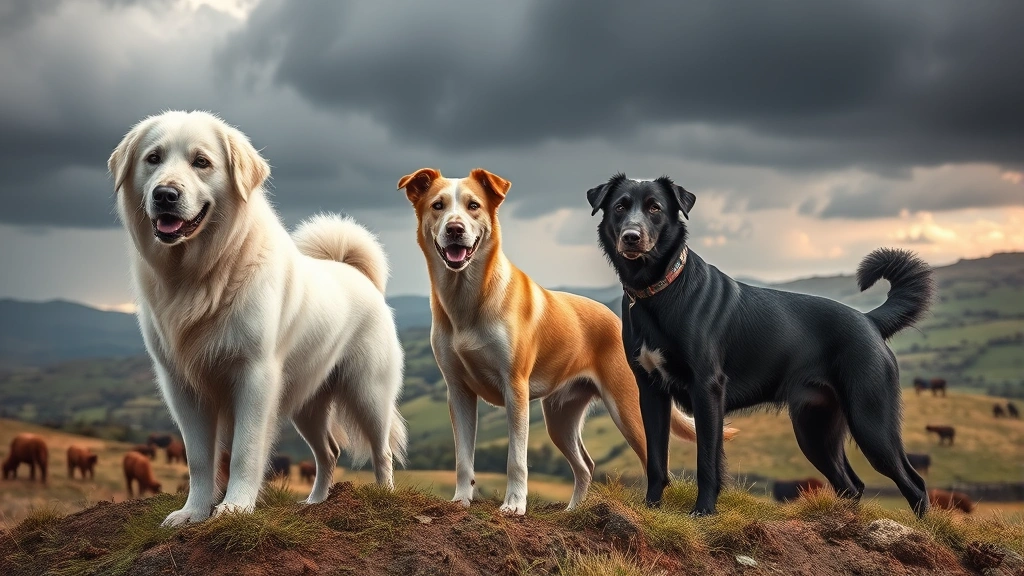
Livestock guardian dogs are extraordinary animals bred for a specific, important job. They’re not for everyone, but for the right farmer or homesteader, they’re invaluable. These dogs ask for space, independence, and respect—and they give back protection, loyalty, and peace of mind.
If you’re considering a livestock guardian dog, do your homework. Talk to breeders, visit working dogs, and honestly assess whether your operation and lifestyle fit. These dogs deserve to work, and you deserve a dog that actually does the job.
Pro Tip: Before buying a livestock guardian dog, spend time with working dogs in your area. Ask farmers about their experiences, challenges, and successes. Real-world insight beats any article.





