
Your dog is limping. Or maybe they’re not jumping on the couch anymore. Or they just seem… quieter. That gut punch you feel? That’s real. Dogs can’t tell us where it hurts, so we’re left guessing, worrying, and searching for answers at 2 AM. The good news: there are real, effective options for pain relief for dogs that can get your best friend moving and living again. Whether it’s arthritis, injury, post-surgery recovery, or chronic pain, understanding your options for pain relief for dogs means you can act fast and make informed decisions with your vet. Let’s talk about what actually works.
How to Recognize Pain in Dogs
Here’s the thing: dogs are stoic. They won’t complain like we do. They’ll just… adapt. They’ll stop doing the things that hurt. That’s why recognizing pain relief for dogs starts with noticing what’s changed.
Common signs your dog is in pain include:
- Limping, favoring one leg, or reluctance to put weight on a limb
- Difficulty standing up, especially after rest (that stiff morning walk)
- Reluctance to climb stairs, jump, or play fetch
- Whining, whimpering, or unusual vocalizations
- Excessive licking or chewing at one spot
- Changes in appetite or eating habits
- Restlessness, panting, or inability to settle
- Withdrawn behavior or hiding more than usual
- Irritability or snapping when touched in certain areas
- Changes in posture (hunched back, reluctance to move head)
The tricky part? Pain doesn’t always show up as obvious lameness. Sometimes it’s subtle: your 8-year-old Lab just doesn’t want to go on long walks anymore. Your terrier stopped jumping on the bed. Your senior dog sleeps more and seems less interested in life. These are all red flags that warrant a vet visit.
Pro Tip: Keep a simple log of behavioral changes. Write down when you first noticed the limp, what activities seem harder, and how your dog’s mood has shifted. This info is gold when you talk to your vet about pain relief for dogs.
According to the American Kennel Club, pain management in senior dogs is critical for quality of life, and early intervention makes a huge difference.
Medication Options for Pain Relief in Dogs
When your vet confirms your dog needs medication for pain relief for dogs, you’ll likely hear about NSAIDs, opioids, or other prescription drugs. Here’s what you’re actually looking at:
NSAIDs (Non-Steroidal Anti-Inflammatory Drugs)
These are the workhorses of pain relief for dogs. Common options include carprofen (Rimadyl), meloxicam (Metacam), and firocoxib (Previcox). They reduce inflammation and pain, which is why they’re first-line for arthritis, injuries, and post-surgery recovery.
The real talk: NSAIDs work well, but they can upset the stomach and, with long-term use, affect kidney or liver function. Your vet will likely recommend baseline bloodwork before starting them, and periodic checks while your dog is on them. It’s not a reason to panic—it’s just responsible medicine.
- Typical dosing: Once or twice daily, often with food
- Onset: Usually 30 minutes to 1 hour
- Cost: $20–$60/month depending on dog size and medication
- Best for: Acute injuries, arthritis, post-op pain
Opioids
For more severe pain, your vet might prescribe tramadol or stronger opioids. These are reserved for significant pain—think post-surgery, serious injury, or end-of-life comfort care. They work differently than NSAIDs and can be combined with them for better coverage.
Reality check: Opioids can cause drowsiness, constipation, and dependency with long-term use. They’re not a first choice, but they’re invaluable when your dog really needs them.
Gabapentin
This nerve pain medication is increasingly used for pain relief for dogs, especially for neuropathic pain or anxiety. It doesn’t reduce inflammation like NSAIDs, but it changes how the nervous system processes pain signals. Many vets combine it with NSAIDs for better results.
It’s generally well-tolerated and affordable ($10–$30/month), making it a popular choice for chronic pain management.
Injectable Medications
Adequan and Cartrophen are injectable supplements that may help with cartilage health and joint function. They’re not immediate pain relief like NSAIDs, but some dogs show improvement over weeks to months. They’re especially popular for arthritis in dogs.
Cost runs higher ($100–$300 per injection series), but some owners swear by them as part of a comprehensive pain relief for dogs plan.
Natural and Holistic Pain Relief for Dogs
Not every dog needs—or tolerates—prescription medications. Some owners prefer exploring natural options for pain relief for dogs. Here’s what the evidence actually supports:
Supplements: Joint Support
Glucosamine and chondroitin are the most studied supplements for pain relief for dogs. They may help slow cartilage breakdown and reduce inflammation in arthritic joints. Results vary, but many vets recommend them as a preventive or complementary approach, especially for large-breed dogs prone to hip dysplasia.
- Cost: $15–$40/month
- Timeline: Results take 4–8 weeks
- Safety: Very safe, few side effects
- Best for: Mild to moderate arthritis, preventive care
Omega-3 fatty acids (fish oil) also have anti-inflammatory properties and support joint health. A quality fish oil supplement can be part of a solid pain relief for dogs regimen.
CBD for Dogs
CBD is becoming popular for pain relief for dogs, and some research suggests it may help with pain and anxiety. However, the evidence is still emerging, and quality varies wildly across products. If you’re considering CBD, look for third-party tested products and talk to your vet about dosing.
Safety Warning: Not all CBD products are created equal. Some contain harmful contaminants or inaccurate labeling. Stick with reputable brands and always inform your vet if you’re giving CBD alongside other medications.
Herbal Options
Turmeric (curcumin) has anti-inflammatory properties and is sometimes recommended for pain relief for dogs. However, absorption is poor without black pepper (piperine), and dosing matters. Work with your vet before adding turmeric to avoid interactions with other medications.
Boswellia and devil’s claw are also used in some holistic pain relief for dogs formulas, though evidence is limited.
Topical Relief
If you’re wondering about topical options, you should know that applying Vaseline or other ointments to dogs has mixed results, and some products can be harmful if ingested. For localized pain or skin issues, talk to your vet about safe topical options specifically formulated for dogs.
Physical Therapy and Rehabilitation
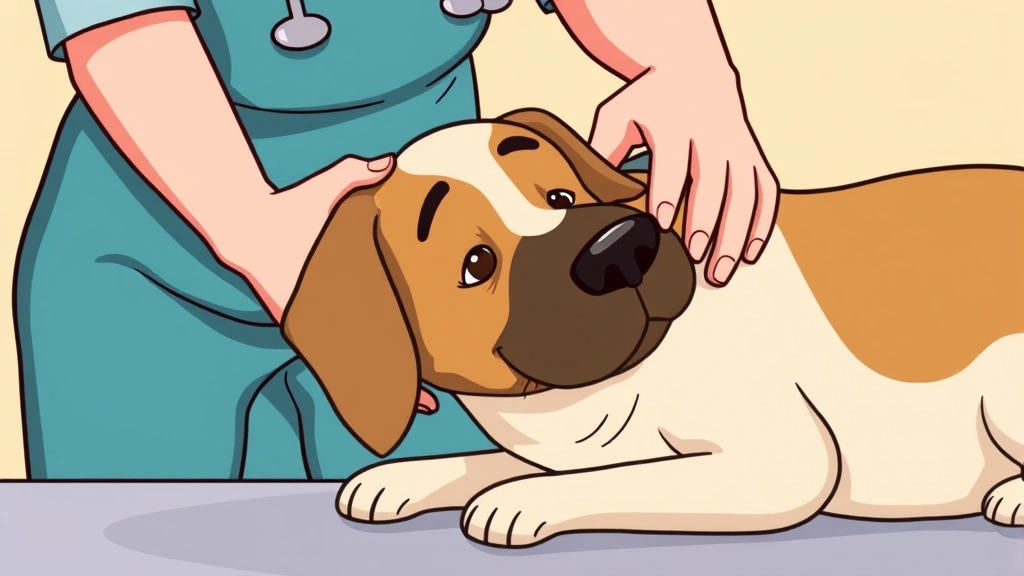
Here’s something many dog owners overlook: pain relief for dogs isn’t just about medication. Movement—the right kind—can be transformative.
Physical therapy and rehabilitation for dogs includes:
- Hydrotherapy: Swimming or underwater treadmills reduce joint stress while building strength. Dogs often love it, and it’s excellent for arthritis or post-op recovery.
- Therapeutic exercises: Specific movements designed to strengthen weak muscles and improve range of motion.
- Massage: Reduces muscle tension and improves circulation—feels good and helps with pain.
- Laser therapy: Some clinics use therapeutic lasers to reduce inflammation. Evidence is mixed but some dogs respond well.
- Acupuncture: An ancient practice gaining traction in veterinary medicine. It may help with certain types of pain, especially when combined with conventional pain relief for dogs approaches.
A certified canine rehabilitation therapist can design a program tailored to your dog’s specific condition. Yes, it costs more upfront ($50–$150 per session), but the long-term payoff in mobility and quality of life is real.
PetMD offers a guide to canine rehabilitation that explains how physical therapy complements pain management, and many vets now recommend it as standard care for arthritis and injury recovery.
Weight Management and Exercise
This is the unsexy truth about pain relief for dogs: weight matters. A lot.
Every extra pound puts stress on joints, especially in large breeds. A dog that’s just 10 pounds overweight experiences significantly more joint stress and pain. Weight loss alone can dramatically improve mobility and reduce the need for medication.
The practical approach:
- Talk to your vet about ideal weight for your dog’s breed and age
- Measure food carefully (many owners free-feed without realizing it)
- Use low-calorie treats: carrots, green beans, and plain pumpkin are dog favorites
- Increase activity gradually—short, frequent walks are better than sporadic long ones
- Consider a prescription diet if your vet recommends it; some are formulated to support joint health
For a dog with arthritis or joint pain, losing even 5–10% of body weight can improve pain scores and reduce medication needs. It’s not magic, but it’s one of the most powerful interventions for pain relief for dogs that costs almost nothing.
Managing Chronic Pain in Aging Dogs
Chronic pain in senior dogs requires a different mindset. You’re not trying to “cure” anything—you’re managing comfort and quality of life over months or years.
A multimodal approach works best for pain relief for dogs with chronic conditions:
- Combine medications: NSAIDs + gabapentin + supplements often work better than any single drug
- Adjust as needed: What works at age 8 might need tweaking at age 10. Regular vet check-ins matter
- Monitor quality of life: Ask yourself: Is my dog eating? Playing? Sleeping well? Showing interest in life? If the answer is yes, you’re on the right track
- Environmental modifications: Orthopedic beds, ramps instead of stairs, easy access to food and water—these small changes make a big difference
- Regular movement: Gentle daily walks, even 10–15 minutes, keep joints mobile and muscles strong
Some conditions require investigation. If you’re noticing unusual symptoms alongside pain—like lethargy or loss of appetite—conditions like Addison’s disease can present with vague pain-like symptoms, so comprehensive diagnostics matter.
Pro Tip: Keep a quality-of-life journal. Rate your dog’s pain, mobility, appetite, and happiness on a simple 1–10 scale weekly. This helps you and your vet track whether your pain relief for dogs strategy is working.
When to Call Your Vet
Not every limp needs emergency care, but some situations demand immediate attention. Call your vet right away if:
- Your dog is unable to bear weight on a limb
- There’s obvious swelling, heat, or deformity
- Your dog is in severe distress (panting heavily, whining constantly, unable to rest)
- There’s a wound, puncture, or bite
- Your dog is dragging their rear legs or showing signs of paralysis
- Pain is accompanied by vomiting, fever, or other systemic symptoms
- Your dog had a fall or trauma and now shows pain
For milder signs—subtle limping, occasional stiffness, decreased activity—schedule a regular appointment within a few days. Your vet can do a physical exam, possibly take X-rays, and recommend appropriate pain relief for dogs options.
If your dog is already on pain medication and it doesn’t seem to be working, don’t just accept it. Talk to your vet about adjusting dosage, switching medications, or adding complementary therapies. Finding the right pain relief for dogs sometimes takes trial and adjustment.
Frequently Asked Questions
Can I give my dog over-the-counter pain relievers like ibuprofen or aspirin?
– No. Never give your dog human NSAIDs like ibuprofen or naproxen without explicit vet approval. They can cause serious GI bleeding and kidney damage in dogs. Aspirin is sometimes recommended by vets at specific doses, but it’s not a DIY solution. Always use veterinary-prescribed medications for pain relief for dogs.
How long does it take for pain medication to work?
– Most NSAIDs start working within 30 minutes to 1 hour. Supplements like glucosamine take 4–8 weeks to show effects. Gabapentin may take 1–2 weeks to reach full effectiveness. If your dog isn’t improving after the expected timeframe, contact your vet about adjusting the dose or trying a different approach to pain relief for dogs.
Is it safe to give pain relief for dogs long-term?
– Yes, but with monitoring. NSAIDs are safe for long-term use when prescribed by a vet and when your dog gets regular bloodwork to check liver and kidney function. Other medications like gabapentin have fewer long-term concerns. Your vet will recommend appropriate monitoring intervals based on your dog’s age and health status.
What’s the difference between acute and chronic pain, and does it matter for treatment?
– Acute pain is sudden (like after surgery or an injury) and usually resolves within weeks. Chronic pain lasts longer and requires ongoing management. Treatment approaches differ: acute pain often needs stronger initial relief, while chronic pain benefits from a multimodal approach combining multiple therapies. Understanding which type your dog has helps guide pain relief for dogs strategy.
Can diet affect my dog’s pain?
– Absolutely. Weight gain worsens joint pain and arthritis. Some prescription diets are formulated to support joint health and reduce inflammation. Omega-3 fatty acids in quality dog foods or supplements have anti-inflammatory properties. Feeding the right diet is part of comprehensive pain relief for dogs management.
My dog had an injury. What should I do immediately for pain relief?
– First, limit movement (rest is critical). Apply ice for the first 24–48 hours if there’s swelling. Call your vet for guidance on pain relief for dogs before giving anything. Don’t assume the limp will go away on its own—early intervention prevents complications and speeds recovery. Your vet may recommend NSAIDs, restricted activity, or imaging to rule out fractures.
Are there any supplements or treatments I should avoid for pain relief for dogs?
– Yes. Avoid human pain medications, unregulated CBD products, and herbal remedies without vet approval. Some supplements interact with medications. Certain topical treatments like permethrin can be toxic to dogs, so always verify safety with your vet. When in doubt, ask.
How much does pain relief for dogs typically cost?
– It varies widely. Prescription NSAIDs run $20–$60/month. Supplements are $15–$40/month. Physical therapy sessions are $50–$150 each. Injections like Adequan can be $100–$300 per series. Emergency vet visits and diagnostics add up quickly. Talk to your vet about costs upfront and ask about generic options or payment plans if budget is a concern.
Can I combine different pain relief methods for dogs?
– Yes, and often it’s the best approach. Many vets recommend combining NSAIDs with supplements, physical therapy, weight management, and environmental modifications. This multimodal strategy often works better than any single intervention. Just make sure your vet knows everything you’re giving so there are no drug interactions.

When is it time to consider end-of-life care?
– This is deeply personal. If your dog’s pain can’t be adequately controlled with available treatments, or if they’ve lost interest in activities they once loved, it might be time to talk to your vet about quality-of-life options. Some dogs live comfortably for years with good pain management; others reach a point where comfort care becomes the priority. Your vet can help guide these conversations.
Pain relief for dogs isn’t one-size-fits-all. It requires partnership with your vet, honest observation of your dog’s behavior, and willingness to adjust as needed. The goal is simple: help your dog live as comfortably and actively as possible. Start with a vet visit, get a diagnosis, and build a plan. Your dog’s quality of life depends on it.