

So you’re thinking about getting a pitbull mixed with labrador dog—or you already have one and you’re wondering what the heck you signed up for. Real talk: this is one of the most misunderstood crosses out there, and honestly, that’s partly because people don’t know what to expect. A pitbull mixed with labrador combines two powerful, athletic breeds with completely different reputations. One’s got decades of stigma. The other’s known as America’s friendliest dog. When you blend them, what do you actually get?
The short answer: a loyal, energetic, and surprisingly affectionate companion that demands respect, training, and a solid commitment. But there’s way more to know before you decide if this breed mix is right for your home.
What Exactly Is a Pitbull Mixed with Labrador?
Let’s start with clarity, because the term “pitbull” itself is fuzzy. When people say “pitbull,” they usually mean one of four breeds: American Pit Bull Terrier, American Staffordshire Terrier, Staffordshire Bull Terrier, or American Bulldog. Sometimes it’s a mix of these. The pitbull mixed with labrador dog is typically a cross between an American Pit Bull Terrier (or similar) and a Labrador Retriever—two dogs with wildly different histories.
The Labrador Retriever was bred to retrieve waterfowl for hunters. Friendly. Food-motivated. Eager to please. The American Pit Bull Terrier, on the other hand, has a more complicated past—originally bred for dog fighting (a horrific practice, thankfully illegal in all 50 states). But here’s what matters now: modern pit bulls from responsible breeders are bred for temperament, not aggression. When you cross a well-bred pit bull with a Labrador, you’re potentially getting the best of both: the Lab’s trainability and friendliness with the Pit Bull’s loyalty and athleticism.
This is a designer mix, which means there’s less breed standardization than you’d get with a purebred. Your pitbull mixed with labrador dog might look more like a pit bull, more like a Lab, or like an interesting blend of both.
Temperament and Personality Traits
Here’s where things get interesting—and where a lot of owners are surprised.
A pitbull mixed with labrador dog is typically:
- Loyal to the point of obsession. This dog will follow you from room to room. They want to be near you. Separation anxiety is a real concern with this mix.
- Energetic and playful. Both parent breeds were built for work. They don’t do well as couch potatoes. This is not a dog for apartment living if you can’t commit to daily exercise.
- People-oriented. Labs love humans. Pit bulls bred for companionship (not fighting) also love humans. Your pitbull mixed with labrador dog will probably want to be friends with everyone—including strangers, which makes them terrible guard dogs but excellent therapy dogs.
- Stubborn. Pit bulls have a reputation for stubbornness. Labs can be too. When you combine them, you get a dog that knows what it wants and will test your resolve.
- Affectionate and mouthy. Both parent breeds are “kissy” dogs. They’ll try to lick your face. They also like to chew and carry things in their mouths—a retriever trait.
The big misconception: a pitbull mixed with labrador dog is NOT inherently aggressive. Aggression is learned or the result of poor breeding, abuse, or lack of socialization. A well-raised pit bull-lab mix is typically one of the sweetest, most devoted dogs you’ll ever meet.
That said, this mix has a lot of muscle and a lot of drive. If they’re not trained and socialized properly, they can accidentally knock over kids, pull hard on a leash, or get overstimulated during play. It’s not aggression—it’s just enthusiasm without brakes.
Physical Characteristics and Size
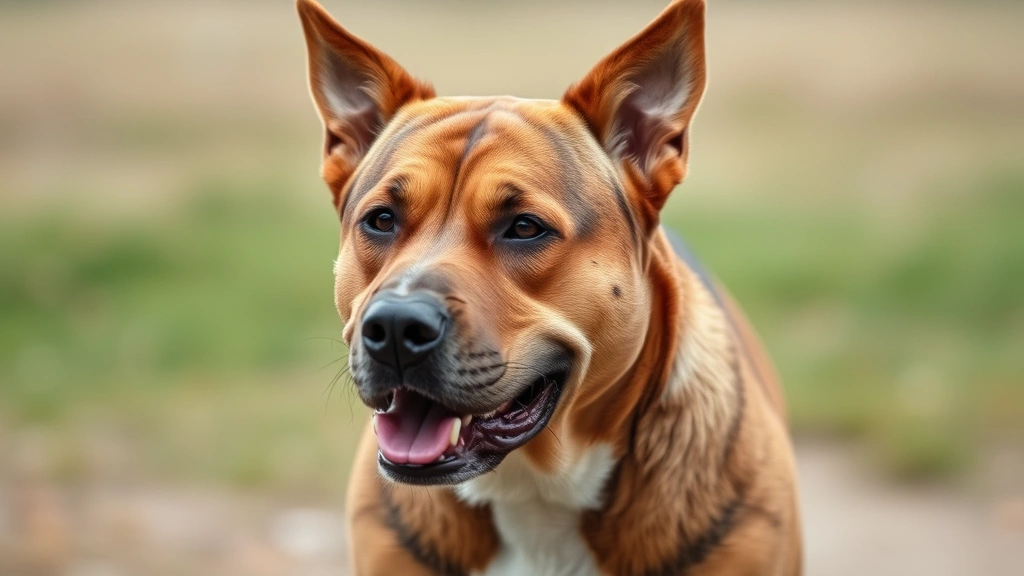
What does a pitbull mixed with labrador dog actually look like? It depends on the individual dog, but here’s what you might expect:
- Size: Medium to large. Most will be 50–90 pounds. Some can go bigger if they inherit more pit bull genes and get good nutrition.
- Build: Muscular and athletic. This is not a dog that looks delicate. They’ve got a broad chest and powerful legs.
- Head: Could be broader and blockier (pit bull) or more tapered (Lab). Many end up somewhere in the middle.
- Coat: Short and dense, usually. Both parent breeds have short coats. Shedding is moderate to heavy—we’ll get into this more later.
- Color: Highly variable. Black, yellow, chocolate, brindle, fawn, or combinations. You might get a solid color or a patchwork.
- Ears: Could be floppy (Lab) or more rose-shaped (pit bull). Sometimes one of each.
One thing to note: a pitbull mixed with labrador dog often looks more intimidating than they actually are. That muscular build, combined with breed misconceptions, can make people nervous. This is something you’ll need to be prepared for socially.
Exercise and Training Requirements
This is non-negotiable: a pitbull mixed with labrador dog needs serious exercise. We’re talking 60–90 minutes daily, minimum. Not a casual walk around the block. Real activity.
Why? Both parent breeds were built for work. Labs were bred to work all day in cold water retrieving ducks. Pit bulls were bred for intense physical activity. Your pitbull mixed with labrador dog has that genetic drive in their bones. When they don’t get enough exercise, they become destructive, anxious, and hard to manage.
Good outlets include:
- Running or jogging (once they’re fully grown and their joints are developed—don’t start until 12–18 months)
- Fetch in a fenced yard
- Swimming (both parent breeds typically love water; check out our guide on whether all dogs can swim for breed-specific tips)
- Agility training or dock diving
- Hiking
- Tug-of-war (yes, it’s good for them; it builds confidence and provides mental stimulation)
Training is equally important. A pitbull mixed with labrador dog is smart and eager to please (thanks, Lab genes), but they’re also stubborn (thanks, pit bull genes). Start training early and be consistent. This breed does best with:
- Positive reinforcement. They respond well to treats and praise. Harsh corrections backfire.
- Firm boundaries. They’ll test limits. You need to be calm, consistent, and clear about what’s acceptable.
- Socialization from puppyhood. Expose them to different people, dogs, environments, and situations early. This prevents fear-based reactivity later.
- Obedience classes. Consider enrolling in a class with a trainer experienced in strong breeds. It’s an investment that pays off.
According to the American Kennel Club (AKC), Labradors consistently rank as one of the most trainable breeds, and modern pit bulls bred for temperament are equally responsive to training. Your pitbull mixed with labrador dog should be trainable—but it requires patience and consistency.
Health Concerns and Lifespan
A well-bred pitbull mixed with labrador dog typically lives 10–15 years. That’s a solid lifespan for a large dog. But like all large breeds, they’re prone to certain health issues.
Common concerns include:
- Hip and elbow dysplasia. Both parent breeds are susceptible. This is a malformation of the joint that can lead to arthritis. Good breeders screen parents with OFA (Orthopedic Foundation for Animals) certifications.
- Heart disease. Dilated cardiomyopathy (DCM) has been reported in both pit bulls and Labs. Regular vet checkups and an ECG as they age can help catch issues early.
- Bloat (gastric torsion). Large, deep-chested dogs are at higher risk. Feed multiple small meals instead of one large meal. Avoid exercise immediately after eating.
- Skin allergies. Both parent breeds can have sensitive skin. Watch for excessive scratching, ear infections, or hot spots.
- Obesity. Labs especially have a tendency to pack on weight. A chubby pitbull mixed with labrador dog puts extra stress on joints and the heart.
Find a veterinarian experienced with large or athletic breeds. They’ll know what to screen for and how to manage preventive care. Regular checkups, a quality diet, and maintaining healthy weight go a long way.
Grooming and Shedding
A pitbull mixed with labrador dog has a short coat, which sounds low-maintenance—and it is, compared to long-haired breeds. But don’t expect zero shedding.
Both parent breeds shed moderately to heavily. Labradors, in particular, are famous for shedding year-round, with heavier blows during spring and fall. Your pitbull mixed with labrador dog will likely follow a similar pattern.
Grooming essentials:
- Brush 2–3 times per week (daily during heavy shedding seasons). A slicker brush or undercoat rake works well.
- Bathe monthly or as needed. Use a good dog shampoo—not human shampoo. If your dog has skin sensitivities, ask your vet for a recommendation.
- Nail trimming every 4–6 weeks. Long nails can cause joint problems.
- Ear cleaning weekly. Both parent breeds can have ear issues, especially if they swim frequently.
- Dental care daily. Brush their teeth or use dental chews. Gum disease is common in dogs and leads to systemic problems.
If shedding is a dealbreaker for you, this isn’t the breed. There’s no such thing as a truly hypoallergenic dog, though some breeds shed less—but that’s not your pitbull mixed with labrador dog.
Socialization and Safety Considerations
Let’s address the elephant in the room: breed discrimination. A pitbull mixed with labrador dog will face it. Some landlords won’t rent to you. Some insurance companies won’t cover you. Some people will cross the street when they see you coming. It’s unfair, but it’s reality.
Here’s what you need to do:
- Socialize relentlessly. A well-socialized, friendly pitbull mixed with labrador dog is the best ambassador for the breed. Introduce them to different people, dogs, and environments consistently. Take them to dog parks, dog-friendly stores, and community events.
- Train for off-leash reliability (in safe spaces). You want a rock-solid recall. This gives you control in unpredictable situations.
- Use a harness, not just a collar. A strong pitbull mixed with labrador dog can slip a collar. A well-fitted harness gives you better control and reduces the risk of neck injury.
- Be aware of their strength. Even a friendly pitbull mixed with labrador dog can accidentally knock over a small child during play. Supervise interactions with kids.
- Understand dog-to-dog dynamics. Some pit bulls have higher prey drive or same-sex aggression. It’s not universal, but it’s worth knowing about your individual dog. If your pitbull mixed with labrador dog shows signs of dog aggression, work with a professional trainer—not a “dominance”-based trainer, but someone who uses modern, science-based methods.
The good news: most pitbull mixed with labrador dogs are gentle with other dogs and people when raised properly. The key word is “when raised properly.”
Best Living Situations for This Mix
A pitbull mixed with labrador dog is not a one-size-fits-all dog. They thrive in specific situations and struggle in others.
Best scenarios:
- Active families with a fenced yard
- Homes where someone can commit to daily exercise and training
- Owners with experience handling strong, athletic dogs
- Families with older kids (10+) rather than toddlers
- Rural or suburban settings (though not impossible in the city with the right setup)
Challenging scenarios:
- Apartment living without access to outdoor space
- First-time dog owners (unless they’re willing to invest in professional training)
- Homes with very young children
- Owners who work long hours and can’t provide midday exercise
- Homes where the dog will be left alone frequently (separation anxiety is real)
If you live in an apartment but really want a pitbull mixed with labrador dog, it’s possible—but you’ll need to be extra committed to exercise, training, and mental stimulation. Consider hiring a dog walker or doggy daycare for midday breaks.
Cost-wise, expect to budget for:
- Quality food (large breed dogs eat a lot)
- Training classes or professional trainer consultations
- Preventive vet care and potential health issues
- Toys and enrichment items (they’ll destroy cheap toys)
- Pet insurance (optional but smart for a large breed prone to joint issues)
This is not an impulse purchase. This is a 10–15 year commitment with significant financial and time investment.
Frequently Asked Questions
Are pitbull mixed with labrador dogs dangerous?
– No more than any other large, powerful dog. Danger comes from lack of training, poor socialization, abuse, or irresponsible breeding—not from the breed itself. A well-raised pitbull mixed with labrador dog is typically friendly and loyal. However, they are strong dogs that require experienced handling and proper training.
Do pitbull mixed with labrador dogs get along with other dogs?
– Most do, especially if socialized early. However, some pit bulls have a higher prey drive or same-sex aggression. It varies by individual. Early socialization and careful introductions are key. If you’re concerned about your specific dog, consult a professional trainer.
Can a pitbull mixed with labrador dog live with cats?
– Yes, if raised with them from puppyhood. The retriever genes help—Labs were bred to retrieve without harming prey. But individual temperament varies. Always supervise interactions and never leave them unsupervised together until you’re absolutely certain they’re safe.
How much does a pitbull mixed with labrador dog cost?
– From a responsible breeder, expect $500–$2,000. From a rescue or shelter, adoption fees are typically $50–$300. Avoid backyard breeders or puppy mills, which often produce dogs with behavioral and health problems. If you’re adopting, ask the shelter or rescue about the dog’s history and temperament.
Are pitbull mixed with labrador dogs hypoallergenic?
– No. They shed regularly and aren’t a good choice for people with dog allergies. If you’re looking for a lower-shedding breed, explore other options. (For context, check out our article on hypoallergenic breeds.)
What should I feed a pitbull mixed with labrador dog?
– High-quality dog food formulated for large, active dogs. Look for named meat as the first ingredient. Avoid fillers and artificial preservatives. Some owners feed raw or home-cooked diets, but consult your vet first. For specific food questions, read our guide on kibble and dog nutrition and our article on what dogs can eat. Monitor weight carefully—obesity is common in this mix.
How often should I exercise a pitbull mixed with labrador dog?
– Daily, for 60–90 minutes minimum. This should include both aerobic exercise (running, fetch, swimming) and mental stimulation (training, puzzle toys, scent work). A bored pitbull mixed with labrador dog becomes destructive and anxious.
Can pitbull mixed with labrador dogs swim?
– Yes, most love water. Both parent breeds have swimming heritage. Many pitbull mixed with labrador dogs have webbed feet or partially webbed feet, which aids swimming. For more details, check out our article on webbed-foot dogs. Always supervise swimming and consider a dog life jacket for safety.
What’s the average lifespan of a pitbull mixed with labrador dog?
– 10–15 years, depending on genetics, health, diet, and exercise. A healthy lifestyle and preventive vet care can help them reach the upper end of that range.

Do pitbull mixed with labrador dogs require special training?
– Not special training, but consistent, firm training from the start. They’re smart and responsive to positive reinforcement. Professional training is highly recommended, especially if you’re a first-time owner. Classes also provide socialization, which is crucial for this breed.
A pitbull mixed with labrador dog is an amazing companion for the right owner. They’re loyal, affectionate, athletic, and surprisingly gentle. But they’re not for everyone. They demand time, training, exercise, and a commitment to fighting breed stereotypes. If you’re willing to put in the work, you’ll get a dog that loves you unconditionally and brings genuine joy to your life. If you’re not ready for that level of commitment, there are other breeds that might be a better fit. Choose wisely.





