

Your dog suddenly makes a weird honking sound—like they’re trying to inhale a sneeze instead of expel one. Their body tenses. Their eyes bulge a little. You panic. Is this an emergency? Is your dog choking?
Take a breath. What you’re hearing is likely reverse sneezing in dogs, and while it looks alarming, it’s usually harmless. But “usually” doesn’t mean “always,” and understanding what’s happening—and when to actually worry—is exactly what we’re covering today.
I’ve seen hundreds of dogs experience reverse sneezing in the clinic, and I’ve also sat with plenty of owners who were terrified their dog was dying. The good news? Most of the time, reverse sneezing in dogs resolves on its own within seconds. The better news? You can learn simple techniques to help your dog through an episode and recognize when something more serious is happening.
What Is Reverse Sneezing in Dogs?
Let’s start with the basics. Reverse sneezing in dogs is exactly what it sounds like—a sneeze that goes backward. Instead of expelling air out through the nose and mouth, your dog’s body is rapidly pulling air inward through the nose. It’s involuntary, which means your dog isn’t doing it on purpose (even though it might look intentional).
The medical term is pharyngeal gag reflex or paroxysmal respiration, but honestly, “reverse sneeze” is way more descriptive of what’s actually happening. During an episode, you’ll hear a distinctive snorting or honking sound—some owners describe it as a “goose honk” or “pig snort.” Your dog might stand still or pace nervously, their body might stiffen, and their head might extend forward.
Here’s the thing: reverse sneezing in dogs is not a cough, and it’s not a sneeze in the traditional sense. It’s a spasm of the pharynx (the throat area). The episode typically lasts anywhere from a few seconds to a minute, and then it stops as suddenly as it started. Your dog goes back to normal, completely unbothered, like nothing happened.
Pro Tip: If you’ve never seen reverse sneezing in dogs before, filming an episode on your phone is actually smart. It helps your vet understand exactly what you’re describing and rules out other conditions that might sound similar.
Why Does Reverse Sneezing Happen?
The “why” behind reverse sneezing in dogs is still partially a mystery to veterinary medicine, but we do know the mechanism. The soft palate (the tissue at the back of your dog’s mouth) becomes irritated or inflamed, triggering a reflex that causes rapid inhalation.
Think of it like this: your dog’s throat gets tickled or irritated, and their body’s automatic response is to try to clear it by sucking air in rapidly. It’s similar to how you might gasp or inhale sharply if something unexpected happens. Except in dogs, it happens repeatedly in quick succession, creating that honking sound.
According to the American Kennel Club, reverse sneezing in dogs is particularly common in small breeds, though any dog can experience it. Brachycephalic breeds (flat-faced dogs like Bulldogs, Pugs, and Shih Tzus) tend to have more frequent episodes because of their airway anatomy, but Chihuahuas, Yorkshire Terriers, and other small breeds also report high incidence rates.
The bottom line: reverse sneezing in dogs is your dog’s respiratory system reacting to something—either an irritant, an allergen, or sometimes just random inflammation. It’s not dangerous in itself, but it is uncomfortable for your dog, which is why they might seem anxious or distressed during an episode.
Common Triggers & Risk Factors
Understanding what triggers reverse sneezing in dogs can help you reduce how often it happens. Here are the most common culprits:
- Allergens: Pollen, dust, mold, or indoor allergens can irritate the soft palate. If your dog has seasonal reverse sneezing episodes, allergies are likely the cause. Dogs can also be allergic to cats, and environmental allergies are incredibly common.
- Excitement or stress: Some dogs experience reverse sneezing when they’re overstimulated, excited, or stressed. The sudden change in breathing patterns can trigger the reflex.
- Rapid temperature changes: Moving from a warm house to cold outdoor air (or vice versa) can irritate the pharynx and trigger an episode.
- Eating too quickly: If your dog gulps food without chewing, they might aspirate small particles or irritate their throat, leading to reverse sneezing in dogs.
- Pulling on the leash: Constant tension on a collar can irritate the throat and trigger episodes. This is especially true for dogs who pull hard during walks.
- Perfumes and air fresheners: Strong chemical smells can irritate the nasal passages and pharynx.
- Nasal mites or infections: While rare, parasitic infections or bacterial/viral infections can cause reverse sneezing in dogs.
- Breed predisposition: Small breeds and brachycephalic breeds are genetically more prone to reverse sneezing in dogs.
If your dog experiences frequent reverse sneezing episodes (more than a few times per week), it’s worth identifying potential triggers. Keep a simple log: when did it happen, what was your dog doing, what was the environment like? Patterns often emerge.
Immediate Relief Techniques That Actually Work
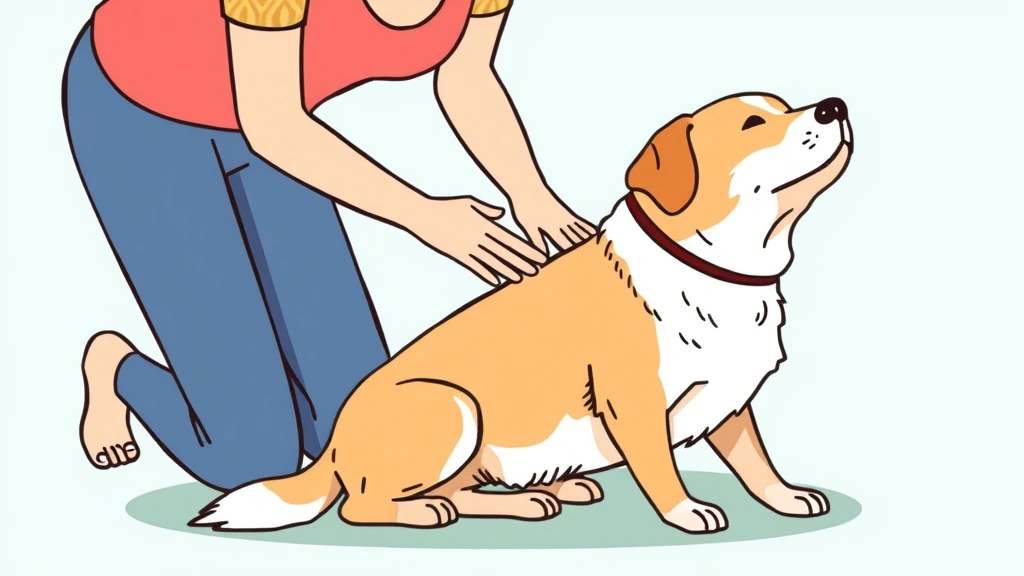
Here’s the part every dog owner wants to know: what can you actually do when your dog is in the middle of a reverse sneezing episode? The good news is you have several options.
Technique 1: The Throat Massage
Gently massage your dog’s throat in a downward motion. This can help relax the pharyngeal muscles and sometimes stop the spasm. Use slow, gentle strokes from under the jaw downward toward the chest. Many dogs find this soothing, and it often interrupts the episode within 10-15 seconds.
Technique 2: Cover the Nose (Briefly)
Gently cover your dog’s nose for just 1-2 seconds. This forces them to swallow, which can interrupt the reverse sneezing reflex. Don’t hold it for more than a couple seconds—you’re not trying to restrict airflow, just trigger a swallow. This works surprisingly well and is my go-to move in the clinic.
Technique 3: Calm Distraction
Sometimes the best medicine is distraction. Speak to your dog in a calm, soothing voice. Offer a treat, redirect their attention, or gently pet them. Anxiety can make reverse sneezing in dogs worse, so keeping your dog calm is half the battle. Your dog picks up on your energy—if you’re panicking, they’ll panic more.
Technique 4: Change the Environment
If you suspect an environmental trigger (strong smell, temperature change, allergen), move your dog to a different room or outside. Fresh air and a change of scenery can help reset their respiratory system.
Technique 5: Humidify the Air
If the air is dry, running a humidifier can help. Dry air irritates the nasal passages and pharynx, making reverse sneezing in dogs more likely. This is especially helpful during winter months or in arid climates.
Safety Warning: Never panic or try to restrain your dog forcefully during an episode. Your dog is not choking, and struggling to hold them down can make the episode worse and increase their anxiety. Stay calm, use one of the techniques above, and let the episode run its course if needed.
When Should You Actually Worry?
Here’s where we separate normal reverse sneezing in dogs from something that actually requires veterinary attention. Most episodes are harmless, but some signs warrant a vet visit.
Normal reverse sneezing in dogs:
- Episodes last less than a minute
- Your dog returns to normal immediately after
- Episodes are sporadic (a few times per month or less)
- Your dog shows no other symptoms (no discharge, no coughing, no difficulty breathing between episodes)
- Your dog is eating, drinking, and playing normally
Red flags that need veterinary attention:
- Episodes last more than 5 minutes
- Your dog has difficulty breathing between episodes
- Nasal discharge (especially if it’s bloody, green, or yellow)
- Episodes are happening multiple times per day
- Your dog is coughing in addition to reverse sneezing
- Your dog is lethargic, not eating, or acting unwell
- Your dog is gagging or vomiting along with the reverse sneezing
- The episode doesn’t stop after a few minutes (this could indicate a foreign object or more serious obstruction)
According to PetMD, while reverse sneezing in dogs is usually benign, frequent or prolonged episodes can sometimes indicate underlying allergies, infections, or other respiratory issues that deserve investigation. When in doubt, call your vet—they can rule out anything serious and give you peace of mind.
Prevention & Long-Term Management
If your dog experiences frequent reverse sneezing episodes, there are steps you can take to reduce how often they happen.
Manage Allergies
If allergies are the culprit, work with your vet to identify triggers. This might involve allergy testing, dietary changes, or seasonal antihistamines. Many dogs with environmental allergies benefit from regular baths to remove pollen and allergens from their coat and skin.
Use a Harness Instead of a Collar
If your dog pulls on the leash, a harness distributes pressure across the chest rather than concentrating it on the throat. This reduces irritation to the pharynx and can significantly decrease reverse sneezing in dogs caused by collar pressure.
Slow Down Mealtimes
Use a slow feeder bowl or puzzle feeder to encourage your dog to eat more slowly. This reduces the chance of aspirating food particles and irritating the throat. You can also feed smaller portions more frequently.
Control Environmental Irritants
Avoid strong perfumes, air fresheners, and cleaning products around your dog. Open windows for fresh air circulation. During high pollen seasons, keep windows closed during peak pollen hours (usually early morning and evening).
Maintain Humidity
Keep indoor humidity between 40-60%. A humidifier during dry months can make a big difference, especially for dogs prone to reverse sneezing.
Manage Excitement and Stress
While you can’t eliminate excitement entirely, you can manage it. Teach your dog calming cues, take breaks during playtime, and create a calm environment before potentially stressful situations (like vet visits or car rides).
Regular Vet Checkups
Annual wellness exams allow your vet to monitor your dog’s respiratory health and catch any underlying issues early. If reverse sneezing in dogs is new or worsening, bring it up at your next appointment.
When to Call Your Vet
You don’t need to rush to the emergency vet for a single episode of reverse sneezing in dogs. But you should schedule a regular appointment if:
- Episodes are happening multiple times per week
- Your dog is experiencing reverse sneezing for the first time and you’re unsure what’s normal
- Episodes have increased in frequency or duration
- Your dog shows any of the red flag symptoms listed above
- You want to rule out underlying allergies or infections
Your vet might perform a physical exam, check for nasal mites or infections, and discuss your dog’s medical history. In some cases, they might recommend allergy testing or imaging if they suspect something more serious. According to the American Animal Hospital Association, most cases of reverse sneezing in dogs don’t require treatment beyond environmental management and addressing underlying allergies.
If your dog is experiencing an active episode that doesn’t stop after 5-10 minutes, or if your dog shows signs of severe respiratory distress (gasping, blue gums, inability to swallow), seek emergency veterinary care immediately. These could indicate a foreign object, severe allergic reaction, or other serious conditions.
Frequently Asked Questions
Is reverse sneezing in dogs dangerous?
– No, reverse sneezing in dogs is not dangerous in the vast majority of cases. It’s uncomfortable and can look alarming, but it’s not life-threatening. Episodes are self-limiting and resolve on their own. However, if episodes are frequent, prolonged, or accompanied by other symptoms, underlying conditions should be ruled out by a vet.
Can reverse sneezing in dogs be cured?
– Reverse sneezing in dogs isn’t something you “cure” because it’s typically a symptom rather than a disease itself. However, you can reduce frequency by identifying and managing triggers (allergies, environmental irritants, collar pressure, etc.). Many dogs experience fewer episodes once triggers are minimized.
How long does a reverse sneezing episode last?
– Most episodes last 5-30 seconds, though some can last up to a minute. If an episode lasts longer than 5 minutes, contact your vet. Prolonged episodes could indicate a more serious issue.
Why does my dog seem anxious during reverse sneezing?
– Your dog is experiencing an involuntary, uncomfortable sensation in their throat. It’s startling and unpleasant, so anxiety is a normal response. Your calm presence and reassurance can help reduce their anxiety during episodes.
Should I be worried if my dog reverse sneezes once?
– No. A single episode is usually nothing to worry about. Many dogs experience occasional reverse sneezing in dogs without any underlying issues. It becomes concerning only if episodes are frequent, prolonged, or accompanied by other symptoms.
Can I prevent reverse sneezing in dogs?
– You can reduce frequency by managing triggers: controlling allergies, using a harness instead of a collar, maintaining humidity, feeding slowly, and minimizing exposure to irritants. However, you can’t eliminate reverse sneezing entirely in predisposed dogs—it’s often just part of their physiology.
Is reverse sneezing the same as a sneeze?
– No. A regular sneeze expels air outward; reverse sneezing in dogs is rapid inhalation. A regular sneeze is your dog clearing their nasal passages; reverse sneezing is a pharyngeal spasm. They look and sound completely different.
Can I give my dog medicine to stop reverse sneezing?
– There’s no specific medication to stop an active episode. However, if allergies are the underlying cause, your vet might recommend antihistamines or other allergy management strategies to reduce how often episodes occur. Never give your dog medication without veterinary guidance.
Do certain breeds get reverse sneezing more than others?
– Yes. Small breeds and brachycephalic breeds (flat-faced dogs) are more prone to reverse sneezing in dogs due to their airway anatomy. Chihuahuas, Pugs, Bulldogs, Shih Tzus, and Yorkshire Terriers are commonly affected. However, any breed can experience it.
Could reverse sneezing be a sign of a serious condition?
– Rarely. Most reverse sneezing in dogs is benign. However, if episodes are frequent, prolonged, or accompanied by discharge, coughing, or difficulty breathing, underlying conditions like allergies, infections, or nasal mites should be ruled out. Your vet can determine if further investigation is needed.





