
Your dog comes inside after a tick-filled hike, and you find a tiny bug embedded in their fur. You flick it off, thinking nothing of it. But here’s the thing: that tick might have just transmitted anaplasmosis in dogs—a bacterial infection that can sneak up on your pup with vague symptoms that feel like the flu. Most dog owners have never heard of it, yet it’s one of the most common tick-borne diseases in the United States. The good news? Prevention is straightforward, and knowing what to watch for can literally save your dog’s life.
I’ve seen plenty of dogs come through the clinic with anaplasmosis, and the owners almost always say the same thing: “I didn’t even know ticks carried this.” That’s exactly why we’re covering everything you need to know—from how dogs catch it, to the sneaky symptoms, to rock-solid prevention strategies that actually work.
What Is Anaplasmosis in Dogs?
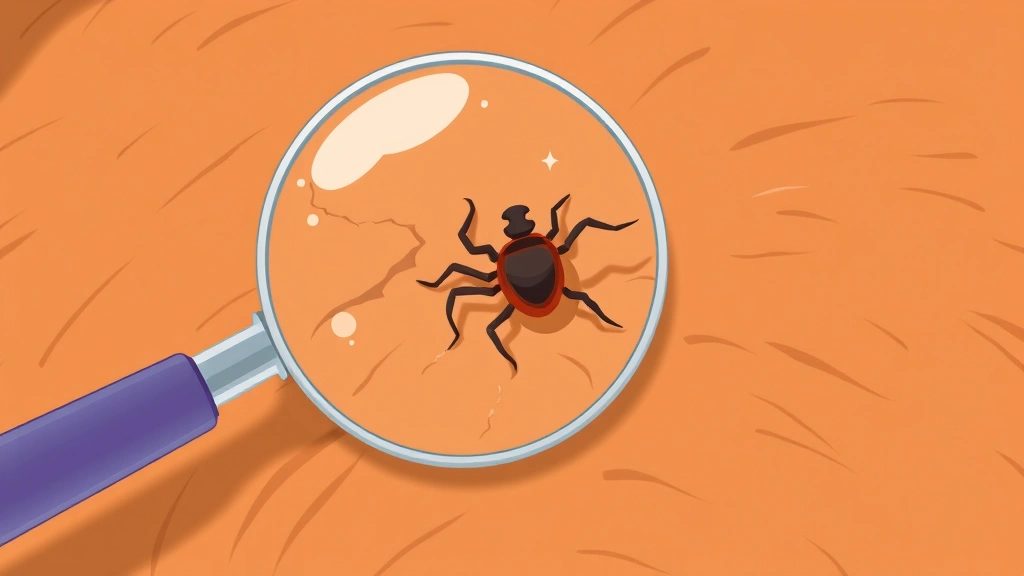
Anaplasmosis is a bacterial infection caused by Anaplasma phagocytophilum or Anaplasma marginale. Think of it like Lyme disease’s less-famous cousin—equally serious, often overlooked. The bacteria attacks your dog’s white blood cells and can cause inflammation throughout the body. According to the CDC’s tick information portal, anaplasmosis is transmitted primarily by the deer tick (also called the black-legged tick), the same vector that carries Lyme disease.
Here’s what makes anaplasmosis tricky: it doesn’t always cause dramatic symptoms right away. Some dogs mount an immune response and fight it off quietly. Others develop a chronic infection that lingers for months or even years if left untreated. The infection can affect the joints, nervous system, and blood-clotting ability, which is why early detection matters.
The incubation period is typically 1 to 2 weeks, meaning your dog could be infected for days before you notice anything wrong. This is why year-round tick prevention isn’t just a suggestion—it’s insurance.
How Dogs Get Infected
Dogs get anaplasmosis the same way they get Lyme disease: through a tick bite. Specifically, the infected deer tick must be attached for at least 24 hours to transmit the bacteria effectively. If you’re removing ticks within a day, you’re already reducing risk significantly.
Here’s the mechanics: the tick feeds on an infected animal (usually deer or rodents), ingests the bacteria, and then passes it to your dog during its next blood meal. The bacteria live in the tick’s salivary glands, so the longer the tick feeds, the higher the bacterial load transferred.
Not every tick carries anaplasmosis, but in endemic areas (the Northeast, Upper Midwest, and parts of the West Coast), a significant percentage do. According to the American Animal Hospital Association, studies show that 5-10% of ticks in high-risk regions carry the bacteria.
Dogs of any age can get infected, though older dogs and those with compromised immune systems tend to show symptoms more severely. Puppies might fight off a mild infection without obvious signs, while a senior dog with arthritis might develop noticeable lameness.
One critical point: You cannot get anaplasmosis directly from your dog. It’s tick-borne, not contagious between pets or from pets to humans (though humans can get it the same way dogs do—through tick bites).
Symptoms to Watch For
This is where anaplasmosis in dogs gets sneaky. The symptoms are vague and often mimic other conditions. Many owners mistake early signs for seasonal allergies or a passing bug.
Common symptoms include:
- Lethargy and lack of appetite – Your dog seems tired and disinterested in food, sometimes for just a few days.
- Fever – Often 104–105°F, though you might not notice unless you take their temperature.
- Lameness or joint pain – Stiffness, especially after rest. This can be subtle or pronounced.
- Coughing or respiratory symptoms – If you’re wondering do dogs cough or why is my dog hacking, anaplasmosis can be a culprit, though it’s rare.
- Vomiting or diarrhea – Mild gastrointestinal upset.
- Swollen lymph nodes – You might notice lumps under the jaw or behind the legs.
- Bleeding or bruising – In severe cases, the bacteria damages blood platelets, causing easy bruising or nosebleeds.
The challenge is that these symptoms can last anywhere from a few days to weeks. Some dogs show acute symptoms and then seem to recover, only to relapse weeks later if the infection isn’t treated. Others develop a chronic form where symptoms are so mild you might not connect them to anaplasmosis at all.
If your dog has recently had a tick or lives in a high-risk area and is showing any combination of these signs—especially lameness plus lethargy—get them to a vet for testing. Don’t wait for symptoms to get worse.
Diagnosis and Testing

Your vet will start with a physical exam and a conversation about tick exposure. Have you been hiking? Does your dog spend time in wooded areas? Did you find ticks recently? This context helps narrow down the possibility.
The gold standard for diagnosing anaplasmosis in dogs is a blood test. There are a few options:
- PCR (Polymerase Chain Reaction) test – Detects the actual bacterial DNA. This is the most accurate, especially in early infection, but it takes a few days for results.
- Serology (antibody test) – Detects antibodies your dog’s immune system has produced against the bacteria. This shows up within 7-10 days of infection, so it’s not useful for very early cases.
- In-house rapid tests – Some clinics use snap tests that give results in minutes. These are convenient but less sensitive than PCR.
Many vets also run a complete blood count (CBC) to look for low platelet counts or other blood abnormalities that suggest anaplasmosis. Your dog might also have elevated liver enzymes or kidney values.
Here’s the real-world scenario: If your dog has symptoms and a positive test, treatment starts immediately. If your dog tests positive but shows no symptoms (called asymptomatic infection), your vet might still recommend treatment, especially if the PCR is positive, because chronic infections can cause problems down the line.
Some dogs develop what’s called “chronic carrier” status, where they test positive but never show clinical signs. This is less common than acute infection but does happen, particularly in areas with repeated tick exposure.
Treatment Options
The good news: anaplasmosis in dogs responds well to antibiotics, especially if caught early.
First-line treatment: Doxycycline is the antibiotic of choice. Most vets prescribe it for 2-4 weeks. Dosing is typically 5-10 mg per kg of body weight, twice daily. For a 50-pound dog, that’s usually 100-200 mg twice daily.
Here’s the tricky part: doxycycline can cause esophageal irritation if it gets stuck in the throat, so always give it with food and a full glass of water (or a syringe of water if your dog won’t drink). Some dogs are sensitive to it, so watch for vomiting or loss of appetite during treatment.
Alternative antibiotics: If doxycycline isn’t an option (maybe your dog is pregnant, very young, or allergic), your vet might use minocycline or fluoroquinolones like enrofloxacin. These aren’t quite as effective but still work.
Most dogs start feeling better within 3-5 days of starting antibiotics. Fever breaks, appetite returns, and lameness improves. But here’s the catch: just because your dog feels better doesn’t mean the infection is gone. You have to finish the full course of antibiotics, even if symptoms resolve. Stopping early can allow the bacteria to rebound.
For dogs with severe complications (like thrombocytopenia with bleeding), supportive care might include blood transfusions or hospitalization. This is rare but does happen in neglected cases.
Cost-wise, treatment is relatively affordable. A course of doxycycline for a medium-sized dog runs $20-50, and basic blood testing might be $100-200. Compare that to the cost of treating chronic complications or emergency care if the infection spreads, and prevention looks pretty smart.
Prevention Strategies That Actually Work
This is where you take control. Anaplasmosis in dogs is almost entirely preventable with consistent tick management.
1. Year-Round Tick Prevention
This is non-negotiable. Ticks don’t die in winter in most of the U.S.—they just slow down. In mild winters, they stay active. Your dog needs tick prevention 12 months a year, not just spring and summer.
Options include:
- Topical treatments – Seresto, Frontline Plus, Advantix, Revolution. These are applied monthly (or every 8 weeks for some formulations) and kill ticks on contact or after they bite.
- Oral medications – Bravecto (kills ticks for 12 weeks), NexGard, Simparica. These are taken by mouth, typically monthly, and are highly effective.
- Collars – Seresto collars release insecticide over 8 months. They’re convenient but not as potent as other options for heavy tick exposure.
- Injectable prevention – Bravecto Plus is injected every 6-12 months. Talk to your vet about whether this fits your dog.
The most effective products contain ingredients like pyrethrins, pyrethroids, or isoxazolines. Read labels carefully and choose products approved for your dog’s weight and age. Never use cat flea treatments on dogs—some are toxic to canines.
2. Tick Checks and Removal
Even with prevention, check your dog’s skin regularly, especially after outdoor time. Run your hands over their body, check between toes, behind ears, and in the groin area. Ticks love warm, moist spots.
If you find a tick:
- Use fine-tipped tweezers to grasp it as close to the skin as possible.
- Pull straight out with steady pressure—don’t twist or jerk.
- Place it in a sealed bag or container (some people save ticks to show their vet if symptoms develop).
- Clean the bite area with soap and water or rubbing alcohol.
- Don’t squeeze the tick, use petroleum jelly, or apply heat—these can cause the tick to regurgitate bacteria into your dog.
Removing ticks within 24 hours significantly reduces transmission risk. This is your backup plan if prevention fails.
3. Environmental Management
Reduce tick habitat around your home:
- Keep grass short and remove leaf litter where ticks hide.
- Create a barrier between wooded areas and your yard using gravel or mulch.
- Avoid walking your dog in tall grass or dense brush during peak tick season (spring and fall).
- If you hike, stick to the center of trails and avoid brushing against vegetation.
This won’t eliminate tick exposure entirely, but it reduces it.
4. Vaccination Considerations
There is no vaccine for anaplasmosis in dogs. This is important to know because some pet owners confuse tick-borne disease prevention with vaccination. Prevention means tick control, not vaccines. Focus your energy there.
5. Testing and Monitoring
Some vets recommend annual screening for tick-borne diseases in high-risk areas, even if your dog shows no symptoms. This catches asymptomatic infections before they become chronic. Talk to your vet about whether this makes sense for your dog’s risk profile.
Regional Risk Factors
Anaplasmosis in dogs isn’t evenly distributed across the U.S. Certain regions have much higher infection rates.
Highest-risk areas:
- Northeast – New England, New York, Pennsylvania, New Jersey. This is ground zero for anaplasmosis.
- Upper Midwest – Minnesota, Wisconsin, Michigan. Significant prevalence here.
- Pacific Northwest – Oregon, Washington. Growing problem in these regions.
- Northern California – Especially in forested areas.
If you live in these areas, tick prevention isn’t optional—it’s essential. Even if you don’t hike, your dog can pick up ticks in your own yard or on neighborhood walks.
If you live in the South or Southwest, anaplasmosis is less common, but it’s still worth preventing because tick-borne diseases are expanding their range due to climate change and wildlife migration.
Check with your local veterinary clinic or the CDC’s tick distribution map to understand your specific risk level.
Frequently Asked Questions
Can my dog get anaplasmosis more than once?
– Yes, technically. While dogs develop some immunity after infection, it’s not complete. Re-infection is possible, especially if tick exposure is ongoing. This is another reason year-round prevention matters—don’t assume your dog is protected after one infection.
Is anaplasmosis fatal in dogs?
– It can be if left untreated, but death is relatively rare with modern veterinary care. Complications like severe bleeding or organ damage are serious, but antibiotics are highly effective when started promptly. The key is catching it early.
How long does treatment take?
– Most dogs show improvement within 3-5 days of starting doxycycline. The full course is typically 2-4 weeks. Some vets extend treatment to 4 weeks in chronic cases. Always finish the full course even if your dog feels better.
Can I give my dog human Lyme disease prevention?
– No. Dogs need veterinary-approved tick prevention products. Human products are dosed differently and may be toxic to dogs. Always use products specifically labeled for canine use.
What if my dog is allergic to doxycycline?
– Allergic reactions are rare but do happen. Signs include vomiting, diarrhea, or skin reactions. Tell your vet immediately, and they’ll switch to an alternative antibiotic. Document the allergy so future vets know to avoid it.
Does my dog need a booster after treatment?
– No booster is needed. Once the antibiotic course is complete, the infection should be resolved. Your vet might recommend a follow-up test in 4-6 weeks to confirm clearance, especially if your dog had chronic infection.
Should I be worried about getting anaplasmosis from my dog?
– No. Anaplasmosis isn’t contagious from dog to human. You’d only get it if an infected tick bit you directly. However, if your dog has ticks, your household likely does too, so take precautions for yourself as well.
Are certain breeds more susceptible?
– Not really. Any dog can get anaplasmosis if exposed to infected ticks. Older dogs and those with compromised immune systems may show symptoms more severely, but susceptibility isn’t breed-specific.
Can I use home remedies instead of antibiotics?
– No. Anaplasmosis is a bacterial infection that requires antibiotics. Home remedies, essential oils, and supplements won’t kill the bacteria. Using them instead of antibiotics risks chronic infection and complications. Get your dog to a vet.
What’s the difference between anaplasmosis and Lyme disease?
– Both are tick-borne and transmitted by deer ticks, but they’re caused by different bacteria. Lyme disease (caused by Borrelia burgdorferi) often causes joint pain and lameness. Anaplasmosis causes more systemic symptoms like fever and lethargy. Dogs can have both simultaneously, which is why testing for both is important.
Final Thought: Anaplasmosis in dogs is serious, but it’s also one of the most preventable tick-borne diseases. Consistent year-round tick prevention, regular tick checks, and knowing what symptoms to watch for puts you ahead of the game. If your dog does get infected, early treatment with antibiotics works remarkably well. The effort you put into prevention now saves you from vet visits, antibiotic courses, and the stress of watching your dog feel sick. Your vet is your partner here—don’t hesitate to call with questions about the best prevention strategy for your dog’s lifestyle and risk level.