
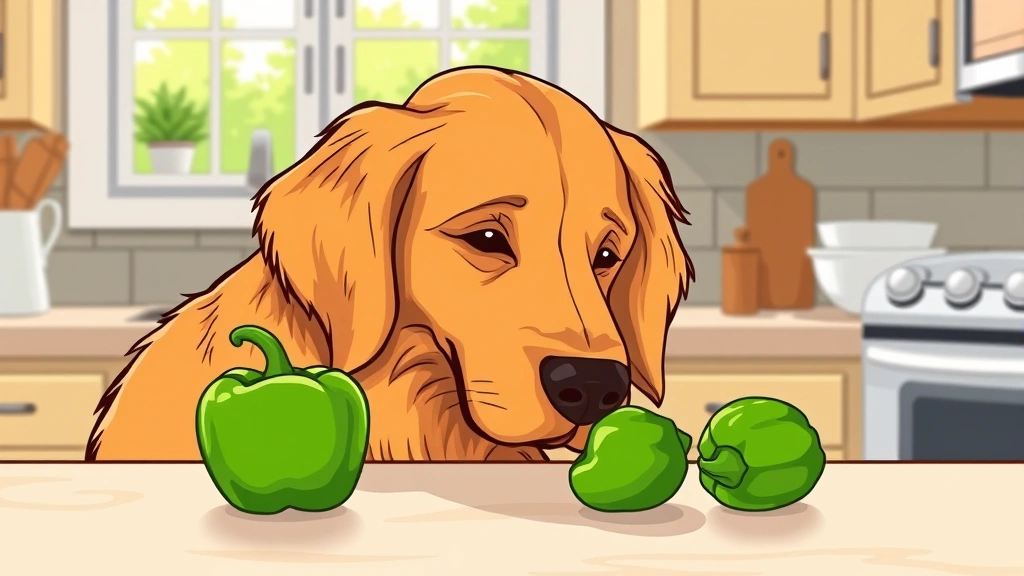
Your dog’s nose twitches as you chop vegetables for dinner. You’re standing there with a green pepper in one hand and your pup giving you that look—the one that says “I deserve a piece of that.” So here’s the real talk: yes, dogs can eat green peppers, and they’re actually safe. But before you start tossing them into the bowl, there’s more to know about how to do it right, what to watch for, and whether your dog will even care about eating them in the first place.
I’ve been working with dogs for over a decade in veterinary clinics, and I’ve seen plenty of owners second-guess themselves about human foods. The good news? Green peppers are one of the safer options. The realistic news? Most dogs find them boring. Let’s break down everything you need to know about whether can dogs eat green peppers and how to serve them if your dog is actually interested.
Are Green Peppers Safe for Dogs?
Let me cut to the chase: green peppers are safe for dogs to eat. They’re not toxic, they won’t poison your dog, and they won’t cause an emergency trip to the vet. That’s the baseline. But safe doesn’t automatically mean “great for your dog,” and it definitely doesn’t mean every dog will want them.
The reason green peppers are safe comes down to their chemical composition. Unlike grapes, onions, or chocolate—which contain compounds that are genuinely harmful to dogs—green peppers don’t have anything in their makeup that’s toxic to canine metabolism. According to the American Kennel Club, many vegetables including peppers can be part of a dog’s diet when prepared properly.
Here’s what happens when a dog eats a green pepper: their digestive system treats it like any other vegetable. It gets broken down, the nutrients get absorbed (if there are any worth absorbing), and the rest moves through. No special reaction. No alarm bells. Just… a green pepper passing through a dog’s digestive tract.
The catch? Most dogs don’t actually care about green peppers. I’ve seen dogs reject them completely while their owners expected some kind of veggie enthusiasm. Dogs are carnivores by nature. They evolved to hunt meat, not forage for produce. So while green peppers are technically safe, your dog might just stare at you like you’ve lost your mind.
Nutritional Benefits of Green Peppers for Dogs
If your dog actually eats green peppers, there are some legitimate nutritional perks. Green peppers contain vitamin C, vitamin A, and fiber. They’re low in calories—about 3 calories per ounce—which makes them a decent option if you’re trying to give your dog a treat without adding much to their daily caloric intake.
Vitamin C is an antioxidant that supports immune function. Vitamin A is important for eye health and skin. Fiber helps with digestion, especially if your dog is dealing with constipation or irregular stools. But here’s the honest part: your dog’s regular food already has these nutrients in properly balanced amounts. Green peppers are a supplement, not a necessity.
Think of it this way: giving your dog green peppers is like you taking a multivitamin when you already eat a balanced diet. It might help a little, but it’s not going to transform anything. Your dog’s kibble or raw diet is formulated to meet their nutritional needs. Green peppers are just a bonus if they eat them.
The fiber content is probably the most useful benefit. If your dog has occasional digestive issues, a small amount of green pepper might help move things along. But if your dog has chronic digestive problems, you should be talking to your vet, not relying on vegetables to fix it.
Pro Tip: If you want to give your dog vegetables for nutritional benefits, carrots and sweet potatoes are often more palatable and nutrient-dense. Most dogs will actually eat those without making a face.
How to Prepare Green Peppers for Dogs
Preparation matters. A lot. This is where the “safe” part actually becomes important.
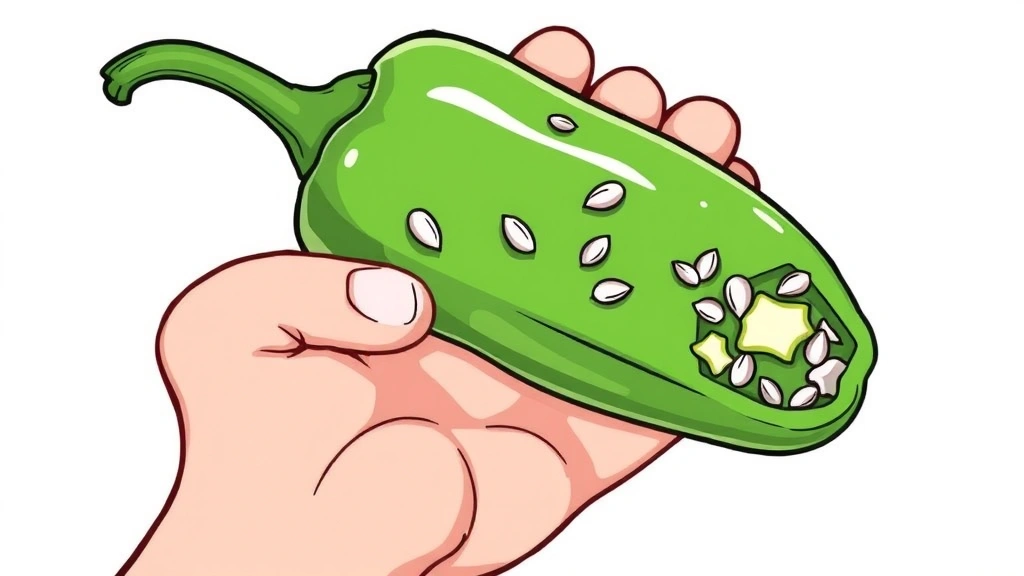
First rule: remove the seeds and stem. Green pepper seeds aren’t toxic, but they’re a choking hazard and they’re hard for dogs to digest. The stem is fibrous and pointy—neither of which your dog needs. Just cut them out. It takes 30 seconds.
Second rule: wash the pepper thoroughly. You’re washing off pesticides and dirt. Same reason you’d wash it before eating it yourself. Use water and a vegetable brush if you have one.
Third rule: serve it plain. No seasoning. No salt. No garlic. No onion powder. Just the pepper. I know it sounds boring, but your dog doesn’t care about flavor complexity. They care about whether it smells like food.
Now, the question of raw versus cooked. Both are fine. Raw green peppers are crunchier and might be more interesting to a dog (if they’re interested at all). Cooked peppers are softer and easier to digest, but they lose some nutritional value in the cooking process. Your choice depends on your dog’s preferences and your own convenience.
If you’re cooking them, steam or boil them without adding anything. No oil, no butter, no seasoning. Just heat and water. That’s it.
Here’s what I don’t recommend: don’t give your dog green peppers that have been cooked with garlic, onions, or excessive salt. Those additions turn a safe vegetable into something problematic. Garlic and onions are toxic to dogs. Salt in large amounts can cause electrolyte imbalances. So if you’ve already cooked peppers with seasoning, just keep them for yourself.
Portion Sizes and Frequency
Here’s the practical part: how much green pepper can your dog actually have?
The general rule for treats (including vegetables) is that they should make up no more than 10% of your dog’s daily caloric intake. The other 90% should come from their regular balanced diet. This is important because it prevents nutritional imbalances.
For most dogs, this means:
- Small dogs (under 25 lbs): A few small pieces, maybe 1-2 ounces per week
- Medium dogs (25-60 lbs): A few larger pieces, maybe 2-3 ounces per week
- Large dogs (over 60 lbs): Up to a quarter of a pepper, maybe 3-4 ounces per week
These aren’t hard limits. Your dog won’t have a medical emergency if they eat more. But they’re guidelines to keep your dog’s nutrition balanced and prevent digestive upset from too much fiber.
Frequency? A couple times a week is fine if your dog actually eats them. Or once a week. Or never, if your dog has zero interest. There’s no requirement here. You’re not depriving your dog by not serving green peppers regularly.
The real question is: is your dog actually going to eat them? Because if you’re chopping up peppers and your dog is turning their nose up, you’re wasting your time. Some dogs will try anything. Others are suspicious of anything that isn’t their regular kibble. Know your dog.
Safety Warning: If your dog has never eaten green peppers before, introduce them slowly. Start with a tiny piece and wait a day or two to see if there’s any digestive upset. Some dogs have sensitive stomachs and react to new foods with loose stools or vomiting. That doesn’t mean green peppers are toxic—it just means your dog’s gut needs time to adjust.
Potential Risks and Concerns
While green peppers are safe, there are still some situations where they’re not ideal.
Digestive upset: Too much fiber, especially if your dog isn’t used to vegetables, can cause loose stools, gas, or vomiting. This isn’t dangerous, but it’s uncomfortable for your dog and annoying for you. Start small.
Choking hazard: If you don’t remove the seeds and stem, or if you give large chunks to a dog who doesn’t chew properly, there’s a choking risk. Small dogs are more vulnerable here. Cut peppers into appropriately sized pieces.
Pesticide residue: Peppers are on the “Dirty Dozen” list—crops that typically have higher pesticide residues. Wash them well. Better yet, buy organic if it fits your budget. Your dog’s smaller body size means pesticides have a bigger relative impact than they would on humans.
Nutritional imbalance: If you’re giving so many green peppers that they’re replacing part of your dog’s regular meals, you’re creating a nutritional problem. Green peppers don’t have complete and balanced nutrition. Your dog’s regular food does. Keep that priority straight.
According to PetMD, while peppers are generally safe, moderation is key for any human food given to dogs.
Dogs Who Shouldn’t Eat Green Peppers
Most dogs can have green peppers without issue. But some shouldn’t.
Dogs with sensitive stomachs or GI issues: If your dog has inflammatory bowel disease, pancreatitis, or chronic diarrhea, adding raw vegetables might make things worse. The fiber can be irritating. Talk to your vet before introducing peppers.
Dogs with diabetes: While green peppers are low in sugar, they do contain carbohydrates. If your dog is diabetic and on a strict diet, you need your vet’s approval before adding anything new. The carb content matters.
Dogs with kidney disease: Some peppers contain compounds that can be problematic for dogs with compromised kidney function. Again, this is a “check with your vet” situation.
Very small breeds: Toy breeds and tiny dogs have a higher choking risk with raw vegetables. If you want to give them peppers, cook them soft and cut them into tiny pieces. Or just skip it.
Dogs with food allergies: While green pepper allergies are rare, if your dog has a history of food sensitivities, introduce peppers cautiously. Some dogs react to things we wouldn’t predict.
The bottom line: if your dog has any health condition, ask your vet before adding green peppers to their diet. It’s not paranoid. It’s responsible pet ownership.
Better Veggie Alternatives for Dogs
If you’re looking to add vegetables to your dog’s diet and you want something they’ll actually be excited about, there are better options than green peppers.
Carrots: Most dogs love carrots. They’re crunchy, they’re naturally sweet (dogs prefer sweet to savory), and they’re good for teeth. Raw carrots are fine. Cooked carrots are softer and easier to digest. Win-win.
Sweet potatoes: High in fiber and nutrients. Most dogs find them palatable. You can give them raw (cut into small pieces) or cooked. Baked sweet potato is a legitimate dog treat that actually tastes good to them.
Pumpkin: Plain pumpkin puree (not pie filling) is great for digestive health. It’s high in fiber and most dogs tolerate it well. It’s also a common ingredient in commercial dog treats, which tells you something about how dog-friendly it is. Just like pumpkin guts, the plain pumpkin flesh is safe.
Green beans: Low calorie, high fiber, and most dogs will eat them without complaint. Fresh, frozen, or canned (without added salt) are all fine.
Broccoli: In small amounts, broccoli is safe and nutritious. The florets are the best part. Don’t overdo it because too much can cause digestive upset.
If you’re trying to give your dog healthy treats, these options are generally more successful than green peppers. Dogs are more likely to actually eat them, and they’re equally safe or safer.
For other human foods your dog might encounter, you might wonder about things like whether dogs can eat cheese or potato chips. The answer is usually “in moderation, but not ideal.” Same principle as green peppers: safe doesn’t mean it’s a great choice.
Frequently Asked Questions
Can dogs eat red or yellow peppers instead of green?
– Yes, all bell peppers are safe for dogs. Red and yellow peppers are actually sweeter, so some dogs might prefer them. The preparation rules are the same: remove seeds and stem, wash thoroughly, serve plain.
What about spicy peppers like jalapeños or chili peppers?
– Absolutely not. Spicy peppers contain capsaicin, which irritates dogs’ digestive systems and can cause vomiting, diarrhea, and stomach pain. Stick to mild bell peppers only.
My dog ate a green pepper that fell on the floor. Should I be worried?
– No. One green pepper isn’t going to cause a problem. Your dog might have loose stools or mild digestive upset, but nothing serious. Monitor them for a day or two, but don’t panic.
Can I give my dog green pepper as a training treat?
– Technically yes, but there are better options. Most dogs aren’t motivated by vegetables. They want meat-based treats or cheese. Save the green pepper for a snack, not a training reward. Your dog will be more responsive to something they actually want.
Is it better to give green peppers raw or cooked?
– Both are fine. Raw peppers are crunchier and retain more nutrients. Cooked peppers are softer and easier to digest. Choose based on your dog’s preferences and your own convenience. Neither is inherently better.
How do I know if my dog is having a bad reaction to green peppers?
– Watch for vomiting, diarrhea, excessive gas, or lethargy in the hours after eating. Mild digestive upset is normal when introducing new foods. But if your dog is acting sick or symptoms last more than a day, contact your vet. It’s probably just adjustment, but better safe than sorry.
Can puppies eat green peppers?
– Yes, but be cautious. Puppies have developing digestive systems and are more sensitive to new foods. Introduce peppers in very small amounts and watch for reactions. Most vets recommend waiting until puppies are at least a few months old before adding vegetables to their diet.
Are there any green peppers I should avoid?
– Avoid any peppers that are moldy, soft, or spoiled. If you wouldn’t eat it, your dog shouldn’t either. Also avoid peppers that have been treated with pesticides that you haven’t washed off. Otherwise, fresh green peppers from the store or your garden are fine.
Can green peppers help with my dog’s weight loss?
– Green peppers are low calorie, so they can be part of a weight management plan. But they’re not a weight loss solution. Weight loss requires overall caloric reduction and exercise. Talk to your vet about a proper diet plan. And remember that protein-based treats like ground beef might be more satisfying to your dog than vegetables anyway.
What’s the difference between feeding green peppers and commercial dog treats?
– Commercial dog treats are formulated for dogs and usually contain ingredients dogs actually want. Green peppers are a human food that happens to be safe for dogs. If your dog loves them, go for it. If your dog doesn’t care, commercial treats are probably more rewarding. It depends on your individual dog.
I’ve also seen owners wonder about wheat bread and commercial kibble quality. These are all part of the bigger picture of what your dog should and shouldn’t eat.
Final Thoughts: Can Dogs Eat Green Peppers?
Here’s the practical summary: Yes, dogs can eat green peppers. They’re safe, they have some nutritional value, and they won’t cause an emergency. But your dog probably won’t care about them, and that’s okay. They’re not a necessary part of your dog’s diet.
If your dog actually enjoys green peppers, give them occasionally as a low-calorie treat. Remove the seeds and stem, wash them, keep portions small, and serve them plain. If your dog turns their nose up? Don’t force it. There are plenty of other treats out there.
The real takeaway is this: safe doesn’t mean required. You’re not neglecting your dog by not serving green peppers. You’re also not doing something dangerous if you do. It’s just an option. Make the choice based on your dog’s preferences and your own convenience.
And if you’re ever unsure about a specific food, ask your vet. That’s what they’re there for. Better to ask a “dumb question” than to second-guess yourself while your dog is eating something questionable.





