
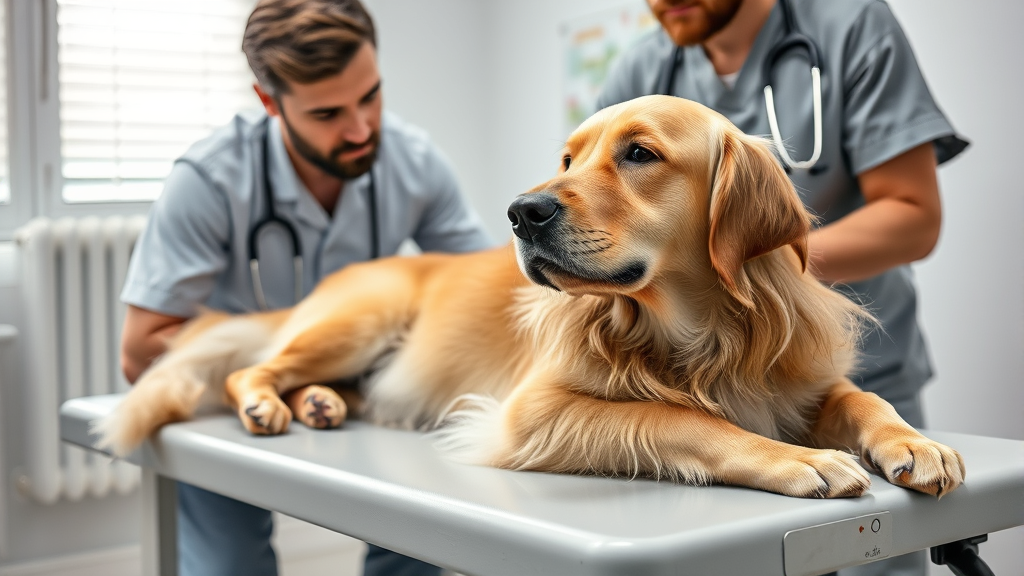
When your furry friend is experiencing digestive upset, you might wonder if human medications like Pepto Bismol could provide relief. This common pink medicine is a household staple for treating nausea, diarrhea, and stomach discomfort in humans, but can dogs safely take Pepto Bismol? The answer isn’t as straightforward as you might think.
While Pepto Bismol can be used for dogs in very specific circumstances, it requires careful consideration, proper dosing, and veterinary guidance. Understanding the risks, benefits, and alternatives is crucial for any pet owner considering this medication. Let’s explore everything you need to know about giving Pepto Bismol to your dog, including when it might be appropriate and when you should avoid it entirely.
What Is Pepto Bismol and How Does It Work?
Pepto Bismol is an over-the-counter medication containing bismuth subsalicylate as its active ingredient. This compound works by coating the stomach lining, reducing inflammation, and slowing down the movement of fluids and electrolytes into the bowel. In humans, it’s commonly used to treat symptoms like heartburn, nausea, upset stomach, indigestion, and diarrhea.
The medication belongs to a class of drugs called antidiarrheals and works through multiple mechanisms. It has anti-inflammatory properties, antimicrobial effects against certain bacteria, and helps normalize fluid secretion in the intestines. The bismuth component provides the coating action, while the salicylate portion (related to aspirin) contributes to the anti-inflammatory effects.
Understanding how Pepto Bismol functions is important because dogs process medications differently than humans. Their digestive systems, metabolism, and sensitivity to various compounds can vary significantly, which is why human medications often require special consideration before being used in veterinary care.
Can Dogs Have Pepto Bismol?
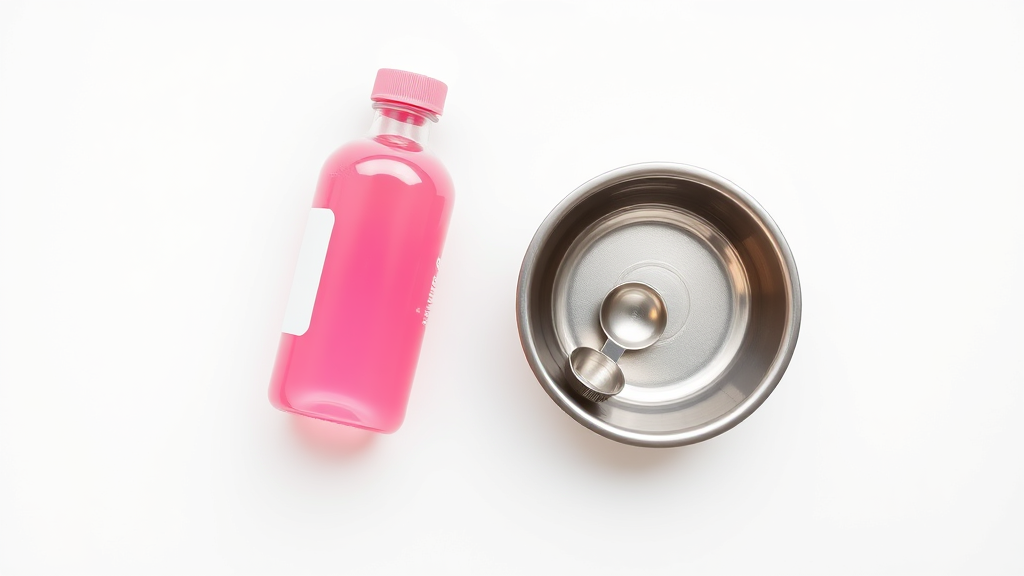
The short answer is that some dogs can have Pepto Bismol under specific circumstances, but it’s not recommended as a first-line treatment. Veterinarians may occasionally suggest Pepto Bismol for dogs experiencing mild digestive upset, but this should always be done under professional guidance. The key word here is “occasionally” – it’s not a medication that should be given regularly or without veterinary consultation.
When veterinarians do recommend Pepto Bismol for dogs, it’s typically for short-term use to address mild diarrhea or stomach upset. However, many veterinary professionals prefer dog-specific medications or other treatment approaches that are specifically formulated for canine physiology. The decision to use Pepto Bismol should always consider the individual dog’s health status, age, size, and any concurrent medications.
It’s worth noting that while some dogs may tolerate Pepto Bismol without immediate adverse effects, this doesn’t mean it’s safe for all dogs or appropriate for long-term use. Just as with human medications like Benadryl, the safety and efficacy can vary significantly between individual animals.
Risks and Side Effects of Pepto Bismol in Dogs
The primary concern with giving Pepto Bismol to dogs is the salicylate component, which is chemically related to aspirin. Dogs are more sensitive to salicylates than humans, and these compounds can cause serious side effects including gastric ulceration, bleeding disorders, and toxicity. Even small amounts can be problematic for some dogs, especially with repeated use.
Common side effects that may occur when dogs take Pepto Bismol include vomiting, loss of appetite, lethargy, and changes in stool color (typically turning dark or black). More serious adverse reactions can include gastric bleeding, which may manifest as black, tarry stools or vomiting that looks like coffee grounds. Some dogs may also experience allergic reactions, difficulty breathing, or trembling.
The bismuth component can also cause issues in dogs. It may interfere with certain diagnostic tests, particularly X-rays, as bismuth is radiopaque and can obscure internal structures. Additionally, the coating action that makes Pepto Bismol effective can potentially interfere with the absorption of other medications your dog might be taking.
Proper Dosage Guidelines for Dogs
If a veterinarian does recommend Pepto Bismol for your dog, proper dosing is absolutely critical. The general guideline often cited is approximately 1 teaspoon per 10 pounds of body weight, given every 6-8 hours. However, this should never be attempted without explicit veterinary guidance, as individual factors can significantly affect the appropriate dose.
The duration of treatment is equally important as the dose itself. Pepto Bismol should typically not be given to dogs for more than 2-3 days consecutively. Extended use increases the risk of side effects and can mask underlying conditions that require different treatment approaches. Always follow your veterinarian’s specific instructions regarding both dosage and duration.
It’s also crucial to use only the original Pepto Bismol formulation and avoid any products containing additional ingredients like acetaminophen or other pain relievers, which can be toxic to dogs. Never give the extra-strength formulations or flavored varieties, as these may contain substances that are harmful to canines.
When to Avoid Pepto Bismol Completely
There are several situations where Pepto Bismol should never be given to dogs. Puppies under 12 weeks of age should not receive this medication, as their developing systems are particularly sensitive to salicylates. Pregnant or nursing dogs should also avoid Pepto Bismol due to potential effects on developing puppies.
Dogs with known allergies to aspirin or salicylates should never receive Pepto Bismol. Additionally, dogs currently taking other medications, particularly blood thinners, steroids, or non-steroidal anti-inflammatory drugs (NSAIDs), should not be given Pepto Bismol due to dangerous drug interactions. Dogs with liver or kidney disease, bleeding disorders, or gastric ulcers should also avoid this medication.
Certain breeds may be more sensitive to salicylates, and dogs with pre-existing health conditions require special consideration. If your dog is showing signs of severe illness, such as excessive panting, persistent vomiting, or signs of dehydration, Pepto Bismol is not appropriate, and immediate veterinary attention is needed.
Safer Alternatives for Dog Digestive Issues
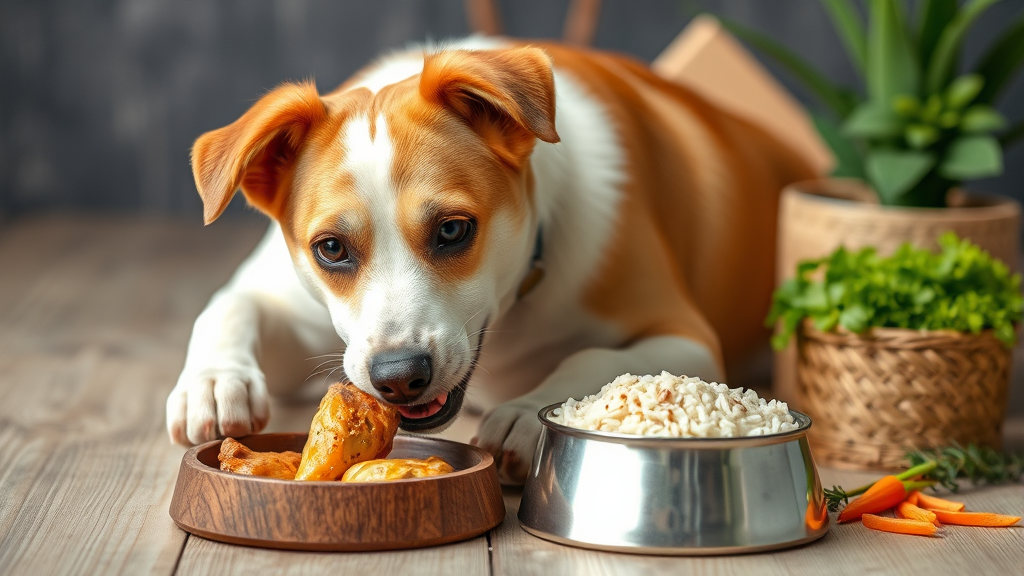
Fortunately, there are several safer alternatives to Pepto Bismol for treating digestive upset in dogs. A bland diet consisting of boiled chicken and rice is often the first recommendation for mild diarrhea or stomach upset. This approach is gentle on the digestive system and provides easily digestible nutrition while allowing the gut to recover.
Probiotics specifically formulated for dogs can help restore healthy gut bacteria and support digestive health. These supplements are generally safe for long-term use and can be particularly beneficial for dogs prone to digestive sensitivities. Pumpkin (plain, not spiced) is another natural remedy that can help with both diarrhea and constipation due to its fiber content.
For dogs experiencing stress-related digestive issues, addressing the underlying cause is important. Sometimes digestive upset can be related to anxiety or environmental changes, similar to how stress might cause dogs to exhibit other symptoms. Ensuring proper hydration with fresh water and electrolyte solutions designed for pets can also support recovery from digestive upset.
When to See Your Veterinarian
While mild, short-term digestive upset might be managed at home with appropriate care, certain symptoms warrant immediate veterinary attention. Contact your veterinarian if your dog experiences persistent vomiting, diarrhea lasting more than 24-48 hours, signs of dehydration, blood in stool or vomit, severe lethargy, or loss of appetite.
Dogs showing signs of pain, such as hunched posture, reluctance to move, or vocalization, should be evaluated promptly. Additionally, if your dog has consumed something potentially toxic or foreign, don’t attempt home treatment – seek professional care immediately. Puppies, senior dogs, and dogs with pre-existing health conditions may need veterinary attention sooner than healthy adult dogs.
According to the American Veterinary Medical Association, it’s always better to err on the side of caution when it comes to giving human medications to pets. Your veterinarian can provide dog-specific treatments that are both safer and more effective than human medications.
Prevention is often the best approach to digestive health. Regular veterinary check-ups, maintaining a consistent diet, avoiding table scraps and potentially harmful foods, and keeping your dog’s environment safe from toxins can help prevent many digestive issues. Just as you might research whether dogs can get the flu or understand canine emotional expressions, staying informed about your dog’s health needs is crucial for responsible pet ownership.
Frequently Asked Questions
Can I give my dog Pepto Bismol for diarrhea?
While some veterinarians may recommend Pepto Bismol for mild diarrhea in specific cases, it should only be given under professional guidance. The medication contains salicylates that can be harmful to dogs, especially with repeated use. Always consult your veterinarian before giving any human medication to your dog, as there are often safer, dog-specific alternatives available.
What’s the safe dosage of Pepto Bismol for dogs?
The commonly cited guideline is approximately 1 teaspoon per 10 pounds of body weight every 6-8 hours, but this should never be attempted without explicit veterinary approval. Proper dosing depends on many individual factors including your dog’s health status, age, and any other medications. Never exceed the recommended duration of 2-3 days, and always use only the original formulation.
What are the signs of Pepto Bismol toxicity in dogs?
Signs of toxicity may include vomiting, loss of appetite, lethargy, difficulty breathing, dark or black stools, and in severe cases, gastric bleeding. More serious symptoms can include trembling, weakness, and pale gums. If you notice any of these symptoms after giving your dog Pepto Bismol, discontinue use immediately and contact your veterinarian or emergency animal hospital.
Are there safer alternatives to Pepto Bismol for dogs?
Yes, several safer alternatives exist for treating digestive upset in dogs. A bland diet of boiled chicken and rice is often recommended for mild cases. Dog-specific probiotics, plain pumpkin, and ensuring proper hydration are also effective approaches. Your veterinarian may prescribe medications specifically formulated for dogs that are both safer and more effective than human medications.
Which dogs should never receive Pepto Bismol?
Puppies under 12 weeks, pregnant or nursing dogs, and dogs with known allergies to aspirin or salicylates should never receive Pepto Bismol. Dogs taking other medications, especially blood thinners or NSAIDs, and those with liver disease, kidney disease, or bleeding disorders should also avoid this medication. Always check with your veterinarian about potential drug interactions.
How long can I give my dog Pepto Bismol?
Pepto Bismol should typically not be given to dogs for more than 2-3 consecutive days. Extended use increases the risk of serious side effects including gastric ulceration and bleeding disorders. If your dog’s symptoms persist beyond this timeframe, veterinary evaluation is necessary to identify and treat any underlying conditions that may require different therapy.
When should I take my dog to the vet instead of trying Pepto Bismol?
Seek immediate veterinary care if your dog shows signs of severe illness, persistent vomiting, diarrhea lasting more than 24-48 hours, blood in stool or vomit, signs of dehydration, severe lethargy, or loss of appetite. According to the FDA’s guidance on pet medications, professional veterinary care is always preferable to attempting home treatment with human medications.





