
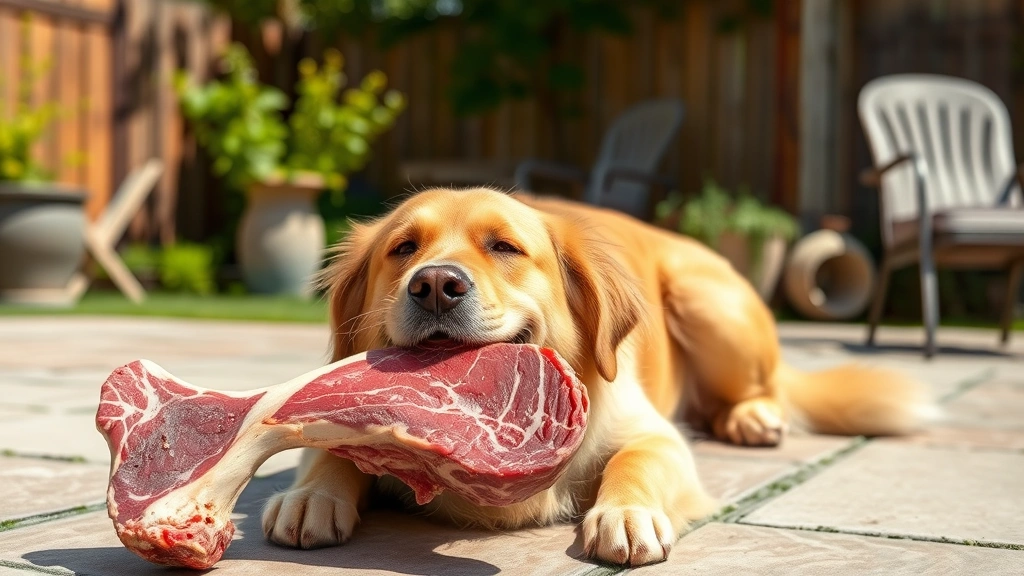
Your dog stares at you with those eyes while you’re eating dinner. You know the look—the one that says, “Please, I’m begging you.” It’s natural to want to share, especially when it comes to something as simple as a bone. But here’s the real talk: not all dog bones are created equal, and some can actually hurt your pup. As a vet tech who’s seen too many emergency surgeries from bone-related injuries, I’m here to help you navigate the bone game safely. Dog bones can be fantastic for your dog’s dental health, mental stimulation, and overall well-being—but only when you choose the right ones and follow some basic safety rules.
Raw vs. Cooked Dog Bones: What’s the Real Difference?
This is the question I get asked most, and honestly, it matters way more than people think. Cooked bones and raw bones behave completely differently in your dog’s digestive system.
Cooked bones are brittle. When you cook a bone—whether it’s from chicken, beef, pork, or lamb—the heat breaks down the collagen and makes the bone structure fragile. This is why cooked bones splinter so easily. Those sharp fragments can lacerate your dog’s mouth, throat, and intestines. I’ve assisted on surgeries where a dog swallowed a cooked bone splinter that punctured the intestinal wall. It’s not pretty, and it’s expensive.
Raw bones, on the other hand, are flexible and dense. They don’t splinter the same way. A raw meaty bone (like a raw chicken neck or beef knuckle) can be chewed safely because it bends rather than breaks into sharp pieces. The flexibility is key.
But here’s the catch: raw bones come with their own risks. Bacteria like E. coli and Salmonella can live on raw bones and potentially make your dog (or your family) sick. This is why handling raw dog bones requires proper hygiene—think of it like handling raw chicken for your own dinner.
The consensus among veterinarians? Raw meaty bones are generally safer than cooked bones, but they’re not risk-free. Some vets recommend them; others prefer to play it safe and stick with alternatives. Talk to your vet about your dog’s individual health status before introducing raw bones.
Safe Dog Bones for Your Pet
Not all dog bones are dangerous. Here’s what you can actually give your pup with reasonable confidence:
- Raw meaty bones: Raw chicken necks, beef knuckles, lamb bones, and turkey necks are generally considered safe. The key word is raw. Make sure they’re from a reputable source and handle them like you’d handle raw meat for yourself.
- Recreational bones: These are bones meant for chewing, not eating. Think of a large beef marrow bone or a knuckle bone. Your dog gnaws on it for hours, getting the nutritional benefits and mental stimulation, but doesn’t actually consume the bone itself. These are safer because the bone is so large and dense that it can’t splinter easily.
- Edible chews: Products like bully sticks, yak chews, and dental chews are processed and designed specifically for dogs. They’re much safer than actual bones because they’re formulated to break down safely in the digestive system.
- Freeze-dried raw bones: Some companies offer freeze-dried raw bones that have been treated to reduce bacterial load. They’re pricier but offer a middle ground between raw and completely processed options.
When selecting dog bones, size matters enormously. A bone should be larger than your dog’s mouth. If your dog can fit the entire bone in their mouth and swallow it, it’s too small. A good rule of thumb: the bone should be at least as long as your dog’s muzzle.
Bones to Avoid at All Costs
This is where I get stern. These bones have no place in your dog’s mouth:
- Cooked chicken bones: Cooked chicken bones are the #1 culprit in my vet clinic’s emergency room. They splinter into razor-sharp pieces. Just don’t do it.
- Cooked pork bones: Pork bones are particularly problematic when cooked because they splinter badly and can also cause pancreatitis due to their fat content. Even raw pork bones come with trichinosis risk if not sourced carefully.
- Cooked rib bones: Cooked rib bones are notoriously dangerous and fragment into small, sharp pieces. I’ve seen these cause intestinal blockages that required surgery.
- Cooked steak bones: Cooked steak bones splinter and can cause serious injury, even though they seem like a “natural” choice.
- Small bones: Chicken bones (cooked or raw), fish bones, and any bone small enough for your dog to swallow whole are off-limits.
- Smoked bones: These are often coated with seasonings that can upset your dog’s stomach, and the smoking process makes them brittle.
- Bones with marrow that’s been sitting out: Rancid fat can cause pancreatitis or gastroenteritis.
A good way to think about it: if you wouldn’t feel comfortable with your dog swallowing a piece of it, don’t give it to them.
Why Dogs Need Dog Bones (Beyond Just Fun)
Your dog isn’t just begging for bones because they taste good (though they definitely do). There are legitimate biological reasons why bones are valuable:
Dental health: Chewing on bones naturally scrapes away plaque and tartar buildup. It’s not a substitute for brushing your dog’s teeth, but it helps. The mechanical action of gnawing strengthens jaw muscles and promotes healthy gums.
Mental stimulation: A dog working on a bone is a happy, occupied dog. For dogs prone to anxiety or destructive behavior, a good bone can redirect that energy productively. It’s like giving them a puzzle to solve.
Nutritional benefits: Raw meaty bones provide bioavailable calcium, phosphorus, and other minerals. They also contain collagen and glucosamine, which support joint health. Some raw feeders argue that whole prey diets (which include raw bones) are closer to what dogs would eat in nature.
Stress relief: The act of chewing releases endorphins. It’s calming. You’ll notice your dog becomes more relaxed after a good chewing session.
Digestive health: The act of chewing and the consumption of raw bone can promote healthy digestion and nutrient absorption, though this is still debated among veterinarians.
The American Kennel Club acknowledges that raw diets including raw bones can be part of a dog’s nutrition, but they emphasize the importance of working with a veterinarian to ensure nutritional balance.
Choking and Blockage: Recognizing the Red Flags
This is the scary part, and I want you to know what to watch for because time matters.
Choking signs: Your dog is gagging, coughing, drooling excessively, or pawing at their mouth. They might seem panicked. If you see this, try to look in their mouth—can you see the bone fragment? If it’s visible and you can safely remove it, do so. If not, or if your dog is severely distressed, get to an emergency vet immediately. Don’t wait.
Blockage signs (these develop over hours or days):
- Vomiting or repeated attempts to vomit
- Loss of appetite
- Lethargy or depression
- Abdominal pain (your dog seems uncomfortable, won’t lie down, or is hunched)
- Constipation or inability to defecate
- Diarrhea (sometimes)
- Abdominal distension or bloating
Blockages are serious. They can be life-threatening if not treated. The bone fragment can perforate the intestine, leading to peritonitis (infection in the abdominal cavity). Surgery might be necessary, and it’s expensive—we’re talking $2,000 to $5,000 or more, depending on severity.
Here’s the reality: if your dog has access to bones, you need to be prepared for the possibility of an emergency. Have your emergency vet’s number saved in your phone. Know where the closest 24-hour animal hospital is. It’s not paranoia; it’s preparedness.
How to Prepare and Serve Dog Bones Safely
If you’ve decided that dog bones are right for your pup, here’s how to do it responsibly:
- Source matters: Buy from reputable sources. If you’re getting raw bones, get them from a butcher or a pet food supplier who specializes in raw diets. Don’t pick up random bones from the ground or give your dog leftovers from your dinner without knowing exactly what’s in them.
- Hygiene first: Wash your hands after handling raw bones. Clean any surfaces where the bone was placed. Don’t let raw bones sit at room temperature for more than 2 hours. Freeze them if you’re not using them immediately.
- Supervise always: Never give your dog a bone and leave the room. Watch them. See how they’re handling it. Some dogs are more aggressive chewers than others and might break off larger pieces.
- Limit chewing time: A good guideline is 15-30 minutes per session. Remove the bone before your dog gets too aggressive and starts breaking off chunks. You can refreeze it and offer it again later.
- Choose the right size: As I mentioned, the bone should be larger than your dog’s mouth. A general rule: if it fits in your dog’s mouth, it’s too small.
- Consider your dog’s health: Dogs with sensitive stomachs, pancreatitis history, or certain health conditions might not tolerate raw bones well. If your dog has allergies or digestive issues, talk to your vet before introducing bones.
- Introduce gradually: If your dog isn’t used to raw bones, start with short sessions. Some dogs’ digestive systems need time to adjust to processing raw bone material.
- Have a plan B: Know what you’ll do if something goes wrong. Have your vet’s number and your emergency clinic’s number readily available.
One more thing: if your dog is a gulper—meaning they swallow things without really chewing—bones might not be the best choice for them. Some dogs just don’t have the temperament for safe bone chewing. That’s okay. There are alternatives.
Dog Bone Alternatives and Substitutes
Not every dog needs real bones, and not every owner is comfortable with them. Here are solid alternatives that still provide benefits:
- Bully sticks: These are made from beef muscle and are digestible. They’re processed specifically for dog safety and don’t splinter. They take a while to chew through, providing mental stimulation and dental benefits.
- Yak chews (Himalayan dog chews): These are hard, long-lasting chews made from yak and cow milk. They’re safe, don’t splinter, and can last weeks. The downside? They’re pricey, and some dogs can break off chunks if they’re aggressive chewers.
- Dental chews: Products designed to clean teeth while your dog chews. They’re formulated to break down safely and often contain ingredients that freshen breath.
- Rubber chew toys: Kong toys, Nylabone alternatives, and other rubber chews are safe and won’t cause blockages. Fill them with peanut butter or treats for extra engagement.
- Antlers: Deer or elk antlers are naturally shed and don’t splinter like bones. They’re very hard, so they’re best for strong chewers. Some dogs can crack teeth on them, so monitor closely.
- Rawhide chews: These are processed and generally safe, though some dogs can have allergic reactions. They’re less messy than raw bones and don’t require the same hygiene precautions.
- Carrot sticks: Raw carrots are cheap, safe, and actually good for your dog’s teeth. They’re not as exciting as bones, but they work in a pinch.
The best alternative depends on your dog’s chewing style, health status, and your comfort level. Talk to your vet about what’s right for your specific dog.
Frequently Asked Questions
Can I give my dog bones from my dinner table?
– Only if they’re raw and you’re absolutely certain of the source. Cooked bones from your dinner are dangerous. Cooked chicken bones, pork bones, and rib bones splinter and cause blockages and perforations. If you’re eating cooked meat, remove the bones before giving any to your dog, or just skip it.
What about bones from the grocery store?
– Grocery store bones are typically cooked or partially cooked during processing. They’re not ideal. If you want raw bones, buy from a butcher or a pet food supplier specializing in raw diets. They’ll have fresher, properly handled options.
Is it okay to microwave or boil a raw bone to make it safer?
– No. Cooking a bone makes it more dangerous, not safer. The heat makes it brittle and prone to splintering. If you’re worried about bacteria on a raw bone, freezing it for 7-10 days or sourcing from a reputable supplier is better than cooking it.
How often can I give my dog bones?
– 2-3 times per week is reasonable for most dogs, assuming they tolerate them well. Monitor your dog’s digestive health. If you notice loose stools or vomiting after bones, dial it back or eliminate them entirely.
Can puppies have bones?
– Puppies have softer teeth and developing digestive systems, so bones are riskier for them. Wait until your puppy is at least 6 months old, and even then, start with supervised, short sessions. Consult your vet first.
What if my dog swallows a bone fragment?
– Stay calm, but don’t ignore it. Monitor closely for the next 48-72 hours. Watch for vomiting, loss of appetite, lethargy, abdominal pain, or changes in bowel movements. If any of these occur, contact your vet or emergency clinic immediately. Don’t wait to see if it passes on its own if your dog shows any distress.

Are there any dog breeds that shouldn’t have bones?
– Small breeds (under 10 pounds) are at higher risk because bones are proportionally larger relative to their digestive tract. Dogs with a history of pancreatitis, IBD, or other digestive issues should avoid bones. Senior dogs with dental problems might struggle with them. Always consult your vet about your individual dog.
Can bones cause constipation?
– Yes. Bone material can be very dense and hard to digest. Some dogs experience constipation after consuming raw bones. If this happens, increase fiber intake (pumpkin puree is a good option) and hydration. If your dog goes more than 48 hours without a bowel movement, contact your vet.





