
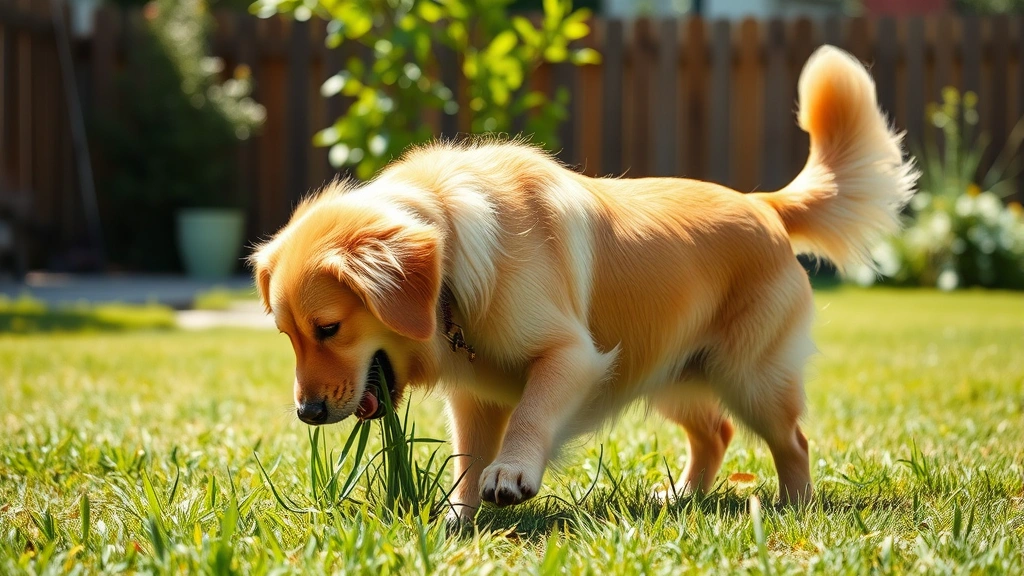
Your dog is out in the yard, and suddenly they’re munching on grass like it’s an all-you-can-eat salad bar. Then, five minutes later, they’re throwing up on your kitchen tile. Sound familiar? Dog eating grass is one of the most common behaviors vets get asked about, and honestly, it freaks owners out more than it should. The good news: in most cases, it’s totally normal. The better news: understanding why your dog eats grass helps you figure out when to actually worry.
Here’s the real talk—dogs eat grass for a bunch of reasons, and most of them aren’t signs of a serious problem. But sometimes, dog eating grass can signal an underlying issue worth investigating. This guide breaks down what’s happening in your dog’s head (and stomach) when they graze, when it’s harmless behavior, and when you should call your vet.
Why Dogs Eat Grass: The Real Reasons
Let’s start with the myth: dogs don’t eat grass because they’re “sick” or trying to “purge” themselves. That’s been debunked by research. A 2008 study published in Applied Animal Behaviour Science found that only 9% of dogs who ate grass actually showed signs of illness before eating it. So what’s really going on?
Dogs eat grass for several legitimate reasons:
- Dietary fiber: Grass contains fiber, which aids digestion. If your dog’s diet lacks adequate fiber, they might seek it out naturally.
- Boredom or stress relief: Some dogs nibble grass the way humans bite their nails—it’s a self-soothing behavior.
- Curiosity and play: Puppies especially explore the world with their mouths. Grass is just part of the terrain.
- Taste or texture preference: Some dogs genuinely like how grass feels and tastes. It’s not that weird.
- Nutritional gaps: Rarely, dogs might be seeking specific nutrients like chlorophyll or minerals.
According to the American Kennel Club (AKC), grass-eating is one of the most frequent questions they receive, and they consistently note that it’s usually harmless. The key is context: *how often* is your dog eating grass, *what’s* happening afterward, and *how* is their overall health?
Is Dog Eating Grass Normal?
Yes. Dog eating grass is completely normal behavior for most dogs. Think of it like how cats occasionally chew on houseplants—it’s part of being an animal with instincts we don’t always understand.
Here’s what normal grass-eating looks like:
- Your dog grazes occasionally (a few times a week or less)
- They eat small amounts and move on
- No vomiting or diarrhea follows
- They seem otherwise healthy, energetic, and happy
- Their appetite and bathroom habits are normal
If your dog fits this profile, you can relax. They’re just being a dog. No intervention needed. Many vets consider occasional grass-eating a completely benign behavior, similar to how dogs roll in dirt or sniff other dogs’ butts—it’s just what dogs do.
However, if your dog is eating grass *constantly* (multiple times daily), or if they’re vomiting frequently afterward, that’s when we need to dig deeper. Excessive dog eating grass can sometimes indicate an underlying problem that deserves attention.
When Dog Eating Grass Signals a Health Problem
Okay, so when should you actually be concerned? Here are the red flags:
- Frequent vomiting after grass-eating: If your dog eats grass and throws up regularly, it could indicate nausea, acid reflux, or gastrointestinal upset.
- Constant, compulsive grass-eating: If your dog is obsessively eating grass all day, it might signal anxiety, boredom, or a medical issue.
- Paired with other symptoms: Grass-eating combined with diarrhea, lethargy, loss of appetite, or weight loss warrants a vet visit.
- Sudden behavior change: If your dog never ate grass before and suddenly started, it could indicate a new problem.
- Eating non-grass plants: If your dog is eating other vegetation, especially toxic plants, that’s a different concern altogether.
The distinction is important: occasional grass-eating is normal; obsessive or symptom-accompanied grass-eating might not be.
Dog Eating Grass and Digestive Issues

This is where dog eating grass intersects with real health concerns. Some dogs eat grass because their digestive system is already upset. It’s like they’re self-medicating—grass can sometimes help move things along or settle the stomach.
Common digestive issues linked to excessive grass-eating include:
- Inflammatory bowel disease (IBD): Dogs with IBD often have chronic nausea and may eat grass for relief.
- Acid reflux: Grass can help buffer stomach acid temporarily.
- Parasites: Intestinal worms can cause discomfort, leading dogs to eat grass.
- Food allergies or sensitivities: If your dog’s regular food isn’t sitting well, they might seek fiber or other relief.
- Pancreatitis: This serious condition causes nausea and abdominal pain; grass-eating might be a symptom.
If your dog is experiencing diarrhea alongside grass-eating, check out our guide on what to feed a dog with diarrhea. Dietary adjustments often help. Also, if you’ve noticed changes in your dog’s poop color or consistency, our article on why your dog’s poop is black might provide insight into what’s happening in the GI tract.
Pro tip: Keep a log of when your dog eats grass and what happens afterward. Bring this to your vet appointment. It’s incredibly helpful for diagnosis.
Behavioral Reasons for Dog Eating Grass
Not every instance of dog eating grass is medical. Sometimes it’s purely behavioral.
Boredom and under-stimulation: Dogs need mental and physical exercise. A bored dog will find entertainment in anything—including grass. If your dog is eating grass excessively and you’re not exercising them much, that’s likely the culprit. Aim for at least 30 minutes of activity daily, depending on breed and age.
Anxiety and stress: Some dogs eat grass when they’re anxious. This can happen during thunderstorms, fireworks, or separation anxiety. It’s a self-soothing behavior. If you suspect anxiety, consult with a veterinary behaviorist or your vet about management strategies.
Attention-seeking: If your dog has learned that eating grass gets your attention (even negative attention like yelling), they might do it more. This is less common but worth considering if the behavior started after a specific event.
Learned behavior: If other dogs in the household eat grass, your dog might copy them. Dogs are social learners.
Pica (eating non-food items): In rare cases, obsessive grass-eating can be part of pica, a condition where dogs compulsively eat inappropriate items. This usually requires professional intervention.
How to Safely Manage Dog Eating Grass
If your dog’s grass-eating is normal but you want to manage it, here are practical strategies:
- Increase fiber intake: Add fiber-rich foods to their diet. Rice is a great fiber source and pairs well with regular kibble. Pumpkin puree is another excellent option (plain, not pie filling).
- Boost exercise and enrichment: More walks, playtime, and mental stimulation reduce boredom-related grass-eating. Try puzzle toys, sniff walks, or training sessions.
- Provide safe grass alternatives: Consider planting a dog-safe grass area or offering wheatgrass indoors. Some dogs will nibble this instead of your lawn.
- Supervise outdoor time: If you’re concerned about pesticides or toxic plants, keep an eye on your dog when they’re outside. Redirect them if they start eating grass excessively.
- Review their diet: Make sure their food is high-quality and meeting their nutritional needs. Low-quality diets lacking fiber or nutrients can trigger grass-seeking behavior.
- Address underlying anxiety: If stress is the culprit, work with your vet on calming strategies. This might include supplements, training, or medication in severe cases.
Remember: you don’t need to *stop* your dog from eating grass unless there’s a specific reason. It’s not inherently dangerous. The goal is to understand *why* they’re doing it and address any underlying issues.
Grass Safety: Pesticides and Toxins
Here’s a legit concern: if the grass your dog is eating has been treated with pesticides, herbicides, or fertilizers, that *can* be harmful. This is especially true in yards that have been recently treated.
Pesticide exposure risks:
- Acute symptoms: vomiting, diarrhea, drooling, tremors
- Chronic exposure: organ damage, neurological issues
- Some herbicides (like those containing glyphosate) are linked to health concerns in dogs
How to minimize risk:
- Use pet-safe lawn treatments or avoid chemicals altogether
- If your yard is treated, keep your dog indoors for 24-48 hours afterward
- If you take your dog to parks or other properties, you can’t control what’s been applied—just be aware
- Wash your dog’s paws after outdoor time if you’re worried about residue
Additionally, some plants that grow in grass are toxic to dogs. While bones aren’t plants, understanding what’s safe to ingest is part of the same safety conversation. If your dog is eating non-grass vegetation, check the ASPCA’s list of toxic plants to make sure nothing dangerous is growing in your yard.
Also worth noting: if your dog is throwing up foam, it could be related to grass-eating combined with an empty stomach. Feeding smaller, more frequent meals can help.
Frequently Asked Questions
Is it bad if my dog eats grass?
– Not inherently. Occasional grass-eating is normal and harmless for most dogs. However, if it’s constant, paired with vomiting, or accompanied by other symptoms like diarrhea or lethargy, it warrants a vet check.
Why does my dog eat grass and then throw up?
– This happens because grass is rough and can irritate an already-sensitive stomach, or because your dog is eating too quickly. If this occurs frequently, your dog might have an underlying GI issue like acid reflux, food sensitivity, or parasites. See your vet to rule these out.
Should I stop my dog from eating grass?
– Only if there’s a specific reason (pesticide exposure, toxic plants, or compulsive behavior). Otherwise, it’s not necessary. If your dog is eating grass because they’re bored, address the boredom instead.
Does grass-eating mean my dog has worms?
– Not necessarily. Worms can cause grass-eating, but so can dozens of other things. If you suspect parasites, your vet can do a fecal test. Regular parasite prevention is the best safeguard.
Can I give my dog wheatgrass instead of lawn grass?
– Yes! Many dogs enjoy wheatgrass, and it’s safe. You can grow it indoors or buy it from pet stores. Some dogs will prefer it to lawn grass, which can reduce their lawn-grazing behavior.
What does it mean if my dog suddenly started eating grass?
– A sudden behavior change often signals something new—either a medical issue or a change in their environment/routine. If this just started, schedule a vet visit to rule out illness. If it coincided with a move, new diet, or life change, it might be stress or adjustment-related.

Is there a difference between a dog eating grass occasionally vs. constantly?
– Yes. Occasional (a few times a week) is normal. Constant (multiple times daily, obsessive) suggests boredom, anxiety, or a medical problem. Frequency and intensity matter when determining if intervention is needed.
Can grass-eating cause intestinal blockage?
– Rarely. Grass itself doesn’t usually cause blockages. However, if your dog is eating large quantities of grass *and* swallowing it whole (rather than chewing), there’s a small risk. If you notice signs of blockage—straining, constipation, lethargy, loss of appetite—seek emergency vet care.





