
Your dog’s liver is working 24/7 to filter toxins, produce bile, and keep their whole system running. When dog liver illness strikes, it’s not always obvious—your pup might seem fine until suddenly they’re not. As a vet tech who’s seen countless dogs come through the clinic with liver problems, I can tell you that catching dog liver illness early makes all the difference. This guide walks you through what you need to know: the warning signs, what causes dog liver illness, how vets diagnose it, and what you can actually do about it.
What Is Liver Disease in Dogs?
The liver is your dog’s cleanup crew. It processes nutrients, filters out waste, produces proteins, and stores energy. When we talk about dog liver illness, we’re really talking about any condition that damages liver cells or prevents the organ from doing its job properly.
There are two main categories: acute (sudden) and chronic (long-term). Acute dog liver illness can come on fast—sometimes within days. Chronic dog liver illness develops slowly over months or years, which is why many owners don’t notice until the damage is significant.
The tricky part? The liver is resilient. Dogs can lose up to 75% of their liver function before showing symptoms. That’s why dog liver illness often gets missed in early stages. By the time owners bring their dog in, the liver has already taken a real hit.
According to the American Kennel Club, liver disease is one of the top health concerns in senior dogs, but it can affect dogs of any age depending on the underlying cause.
Warning Signs Your Dog Has Liver Illness
Your dog can’t tell you their liver hurts, so you need to watch for behavioral and physical changes. Here’s what to look for:
- Jaundice (yellowing): Check the whites of their eyes, gums, and inner ear flaps. If they look yellow or orange-tinted, that’s a red flag for dog liver illness.
- Vomiting and loss of appetite: If your dog suddenly turns their nose up at food or throws up regularly, liver problems could be the culprit.
- Diarrhea or pale stools: Pale, clay-colored poop is a classic sign of dog liver illness because the liver isn’t producing enough bile.
- Excessive thirst and urination: Your dog is hitting the water bowl constantly? That’s worth investigating.
- Lethargy and weakness: They’re sleeping more than usual and seem generally uninterested in walks or play.
- Abdominal swelling: A bloated or pot-bellied appearance can indicate fluid buildup from liver failure.
- Weight loss: Despite eating (or not eating), your dog is getting thinner.
- Behavioral changes: Confusion, disorientation, or unusual aggression can signal hepatic encephalopathy—a serious complication of dog liver illness where toxins affect the brain.
You might also notice bad breath in dogs as a sign of illness, which can be connected to liver disease. Additionally, why your dog is breathing hard could relate to liver complications affecting the lungs.
Here’s the real talk: if you see even two or three of these signs, don’t wait. Get your dog to the vet. Dog liver illness progresses fast once symptoms show up.
What Causes Dog Liver Illness
Understanding what triggers dog liver illness helps you know if your dog is at risk. The causes are varied:
Infections
Bacterial infections (like leptospirosis) can cause acute dog liver illness. Fungal infections are less common but serious. Some parasites also damage liver tissue.
Toxins and Medications
This is a big one. Certain medications, pesticides, heavy metals, and even foods (like xylitol) can poison the liver. If you’ve been giving your dog over-the-counter pain meds or supplements without vet approval, that’s a risk factor. This is why knowing whether dogs can have acetaminophen matters—some common human medications are toxic to dogs.
Genetics
Some breeds (like Dobermans, Labs, and Cocker Spaniels) are predisposed to certain types of liver disease. Copper storage disease is hereditary in some lines.
Obesity
Fat accumulation in the liver (hepatic lipidosis) is increasingly common in overweight dogs. It’s preventable but serious once it develops.
Chronic Conditions
Diabetes, Cushing’s disease, and pancreatitis can all lead to secondary dog liver illness.
Age
Senior dogs develop liver disease more often, partly because of cumulative exposure to toxins and partly because the liver naturally loses efficiency with age.
Autoimmune Disease
Sometimes the immune system attacks liver cells, causing chronic inflammation and dog liver illness.
According to PetMD, the most common causes of acute dog liver illness in the U.S. are toxin exposure and infection, while chronic causes tend to be breed-related or metabolic.
How Vets Diagnose Dog Liver Illness
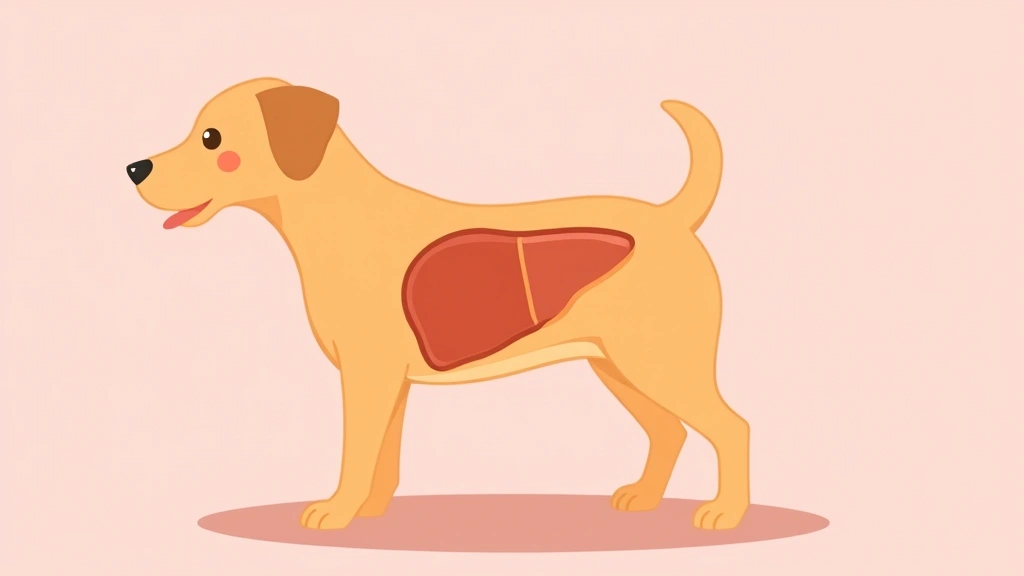
When you bring your dog in with suspected dog liver illness, here’s what happens:
Physical Exam
The vet checks for jaundice, abdominal pain, and overall condition. They’ll ask detailed questions about diet, medications, and behavior changes.
Blood Tests
This is the main diagnostic tool for dog liver illness. The vet looks at liver enzymes (ALT, AST, ALP) and bilirubin levels. Elevated numbers suggest liver damage or dysfunction. Albumin and clotting factors tell us if the liver is still making proteins properly.
Urinalysis
Checking urine can reveal bilirubin or other abnormalities related to dog liver illness.
Ultrasound
This imaging shows the liver’s size, texture, and structure. It can reveal tumors, scarring, or other structural problems causing dog liver illness.
Liver Biopsy
If the vet needs a definitive diagnosis, they might take a tiny tissue sample. It’s uncomfortable but not dangerous, and it tells us exactly what’s happening at the cellular level with dog liver illness.
Bile Acid Test
This specialized blood test measures how well the liver is processing bile. It’s particularly useful for diagnosing certain types of dog liver illness.
The whole workup usually takes a few days. Don’t rush your vet—they’re being thorough because the treatment for dog liver illness depends heavily on the specific cause.
Treatment Options for Dog Liver Illness
Treatment for dog liver illness varies wildly depending on the cause and severity. Here’s what to expect:
Supportive Care
For acute dog liver illness, the first step is often just supporting your dog’s body while the liver heals. This means IV fluids, anti-nausea medication, and sometimes antibiotics if infection is involved.
Medication
Depending on the type of dog liver illness, your vet might prescribe:
- Ursodeoxycholic acid (Actigall): Helps the liver process bile and reduces inflammation.
- Silymarin (milk thistle): An herbal supplement that may protect liver cells.
- SAMe (S-adenosylmethionine): Supports liver detoxification.
- Antibiotics: If bacterial infection caused the dog liver illness.
- Anticonvulsants: If hepatic encephalopathy (brain involvement) is happening.
Pain management is important too. If your dog is uncomfortable, ask your vet about what pain medicine is safe for dogs with liver disease—some options are safer than others for compromised livers.
Addressing the Root Cause
If toxin exposure caused the dog liver illness, removing that toxin is step one. If it’s a treatable infection, antibiotics or antifungals help. If it’s genetic or autoimmune, management focuses on slowing progression.
Surgery
Rarely, dog liver illness requires surgery—like removing a tumor or correcting a shunt (abnormal blood vessel).
Monitoring
After treatment starts, your vet will recheck blood work every 2-4 weeks initially. The goal is watching liver enzyme levels trend downward. This is not a “one visit and done” situation with dog liver illness.
Pro Tip: Keep a record of all your dog’s blood work results. Trends matter more than individual numbers. If ALT drops from 500 to 300 to 200, that’s progress in dog liver illness treatment.
Diet and Nutrition
Diet is huge for managing dog liver illness. Your vet might recommend a prescription liver diet, and yes, it tastes like cardboard to us but dogs often do fine on it.
What to Feed
Liver diets are typically:
- Low in copper (copper accumulates in damaged livers)
- Moderate in high-quality protein (not too much, not too little)
- Low in fat (easier to digest)
- High in fiber
Your vet might recommend brands like Royal Canin Hepatic or Hill’s l/d. These are formulated specifically for dog liver illness.
Home-Cooked Options
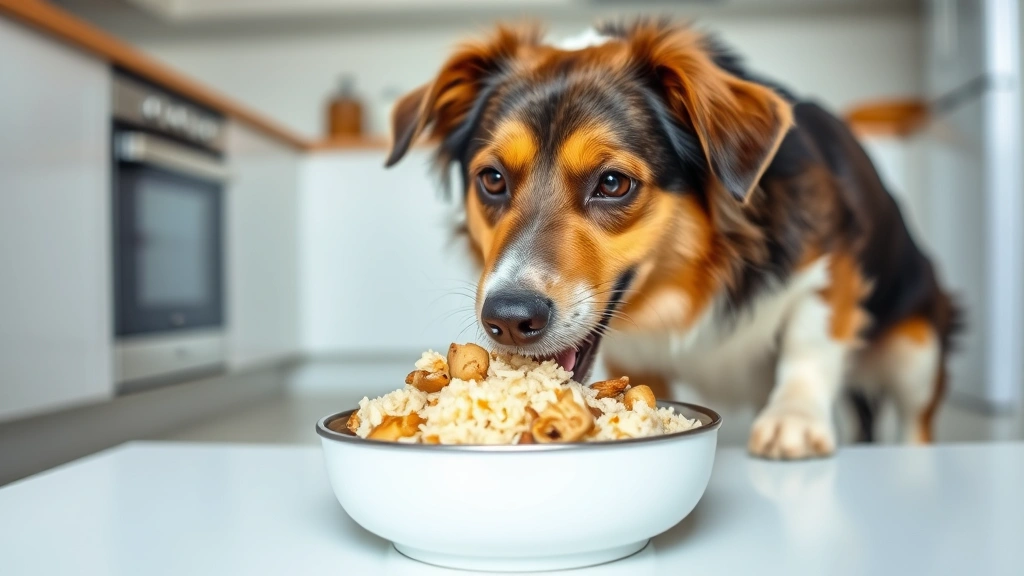
If your dog won’t eat prescription food, ask your vet about home-cooked diets. You’ll need guidance from a veterinary nutritionist to ensure it’s balanced for dog liver illness. Rice is often part of these diets—whether white or brown rice is better for dogs depends on individual digestion, but both can work for dog liver illness support.
What to Avoid
- Table scraps (especially fatty meats)
- Foods high in copper (organ meats, shellfish, nuts)
- Onions and garlic (toxic to dogs)
- Xylitol-containing products (extremely toxic)
- Excess salt
Supplements
Talk to your vet before adding anything. Some supplements help dog liver illness, but others stress the liver further. Milk thistle is generally safe, but dosing matters.
Safety Warning: Don’t assume “natural” means safe for dog liver illness. Many herbs are processed by the liver and can make things worse.
Prevention and Monitoring
You can’t prevent all dog liver illness, but you can reduce risk:
Preventive Measures
- Keep your dog at a healthy weight: Obesity directly causes liver disease.
- Avoid unnecessary medications: Only give what your vet prescribes. That includes over-the-counter supplements.
- Vaccinate against leptospirosis: This bacterial infection causes acute dog liver illness. The vaccine isn’t perfect, but it helps.
- Minimize toxin exposure: Store chemicals safely. Use pet-safe pesticides. Don’t let your dog chew on random things.
- Regular vet checkups: Annual exams catch early signs of dog liver illness before symptoms show.
- Watch their diet: Quality food matters. Cheap foods sometimes contain contaminants.
Monitoring at Home
Once your dog has had dog liver illness or is at risk, monitor closely:
- Check gums and eye whites for yellowing monthly
- Note appetite and bathroom habits
- Watch energy levels
- Keep a log of any symptoms
- Stick to vet appointments—don’t skip rechecks
Long-Term Outlook
The prognosis for dog liver illness depends on the cause and how far it’s progressed. Acute dog liver illness from toxin exposure? If caught early, many dogs recover fully. Chronic cirrhosis? That’s managed but not cured. The goal becomes keeping your dog comfortable and slowing decline.
According to research from Cornell University’s College of Veterinary Medicine, dogs diagnosed with early-stage dog liver illness and managed aggressively can live years with good quality of life.
Frequently Asked Questions
Can dog liver illness be cured?
– It depends on the cause. Acute dog liver illness from toxin exposure or infection can sometimes be fully reversed if caught early. Chronic dog liver illness like cirrhosis can’t be cured, but it can be managed to extend your dog’s life and maintain quality.
How long can a dog live with liver disease?
– This varies enormously. Some dogs with well-managed chronic dog liver illness live 1-3 years after diagnosis. Others live much longer. Acute dog liver illness that’s treated aggressively can resolve in weeks. Your vet can give you a better estimate based on your dog’s specific situation.
Is dog liver illness painful?
– Not always in the classic sense, but dogs with dog liver illness often feel lousy—nauseous, weak, and uncomfortable. The abdominal inflammation can cause pain. Managing this with medication and diet helps a lot.
Can I give my dog supplements for liver health?
– Some supplements help, but others stress the liver. Milk thistle is generally considered safe for dog liver illness. Always check with your vet before starting anything. Don’t assume supplements are necessary if your dog is already on prescription diet and medication.
What’s the difference between liver disease and liver failure?
– Dog liver illness is any condition affecting the liver. Liver failure means the liver has lost most of its function and can’t sustain the body anymore. It’s the end stage of dog liver illness. This is why catching it early matters so much.
Can stress cause dog liver illness?
– Stress doesn’t directly cause dog liver illness, but it can worsen existing disease by suppressing the immune system. Keeping your dog calm and comfortable is part of managing dog liver illness.
Do certain dog breeds get liver disease more often?
– Yes. Dobermans, Labrador Retrievers, Cocker Spaniels, Bedlington Terriers, and West Highland White Terriers have genetic predispositions to certain types of dog liver illness. If you have one of these breeds, talk to your vet about screening and prevention.
What should I do if I suspect my dog has liver illness?
– Call your vet immediately. Don’t wait. Early intervention makes a huge difference with dog liver illness. Bring a list of symptoms, recent medications, and any behavioral changes. The sooner your vet runs blood work, the sooner you’ll have answers and can start treatment.