
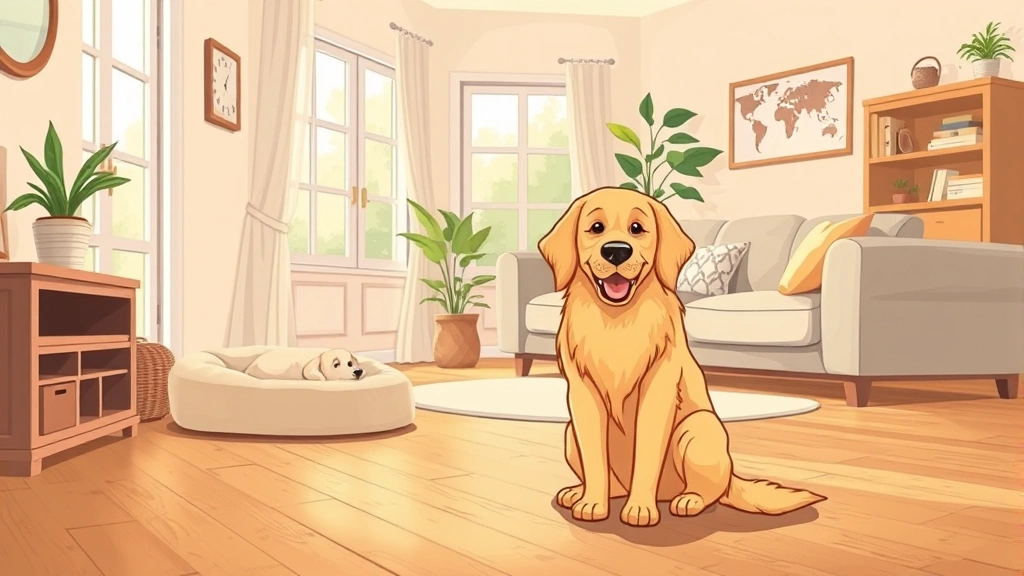
Your dog on house duty is one of life’s greatest joys—and one of its messiest realities. Whether you’re dealing with muddy paws on white couches, accidents on hardwood floors, or the constant battle against pet hair, living with a dog indoors requires strategy, patience, and honestly, a sense of humor. I’ve worked with hundreds of dog owners in the vet clinic, and the ones who thrive aren’t necessarily the richest or most patient—they’re the ones with a solid game plan. This guide breaks down exactly how to make your home dog-friendly without sacrificing your sanity or your security deposit.
Creating a Dog-Proof Home Layout
Think of your home like a dog’s playground. If you wouldn’t want your dog doing something, make it physically impossible or extremely inconvenient. This isn’t about restricting your dog—it’s about setting them up for success.
Start by identifying high-traffic zones. The kitchen, entryway, and living room are where most accidents happen because that’s where your dog spends the most time. Install baby gates (yes, the same ones for human babies work great) to section off areas when you can’t supervise. This isn’t cruel; it’s the same principle as understanding what curb your dog means—managing their environment to prevent problems.
Keep food and water bowls in an easy-to-clean area, ideally tile or vinyl. Carpet absorbs everything, and trust me, you don’t want mystery stains becoming a permanent feature. If you have a dog on house, consider using washable mats under bowls to catch splashes.
- Entryway setup: Install a boot tray or mat right inside the door. Train your dog to wait there while you wipe paws. This single habit prevents 80% of indoor mud problems.
- Bedroom boundaries: Decide early if your dog sleeps with you. If not, keep the door closed. A dog on house who has bedroom access will mark territory if they’re anxious.
- Bathroom access: Some dogs get into trash or drink toilet water. Close bathroom doors or use childproof locks on cabinets.
- Staircase safety: Install gates at the top and bottom if you have a puppy or senior dog. Falls are real injuries.
According to the American Kennel Club’s breed-specific guides, different breeds have different space needs. A high-energy Border Collie needs more room to move than a Bulldog, so layout matters based on your dog’s personality.
Managing Accidents and Housetrain Issues
Here’s the real talk: even well-trained dogs have accidents indoors. It’s not failure. It’s biology meeting circumstance.
First, rule out medical issues. If your dog is suddenly having accidents, visit your vet. Issues like blood in urine or sudden frequency changes signal UTIs, diabetes, or kidney problems—not behavioral issues. A dog on house with medical problems needs treatment, not punishment.
For housetrain reinforcement:
- Establish a schedule: Take your dog out first thing in the morning, after meals (usually 15-30 minutes), after naps, before bed, and before you leave. Puppies need to go out every 2-3 hours.
- Use a designated potty spot: Always take your dog to the same outdoor area. The scent cues them that this is the bathroom.
- Reward immediately: The second your dog finishes outside, treat and praise like they just won the lottery. Timing matters—reward within 2 seconds.
- Clean accidents properly: Regular cleaners don’t work. Enzyme-based cleaners (like Nature’s Miracle) break down urine proteins. If you don’t fully eliminate the scent, your dog will re-mark that spot. This is why knowing how to get dog pee out of mattress matters—old accidents create new ones.
- Never punish: Yelling or rubbing their nose in it doesn’t work. It teaches your dog to hide when they need to go, making training harder.
Pro Tip: If your dog is having frequent accidents, check hydration. Learning how to get your dog to drink water properly can actually reduce indoor accidents because you’ll know when they’re going out.
Crate training accelerates housetrain success. Dogs naturally avoid soiling where they sleep. A properly-sized crate (big enough to stand, turn around, and lie down—not bigger) teaches bladder control because your dog won’t want to sit in their own mess.
Furniture and Flooring Strategies
Your choice of flooring and furniture makes or breaks a dog on house situation. This isn’t cosmetic—it’s functional.
Flooring: Hardwood looks nice but scratches easily and gets slippery for arthritic dogs. Laminate is budget-friendly but not waterproof (moisture seeps under and causes warping). Luxury vinyl plank (LVP) is the sweet spot: waterproof, durable, and dog-friendly. Tile works but is cold and loud. Avoid carpet in high-traffic areas—it’s a urine sponge.
Furniture protection: You have options:
- Slipcovers: Removable, washable, and affordable. They transform your couch into a dog-proof zone.
- Furniture protectors: Waterproof pads that go under cushions. Less aesthetic but practical.
- Dog-specific furniture: Orthopedic dog beds near your seating let your dog be close without climbing on the couch.
- Raised dog beds: For senior dogs or those with joint issues, these provide comfort and keep them off cold floors.
Consider your dog’s age and health too. Proper nutrition affects coat health and shedding, which impacts furniture in indirect ways. A well-fed dog has healthier skin and sheds less.
Color matters. Dark furniture hides fur better. Light colors show every hair but hide dirt stains. Choose based on your dog’s coat color and your tolerance for visible pet hair.
Hygiene and Odor Control
A dog on house means accepting that some odor is inevitable. The goal isn’t elimination—it’s management.
Enzymatic cleaners are non-negotiable. When your dog has an accident, the urine isn’t just liquid—it contains bacteria and proteins that smell. Regular cleaners mask the odor; enzymes destroy it. Brands like Nature’s Miracle, Rocco & Roxie, and Primal work well. Spray generously, let sit for 10-15 minutes, and let it dry completely.
For general freshness:
- Wash bedding weekly: Dog beds, blankets, and any fabric they use should go in the washing machine regularly.
- Air out the house: Open windows daily. Fresh air beats any spray.
- Use baking soda strategically: Sprinkle on carpets, let sit 15 minutes, then vacuum. It absorbs odors without chemicals.
- Consider air purifiers: HEPA filters capture pet dander and odor particles. They’re worth it for multi-dog households.
- Groom regularly: Bathing your dog every 4-6 weeks reduces natural odor. Brushing removes loose fur that traps smell.
Safety Warning: Never use ammonia-based cleaners on dog accidents. Ammonia smells like urine to dogs, and they’ll re-mark that spot. Essential oil diffusers are also risky—many oils are toxic to dogs. Stick to dog-safe products.
Odor control is also about health. Mold and mildew from moisture can develop if accidents aren’t cleaned properly, which is bad for both you and your dog’s respiratory health.
Safe Spaces and Crate Training
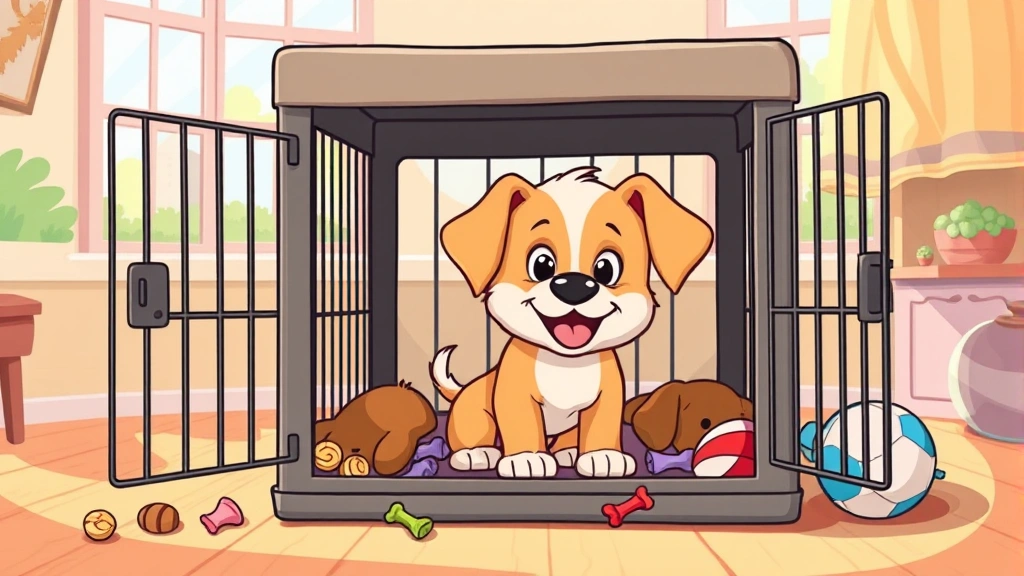
A dog on house needs a sanctuary—a place that’s theirs where they feel secure. This isn’t a punishment box; it’s a bedroom.
Crate training is one of the most underrated tools in dog ownership. A properly-introduced crate becomes your dog’s safe zone. When you can’t supervise, when guests are over, when you need a break—the crate is there.
Introduction steps:
- Leave the door open. Let your dog explore at their own pace.
- Toss treats inside randomly so they associate it with good things.
- Feed meals inside the crate with the door open.
- Close the door for short periods while you’re in the room.
- Gradually increase duration. This takes weeks, not days.
- Only use it when you’re gone after your dog is completely comfortable.
Size matters. Too big and your dog will potty in one corner and sleep in another. Too small and it’s uncomfortable. The rule: your dog should stand, turn around, and lie down comfortably.
Beyond the crate, create a designated dog zone. A corner with a bed, water bowl, and toys gives your dog autonomy within your home. Some dogs prefer elevated spaces (like under a table); others like open areas. Observe what your dog chooses naturally.
A dog on house with a safe space has fewer behavior problems because they have control over their environment. Anxiety decreases, which reduces destructive behavior and accidents.
Daily Routines That Reduce Chaos
Consistency is the foundation of a well-behaved dog on house. Dogs thrive on routine because it’s predictable.
Sample daily schedule:
- 6:00 AM: First potty break and breakfast (if feeding once daily) or breakfast
- 6:30 AM: Exercise (walk, play, training)
- 7:00 AM: Crate time or supervised free time while you prep for work
- 12:00 PM: Midday potty break (hire a dog walker if you work full-time)
- 5:30 PM: Dinner and potty break
- 6:00 PM: Exercise and play
- 8:00 PM: Final potty break
- 9:00 PM: Crate or bedroom time
The key is regularity. Your dog’s bladder and bowels work on schedules. If you’re inconsistent, your dog can’t learn to hold it.
Exercise is non-negotiable. A tired dog is a well-behaved dog. The amount varies by breed and age, but most adult dogs need 30-60 minutes of activity daily. High-energy breeds need more. Without adequate exercise, dogs develop destructive behaviors, excessive barking, and anxiety.
Training sessions should be short (5-10 minutes) and happen daily. This isn’t just about obedience—it’s mental stimulation. A dog on house who gets regular training is happier and more confident.
Managing Shedding and Fur
If you have a dog on house, you have fur. Everywhere. On your clothes, in your car, in your food. It’s just part of the deal.
Shedding depends on breed and season. Double-coated breeds (Labs, Huskies, German Shepherds) shed year-round and blow their coat twice yearly. Single-coated breeds (Poodles, Maltese) shed minimally. There’s no breed that doesn’t shed at all, despite what breeders claim.
Shedding management:
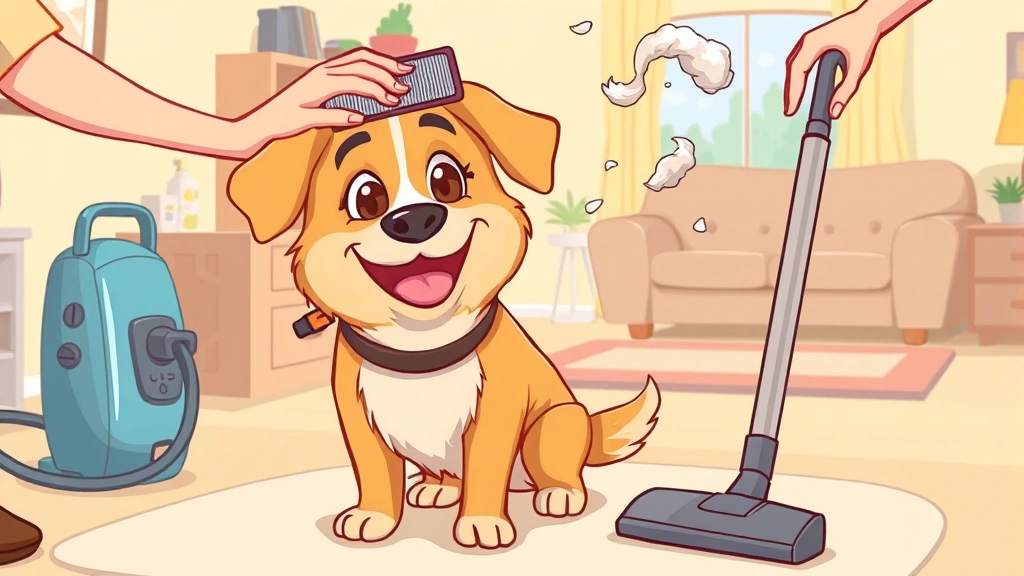
- Brush regularly: Daily brushing during shedding season removes loose fur before it hits your floor. Use a de-shedding tool like a FURminator or undercoat rake.
- Bathe strategically: Bathing loosens fur, so do it when you’re ready to brush. Follow with a high-velocity dryer if you have one (or use a regular hairdryer on cool setting).
- Invest in a vacuum: A pet-specific vacuum with strong suction is worth every penny. Regular vacuums clog with pet hair.
- Use lint rollers: Keep them everywhere—car, couch, bed, purse.
- Washable furniture covers: They catch fur and are easy to clean.
- Air filters: Change them monthly during shedding season.
Nutrition affects shedding too. Dogs with poor coat quality shed more. High-quality protein and omega fatty acids improve skin and coat health. If your dog is shedding excessively, discuss diet with your vet.
Pro Tip: Schedule grooming appointments during peak shedding seasons (spring and fall). A professional groomer removes massive amounts of loose fur in one session, reducing what ends up in your home for weeks afterward.
Preventing Destructive Behavior Indoors
A dog on house who chews furniture, shreds cushions, or digs at carpets isn’t being naughty—they’re communicating something’s wrong.
Common causes:
- Boredom: Insufficient mental or physical stimulation. Solution: more exercise, puzzle toys, training.
- Anxiety: Separation anxiety, noise anxiety, or general nervousness. Solution: crate training, calming supplements, sometimes medication from your vet.
- Teething: Puppies need appropriate chew outlets. Frozen washcloths, rubber toys, and raw marrow bones help.
- Attention-seeking: If your dog gets attention (even negative) for destructive behavior, they’ll repeat it. Ignore the behavior; reward calm behavior.
- Medical issues: Dental pain, intestinal parasites, or skin allergies cause destructive behavior. Rule these out with a vet visit.
Prevention strategies:
- Provide appropriate outlets: Kong toys, Nylabone, puzzle feeders, and chew toys give your dog something to do.
- Rotate toys: Same toys get boring. Rotate them weekly to keep interest high.
- Supervise or confine: If you can’t watch your dog, they’re in a crate or confined space. This isn’t punishment; it’s management.
- Exercise before alone time: A tired dog is less likely to destroy things while you’re gone.
- Don’t leave temptation: If your dog chews shoes, don’t leave shoes lying around. Make good choices easy.
- Redirect immediately: Catch your dog in the act of destructive behavior and redirect to an appropriate toy. Praise when they engage with the toy instead.
Some dogs benefit from calming products. Adaptil diffusers (which release dog-appeasing pheromones), anxiety wraps, or supplements like L-theanine can help. Severe cases might need professional training or veterinary behavior medication. There’s no shame in getting help.
A dog on house with appropriate outlets for their natural behaviors is a happy dog. Chewing, digging, and shredding are normal—your job is channeling them appropriately, not eliminating them.
Frequently Asked Questions
How long does it take to housetrain a dog on house?
– Most puppies are reliably housetrained by 4-6 months, but some take longer. Adult dogs usually housetrain in 2-4 weeks if they have no medical issues. Consistency matters more than time. Some dogs regress during stress (moving, new family member, illness), which is normal and temporary.
Is it okay to leave a dog on house alone all day?
– No. Dogs are social animals and shouldn’t be alone longer than 4-6 hours regularly. If you work full-time, hire a dog walker or use doggy daycare for midday breaks. Leaving a dog alone 8+ hours daily causes anxiety, accidents, and destructive behavior. If you can’t provide companionship, reconsider dog ownership.
What’s the best flooring for a dog on house?
– Luxury vinyl plank (LVP) is ideal: waterproof, durable, affordable, and easy to clean. Tile works but is cold and hard on joints. Laminate isn’t waterproof. Hardwood scratches easily. Avoid carpet in high-traffic areas unless you’re okay with stains and odor.
How do I stop my dog from jumping on furniture?
– Provide an alternative (a dog bed next to the couch). When your dog uses the bed, reward heavily. If they jump on furniture, redirect to the bed without making a big deal about it. Never allow them up sometimes and forbid it other times—dogs don’t understand inconsistency. If you want them off furniture, always enforce it.
Can I use essential oils or air fresheners around a dog on house?
– Many essential oils are toxic to dogs (tea tree, eucalyptus, citrus, lavender in high concentrations). Plug-in air fresheners contain chemicals that can irritate respiratory systems. Stick to dog-safe options: baking soda, enzymatic cleaners, open windows, and regular grooming. When in doubt, ask your vet.
My dog has accidents indoors even though they’re housetrained. What’s wrong?
– Medical issues are the first suspect: UTIs, diabetes, kidney disease, or incontinence. Schedule a vet visit and bring a urine sample. If medical causes are ruled out, consider anxiety, marking behavior (especially intact males), or changes in routine. Keep a log of accidents (time, location, circumstances) to identify patterns.
Is crate training cruel?
– No. When introduced properly, a crate becomes a safe space your dog chooses. Dogs naturally seek enclosed areas for security. The key is never forcing your dog in or using the crate as punishment. Introduce it gradually with positive associations. Most dogs love their crates and go in voluntarily.
How often should I bathe a dog on house?
– Every 4-6 weeks is standard for most dogs. Some breeds (like Poodles) need more frequent bathing; others (like Huskies) rarely need baths. Over-bathing dries out skin and coat. Use dog-specific shampoo—human shampoo disrupts their skin pH. If your dog gets visibly dirty, spot-clean with a washcloth rather than a full bath.
What’s the difference between a dog who marks territory indoors versus has accidents?
– Marking is intentional: small amounts of urine on vertical surfaces (walls, furniture legs), often when anxious or around other dogs. Accidents are involuntary: larger puddles or piles, usually in the same area repeatedly. Marking is behavioral and often related to anxiety or intact status. Accidents indicate housetrain issues or medical problems. Treatment differs, so identifying which you’re dealing with matters.





