
Let’s be real—talking about your dog’s penis isn’t exactly dinner conversation. But if you’re a dog owner, especially of a male pup, understanding basic genital health is just as important as knowing about ear infections or dental care. A healthy dog penis is a sign of overall wellness, and catching problems early can save you money, stress, and your dog a lot of discomfort.
Most owners don’t think about their dog’s reproductive health until something goes wrong. That’s when the panic sets in: Is that discharge normal? Why is he licking down there constantly? Should I be worried? The truth is, your dog’s penis requires attention—not obsessive monitoring, but regular awareness and basic hygiene practices that take just a few minutes.
In this guide, we’ll cover everything you need to know about dog penis care, from what’s normal to when you need to call the vet. Whether you have a young pup just hitting puberty or a senior dog, this information applies to you.
Understanding Dog Penis Anatomy
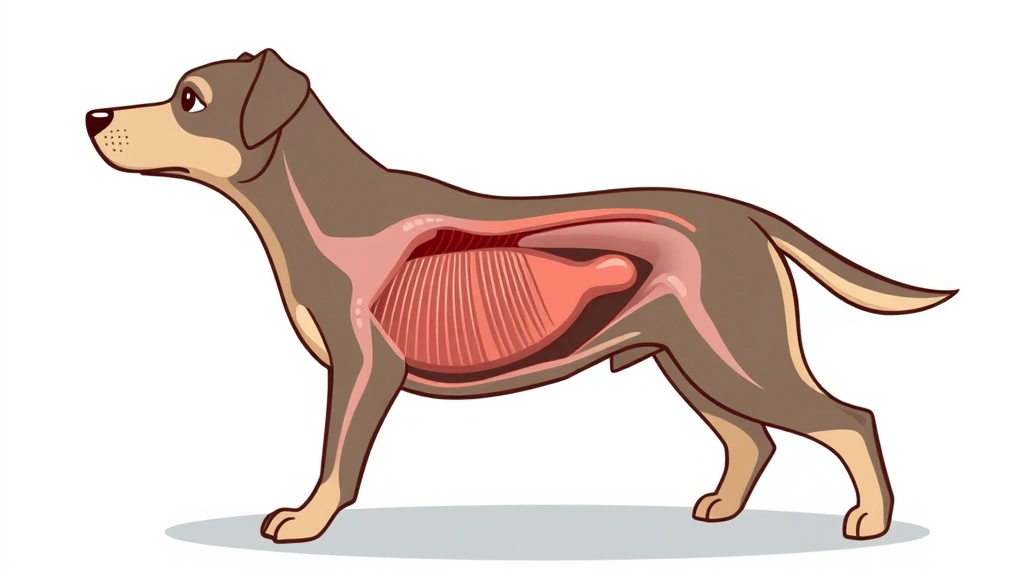
Your dog’s penis is more complex than you might think. Unlike humans, a dog’s penis has a bone inside it called the baculum. This bone helps with mating and is why your dog’s penis doesn’t fully retract into his body like a human’s does. The penis sits inside a sheath (also called a prepuce) that protects it when it’s not in use.
The sheath is lined with skin and mucous membranes, and it naturally produces a small amount of discharge to keep things lubricated. This is completely normal. Think of it like the natural moisture in your dog’s eyes or nose—it’s a protective mechanism.
Inside the sheath, there’s also a structure called the bulbus glandis, which swells during arousal or mating. You might notice this if your dog gets excited around other dogs or even during play. It’s not something to worry about unless it stays swollen for hours or seems painful.
The prostate gland sits at the base of the bladder and produces fluid that’s part of semen. In intact (non-neutered) males, the prostate can become enlarged as dogs age, which is why older unneutered dogs sometimes have urinary issues. This is one reason vets often recommend neutering, especially for health reasons beyond population control.
According to the American Kennel Club’s health resources, understanding your dog’s anatomy is the first step in preventive care. When you know what normal looks like, you’ll spot problems faster.
What’s Normal vs. What’s Not: The Discharge Breakdown
Here’s where most owners get confused. Your dog’s penis will have some discharge. That’s normal. But there are different types, and knowing the difference can mean the difference between a minor issue and a serious infection.
Normal Discharge
- Clear to slightly cloudy: This is pre-ejaculate or natural lubrication from the sheath. It’s usually small in amount and happens occasionally.
- Yellowish or greenish tint: Can be normal, especially if your dog has been licking or the sheath hasn’t been cleaned in a while. It’s often just oxidized discharge mixed with bacteria from the environment.
- Happens during excitement: If you see discharge when your dog is playing with other dogs or seems aroused, that’s completely normal.
Abnormal Discharge (Time to Call the Vet)
- Thick, pus-like discharge: This suggests infection. It’s usually white, yellow, or greenish and thick enough that you notice it on his fur or bedding.
- Bloody discharge: Unless your dog recently had an injury, this isn’t normal and needs veterinary attention.
- Foul-smelling discharge: Normal discharge has minimal odor. If it smells bad, infection is likely.
- Excessive amount: If discharge is constantly dripping or soaking his fur, something’s wrong.
The key is baseline awareness. After a few weeks of having your dog, you’ll know what his normal looks like. Any significant change from that baseline warrants a vet call.
Daily Hygiene and Cleaning Practices
Good news: you don’t need special dog penis cleaning products or complicated routines. Basic hygiene is straightforward and takes minimal time.
Regular Cleaning
Most dogs keep themselves reasonably clean through natural grooming. However, some dogs—especially those with longer fur around the genital area—benefit from occasional help.
- Trim excess fur: If your dog has long fur around his sheath, consider trimming it short. This prevents urine and discharge from getting trapped in the fur, which can lead to skin irritation or infection.
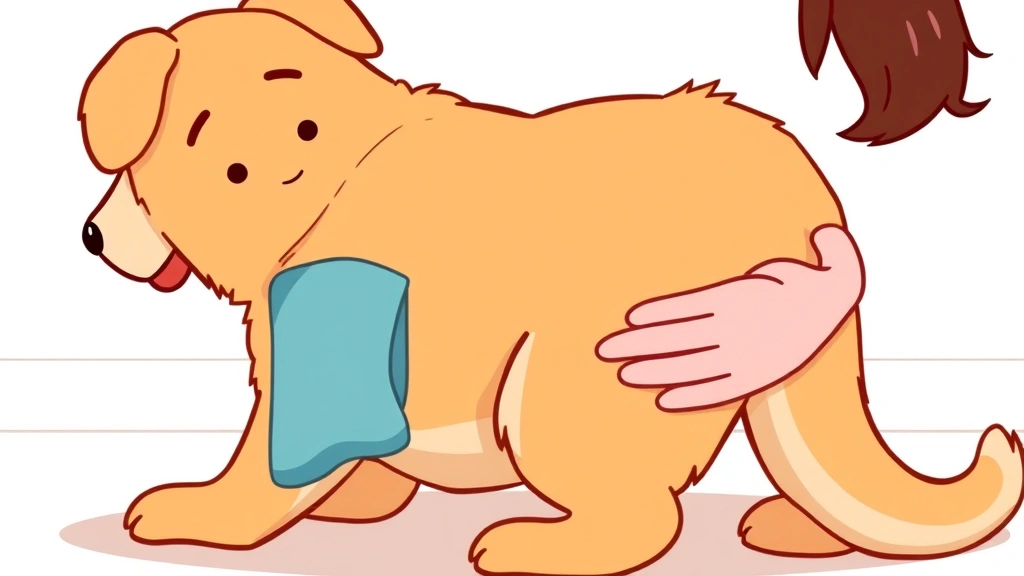
- Gentle wipe-downs: If you notice discharge buildup, use a warm, damp cloth to gently wipe the area. Don’t force the sheath open or be aggressive. Let it be.
- After outdoor time: If your dog has been outside in dirt or mud, a quick rinse of the rear end isn’t a bad idea, especially in summer or if he’s prone to skin issues.
- Post-swimming: Chlorine and saltwater can irritate the sheath. A freshwater rinse after swimming is smart.
What NOT to Do
Safety Warning: Never force the sheath back or try to “clean inside” it. The sheath protects the penis, and forcing it can cause injury, pain, and infection. Let your dog’s natural anatomy do its job. If you’re concerned about debris inside the sheath, that’s a vet question, not a DIY project.
Also, avoid using harsh soaps, human products, or anything scented. The area is sensitive, and these products can disrupt the natural bacterial balance and cause irritation.
Common Dog Penis Problems and Solutions
Even with good care, issues happen. Here are the most common problems and what you can do about them.
Phimosis (Stuck Sheath)
This is when the sheath opening is too tight and the penis can’t fully extend. It’s usually congenital (your dog is born with it) but can also develop from scarring or infection.
- Signs: Difficulty urinating, painful urination, constant licking, inability to breed (in intact males).
- What to do: See a vet. Treatment might involve topical steroids, antibiotics if infected, or in severe cases, surgery.
Paraphimosis (Stuck Penis)
The opposite problem—the penis extends but gets stuck and can’t retract into the sheath. This is more serious because the exposed tissue can dry out and become damaged.
- Signs: Penis visibly extended and not retracting, swelling, pain, your dog constantly trying to lick it.
- What to do: This is an emergency. Get to the vet immediately. The vet may apply lubricant to help it retract, prescribe anti-inflammatories, or in severe cases, perform surgery. Delayed treatment can result in tissue death.
Balanoposthitis (Sheath Infection)
This is inflammation and infection of the sheath and penis. It’s one of the most common issues vets see.
- Signs: Excessive licking, thick discharge (often greenish or yellowish), swelling, pain, difficulty urinating.
- What to do: Vet visit. Your vet will likely prescribe antibiotics and possibly topical treatments. Keep the area clean but don’t overdo it.
According to PetMD’s veterinary health information, balanoposthitis is often triggered by poor hygiene, trapped moisture, or underlying skin conditions. Prevention through basic cleanliness helps.
Infections, Diseases, and When to Worry
Beyond common issues, there are more serious conditions that can affect your dog’s penis and reproductive health.
Prostatitis (Prostate Infection)
The prostate gland can become infected, especially in older unneutered males. This isn’t directly a penis problem, but it affects the whole reproductive system.
- Signs: Difficulty urinating, painful urination, fever, lethargy, bloody urine, straining to defecate.
- What to do: Vet visit immediately. This requires antibiotics and sometimes hospitalization. Chronic prostatitis is one reason vets recommend neutering older dogs.
Tumors and Growths
Penile tumors are rare but do happen, especially in older dogs. They’re usually benign, but any growth should be evaluated.
- Signs: Visible lump or mass, discharge, difficulty urinating, bleeding, excessive licking.
- What to do: Vet evaluation. Your vet may recommend a biopsy to determine if it’s benign or malignant. Treatment depends on the type and severity.
Sexually Transmitted Infections (Yes, Dogs Can Get Them)
If your dog is intact and breeding or has contact with other intact dogs, he can contract STIs like canine transmissible venereal tumor (CTVT) or brucellosis.
- Signs: Discharge, swelling, bleeding, infertility, systemic illness (fever, lethargy).
- What to do: Vet testing and treatment. This is another reason responsible breeding requires veterinary oversight and testing.
The Merck Veterinary Manual provides comprehensive information on canine reproductive disorders, including infection risks.
Urinary Tract Infections (UTIs)
While not exclusive to the penis, UTIs can affect the penile sheath and cause discharge and pain.
- Signs: Difficulty urinating, frequent urination, painful urination, discharge, blood in urine.
- What to do: Vet visit for urinalysis and culture. Treatment is antibiotics, and your vet will identify the underlying cause (infection, stones, etc.).
Neutering and Long-Term Health: The Penis Care Connection
This is a big topic, so let’s break it down honestly.
Neutering (castration) removes the testicles and significantly changes your dog’s reproductive health. Here’s how it relates to penis care:
After Neutering
- Penis shrinks: The penis becomes smaller and less vascularized. This is normal.
- Discharge decreases: You’ll notice less discharge because the prostate shrinks and hormonal changes occur.
- Infections become rarer: Many infections are hormone-driven or related to mating behavior. These become less common post-neuter.
- Prostate issues prevented: Neutering dramatically reduces the risk of prostate enlargement and prostatitis in older dogs.
Before Neutering
If you’re considering neutering, talk to your vet about the timing and health implications. The conversation has evolved in recent years, with some vets recommending waiting until dogs are older before neutering, while others still recommend early neutering for health and behavior reasons.
What’s clear: neutering eliminates many penis and reproductive health issues. It’s one of the most effective preventive health measures available.
The ASPCA provides detailed information on spaying and neutering benefits, including reproductive health advantages.
Excessive Licking and Behavioral Red Flags
Your dog licking his penis is normal. Dogs groom themselves. But excessive licking is a red flag that something’s wrong.
Normal Grooming vs. Excessive Licking
Normal: Your dog licks the area occasionally, especially after urinating or during grooming sessions. It takes a few seconds and he moves on.
Excessive: Your dog is constantly licking, ignoring toys or food, has raw or irritated skin from licking, or seems obsessed with the area.
Why Dogs Lick Excessively
- Infection or irritation: The most common reason. Pain or itching drives the behavior.
- Allergies: Food or environmental allergies can cause itching in the genital area, just like they cause itching elsewhere.
- Skin conditions: Dermatitis, fungal infections, or parasites can cause localized itching.
- Behavioral issues: Anxiety, boredom, or obsessive-compulsive behavior can manifest as excessive licking. This is usually accompanied by licking other areas too.
- Urinary issues: If your dog has a UTI or bladder stones, licking the penis area might increase.
What to Do
- Vet visit: Excessive licking always warrants a vet check. Your vet will examine for infection, irritation, allergies, or behavioral issues.
- E-collar if needed: If your dog is self-traumatizing through licking, your vet might recommend an e-collar (cone) to prevent further damage while treating the underlying cause.
- Address underlying causes: If it’s allergies, you’ll work on allergy management. If it’s behavioral, your vet might recommend behavior modification or medication.
Don’t ignore excessive licking. It’s your dog’s way of telling you something hurts or itches. Similar to why dogs chew their paws, excessive licking of the genital area is a symptom, not a behavior problem to punish.
Frequently Asked Questions
Is it normal for my dog’s penis to be out sometimes?
– Yes, completely normal. Dogs’ penises don’t fully retract like humans’. You might see it slightly extended during relaxation, excitement, or after urinating. If it stays out for hours or seems swollen and painful, that’s abnormal and warrants a vet visit.
My dog has a red, swollen penis. Is this an emergency?
– It depends on severity. Mild swelling and redness might be irritation or a minor infection that needs treatment but isn’t urgent. Severe swelling, pain, inability to urinate, or a stuck penis (paraphimosis) is an emergency. When in doubt, call your vet and describe what you’re seeing. They’ll tell you if you need to come in immediately.
What does normal dog penis discharge look like?
– Normal discharge is clear to slightly cloudy or yellowish, minimal in amount, and has little to no odor. If it’s thick, pus-like, bloody, foul-smelling, or excessive, it’s abnormal and needs vet evaluation.
Can I use human products to clean my dog’s penis?
– No. Human soaps, washes, and products are too harsh for your dog’s sensitive genital tissue. They can disrupt the natural bacterial balance and cause irritation. Use only warm water and a soft cloth if cleaning is needed. Better yet, let your dog’s natural grooming handle it.
Should I retract my dog’s sheath to clean inside?
– No. The sheath protects the penis and shouldn’t be forced open. If you’re concerned about debris or buildup inside, ask your vet. They can safely examine and clean if needed. Forcing the sheath can cause injury and infection.
My dog won’t stop licking his penis. What should I do?
– Schedule a vet visit. Excessive licking indicates a problem—infection, irritation, allergies, or behavioral issues. Your vet will examine and determine the cause. In the meantime, distract your dog with toys or activities to prevent self-trauma.
Does neutering prevent penis problems?
– Yes, significantly. Neutering eliminates many hormone-driven issues, prevents prostate enlargement, reduces infection risk, and eliminates reproductive-related diseases. It’s one of the best preventive health measures for long-term genital health.
How often should I check my dog’s penis?
– You don’t need a formal schedule. Just be aware during regular grooming or bathing. Notice if discharge changes, if he’s licking excessively, or if there’s swelling or redness. Basic awareness is enough. If something looks different, that’s when you investigate or call your vet.
Is penile discharge normal in neutered dogs?
– Much less common than in intact dogs, but small amounts can still happen. The discharge is usually minimal because the prostate shrinks post-neuter. If a neutered dog has significant discharge, that’s worth mentioning to your vet—it’s unusual and might indicate an issue.
My dog’s penis smells bad. Is that normal?
– A slight musky odor is normal, especially if your dog hasn’t been bathed recently. But a foul or strong odor suggests infection or poor hygiene. If your dog’s genital area smells distinctly bad, clean the area gently with warm water and schedule a vet visit. Bad odor + discharge usually means infection.





