

As a devoted dog parent, few things are more concerning than watching your furry companion turn away from their food bowl. Understanding your dog’s eating patterns is crucial for maintaining their health and well-being, yet many pet owners struggle to identify when changes in appetite signal a serious problem versus normal fluctuations.
Dogs can actually survive longer without food than you might expect, but this doesn’t mean extended periods without eating are safe or healthy. The question of how long a dog can go without eating depends on numerous factors including age, health status, body condition, and underlying medical issues. While healthy adult dogs may survive 3-5 days without food, puppies, senior dogs, and those with health conditions face much greater risks in shorter timeframes.
Recognizing the warning signs and understanding when appetite changes warrant immediate veterinary attention can make the difference between a minor issue and a life-threatening emergency. This comprehensive guide will help you navigate your dog’s eating habits with confidence and knowledge.
Understanding Normal Dog Eating Patterns
Every dog has unique eating habits that can vary significantly based on breed, age, activity level, and individual personality. Some dogs are enthusiastic eaters who finish their meals within minutes, while others prefer to graze throughout the day. Understanding what’s normal for your specific dog is the first step in recognizing concerning changes.
Most healthy adult dogs thrive on two meals per day, typically spaced 8-12 hours apart. Puppies under six months old require more frequent feeding, usually three to four times daily, due to their rapid growth and smaller stomach capacity. Senior dogs may also benefit from smaller, more frequent meals to aid digestion and maintain steady energy levels.
Normal eating behaviors include showing interest in food at meal times, consuming meals within 30 minutes of serving, maintaining consistent portion sizes, and displaying typical energy levels between meals. Healthy dogs may occasionally skip a meal due to stress, weather changes, or simply not feeling hungry, which is generally not cause for immediate concern if it happens infrequently.
It’s important to establish a baseline for your dog’s eating patterns when they’re healthy. Take note of how quickly they typically eat, their preferred feeding times, and any quirks in their eating behavior. This knowledge becomes invaluable when trying to determine if changes in appetite are significant.
How Long Dogs Can Survive Without Food
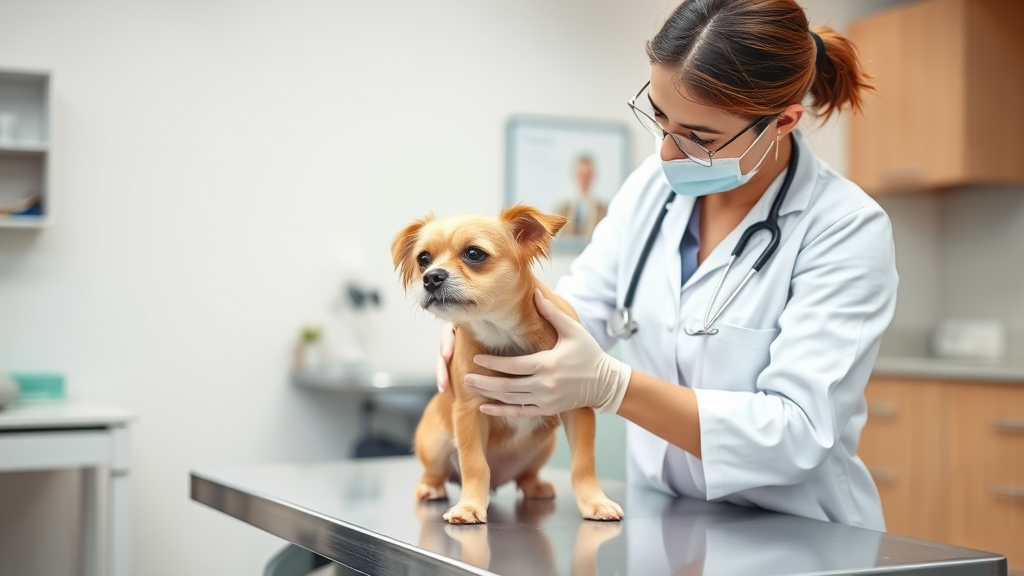
The question of how long a dog can go without eating doesn’t have a simple answer, as survival time varies dramatically based on individual circumstances. Healthy adult dogs can typically survive 3-5 days without food, though this timeline can extend to a week or more in some cases. However, survival and thriving are vastly different concepts, and extended periods without proper nutrition can cause serious health complications.
Several factors influence how long a dog can safely go without eating. Body condition plays a crucial role – dogs with healthy body weight and good muscle mass can generally withstand longer periods without food compared to underweight or overweight dogs. Age is another critical factor, as puppies and senior dogs have much lower reserves and higher metabolic demands.
Water intake becomes absolutely critical during periods of reduced food consumption. While dogs can survive longer without food, they can only survive 2-3 days without water. Dehydration sets in quickly and can become life-threatening, especially when combined with not eating. Always ensure your dog has access to fresh water, even if they’re not interested in food.
Small breed dogs face particular challenges when it comes to extended periods without eating. Their faster metabolisms and smaller body mass mean they can develop hypoglycemia (low blood sugar) much more quickly than larger breeds. Toy breeds may show signs of distress within 12-24 hours of not eating, while larger breeds might maintain stability for longer periods.
Factors That Affect Your Dog’s Appetite
Understanding the various factors that can influence your dog’s appetite helps distinguish between normal fluctuations and concerning changes. Environmental factors play a significant role in eating behaviors. Changes in routine, moving to a new home, the introduction of new family members or pets, and even seasonal weather changes can temporarily affect appetite.
Age-related changes significantly impact eating patterns. Puppies may experience temporary appetite loss during teething or growth spurts, while senior dogs might eat less due to decreased activity levels, dental issues, or age-related health conditions. Anxiety and stress can also manifest as changes in eating behavior.
Medical conditions represent the most serious category of appetite-affecting factors. Dental problems, gastrointestinal issues, infections, kidney disease, liver problems, and cancer can all cause significant changes in eating habits. Some medications can also suppress appetite as a side effect, so it’s important to discuss potential appetite changes with your veterinarian when starting new treatments.
Food-related factors shouldn’t be overlooked. Spoiled food, changes in diet, food allergies or sensitivities, and even the cleanliness of food bowls can impact your dog’s willingness to eat. Some dogs are particularly sensitive to changes in their regular food brand or flavor, while others may develop preferences that make them selective eaters.
Warning Signs That Require Immediate Attention
Recognizing the warning signs that accompany appetite loss is crucial for determining when a situation requires immediate veterinary intervention. While a single missed meal might not be concerning, certain accompanying symptoms should never be ignored.
Lethargy combined with appetite loss is a red flag that warrants prompt attention. If your dog seems unusually tired, weak, or uninterested in activities they normally enjoy, this combination suggests a more serious underlying issue. Similarly, vomiting or diarrhea alongside appetite loss can quickly lead to dehydration and electrolyte imbalances.
Physical symptoms that accompany eating changes include pale gums, difficulty breathing, excessive drooling, signs of pain (such as whimpering or reluctance to move), and changes in posture or gait. These symptoms may indicate serious conditions requiring immediate medical attention.
Behavioral changes beyond eating habits can also signal problems. If your typically social dog becomes withdrawn, shows signs of confusion, or exhibits unusual behaviors like hiding or excessive restlessness, these changes combined with appetite loss suggest the need for veterinary evaluation.
Common Causes of Appetite Loss
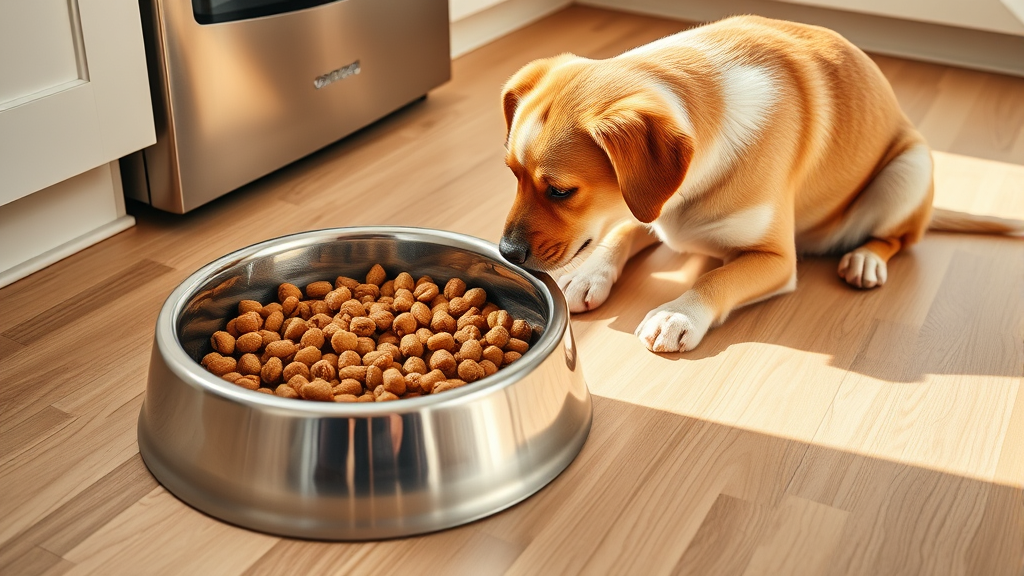
Appetite loss in dogs can stem from numerous causes, ranging from minor issues that resolve on their own to serious medical conditions requiring immediate treatment. Understanding these common causes helps pet owners make informed decisions about when to seek veterinary care.
Gastrointestinal issues rank among the most frequent causes of appetite loss. These can include simple stomach upset from eating something inappropriate, food poisoning, intestinal parasites, inflammatory bowel disease, or more serious conditions like bloat or intestinal obstruction. Unusual eating behaviors sometimes precede appetite loss and can provide clues about underlying digestive issues.
Dental problems are particularly common in older dogs and can make eating painful or difficult. Broken teeth, gum disease, oral infections, or foreign objects stuck in the mouth can all cause dogs to avoid food. Regular dental care and monitoring can help prevent these issues from becoming severe enough to significantly impact appetite.
Systemic diseases such as kidney disease, liver problems, diabetes, cancer, and infections can all cause appetite changes. These conditions often develop gradually, with appetite loss being one of several symptoms that appear over time. Early detection through regular veterinary checkups can help identify these conditions before they become advanced.
Stress and anxiety, while not physical ailments, can significantly impact a dog’s desire to eat. Changes in environment, routine, or family structure can trigger stress responses that manifest as appetite loss. Understanding your dog’s stress triggers and working to minimize them can help maintain healthy eating patterns.
When to Contact Your Veterinarian
Knowing when appetite changes require professional intervention can be challenging, but certain guidelines can help you make informed decisions. The general rule is that healthy adult dogs can safely miss 1-2 meals without cause for immediate concern, provided they remain alert, active, and continue drinking water normally.
Contact your veterinarian within 24 hours if your dog has not eaten for more than 24 hours, especially if accompanied by other symptoms like vomiting, diarrhea, lethargy, or behavioral changes. For puppies under six months, senior dogs over seven years, or dogs with known health conditions, this timeline should be shortened to 12-24 hours.
Immediate veterinary attention is warranted if your dog shows signs of severe distress, has been vomiting repeatedly, appears to be in pain, has pale or blue-tinged gums, is having difficulty breathing, or seems disoriented. These symptoms combined with appetite loss can indicate serious medical emergencies.
The American Veterinary Medical Association recommends erring on the side of caution when it comes to appetite changes, particularly in vulnerable populations like very young, very old, or chronically ill dogs. When in doubt, a phone call to your veterinary clinic can provide guidance on whether immediate attention is needed.
Safe Ways to Encourage Eating
When your dog shows decreased appetite but doesn’t require immediate veterinary attention, there are several safe methods to encourage eating. However, it’s important to address any underlying causes rather than simply forcing food consumption.
Making food more appealing can sometimes stimulate appetite. Warming wet food to room temperature or slightly above can enhance aromas that attract dogs to eat. Adding small amounts of low-sodium chicken broth or mixing in foods like plain rice or pumpkin can make meals more enticing.
Creating a calm, comfortable eating environment is crucial. Some dogs eat better in quiet areas away from distractions, while others prefer the company of their family. Ensuring food and water bowls are clean and placed at appropriate heights can also encourage eating, particularly for dogs with mobility issues.
Small, frequent meals may be more appealing than large portions, especially for dogs recovering from illness or stress. Offering highly palatable foods like small pieces of cooked chicken, plain Greek yogurt, or other safe dairy options can sometimes stimulate appetite, though these should only be temporary measures.
Hand-feeding can sometimes encourage reluctant eaters, as the personal attention and interaction may overcome anxiety or depression that’s affecting appetite. However, be careful not to create dependency on hand-feeding for normal meals.
Prevention and Monitoring Tips
Preventing appetite problems often involves maintaining consistent routines and monitoring your dog’s overall health. Regular feeding schedules help establish healthy eating patterns and make it easier to notice when changes occur. Most dogs thrive on predictable meal times and consistent food types.
Regular veterinary checkups are essential for early detection of health issues that could affect appetite. Annual wellness exams for young to middle-aged dogs and bi-annual exams for senior dogs can help identify problems before they become severe enough to significantly impact eating habits.
Maintaining proper dental hygiene through regular brushing, dental chews, and professional cleanings can prevent oral pain that might discourage eating. The American Veterinary Dental College provides excellent resources on maintaining canine oral health.
Monitoring body condition and weight regularly helps identify gradual changes that might indicate developing health problems. Learning to assess your dog’s body condition score and keeping track of weight trends can provide valuable information to share with your veterinarian.
Stress reduction strategies include maintaining consistent routines, providing adequate exercise and mental stimulation, and creating safe, comfortable spaces for your dog. Understanding your dog’s stress triggers and working to minimize them can help prevent stress-related appetite loss.
Frequently Asked Questions
How long can a healthy dog go without eating before it becomes dangerous?
Healthy adult dogs can typically survive 3-5 days without food, but this doesn’t mean it’s safe to wait that long. Most veterinarians recommend seeking attention if a dog hasn’t eaten for 24-48 hours, especially if other symptoms are present. Puppies, senior dogs, and those with health conditions should be seen much sooner, often within 12-24 hours of not eating.
Should I force-feed my dog if they won’t eat?
Never force-feed a dog unless specifically instructed by a veterinarian. Force-feeding can cause aspiration pneumonia, increase stress, and potentially worsen underlying conditions. Instead, try making food more appealing through warming, adding safe flavor enhancers, or offering highly palatable options while seeking professional guidance.
Is it normal for dogs to skip meals occasionally?
Yes, it’s relatively normal for healthy dogs to occasionally skip a meal due to factors like weather changes, stress, or simply not feeling hungry. However, if meal skipping becomes frequent or is accompanied by other symptoms like lethargy, vomiting, or behavioral changes, veterinary evaluation is recommended.
What are the first signs that appetite loss is serious?
Serious appetite loss is often accompanied by symptoms such as lethargy, vomiting, diarrhea, excessive drooling, difficulty swallowing, pale gums, or signs of pain. If your dog shows any of these symptoms along with not eating, contact your veterinarian promptly. According to the Humane Society, any combination of these symptoms warrants professional evaluation.
Can I give my dog human food to encourage eating?
Some human foods are safe for dogs and can be used temporarily to encourage eating, such as plain cooked chicken, rice, or small amounts of plain yogurt. However, avoid foods toxic to dogs like chocolate, grapes, onions, or garlic. Any human food should only be a temporary measure while addressing the underlying cause of appetite loss.
How do I know if my dog is just being picky or actually sick?
Picky eaters typically maintain normal energy levels, continue drinking water, and may show interest in treats or special foods even if they refuse regular meals. Sick dogs often display additional symptoms like lethargy, changes in bathroom habits, or altered behavior. When in doubt, consult your veterinarian for proper evaluation.
What should I do if my dog drinks water but won’t eat food?
If your dog continues drinking water but refuses food, this is generally less concerning than if they refuse both food and water. However, if this continues for more than 24-48 hours or is accompanied by other symptoms, veterinary evaluation is recommended. Maintaining hydration is crucial, so continue encouraging water intake while addressing the eating issue.





