
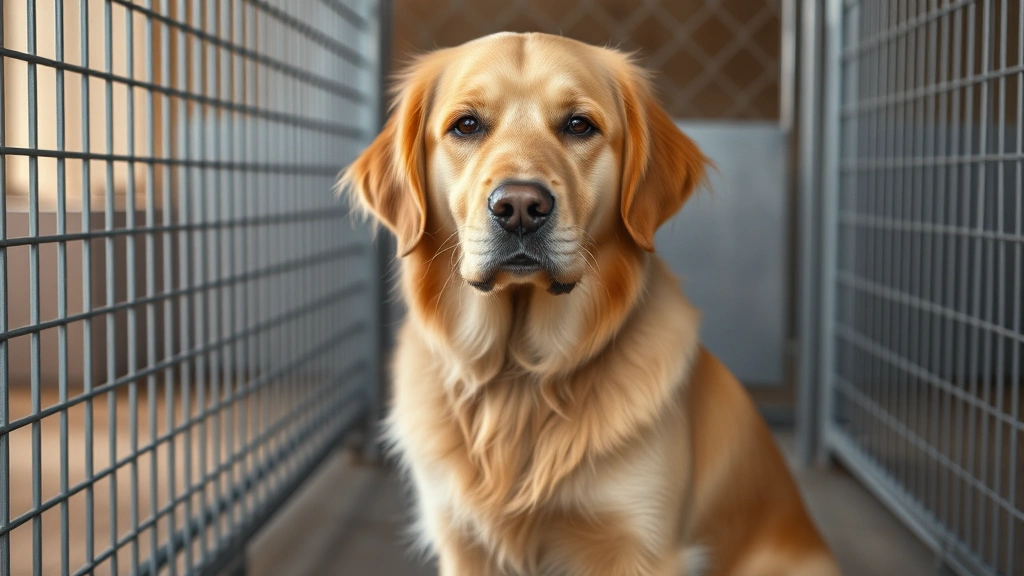
When a dog surrendered with a wedding ring arrived at a local shelter, nobody expected what would unfold next. This isn’t just another rescue story—it’s a testament to how far love and determination can reach, even when circumstances seem impossible. A family thought they’d lost everything. A shelter worker thought it was just another intake. But that ring changed everything.
The story of a dog surrendered with a wedding ring has touched thousands of hearts online, reminding us that sometimes the most precious things we lose can find their way back to us in the most unexpected ways. Whether you’re a dog owner worried about losing your pet, someone considering surrendering a dog, or just someone who loves a good reunion story, this one will stick with you.
The Surrender: How It All Began
On a cold Tuesday morning in November, a family walked into a shelter with their golden retriever. They weren’t abandoning him out of cruelty—life had just become too much. Job loss, medical bills, a move to a smaller apartment that didn’t allow pets. The reasons were real, and they were desperate. The dog, a gentle seven-year-old named Max, had been with them since he was a puppy. Surrendering him felt like losing a piece of their hearts.
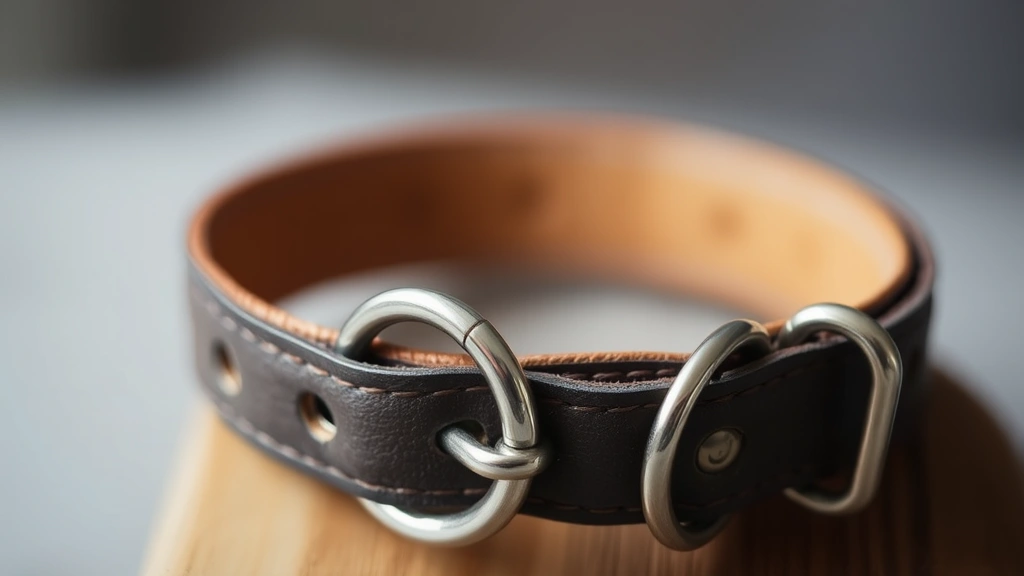
Before handing over Max’s leash, the owner did something unusual. She tucked her grandmother’s wedding ring into the dog’s collar—a ring that had been passed down through three generations. It was her way of keeping a piece of herself with Max, a silent promise that this separation wasn’t forever. She whispered something to the shelter worker that would later become the key to everything: “Please take care of him. He’s family.”
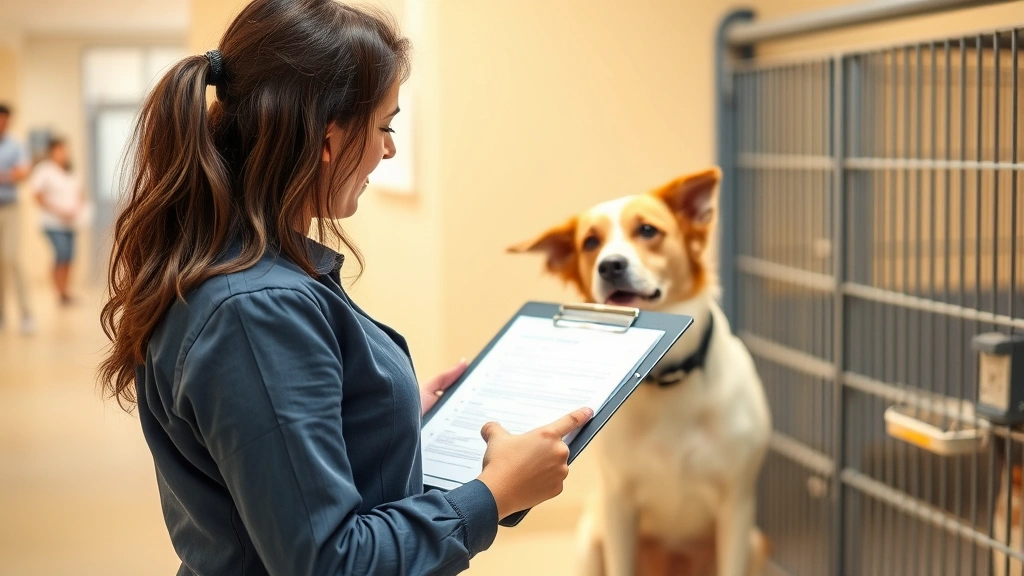
The shelter staff documented Max’s intake like they do hundreds of dogs every year. They noted his breed, age, temperament, and health status. But that ring? It almost went unnoticed. A junior volunteer spotted it while processing Max’s paperwork and mentioned it to the shelter director. Most would have removed it, logged it as found property, and filed it away. But something made this director pause.
The Discovery That Changed Everything
Three weeks passed. Max settled into shelter life, though staff noticed he was quieter than most dogs, less interested in play. He’d eat, take his walks, but there was a sadness in his eyes that no amount of treats could fix. Shelter workers see this often—dogs mourning the loss of their families.
Then one afternoon, a local news reporter came in to film a story about adoptable dogs. While shooting B-roll in the kennels, the cameraman zoomed in on Max and caught something glinting in the light: that wedding ring, still secured in his collar. The reporter asked the shelter director about it, and within minutes, they’d decided to post about it on social media with the simple caption: “Does anyone know this boy’s story?”
The post went viral. Not because it was sensational, but because it was real. People shared it across platforms. Local news outlets picked it up. Within 48 hours, the shelter’s phone was ringing non-stop. But here’s the thing—most calls were from people who wanted to adopt Max. Only one call mattered.
The original owner saw the post while scrolling through her phone during a break at her new job—a job she’d landed just two weeks prior. She recognized Max instantly. She recognized the ring. She broke down right there in the break room, and her boss, moved by the story, told her to go get her dog.
Tracking Down the Owner: The Detective Work
Here’s where the story gets interesting from a practical standpoint. The shelter had Max’s original intake paperwork with the owner’s information. But people move, change phone numbers, disappear into the shuffle of life. The shelter director knew they had to verify this was really Max’s owner before reuniting them.
They used a combination of old-school detective work and modern tools. The intake form had an address. A quick Google Maps check showed the address was now a different business. But the form also had an email address. A staff member sent a message describing Max, the ring, and asking for verification of specific details only the real owner would know: What was Max’s favorite toy? What was his middle name? What did he eat for his first birthday?
The response came within an hour. Detailed. Emotional. Correct on every count. The owner provided photos of Max from her phone—pictures taken over seven years. There was no doubt. This was Max’s family.
According to the American Kennel Club, proper identification is crucial for reuniting lost or surrendered dogs with their families. While Max’s owner didn’t have a microchip on him (a common regret she expressed later), the ring and the detailed paperwork made all the difference.
Why Dogs Get Surrendered (And What We Can Do About It)
Before we get to the tearful reunion, let’s talk about the bigger picture. According to PetMD, approximately 3.2 million dogs enter shelters each year in the United States. Not all are strays. Many are surrendered by their owners, just like Max.
The reasons are usually not malicious:
- Financial hardship: Vet bills, food costs, housing restrictions—these add up fast.
- Life changes: Job loss, relocation, new family members (human or pet), health issues.
- Behavioral challenges: Some owners feel unprepared for training or managing difficult behaviors.
- Allergies: A new family member develops allergies that weren’t anticipated.
- Time constraints: Life gets busier, and the dog doesn’t get the attention they need.
If you’re facing a situation where you’re considering surrendering your dog, there are alternatives worth exploring first:
- Contact breed-specific rescue organizations—they often have resources and foster networks.
- Ask your veterinarian about financial assistance programs or payment plans.
- Reach out to local dog training clubs or behaviorists who might help with behavioral issues.
- Check if temporary fostering through a rescue is an option while you get back on your feet.
- Use social media and community networks to find someone willing to help.
Max’s owner later told the shelter director that if she’d known about these options, she might have tried them first. That’s the part of this story that stings a little—not because she made a bad choice, but because so many people don’t know what resources exist.
The Reunion: Tears and Tail Wags
The day of the reunion, the shelter director asked if the owner wanted to do it privately or if she’d be comfortable with media presence. She chose to let cameras roll, hoping it would inspire other families to look for their lost dogs and encourage people to support local shelters.
When Max’s owner walked into the visitation room, Max was brought in on a leash. For a moment, nothing happened. Dogs don’t always recognize people after weeks of separation the way movies suggest they do. But then—her scent, her voice, something clicked. Max’s tail started wagging. Then he lunged forward, nearly pulling the handler off balance. He jumped up, licked her face, whined, spun in circles. She collapsed to the floor, and he climbed into her lap like he was still a puppy.
She pulled the ring from his collar and held it up to the camera, tears streaming down her face. “He kept us together,” she said. “Even when we couldn’t keep him.”
The video was shared over 2 million times. News outlets from across the country called for interviews. A local business owner saw the story and offered Max’s owner a better job with pet-friendly benefits. Another viewer started a fund to help families in financial crisis keep their dogs. Max became the unofficial mascot for shelter awareness in his region.
But here’s what didn’t make the viral cut: Max’s owner had to complete an adoption application, just like anyone else. The shelter wanted to make sure she was in a stable situation now. She was. She’d found housing that allowed pets, her new job was solid, and she’d learned her lesson about having a backup plan. Within two weeks, the paperwork was finalized. Max went home—really home—for good.
Lessons Learned from This Story
This story teaches us several important things about dog ownership and responsibility:
Microchipping matters. Max’s owner later got him microchipped and registered with a national database. It’s a simple procedure (usually under $50) and could have made the reunion happen faster. According to the ASPCA, microchipped dogs are significantly more likely to be returned to their owners.
Documentation is your friend. Keep photos, vet records, and identifying information about your dog in multiple places. Cloud storage, your phone, your vet’s office. The day you might need it is the day you’ll be grateful you have it.
Surrendering doesn’t mean abandoning. Max’s owner made a difficult choice, but she did it responsibly. She went to a legitimate shelter, she provided information, and she left something meaningful behind. That’s not the same as dumping a dog on the side of the road.
Shelters are doing incredible work. That director and her team could have processed Max like just another intake. Instead, they paid attention. They noticed the ring. They took the extra step to reunite a family. Support your local shelter—donate, volunteer, or adopt.
Community matters. The viral post worked because people cared enough to share it. Your social networks can be a powerful tool for finding lost pets or connecting animals with resources.
Preventing Pet Loss Before It Happens
While Max’s story has a happy ending, not every dog surrendered with identifying items gets reunited with their family. Here’s what you can do to prevent that scenario:
Plan ahead for life changes. Before you adopt a dog, think about what happens if you lose your job, need to move, or face a health crisis. Do you have an emergency fund for vet bills? Do you know someone who could foster your dog temporarily? Having a plan before crisis hits makes all the difference.
Keep updated ID on your dog at all times. A collar with your current phone number is the first line of defense. Update it if you move or change numbers. A microchip is the backup plan—it’s permanent and doesn’t depend on a collar staying attached.
Take photos regularly. Keep recent pictures of your dog on your phone and backed up online. If your dog goes missing, you’ll need clear, recent photos to share with shelters, vets, and on social media.
Know your dog’s details. Have your dog’s breed, age, weight, distinguishing marks, and health conditions memorized or written down. If you need to describe your dog to a shelter worker over the phone, you want to be accurate and quick.
Build a support network. Know your local shelters, rescue organizations, and veterinarians. Follow them on social media. If something happens to you, having these connections already established means your dog has a better chance of being found or cared for.
Consider pet insurance or a financial safety net. One of the main reasons people surrender dogs is unexpected vet bills. Pet insurance, a dedicated savings account, or knowing about low-cost vet clinics in your area can be lifesaving. Check out the Humane Society’s resources for information about financial assistance programs.
If you’re a renter, also be aware that renters insurance may cover dog bites, which is another layer of protection worth understanding. And if you have chickens or other animals, understanding your dog’s protective instincts—like whether dogs can protect chickens from opossums—helps you manage your entire property safely.
For those worried about outdoor safety, knowing whether a fox will attack a dog can help you make better decisions about when and where your dog plays outside. And managing indoor behavior—like how to keep your dog off the couch—is part of creating a stable home environment that you won’t be tempted to abandon when things get tough.
Understanding your dog’s emotional needs is equally important. Dogs like being pet, and they thrive on consistent, loving interaction. If you’re struggling to provide that, that’s a sign to seek help—whether through training, behavior modification, or connecting with resources—before surrender becomes the only option.
Frequently Asked Questions
What should I do if I find a dog with a collar and tags?
– Contact the phone number on the tags immediately. If no one answers, take the dog to a nearby veterinary clinic or animal shelter—they can scan for a microchip and help locate the owner. Keep the dog safe and comfortable while you wait for the owner to be found.
Is it better to surrender a dog to a shelter or a rescue organization?
– Both can be good options, but rescue organizations often have more resources and are sometimes better equipped to handle dogs with behavioral or medical issues. Ask questions about what happens to dogs in their care, adoption processes, and whether they work with foster networks. Shelters vary widely in quality and resources, so research your local options.
Can I get my surrendered dog back?
– It depends on the shelter’s policies and whether the dog has already been adopted. Some shelters have holding periods or will contact you if your dog is still available. This is why keeping your information updated with the shelter is crucial. Max’s case was unique because his owner was found through social media, but not all stories end this way.
What’s the difference between a microchip and a collar tag?
– A collar tag is visible and immediate—anyone can read your phone number. A microchip is permanent and can’t be lost, but it requires a scanner to read. The best approach is having both. A microchip is your backup plan when a collar goes missing.
How much does it cost to reunite with a surrendered dog?
– Costs vary. Some shelters charge adoption fees even for reunification (though many waive or reduce them in these cases). Microchipping typically costs $25–$50. The real cost is the emotional toll and the time invested in tracking down your dog. Prevention is always cheaper than reunion.
What should I do if I can’t afford to keep my dog?
– Reach out to local rescues, breed clubs, and your veterinarian about financial assistance programs. Many communities have emergency pet funds. Try crowdfunding through social media. Ask friends or family for temporary help. Contact local nonprofits—some provide pet food, medical care, or temporary foster situations. Surrender should be a last resort, not the first option.
Why do some dogs seem sad in shelters?
– Dogs form attachments to their families and routines. Being in a shelter—a loud, unfamiliar environment with new people and dogs—is stressful for them. Some dogs bounce back quickly; others take weeks to adjust. This is why enrichment, training, and consistent human interaction matter so much in shelters. It’s also why adoption or foster placement is so important for their wellbeing.





