

As pet owners increasingly turn to natural remedies and aromatherapy for their own wellness, many wonder whether these same products are safe for their furry companions. Lavender, with its soothing scent and purported calming properties, is one of the most popular essential oils used in homes worldwide. However, when it comes to our dogs, the question “is lavender safe for dogs?” requires careful consideration and understanding of both the benefits and potential risks.
The relationship between dogs and lavender is more complex than many pet owners realize. While lavender can offer certain benefits when used properly, it also presents potential dangers if misused or applied incorrectly. Understanding the science behind how dogs process essential oils, the proper applications of lavender, and the warning signs of toxicity is crucial for any responsible pet owner who wants to incorporate natural products into their dog’s care routine.
Understanding Lavender and Its Properties
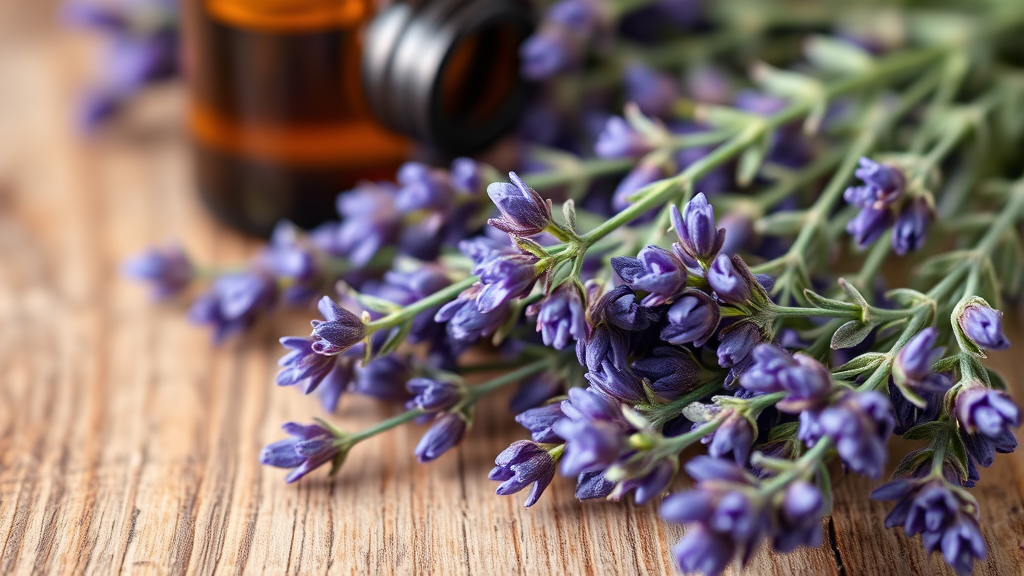
Lavender (Lavandula) is a flowering plant in the mint family, known for its distinctive purple flowers and aromatic properties. The plant contains various compounds, including linalool and linalyl acetate, which give it its characteristic scent and therapeutic properties. These compounds are concentrated in lavender essential oil, which is extracted through steam distillation of the plant’s flowers and stems.
For humans, lavender has been extensively studied and is generally recognized as safe when used appropriately. The National Center for Biotechnology Information has documented numerous studies showing lavender’s potential benefits for anxiety reduction, sleep improvement, and stress relief in humans. However, dogs process essential oils differently than humans due to their unique physiology and metabolism.
The key difference lies in how dogs metabolize essential oils. Dogs have a much more sensitive sense of smell than humans, with approximately 300 million olfactory receptors compared to our 6 million. This heightened sensitivity means that what might be a pleasant, mild scent to us can be overwhelming to our canine companions. Additionally, dogs lack certain liver enzymes that help break down essential oil compounds, making them more susceptible to toxicity.
Safety Considerations for Dogs
When considering whether lavender is safe for dogs, it’s essential to distinguish between different forms and concentrations of lavender products. Fresh lavender plants, dried lavender, lavender essential oil, and lavender-scented products all present different levels of risk and safety considerations for dogs.
Fresh lavender plants are generally considered the safest form for dogs. Most dogs will naturally avoid eating large quantities of lavender due to its strong taste and smell. However, some dogs may be more sensitive than others, and ingestion of large amounts can still cause gastrointestinal upset. The ASPCA Animal Poison Control Center lists lavender as mildly toxic to dogs, cats, and horses, noting that ingestion can cause nausea, vomiting, and loss of appetite.
Lavender essential oil presents a higher risk due to its concentrated nature. Pure essential oils should never be applied directly to a dog’s skin or given orally without veterinary supervision. The concentration of active compounds in essential oils is much higher than in the whole plant, increasing the risk of adverse reactions. Even small amounts of essential oil can cause skin irritation, respiratory issues, or digestive problems in sensitive dogs.
Lavender-scented products, such as shampoos, sprays, or diffuser blends, typically contain much lower concentrations of lavender compounds and are generally safer when used as directed. However, it’s crucial to choose products specifically formulated for pets, as human products may contain additional ingredients that are harmful to dogs. Similar considerations apply to other essential oils, such as peppermint oil, which also requires careful usage around pets.
How to Use Lavender Safely Around Dogs
If you decide to use lavender around your dog, following proper safety protocols is essential. The key principle is “less is more” – always start with minimal amounts and observe your dog’s reaction before increasing exposure. Here are the safest ways to introduce lavender into your pet’s environment:
For aromatherapy purposes, use a high-quality diffuser with pet-safe lavender oil, ensuring proper ventilation and never leaving your dog in a confined space with concentrated lavender scent. Limit diffusing sessions to 10-15 minutes and always provide your dog with the option to leave the area. Watch for signs of respiratory distress, excessive panting, or behavioral changes that might indicate discomfort.
When using lavender-scented pet products, always choose items specifically formulated for dogs. These products have been tested for safety and contain appropriate concentrations for canine use. Read labels carefully and avoid products with additional ingredients that might be harmful, such as tea tree oil or certain preservatives. Just as you would research whether dogs can have olive oil before adding it to their diet, thoroughly investigate any lavender product before use.
For topical applications, dilution is crucial. If you’re using lavender oil for its potential skin-soothing properties, always dilute it with a carrier oil like coconut oil or sweet almond oil at a ratio of no more than 1:10 (one part lavender oil to ten parts carrier oil). Apply only to small areas initially and monitor for any signs of irritation, redness, or excessive scratching.

Potential Benefits and Risks
Understanding both the potential benefits and risks of lavender use in dogs helps pet owners make informed decisions. Research on lavender’s effects specifically in dogs is limited, but some studies and anecdotal evidence suggest possible benefits when used appropriately.
Potential benefits include mild calming effects for anxious dogs, particularly during stressful situations like thunderstorms, fireworks, or travel. Some pet owners report that their dogs seem more relaxed when exposed to diluted lavender scents. Additionally, lavender’s natural antimicrobial properties might help with minor skin irritations when properly diluted and applied topically.
However, the risks often outweigh the benefits, especially when lavender is used improperly. Immediate risks include skin irritation, respiratory distress, and gastrointestinal upset. Signs of lavender toxicity can include vomiting, diarrhea, loss of appetite, lethargy, difficulty breathing, and skin redness or inflammation. In severe cases, essential oil toxicity can lead to liver damage or central nervous system depression.
Certain dogs are at higher risk for adverse reactions, including puppies, senior dogs, pregnant or nursing females, and dogs with existing health conditions, particularly those affecting the liver, kidneys, or respiratory system. Small breed dogs may also be more susceptible to toxicity due to their size and faster metabolism. If your dog has had allergic reactions to plants or essential oils in the past, or if you’ve had to give them medications like Benadryl for allergic reactions, extra caution is warranted with lavender exposure.
Safe Alternatives to Lavender
For pet owners seeking natural ways to calm their dogs or address minor skin issues, several safer alternatives to lavender exist. These options provide similar benefits with lower risk profiles for canine companions.
Chamomile is often considered a safer alternative for calming anxious dogs. Roman chamomile, in particular, is generally well-tolerated by dogs when used in appropriate dilutions. Chamomile tea can be cooled and used as a gentle rinse for minor skin irritations, or dried chamomile can be added to your dog’s bedding for a mild calming effect.
For environmental enrichment and natural pest deterrence, consider planting dog-safe herbs in your garden, such as basil, cilantro, or parsley. These plants provide sensory stimulation without the risks associated with more potent essential oils. Always research any plant before introducing it to your dog’s environment, just as you would investigate whether dogs can get poison ivy and other plant-related concerns.
Commercial dog-specific calming products often combine multiple natural ingredients in safe formulations. Look for products containing ingredients like valerian root, passionflower, or L-theanine, which have been more extensively studied for their effects on canine anxiety. These products undergo safety testing specifically for dogs and provide more predictable results than DIY essential oil applications.
Warning Signs of Lavender Toxicity
Recognizing the early warning signs of lavender toxicity can help prevent serious health complications in your dog. Essential oil toxicity can develop rapidly, making prompt recognition and response crucial for your pet’s safety.
Immediate symptoms to watch for include excessive drooling, vomiting, diarrhea, loss of appetite, and lethargy. Respiratory symptoms such as difficulty breathing, excessive panting, coughing, or wheezing may indicate that your dog is having trouble processing inhaled lavender compounds. Skin reactions can manifest as redness, swelling, excessive scratching, or development of rashes, particularly at application sites.
Behavioral changes often accompany physical symptoms and may include restlessness, disorientation, inability to coordinate movements, or unusual aggression or withdrawal. Some dogs may also experience tremors or muscle weakness. If you notice any combination of these symptoms after lavender exposure, discontinue use immediately and contact your veterinarian.
In cases of suspected essential oil toxicity, time is critical. Remove your dog from the source of exposure, provide fresh air if respiratory symptoms are present, and contact your veterinarian or the ASPCA Animal Poison Control Center immediately. Do not attempt to induce vomiting unless specifically instructed by a veterinary professional, as some essential oil compounds can cause additional damage when brought back up through the esophagus.
Documentation of the exposure can help veterinary professionals provide appropriate treatment. Note the type of lavender product used, the concentration, the amount your dog was exposed to, the method of exposure (ingestion, inhalation, or topical), and the timeline of symptom development. This information will help guide treatment decisions and improve your dog’s prognosis.
Frequently Asked Questions
Can I use lavender essential oil directly on my dog’s skin?
No, you should never apply undiluted lavender essential oil directly to your dog’s skin. Pure essential oils are too concentrated and can cause severe skin irritation, chemical burns, or systemic toxicity. If you want to use lavender topically, it must be heavily diluted with a carrier oil (1:10 ratio or less) and used sparingly on small areas while monitoring for adverse reactions.
Is it safe to diffuse lavender oil around my dog?
Diffusing lavender oil around dogs can be done safely with proper precautions. Use only high-quality, pet-safe lavender oil in a well-ventilated area, limit sessions to 10-15 minutes, and always ensure your dog can leave the room if they become uncomfortable. Never confine your dog in a space with concentrated essential oil vapors, and watch for signs of respiratory distress or behavioral changes.
What should I do if my dog ate lavender flowers from my garden?
If your dog consumed a small amount of fresh lavender flowers, monitor them closely for signs of gastrointestinal upset such as vomiting, diarrhea, or loss of appetite. Most dogs will experience only mild stomach irritation, if any. However, if your dog consumed a large quantity or shows concerning symptoms, contact your veterinarian. Provide fresh water and withhold food for a few hours if vomiting occurs.
Are lavender-scented dog shampoos safe to use?
Lavender-scented shampoos specifically formulated for dogs are generally safe when used as directed. These products contain much lower concentrations of lavender compounds than pure essential oils and have been tested for pet safety. However, always perform a patch test first by applying a small amount to an inconspicuous area and waiting 24 hours to check for reactions before full use.
How can I tell if my dog is having an allergic reaction to lavender?
Signs of an allergic reaction to lavender in dogs include skin redness, swelling, excessive scratching or licking, hives, difficulty breathing, swelling of the face or throat, vomiting, diarrhea, and behavioral changes such as restlessness or lethargy. If you notice any of these symptoms after lavender exposure, discontinue use immediately and consult your veterinarian. In severe cases with breathing difficulties or facial swelling, seek emergency veterinary care.
Can puppies be exposed to lavender products?
Puppies are more sensitive to essential oils than adult dogs due to their developing systems and smaller body size. It’s generally recommended to avoid exposing puppies under 12 weeks of age to any essential oils, including lavender. For older puppies, use extreme caution with heavily diluted products and shorter exposure times. Always consult with your veterinarian before introducing any aromatherapy or essential oil products to puppies.
What’s the difference between lavender essential oil and lavender hydrosol for dogs?
Lavender hydrosol is the water-based byproduct of essential oil distillation and contains much lower concentrations of active compounds than essential oil. Hydrosols are generally considered safer for dogs than essential oils, but they should still be used with caution. While hydrosols pose less risk of toxicity, they can still cause reactions in sensitive dogs and should be introduced gradually with careful monitoring for any adverse effects.





