
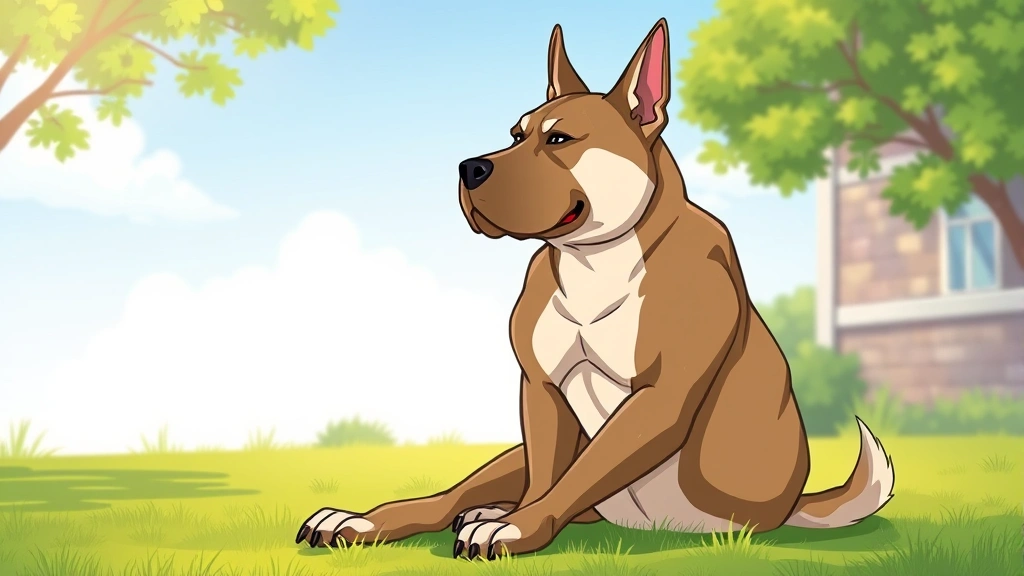
Here’s the truth nobody wants to hear: there’s no such thing as an inherently evil dog breed. But there ARE breeds with stronger prey drives, protective instincts, and physical power that demand experienced owners. If you’re researching the most aggressive dog breeds because you’re nervous about a specific dog in your neighborhood, or you’re wondering if a breed is right for your family, this guide cuts through the myth and gives you the real story.
The problem with “aggressive breed” labels is they stick like tar. A breed’s reputation often has more to do with how it’s been trained, socialized, and treated than with its DNA. That said, some breeds DO have traits—size, strength, bite force, territorial instincts—that can turn dangerous if mishandled. Let’s talk about which breeds those are, why they get that reputation, and what actually matters when you’re choosing a dog.
What Actually Makes a Dog Aggressive?
Aggression in dogs isn’t a personality flaw—it’s a behavior rooted in fear, resource guarding, territoriality, pain, or genetics. Some breeds were literally bred for centuries to guard livestock, hunt large game, or protect property. That doesn’t make them bad; it makes them specialized.
Think of it like this: a Border Collie will herd your kids because herding is in its bones. A Husky will bolt through your fence because it was bred to run in packs across frozen tundra. A Rottweiler will stand between you and a stranger because its ancestors protected Roman cattle herds. These aren’t character flaws—they’re job descriptions written in DNA.
Real aggression happens when:
- Fear takes over. A dog that wasn’t socialized early will react aggressively to unfamiliar people, dogs, or situations.
- Pain goes untreated. An ear infection, hip dysplasia, or dental disease can make even a gentle dog snap.
- Abuse or neglect breaks trust. Dogs chained outside, beaten, or isolated become defensive and dangerous.
- Owners reinforce aggressive behavior. Yelling at a dog to “attack” or “protect” teaches it that aggression gets rewards.
- Breeding for aggression happens. Irresponsible breeders selecting only for size and dominance create unstable dogs.
According to the American Animal Hospital Association, most dog bites are preventable through proper training, socialization, and responsible ownership. The dog’s breed matters less than the owner’s commitment.
The Most Aggressive Dog Breeds (And Why)
When we talk about the most aggressive dog breeds, we’re really talking about breeds with the physical power to cause serious harm if they DO bite, combined with traits that *can* make them territorial or protective if poorly trained. Here’s the honest breakdown:
Pit Bull-Type Dogs
Pit Bulls (which includes American Pit Bull Terriers, Staffordshire Bull Terriers, and mixed breeds with similar ancestry) top every “aggressive breed” list. Here’s why: they were originally bred in 19th-century England for dog fighting. They have powerful jaws, muscular builds, and a genetic drive to not back down from conflict. A Pit Bull that’s been trained to fight will fight. A Pit Bull that’s been loved and socialized? Often a goofy, affectionate family dog.
The statistics are complicated. Pit Bulls are involved in more fatal attacks than other breeds, but they’re also the most common dog in shelters, most likely to be owned by irresponsible people, and most likely to be labeled “Pit Bull” when they’re actually mixed breeds. It’s like saying sedans cause more accidents—well, there are way more sedans on the road.
Rottweilers
Rottweilers are large, powerful, and bred to guard. They’re protective of their families and suspicious of strangers. In the right home with consistent training, they’re loyal and gentle. In the wrong home, their size and strength make them genuinely dangerous. They need owners who understand dominance and pack structure, not first-time dog owners.
German Shepherds
German Shepherds are working dogs—police K-9s, military dogs, protection dogs. They’re intelligent, trainable, and deeply loyal. They’re also large, have strong bite force, and were bred to make independent decisions about threats. A poorly trained German Shepherd can be aggressive; a well-trained one is one of the most reliable family dogs you can own.
Chow Chows
Don’t let the fluffy exterior fool you. Chow Chows were bred to guard temples in China and hunt large game. They’re independent, aloof, and can be aggressive toward other dogs and unfamiliar people. They require experienced owners who understand their stubborn nature and early, consistent socialization.
Dalmatians
Dalmatians have a reputation as firehouse mascots—cute, spotted, family-friendly. Reality? They were bred to run alongside horse-drawn carriages and have high prey drive and significant aggression toward other dogs. They need tons of exercise and experienced owners. Many end up in shelters because families expecting a Disney movie got a working dog instead.
Akitas
Akitas are large Japanese dogs bred for hunting and guarding. They’re fiercely loyal to their families but territorial and aggressive toward other dogs, especially those of the same sex. They’re strong-willed and need owners who can establish clear leadership without being harsh.
Siberian Huskies
Huskies are pack hunters with high prey drive. They’ll chase cats, small dogs, and anything that runs. They’re not naturally aggressive toward humans, but their size and strength mean mistakes cost more. They need secure fencing and owners who understand predatory behavior.
Boxer Dogs
Boxers are energetic, playful, and bred as guard dogs. They’re strong and can be stubborn. Most Boxers are friendly, but they can be aggressive toward other dogs and need consistent training and socialization from puppyhood.
The Pit Bull Controversy: Separating Fact from Fear
Let’s address the elephant in the room: Pit Bulls are involved in more fatal attacks than any other breed, according to the Dog Bite Prevention Institute. But here’s what that statistic doesn’t tell you:
- Pit Bulls are overrepresented in shelters and among owned dogs. If 20% of shelter dogs are Pit Bull-type, you’d expect them to be involved in roughly 20% of bites. They’re often overrepresented because they’re common, not because they’re uniquely dangerous.
- Breed misidentification is rampant. Studies show that people, including animal control officers, frequently misidentify dogs as “Pit Bulls.” A mixed breed with a blocky head gets labeled a Pit Bull, even if it has no Pit Bull ancestry.
- Pit Bulls are owned by people with higher rates of criminal behavior. Research shows that dog owners convicted of crimes are significantly more likely to own Pit Bulls—not because Pit Bulls make people criminals, but because criminals deliberately choose powerful dogs to use as weapons or status symbols.
- Pit Bulls are less likely to be reported to authorities when they bite.** If a Chihuahua bites someone, it’s often unreported. If a Pit Bull nips someone, it’s documented. This skews statistics.
The American Kennel Club doesn’t recognize “Pit Bull” as a breed—it’s a category that includes multiple breeds and countless mixes. When you see “Pit Bull” in bite statistics, you’re looking at a grab bag of dogs, not a genetically consistent group.
The real truth: Pit Bulls have the physical power to cause serious injury if they DO bite. But studies on temperament show they’re not more aggressive than many other breeds. What they are is more capable of doing damage if their aggression isn’t managed. That’s a critical difference.
Breed Traits vs. Training: What Really Matters
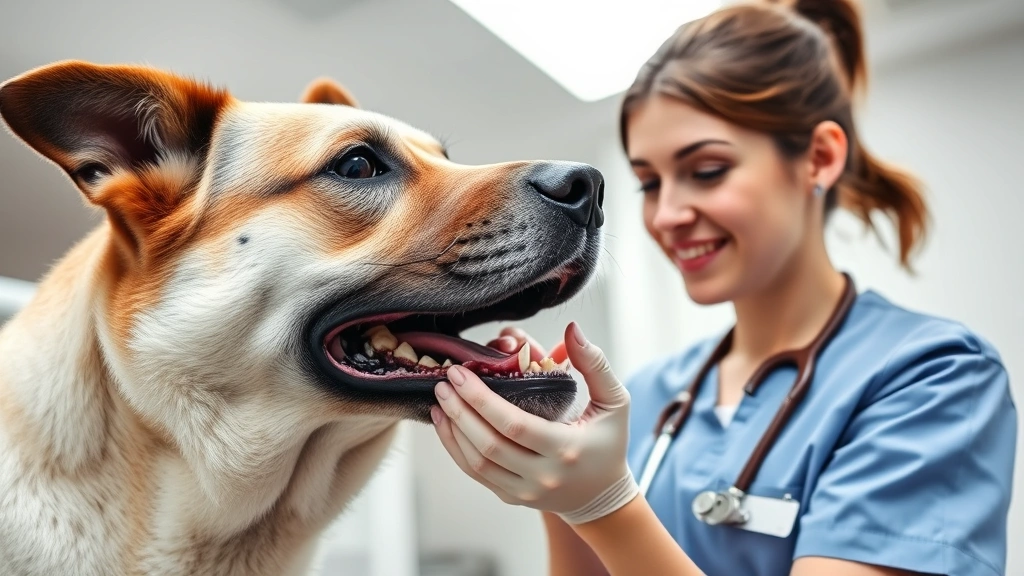
Here’s what I’ve seen in 15 years of veterinary work: a well-trained Pit Bull is safer than a poorly trained Golden Retriever. The Golden will bite less hard and do less damage, but it’ll still bite.
Breed gives you the *potential* for certain behaviors. Training determines whether that potential gets expressed. A German Shepherd bred to protect will protect—but whether it protects your family from actual threats or attacks your neighbor depends entirely on training.
The most important factors in preventing aggression:
- Early socialization (8 weeks to 4 months). This is when puppies learn what’s normal and safe. A puppy exposed to different people, dogs, environments, and sounds early will be confident and less fearful as an adult. Fearful dogs bite.
- Consistent training. High-drive breeds need owners who establish clear boundaries and expectations. They need to know what “sit” means, what “leave it” means, and what behaviors earn rewards.
- Exercise and mental stimulation. A bored, under-exercised dog—especially a high-drive breed—will develop behavioral problems. Huskies need to run. German Shepherds need jobs. Pit Bulls need physical and mental challenges.
- Responsible ownership. This means not leaving your dog unsupervised with children, not chaining it outside, not breeding it for aggression, and being honest about your abilities as an owner.
- Early intervention for problem behaviors. If your dog is showing signs of aggression, work with a certified professional dog trainer or veterinary behaviorist immediately. Don’t wait.
If you’re trying to figure out what breed is right for you, our What Dog Am I Quiz can help match your lifestyle to a breed’s actual needs—not the Instagram version.
Signs Your Dog (Any Breed) Is Becoming Aggressive
Aggression doesn’t appear overnight. There are warning signs. If you see these, get professional help immediately:
- Stiff body posture. Ears forward, hackles raised, tail rigid. The dog is in “alert” mode and ready to escalate.
- Prolonged staring. A hard, unblinking stare at another dog or person. This is a challenge.
- Growling or showing teeth. This is the dog’s way of saying “back off.” It’s actually good communication—the dog is warning before biting. If you punish growling, the dog learns to skip the warning and go straight to biting.
- Lunging at the leash. Your dog is frustrated and reactive, which can escalate to aggression.
- Resource guarding. Stiffening over food, toys, or even you. The dog sees these as property to defend.
- Snapping or air-biting. The dog is escalating from warnings to actual attempts to bite.
- Biting. Once a dog bites, the behavior is established. Professional intervention is critical.
If your dog shows any of these signs, contact a certified professional dog trainer (look for credentials like CCPDT or IAABC) or a veterinary behaviorist. Don’t try to fix this yourself—you’ll likely make it worse.
How to Prevent Aggression in High-Drive Breeds
If you own one of the most aggressive dog breeds—or any breed with strong protective or prey-drive instincts—here’s what actually works:
Start Early with Socialization
Between 8 weeks and 4 months, expose your puppy to as many different people, dogs, environments, and situations as possible. This is the critical window. A Rottweiler puppy that meets 100 people before 4 months will be far less suspicious of strangers than one that’s isolated.
Invest in Professional Training
Not obedience classes at PetSmart (though those help). Real training from someone who understands your breed’s specific drives. If you own a Pit Bull, find a trainer experienced with Pit Bulls. If you own a Husky, find someone who understands prey drive. This isn’t cheap, but it’s cheaper than a lawsuit.
Exercise, Exercise, Exercise
High-drive breeds need 1-2+ hours of exercise daily. This isn’t a walk around the block. This is running, playing, swimming, or working. A tired dog is a well-behaved dog. A bored, under-exercised Husky or German Shepherd will find ways to entertain itself—usually destructively or aggressively.
Establish Clear Leadership
This doesn’t mean being harsh or using dominance-based training (which is outdated and often counterproductive). It means being consistent, calm, and confident. Your dog should know that you make decisions, set boundaries, and follow through. Inconsistent owners create anxious, unpredictable dogs.
Avoid Triggering Situations
If your dog has shown aggression toward other dogs, don’t take it to dog parks. If it has prey drive, don’t let it off-leash in areas with wildlife. You’re managing the dog’s environment to prevent opportunities for aggression.
Never Punish Growling
Growling is communication. It’s the dog saying “I’m uncomfortable.” If you punish it, the dog learns to skip the warning and bite. Let your dog growl. Use that as information that something needs to change.
Pro Tip: If you’re unsure about your dog’s behavior, contact your veterinarian. Pain, illness, and hormonal issues can cause sudden aggression. Rule out medical causes before assuming it’s a behavioral problem.
Living Safely with Powerful Dog Breeds
Owning one of the most aggressive dog breeds doesn’t mean you’re irresponsible. It means you need to be more responsible than someone with a Poodle. Here’s how:
Secure Containment
Fencing needs to be secure and high enough that your dog can’t escape. Six feet minimum for large, athletic breeds. Chain-link is fine; invisible fences are not (a determined dog will run through the shock to chase something, and there’s nothing stopping other dogs from coming into your yard).
Liability Insurance
Check your homeowner’s insurance. Some policies exclude certain breeds or have liability limits. If you own a breed with a reputation, you might face higher premiums or need additional coverage. This is a real cost of ownership.
Controlled Introductions
Never let your powerful dog meet other dogs or unfamiliar people without careful management. Use a leash, choose neutral territory, and watch for signs of tension. A 90-pound Rottweiler playing roughly is different from a 10-pound Poodle playing roughly.
Never Leave Unsupervised with Children
This applies to all dogs, but especially powerful breeds. A dog can accidentally knock over a toddler while playing. A child can accidentally trigger a dog’s prey drive or defensive response. Supervision isn’t optional.
Microchip and ID
If your powerful dog escapes, you want it found and returned, not shot by animal control. Microchip, collar ID, and a recent photo are non-negotiable.
Know Your Local Laws
Some jurisdictions have breed-specific legislation (BSL) that restricts or bans certain breeds. If you own a Pit Bull, Rottweiler, or other restricted breed, know the rules. Some require special licenses, liability insurance, or muzzles in public. Ignorance isn’t a defense.
Have an Exit Plan
If your dog develops serious aggression that you can’t manage, have a plan. This might mean working with a behaviorist, rehoming to an experienced owner, or—in severe cases—euthanasia. It’s not a failure; it’s responsible. A dangerous dog shouldn’t be passed along to unsuspecting people.
For more information on recognizing health-related behavioral changes, check out our guide on how to tell if a dog has rabies, which covers some behavioral red flags.
Frequently Asked Questions
Are all Pit Bulls aggressive?
– No. Pit Bulls have the physical capacity to cause serious injury if they do bite, but temperament testing shows they’re not more aggressive than many other breeds. The issue is the damage potential, not inherent aggression. A well-socialized, well-trained Pit Bull can be an excellent family dog.
Can you train aggression out of a dog?
– It depends on the cause and severity. Aggression caused by fear, anxiety, or lack of socialization can often be improved with professional training and behavior modification. Aggression caused by genetics or brain chemistry is harder to fix and may require medication. Severe aggression in a large dog is often not safely manageable. Work with a veterinary behaviorist to assess your specific situation.
Why do some breeds have aggressive reputations?
– Media coverage, ownership demographics, and historical breeding purposes all play a role. Pit Bulls have a reputation partly because they were bred for dog fighting (a real historical fact) and partly because they’re overrepresented in urban areas where irresponsible ownership is more common. German Shepherds have a reputation partly because they’re used as police dogs. Reputation and reality don’t always match.
Is a puppy from a reputable breeder less likely to be aggressive?
– A good breeder will select for temperament and health, which helps. But a puppy from a reputable breeder can still become aggressive if it’s not socialized, trained, and exercised properly. Genetics loads the gun; environment pulls the trigger. Both matter.
What should I do if I’m bitten by a dog?
– Wash the wound immediately with soap and water. Seek medical attention, especially if the bite is deep or the dog’s vaccination status is unknown. Report the bite to local animal control. If possible, get the dog owner’s information and insurance details. Document everything with photos. You may need rabies prophylaxis depending on the dog’s history.
Can breed-specific legislation actually reduce dog bites?
– Studies suggest no. Research published in peer-reviewed journals shows that BSL doesn’t significantly reduce bite rates. What does reduce bites: responsible ownership, training, socialization, and enforcement of leash laws. Focusing on the owner rather than the breed is more effective.
Is a muzzle a sign of a dangerous dog?
– Not necessarily. Responsible owners of powerful breeds sometimes use muzzles for safety, especially in public or around other dogs. A muzzle prevents biting but doesn’t address the underlying behavior. It’s a management tool, not a solution. A dog wearing a muzzle still needs training and behavior modification.
How do I know if a dog breed is right for my family?
– Research the breed’s actual needs, not its reputation. Consider exercise requirements, grooming, space, cost, and your experience level. If you’ve never owned a dog, a Husky or Rottweiler is probably not right for you. If you have a yard and experience, you might do great with a powerful breed. Our What Dog Am I Quiz can help you think through this.
What’s the difference between aggression and reactivity?
– Aggression is a deliberate threat or attack. Reactivity is an overexcited response to a stimulus (like lunging at another dog on a leash because of excitement or frustration, not actual intent to harm). Reactive dogs can be trained. Aggressive dogs need professional intervention. The distinction matters for treatment.
Can you rehabilitate a dog that has bitten someone?
– Maybe. It depends on why it bit, how badly, and whether the cause can be addressed. A dog that bit out of fear and can be desensitized to that trigger might be rehabilitated. A dog that bit out of possessiveness and can be managed around triggers might be safe. A dog with a history of severe bites and no clear trigger is unlikely to be safely rehabilitated. Consult a veterinary behaviorist for an honest assessment.

Why do people choose aggressive breeds if they’re dangerous?
– Because they’re not inherently dangerous; they’re just more capable of doing damage if something goes wrong. A well-trained German Shepherd is an incredible family dog and working partner. A well-trained Pit Bull is loyal and affectionate. People choose these breeds because they like the traits—loyalty, protectiveness, athleticism—not because they want an aggressive dog.
Is neutering/spaying a dog supposed to reduce aggression?
– It can help, especially with male-to-male aggression and some territorial behaviors. But it won’t fix aggression caused by fear, lack of socialization, or abuse. Spaying/neutering is important for population control and has health benefits, but it’s not a behavioral cure-all.





