

As a responsible dog owner, you’ve likely found yourself wondering about various human foods and whether they’re safe for your furry companion. Potatoes are one of the most common foods that spark curiosity among pet parents, especially since they’re a staple in many households and appear in numerous dog food formulations.
The answer to whether dogs can eat potatoes isn’t simply yes or no – it depends on several factors including how they’re prepared, what type of potato it is, and your dog’s individual health needs. Understanding the nuances of feeding potatoes to dogs is crucial for maintaining your pet’s health and avoiding potential complications that could arise from improper preparation or excessive consumption.
Potato Safety Basics for Dogs
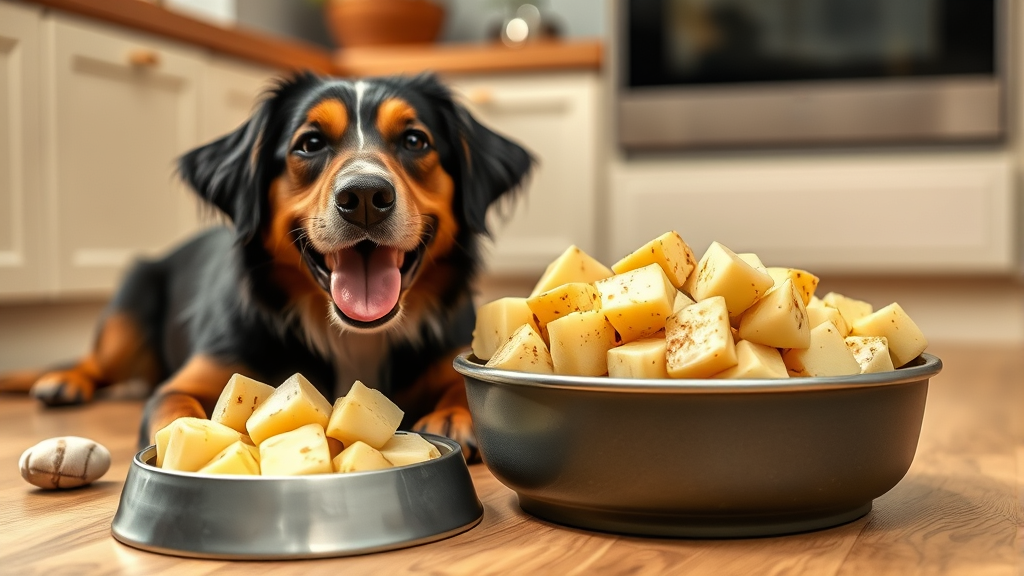
When properly prepared, potatoes can be a safe and nutritious addition to your dog’s diet. The key word here is “properly prepared” – raw potatoes and certain parts of the potato plant contain solanine, a naturally occurring compound that can be toxic to dogs. Cooked, plain potatoes without any seasonings, oils, or additives are generally safe for most dogs to consume in moderation.
The American Kennel Club confirms that cooked potatoes are safe for dogs, but emphasizes the importance of proper preparation. Never feed your dog raw potatoes, potato peels, or green potatoes, as these contain higher levels of solanine and can cause digestive upset, weakness, and other health issues.
It’s important to note that while potatoes aren’t toxic when properly prepared, they should be considered a treat rather than a dietary staple. Dogs have specific nutritional requirements that are best met through high-quality commercial dog food formulated for their life stage and activity level.
Nutritional Benefits of Potatoes for Dogs
Potatoes offer several nutritional benefits that can complement your dog’s diet when served appropriately. They’re an excellent source of vitamin C, which supports immune function and acts as an antioxidant. Additionally, potatoes contain vitamin B6, which is essential for brain function and helps the body make the hormones serotonin and norepinephrine, which influence mood and stress response.
The potassium content in potatoes supports proper muscle and nerve function, while the fiber can aid in digestive health. Potatoes also provide iron, which is crucial for oxygen transport in the blood, and magnesium, which supports bone health and energy metabolism. These nutrients make potatoes a potentially beneficial occasional treat for dogs.
However, it’s worth noting that many of these same nutrients can be found in other dog-safe vegetables. For instance, carrots are good for dogs and provide similar nutritional benefits with additional beta-carotene for eye health. Similarly, dogs can eat pumpkin, which offers fiber and vitamins with fewer calories than potatoes.
Safe Preparation Methods
The method of preparation is crucial when serving potatoes to your dog. The safest way to prepare potatoes for dogs is to wash them thoroughly, remove all skin and eyes, and cook them completely without any additives. Boiling, baking, or steaming are the preferred cooking methods, as they don’t require oils or fats that could upset your dog’s digestive system.
Avoid any preparation methods that involve oils, butter, salt, garlic, onions, or other seasonings, as these can be harmful to dogs. French fries, potato chips, and other processed potato products should never be given to dogs due to their high fat, salt, and additive content. These foods can lead to obesity, pancreatitis, and other serious health issues.
When baking potatoes for your dog, ensure they’re completely cooked through and allow them to cool before serving. Cut the potato into appropriate-sized pieces for your dog’s size to prevent choking hazards. Always remove any green portions or sprouted areas, as these contain higher concentrations of solanine.
Different Types of Potatoes and Their Safety
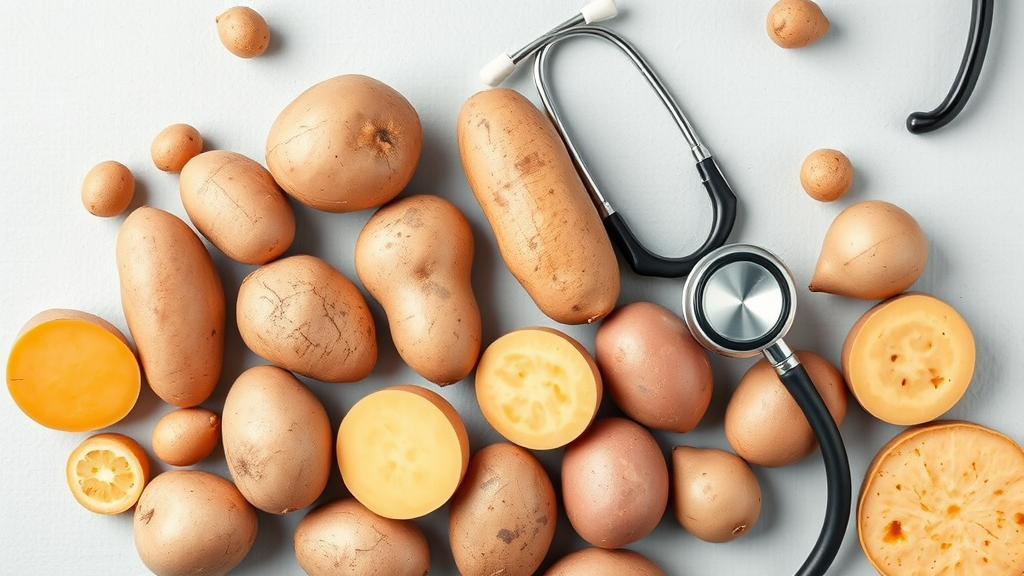
Not all potatoes are created equal when it comes to feeding them to dogs. Sweet potatoes are often considered safer and more nutritious than regular white potatoes. They contain higher levels of fiber, vitamin A, and antioxidants, while being easier to digest. Many commercial dog foods include sweet potatoes as a primary ingredient due to their nutritional benefits and palatability.
White potatoes, including russet, red, and yellow varieties, can be safe for dogs when properly prepared, but they’re higher in starch and calories compared to sweet potatoes. Purple potatoes contain anthocyanins, which are beneficial antioxidants, but they should be prepared using the same safety guidelines as other potato varieties.
Green potatoes should never be fed to dogs under any circumstances. The green coloration indicates high levels of solanine, which can cause serious poisoning in dogs. Signs of solanine poisoning include vomiting, diarrhea, lethargy, and difficulty breathing. If your dog accidentally consumes green potato, contact your veterinarian immediately.
Potential Risks and Concerns
While properly prepared potatoes can be safe for dogs, there are several risks to consider. The high carbohydrate and calorie content in potatoes can contribute to weight gain if fed regularly or in large quantities. Obesity in dogs leads to numerous health problems, including diabetes, joint issues, and heart disease, according to the American Veterinary Medical Association.
Dogs with diabetes should avoid potatoes due to their high glycemic index, which can cause rapid spikes in blood sugar levels. Similarly, dogs prone to urinary stones may need to limit potato consumption, as potatoes contain oxalates that can contribute to stone formation in susceptible animals.
Some dogs may have individual sensitivities or allergies to potatoes, although this is relatively rare. Signs of food sensitivity include digestive upset, skin irritation, or changes in behavior after consumption. If you notice any adverse reactions after feeding your dog potatoes, discontinue immediately and consult your veterinarian.
The solanine content in improperly prepared potatoes remains the primary concern. Even in small amounts, solanine can cause gastrointestinal distress, and larger quantities can lead to more serious neurological symptoms. Always err on the side of caution when preparing potatoes for your dog.
Serving Size Guidelines
When introducing potatoes to your dog’s diet, start with very small amounts to gauge their tolerance. For small dogs (under 25 pounds), begin with no more than a few small pieces or about a tablespoon of mashed potato. Medium dogs (25-50 pounds) can have slightly larger portions, while large dogs (over 50 pounds) can handle proportionally more, but potatoes should never constitute more than 10% of their daily caloric intake.
The Humane Society recommends treating any human food, including potatoes, as an occasional treat rather than a regular part of your dog’s diet. This helps ensure that your dog receives balanced nutrition from their primary food source while minimizing the risk of digestive upset or nutritional imbalances.
Frequency is just as important as portion size. Even if your dog tolerates potatoes well, they should only be offered occasionally – perhaps once or twice a week at most. This approach allows you to provide variety in your dog’s diet without disrupting their nutritional balance or contributing to weight gain.
Always monitor your dog after introducing any new food, including potatoes. Watch for changes in appetite, energy level, bowel movements, or behavior that might indicate the food doesn’t agree with them.
Healthy Alternatives to Potatoes
If you’re looking for healthy, dog-safe alternatives to potatoes, there are numerous options that provide similar or better nutritional benefits. Dogs can eat rice, which is often easier to digest and commonly used in bland diets for dogs with sensitive stomachs. Rice is also lower in calories than potatoes and less likely to cause weight gain.
Other excellent vegetable alternatives include broccoli for dogs, which provides vitamin C and fiber with fewer calories than potatoes. Cauliflower is also safe for dogs and offers similar nutritional benefits to broccoli while being even lower in calories.
For dogs who enjoy the texture and taste of starchy vegetables, corn can be safe for dogs when served plain and in moderation. However, like potatoes, corn should be considered a treat rather than a dietary staple due to its carbohydrate content.
Green vegetables like green beans, peas, and spinach (in small amounts) can provide excellent nutrition with fewer calories and less risk of digestive upset. These alternatives can help satisfy your desire to share healthy foods with your dog while providing better nutritional value and lower caloric density.
Frequently Asked Questions
Can dogs eat raw potatoes?
No, dogs should never eat raw potatoes. Raw potatoes contain solanine, a toxic compound that can cause vomiting, diarrhea, lethargy, and more serious health issues in dogs. Always cook potatoes thoroughly before offering them to your dog, and remove all skin and green portions.
Are sweet potatoes better than regular potatoes for dogs?
Sweet potatoes are generally considered better for dogs than regular white potatoes. They contain more fiber, vitamin A, and antioxidants while being easier to digest. Sweet potatoes also have a lower glycemic index, making them a better choice for dogs with diabetes or weight management issues.
How much potato can I give my dog?
Potatoes should only make up a small portion of your dog’s diet – no more than 10% of their daily caloric intake. Start with small amounts (a few pieces for small dogs, slightly more for larger dogs) and offer them only occasionally as treats, not as regular meal components.
What should I do if my dog ate a green potato?
If your dog consumed a green potato, monitor them closely for signs of solanine poisoning, including vomiting, diarrhea, lethargy, difficulty breathing, or neurological symptoms. Contact your veterinarian immediately, especially if your dog consumed a large amount or is showing any symptoms of distress.
Can puppies eat potatoes?
Puppies can eat small amounts of properly prepared potatoes, but their developing digestive systems are more sensitive than adult dogs. It’s best to wait until puppies are at least 12 weeks old and fully weaned before introducing any new foods. Always consult your veterinarian before adding new foods to a puppy’s diet.
Are potato peels safe for dogs?
No, potato peels should not be given to dogs. The skin contains higher concentrations of solanine and can be difficult to digest. Additionally, potato peels may harbor bacteria, dirt, or pesticide residues that could harm your dog. Always remove all skin before serving potatoes to your pet.
Can dogs with diabetes eat potatoes?
Dogs with diabetes should generally avoid potatoes due to their high glycemic index, which can cause rapid spikes in blood sugar levels. If you want to give your diabetic dog a special treat, consult with your veterinarian about safer, low-glycemic alternatives that won’t interfere with blood sugar management.





